
Are you ready to unlock the secrets of one of the most versatile herbs out there? Oregano, with its distinct earthy flavor and aroma, has been a staple in Mediterranean cuisine for thousands of years. But did you know that this humble herb comes in over 80 different varieties, each with its own unique characteristics and uses? From traditional Greek oregano to Indian wild oregano, the options are endless. Whether you’re a seasoned gardener or a culinary enthusiast, understanding the different types of oregano can help you unlock its full potential. In this comprehensive guide, we’ll take you on a journey through the history, varieties, cultivation tips, and uses of oregano, exploring its medicinal properties, innovative growing methods, and the many ways it can elevate your cooking.
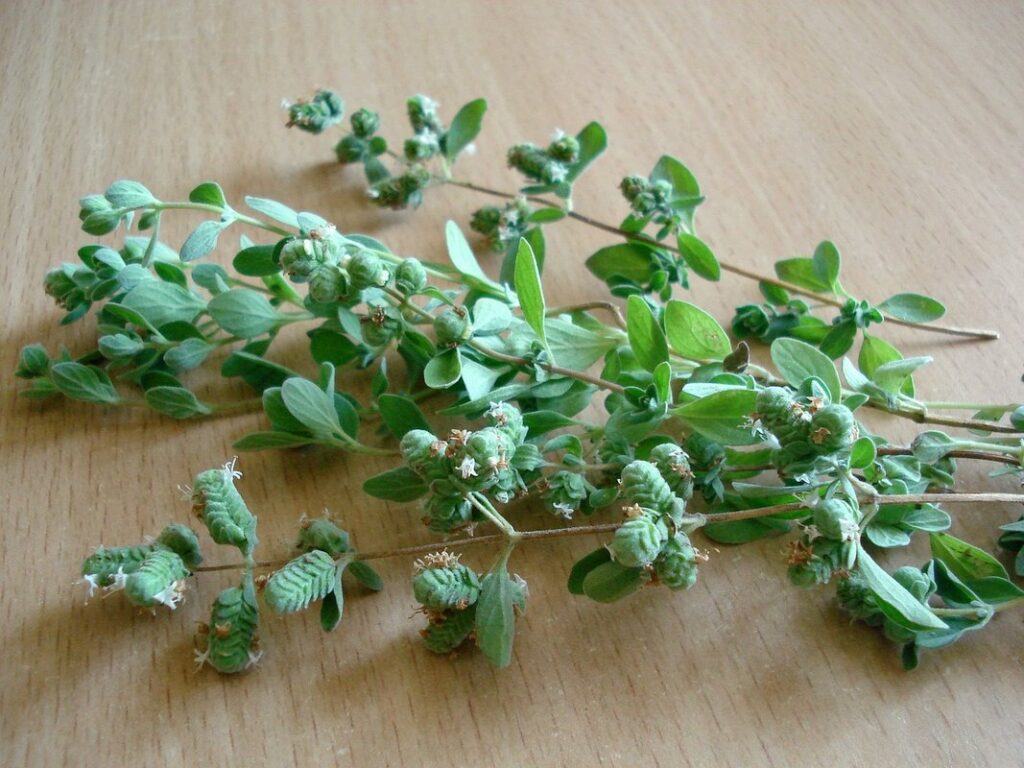
History and Origin of Oregano
Let’s dive into where oregano comes from, tracing its origins back to ancient civilizations that prized its distinct flavor and aroma in their cooking. From there, we’ll explore how it spread across the globe.
Ancient Cultivation Practices
The earliest recorded evidence of oregano cultivation dates back to ancient civilizations in the Mediterranean region. These cultures not only prized it for its flavor and aroma but also recognized its remarkable medicinal properties. The ancient Greeks, for instance, used oregano to treat a range of ailments from indigestion to respiratory issues.
In ancient Greece, oregano was considered a gift from the gods, and its cultivation was highly valued by farmers. They would often plant it alongside other herbs like thyme and rosemary in their fields. The Greeks believed that oregano had healing properties that could ward off evil spirits, and they used it extensively in their traditional medicine.
Similarly, the Romans also recognized the medicinal value of oregano and incorporated it into their apothecary practices. They used it to treat various conditions including fever, headaches, and skin issues. Today, research has confirmed many of these ancient claims, with studies highlighting the herb’s antimicrobial and antiseptic properties.
The significance of ancient cultivation practices lies not only in their historical context but also in the lessons we can draw from them today. By understanding how oregano was used by our ancestors, we can gain a deeper appreciation for its value as a culinary and medicinal herb.
Early Records of Oregano Variety Development
The earliest records of oregano variety development date back to ancient civilizations, where this versatile herb was highly valued for its culinary and medicinal properties. In ancient Greece, for instance, oregano was used not only as a flavoring agent but also to treat various ailments such as indigestion and respiratory issues.
The Greek physician Dioscorides (40-90 AD) documented several types of oregano in his book “De Materia Medica”, including “oreganon” and “kleos”. He described the former as a more potent variety, used for its antiseptic properties, while the latter was considered milder and suitable for cooking.
In ancient Rome, oregano was known as “origanum”, with several varieties being cultivated for their distinct flavors. The Roman naturalist Pliny the Elder (23-79 AD) wrote about a type of oregano that was particularly prized for its pungency and aroma.
These early records highlight the long history of oregano variety development, which has continued to this day, with modern farmers cultivating over 80 types of oregano worldwide. By understanding the origins of these different varieties, we can appreciate the rich diversity and complexity of oregano as a herb.
Types of Oregano
Oregano comes in a variety of forms, each with its own unique characteristics and uses. Let’s dive into some of the most popular types of oregano to grow and use in your cooking.
Greek Oregano (Origanum heracleoticum)
Greek oregano, also known as Origanum heracleoticum, is one of the most popular and widely used varieties of oregano. Native to the Mediterranean region, this variety has been cultivated for centuries and is a staple ingredient in Greek cuisine. One of its most distinctive characteristics is its slightly bitter flavor and pungent aroma, which pairs perfectly with vegetables, meat dishes, and salads.
Greek oregano grows into a compact bushy plant that can reach up to 12 inches tall. It requires well-drained soil and full sun to thrive, making it an ideal choice for gardeners who want to grow this versatile herb at home. The leaves are dark green in color with a slightly hairy texture, which is rich in antioxidants and other beneficial compounds.
In the kitchen, Greek oregano is a must-have ingredient for traditional dishes such as spanakopita, moussaka, and grilled meats like souvlaki. It’s also used to flavor roasted vegetables, stews, and soups. To use Greek oregano, simply chop the leaves finely and add them towards the end of cooking time, as heat can cause its delicate oils to evaporate.
Turkish Oregano (Origanum onites)
Turkish oregano (Origanum onites) is a staple herb in Turkish and Middle Eastern cuisine. Its distinct flavor profile sets it apart from other types of oregano, with a pungent, slightly bitter taste that’s often described as earthy and herbal.
When you sniff a bunch of fresh Turkish oregano, its aroma hits you like a punch – a robust mix of pine, thyme, and mint notes. This potent fragrance is what makes it such a sought-after addition to kebabs, stews, and salads in Turkish cooking.
To use Turkish oregano effectively, start by chopping or bruising the leaves to release its oils. Add it towards the end of cooking time for maximum flavor impact. For instance, sprinkle some minced Turkish oregano over grilled lamb skewers, or toss some fresh leaves into a hearty lentil stew. When pairing with other herbs like parsley and thyme, remember that a little goes a long way – so start with small amounts to balance out the flavors.
Try substituting Turkish oregano in your favorite recipes from Turkey, Greece, or Lebanon for an instant flavor boost.
Italian Oregano (Origanum x majoricum)
Italian oregano (Origanum x majoricum) is a popular hybrid variety commonly used in Italian cuisine. This versatile herb boasts a distinct character that sets it apart from other types of oregano.
Characterized by its large, oval-shaped leaves and compact growth habit, Italian oregano makes an excellent choice for small gardens or containers. It grows up to 2 feet tall and wide, requiring minimal maintenance and care. The plant’s dense foliage also helps repel pests and adds a lush texture to any arrangement.
Italian oregano is prized for its unique flavor profile, which is more pungent than Greek oregano but milder than Turkish oregano. It pairs exceptionally well with tomato sauces, olive oil, garlic, and herbs like basil and rosemary. Use it fresh or dried in a variety of dishes, from pasta sauces to pizza toppings.
To grow Italian oregano, choose a spot with full sun and well-draining soil. Prune regularly to encourage bushy growth and prevent legginess. Harvest individual leaves as needed, or trim the entire plant back by one-third after flowering for continued production.
Cultivation and Care
To grow and maintain healthy oregano plants, you’ll want to learn proper cultivation techniques and how to provide optimal care for these wonderful herbs. Here’s what you need to know.
Soil and Climate Requirements
When it comes to growing oregano, understanding its ideal soil and climate requirements is crucial for success. Different types of oregano have varying needs when it comes to sunlight, temperature, and hardiness zones.
Greek oregano, for instance, prefers well-draining soil with a pH between 6.0 and 7.0, while Italian oregano thrives in slightly acidic to neutral soil conditions. When it comes to sunlight, most oregano varieties require at least six hours of direct sunlight per day, although some can tolerate partial shade.
In terms of hardiness zones, oregano is generally considered a warm-season crop and prefers zones 4-8. However, some varieties like ‘Compactum’ and ‘Aureum’ are more tolerant of cooler temperatures and can grow in zones 3-9. When planting oregano, make sure the soil has good drainage to prevent root rot.
By choosing an oregano variety suitable for your climate and providing it with optimal growing conditions, you’ll be well on your way to enjoying a bountiful harvest of fragrant leaves come summer.
Propagation Methods
Propagating oregano is relatively easy and can be done through various methods. One of the most common ways is by seed starting. Sow seeds indoors 6-8 weeks before the last frost date, using a well-draining potting mix. Keep the soil consistently moist but not waterlogged, as this can lead to fungal diseases.
Another method is division, which is ideal for established plants with multiple stems. Dig up the entire plant, gently separate the roots, and replant the divisions in a new location with fresh soil. This method helps prevent over-crowding and encourages healthy root growth.
Cuttings are also an option, especially for oregano varieties that don’t produce viable seeds easily. Take 4-6 inch stem cuttings from mature plants, remove lower leaves, and plant them in a pot filled with moistened perlite or vermiculite. Keep the soil consistently moist but not waterlogged until roots develop.
Keep in mind that when taking cuttings, it’s essential to choose healthy stems with at least two nodes. This increases the chances of successful propagation and reduces the risk of disease transmission.
Uses and Benefits
Now that you’ve learned about the different types of oregano, let’s explore how you can use them to add flavor and nutrition to your cooking. From pesto sauces to roasted meats, oregano’s benefits are numerous.
Culinary Applications
As you delve into the world of oregano varieties, it’s essential to explore its culinary applications. Oregano is a staple herb in many traditional dishes, particularly in Mediterranean and Indian cuisines. In Greek cuisine, for instance, oregano is used liberally in tomato keftedes (tomato fritters) and grilled meats. The pungent flavor of oregano pairs perfectly with the sweetness of tomatoes.
In Italian cooking, oregano is a fundamental component of pizza sauce and pasta dishes like spaghetti aglio e olio. The herb’s earthy undertones complement the richness of olive oil and garlic. Indian cuisine also employs oregano in various curries, often blended with other spices to create complex flavor profiles.
To infuse your cooking with the bold taste of oregano, try mixing it with lemon juice and olive oil for a marinade or rub for grilled meats or vegetables. Alternatively, combine oregano with garlic and chili flakes for an aromatic seasoning blend. With its versatility in hand, you can experiment with oregano in a variety of dishes to elevate their flavors and aromas.
Medicinal Properties
When it comes to oregano varieties, one of its most valuable assets is its impressive medicinal profile. This herb has been touted for centuries as a natural remedy for various ailments, and modern science has only confirmed its remarkable healing properties.
Oregano’s antimicrobial effects are particularly noteworthy, making it an effective tool against a wide range of bacteria, viruses, and fungi. Studies have shown that oregano essential oil can inhibit the growth of pathogens such as E. coli, Staphylococcus aureus, and Candida albicans. This is why it’s often used to treat skin infections, wounds, and even respiratory issues.
But that’s not all – oregano also boasts impressive antiviral properties, which have been shown to combat viral strains like influenza A and Herpes simplex. Additionally, its antioxidant content helps protect the body from oxidative stress, reducing inflammation and promoting overall well-being.
To reap oregano’s medicinal benefits, try incorporating it into your cooking or using essential oil in a diffuser. You can also make a homemade oregano tincture by steeping dried leaves in a carrier oil. Experiment with different varieties to find the one that suits you best – and remember to consult with a healthcare professional before using oregano for medicinal purposes, especially if you have any underlying health conditions.
Hybrid Oreganos and New Developments
Hybrid oreganos are a fascinating area of study, where breeders combine different species to create unique flavors, aromas, and growth habits. Let’s explore some of these exciting new developments together.
Breeding Programs
Breeding programs are underway to develop new hybrid oregano varieties that offer improved yields, disease resistance, and flavor profiles. These efforts aim to cater to the growing demand for high-quality oregano among chefs, gardeners, and consumers.
Researchers have been working with top oregano-producing countries like Greece and Turkey to create hybrids that combine the best traits of existing varieties. For instance, some breeding programs focus on crossing native Greek oregano (Origanum vulgare) with other species like Origanum laevigatum to enhance disease resistance.
One such example is the ‘Lemon’ oregano hybrid, which boasts increased yields and improved flavor profile. This variety has been specifically bred for its citrusy aroma and higher oil content, making it an attractive choice for gardeners and chefs alike.
To select a suitable hybrid oregano variety, consider factors like climate, soil type, and intended use. Some hybrids may be more resistant to pests or diseases in specific regions, while others might excel in certain flavor profiles. By exploring these new developments, you can discover the perfect oregano variety for your needs and take your garden or cooking to the next level.
Emerging Trends in Oregano Cultivation
As oregano cultivation continues to evolve, innovative approaches are revolutionizing the way this popular herb is grown. One such trend is vertical farming, which involves growing plants in vertically stacked layers, often in an indoor environment. This method allows for maximum space efficiency and precise control over temperature, humidity, and light exposure – essential factors for oregano growth.
Hydroponics is another emerging technique that’s gaining traction in oregano cultivation. By suspending roots in a nutrient-rich solution rather than soil, hydroponic systems enable growers to optimize water usage and reduce land requirements. This method also enables more precise control over nutrient delivery, leading to healthier and more robust plants.
Precision agriculture techniques are also being applied to oregano cultivation, leveraging data analytics, drones, and sensors to monitor and optimize growing conditions in real-time. These technologies help identify areas for improvement, such as optimizing water usage or adjusting fertilization schedules – all of which can significantly impact oregano yields and quality.
Frequently Asked Questions
How do I choose the right oregano variety for my garden?
Choosing the right oregano variety depends on your climate, soil type, and personal preferences. Consider factors such as drought tolerance, growth habits, and flavor profile when selecting a variety. Some popular varieties like Greek Oregano (Origanum heracleoticum) and Italian Oregano (Origanum x majoricum) are known for their hardiness and adaptability.
Can I grow oregano indoors year-round?
Yes, you can grow oregano indoors year-round in containers with good drainage. Provide bright, indirect light and maintain a consistent temperature between 65-75°F (18-24°C). Keep the soil moist but not waterlogged, as this can lead to root rot.
How do I store dried oregano for optimal flavor?
Store dried oregano in an airtight container, away from direct sunlight and moisture. This will help preserve its flavor and aroma. You can also freeze dried oregano in ice cube trays with olive oil for longer storage.
Can I use oregano essential oil as a substitute for fresh oregano?
No, oregano essential oil is not a suitable substitute for fresh or dried oregano. Essential oils are highly concentrated and should be used sparingly due to their potency. Instead, try using fresh or dried oregano in cooking or infuse it into olive oil for a flavorful condiment.
How do I propagate oregano from cuttings?
Propagating oregano from cuttings is relatively easy. Take 2-3 inch stem cuttings with at least two sets of leaves, remove lower leaves, and plant them in well-draining soil. Keep the soil moist but not waterlogged until roots develop. This method allows you to share new oregano varieties with friends or expand your own garden.