
As an avid gardener, you know how tricky it can be to keep your favorite herbs thriving through the harsh winter months. Oregano, in particular, is a delicate plant that requires extra care to survive the cold temperatures and frost damage. But don’t worry, I’ve got some expert tips to share with you on how to successfully overwinter oregano in your garden. From pruning and mulching to protecting your plants from frost damage, we’ll cover it all. In this article, we’ll dive into the best techniques for keeping your oregano plant healthy and strong throughout the winter season. Whether you’re a seasoned gardener or just starting out, these simple yet effective tips will ensure that your oregano comes back stronger than ever come springtime. Let’s get started!
Understanding Oregano’s Hardiness
Understanding oregano’s hardiness is crucial for successful overwintering, as it directly impacts how you care for your plants during colder months. Let’s dive into what makes oregano a surprisingly resilient herb.
What is Oregano and Its Climatic Tolerance
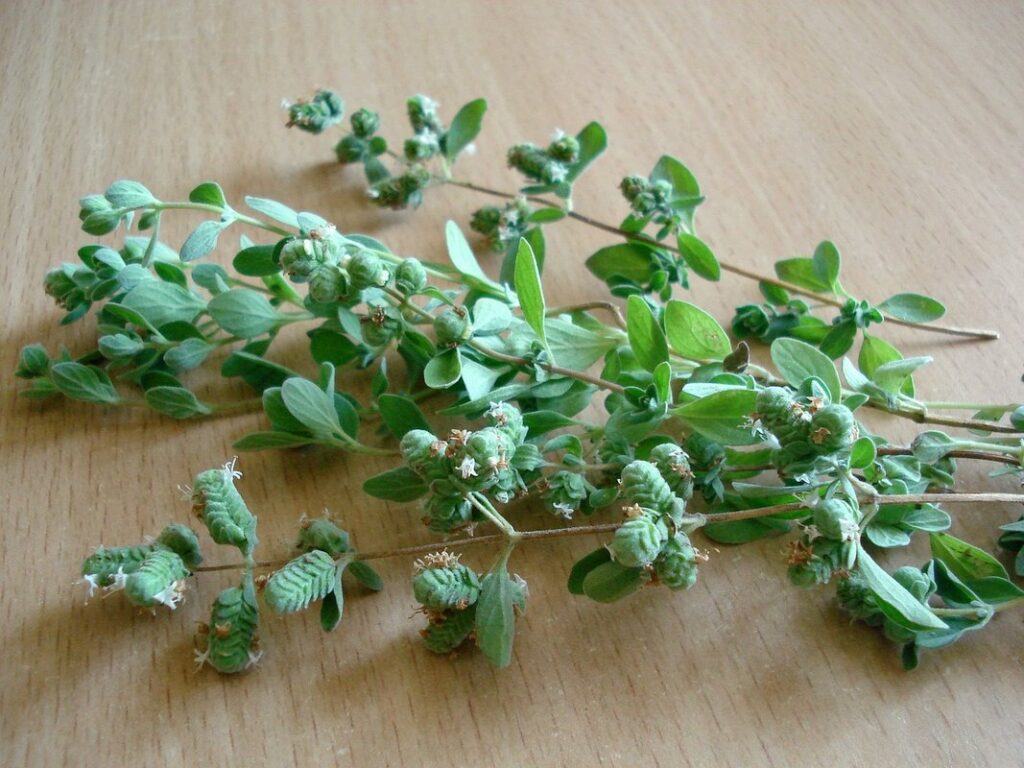
Oregano is a perennial herb that originates from the Mediterranean region, where it grows wild. Its botanical name is Origanum vulgare. As a native of warm and dry climates, oregano has adapted to thrive in areas with mild winters and cool summers. In its natural hardiness zone, typically ranging from USDA zones 4-8, oregano can grow year-round without any protection.
However, climate plays a significant role in determining how well oregano grows and thrives. Extreme temperatures, either too high or too low, can impact the plant’s growth rate and health. Prolonged exposure to frost can cause damage to the leaves and stems, making it necessary for gardeners to take measures to protect their plants during harsh winters.
Understanding your local climate is crucial in deciding how to overwinter oregano effectively. Even within its natural hardiness zone, microclimates can vary significantly, affecting the plant’s growth patterns. Factors such as wind direction, soil quality, and nearby structures can also impact the plant’s resilience. By taking these factors into account, you can create a suitable environment for your oregano to survive and even flourish during the cold winter months.
Factors Affecting Oregano’s Survival
When it comes to oregano overwintering, several factors can affect its survival. Temperature fluctuations play a significant role, as oregano prefers cooler temperatures between 40°F and 70°F (4°C and 21°C). Prolonged exposure to extreme cold or heat can be detrimental, causing damage to the plant’s roots and foliage.
Soil conditions also impact oregano’s hardiness. Well-draining soil with a pH between 6.0 and 7.0 is ideal for oregano growth. Waterlogged soil can lead to root rot, while dry soil may cause the plant to go dormant prematurely. Regular mulching can help maintain optimal moisture levels.
Humidity levels are another crucial factor in oregano’s overwintering success. Oregano thrives in moderate humidity (around 50-60%). However, if the surrounding environment is too humid, it can lead to fungal diseases like root rot. Conversely, extremely dry air may cause the plant to become stressed.
By understanding these factors and adjusting your care accordingly, you can help ensure your oregano plants survive the winter months with minimal damage.
Preparing Oregano for Winter
As winter approaches, it’s time to prepare your oregano plants for a cozy dormancy. In this section, we’ll guide you through the essential steps to help your oregano thrive until spring returns.
Pruning and Trimming Techniques
Pruning and trimming oregano plants is an essential step in preparing them for winter. When left unattended, oregano can become leggy and vulnerable to damage from cold temperatures and moisture. Regular pruning helps maintain a compact shape, promotes healthy growth, and prevents the plant from going dormant prematurely.
To prune your oregano effectively, start by removing any dead or dying leaves or stems. This will prevent the spread of disease and encourage new growth. Next, cut back the main stem to about half its height. This will help redirect the plant’s energy towards producing new roots and foliage.
It’s essential to prune oregano in the fall, about 4-6 weeks before the first frost. This allows the plant time to recover from pruning stress and develop a robust root system before winter sets in. For optimal results, prune your oregano regularly throughout the growing season, every 1-2 months.
By following these simple steps, you can ensure your oregano plants remain healthy, vibrant, and ready for the challenges of winter. Regular pruning will also help prevent pests and diseases from taking hold, giving your plants a better chance of survival during the cold months ahead.
Bringing Potted Oregano Indoors
When bringing potted oregano indoors for the winter months, it’s essential to replicate its natural growing conditions. Place your potted oregano near a sunny window that receives direct sunlight for at least 4-6 hours a day. However, be cautious not to scorch the leaves with intense sunlight, especially if you live in areas with bright winters.
Watering is also crucial during this period. Check the soil moisture daily and water only when it feels dry to the touch. Overwatering can lead to root rot, which can be fatal for potted oregano. Use a well-draining potting mix specifically designed for indoor plants to prevent waterlogged conditions.
Fertilization is also vital during this period. Feed your potted oregano with a balanced, water-soluble fertilizer (10-10-10 NPK) once a month. Dilute the fertilizer to half the recommended strength to avoid burning the roots. This will help maintain the plant’s health and promote new growth.
When selecting a potting mix for indoor growth, look for mixes that contain perlite or vermiculite, which improve drainage and prevent water retention. Avoid using regular garden soil, as it can compact in pots and prevent proper root growth.
Overwintering Techniques in the Ground
When winter chill sets in, protecting your oregano from harsh temperatures and frost is crucial. In this next part of our overwintering guide, we’ll explore how to successfully keep your oregano safe underground.
Mulching and Cover Cropping Strategies
Mulching and cover cropping are two essential strategies for protecting oregano from harsh winter conditions. When it comes to mulching, you have a variety of materials to choose from. Straw is an excellent option as it allows moisture to penetrate while retaining warmth. Bark chips, on the other hand, provide better insulation against extreme temperatures. Both options help regulate soil temperature and retain moisture, reducing the need for frequent watering.
Cover cropping is another effective method to protect your oregano from winter damage. Winter rye and annual ryegrass are popular cover crop choices that can be planted in the fall. These crops grow rapidly and provide a protective barrier against harsh weather conditions. As they mature, they will also add organic matter to the soil, enriching its fertility. To implement cover cropping effectively, start by planting the seeds 6-8 weeks before the first frost date. Keep the area well-watered until the crop has reached maturity.
By incorporating mulching and cover cropping into your oregano overwintering plan, you’ll be able to protect your plants from winter stress and promote healthy growth come springtime.
Winter Protection with Row Covers or Cloches
When overwintering oregano in the ground, it’s essential to protect the plants from harsh winter conditions. Row covers and cloches are excellent options for shielding your oregano from frost damage, extreme temperatures, and snow accumulation.
Row covers are lightweight, breathable fabrics that allow sunlight and water to reach the plants while keeping cold air out. To install a row cover over your oregano bed, begin by clearing any debris or weeds from the area. Next, lay the row cover over the plants, securing it with stakes or weights to prevent it from blowing away in the wind. Make sure the edges are tucked under the soil to prevent cold air from seeping underneath.
Cloches are clear plastic or glass bell-shaped covers that provide more protection than row covers. They can be placed directly over individual oregano plants or groups of plants, creating a mini-greenhouse effect. Simply place the cloche over the plant, securing it with rocks or soil to prevent wind damage.
Remember, when using either method, ensure they are not touching the leaves or stems to prevent moisture buildup and potential disease.
Advanced Overwintering Methods
Now that we’ve explored the basics of overwintering oregano, let’s dive deeper into some more advanced techniques for successful winter care. We’ll cover expert methods for extending your harvest season.
Cold Frame Construction
Building a cold frame is an excellent way to protect your oregano from harsh winter conditions. To start, you’ll need some basic materials such as 2x4s for the frame, plastic or glass for the top, and weather-resistant screws. Consider using reclaimed wood for a more rustic look.
When designing your cold frame, think about the climate in your area. In colder regions, aim for a longer frame to allow for more sunlight penetration during winter months. Make sure it’s at least 3 feet tall to prevent frost from entering. A south-facing orientation is ideal, but ensure it gets some shade during peak sun hours to avoid overheating.
For installation, start by laying out the frame and securing it with screws. Add a solid bottom made of wood or metal to maintain temperature consistency. Place your oregano plants inside and cover them with soil up to their base. Finish off by attaching the top (plastic or glass) securely, ensuring it’s level and evenly spaced.
Regularly check the cold frame for moisture accumulation and ensure proper ventilation to prevent disease and pest issues. By following these steps and considering climate-specific factors, you’ll be able to successfully overwinter your oregano in a cold frame.
Bringing Oregano Underground (Lifting and Storing)
When it’s time to bring oregano underground for winter, lifting and storing potted plants or individual roots is a game-changer. This technique allows you to preserve your hardy oregano plant through the cold months, ensuring its survival and vitality come springtime.
To lift potted oregano, wait until the tops have died back naturally, usually after the first frost. Gently dig around the pot, taking care not to damage the roots. Carefully remove the plant from the container, and trim off any dead or dying leaves. Place the potted oregano in a cool, dry location, such as an unheated garage or shed.
For individual roots, dig up the oregano clump in late fall, after the tops have died back. Gently separate the roots, making sure each section has at least one growing tip. Trim off any dead or damaged roots, and store them in a dry location, such as a paper bag or breathable container.
This method is beneficial because it allows you to preserve your oregano plant’s energy reserves, which are depleted when the tops die back naturally. By lifting and storing potted plants or individual roots, you’re essentially ‘hibernating’ your oregano, allowing it to conserve water and nutrients until spring arrives. Come springtime, your oregano will be ready to burst forth with new growth, thanks to this simple yet effective overwintering technique.
Troubleshooting Common Issues
If you’re facing problems with your oregano overwintering, don’t worry – we’ve got you covered. In this troubleshooting guide, we’ll address common issues and provide solutions to get your oregano thriving again.
Identifying Signs of Stress
When it comes to overwintering oregano, one of the most common issues gardeners face is stress caused by extreme weather conditions or poor care. But how can you tell if your oregano plant is under duress? Look for these common signs:
* Wilting or yellowing leaves: This could be a sign that your oregano plant is not getting enough water, or it’s too cold.
* Crispy or brittle stems: If the stems of your oregano plant are turning brown and crispy, it may be a sign that it’s being exposed to extreme temperatures or dry air.
* Reduced growth: Oregano plants under stress will often stop growing altogether. Check if your plant is producing new leaves or stems.
To identify these signs early on, inspect your oregano plant regularly, especially during periods of cold weather or drought. If you catch the issue early, it’s easier to correct and prevent further damage. For example, if you notice your oregano plant is wilting, check its soil moisture by sticking your finger into the soil up to the knuckle. If the soil feels dry, give it a good watering.
Keep in mind that some stress symptoms can be caused by pests or diseases, so inspect your plant closely for any signs of infestation or infection. By recognizing these common signs and taking prompt action, you can help your oregano plant bounce back from stress and thrive over the winter months.
Reviving Dormant Oregano Plants
Reviving dormant oregano plants can be a challenge, but with the right techniques and some TLC, you can bring them back to life. If you’ve noticed your overwintering oregano plant is looking wilted or has stopped producing new growth, it’s likely entered dormancy due to cold temperatures or nutrient deficiencies.
Start by gently pruning any dead or damaged leaves to prevent the spread of disease and encourage healthy growth. Cut back the stems to about half their height, making clean cuts just above a node (where a leaf meets the stem). This will help stimulate new growth and redirect energy towards the roots.
Next, repot your oregano plant in fresh, well-draining soil with a balanced fertilizer. Oregano prefers slightly acidic soil with a pH between 6.0-7.0. Add a layer of compost or organic matter to improve soil fertility and structure. Water thoroughly after repotting, making sure the soil is consistently moist but not waterlogged.
By following these steps, you should see your oregano plant start to revive within a few weeks. With proper care and attention, it will be back to its vibrant self in no time, ready to thrive come springtime.
Maintaining Healthy Growth in Spring
As spring awakens, it’s essential to tend to your overwintered oregano, ensuring a robust and healthy start to the new growing season. We’ll walk you through how to keep yours thriving in the warmer months.
Timing Planting for Best Results
When it comes to replanting or moving overwintered oregano into a warmer location, timing is everything. You want to wait until the soil has warmed up and the risk of frost has diminished significantly.
Typically, this means waiting until late April or early May in most regions, when the soil temperature reaches around 60-65°F (15-18°C). This allows the oregano to transition smoothly from its dormant winter state into a more active growth phase. Be cautious not to replant too soon, as this can lead to new growth being damaged by late-season frosts.
Consider your specific climate and location when determining the optimal time for replanting. In warmer climates, you may be able to transplant oregano as early as mid-March. Conversely, in cooler regions, it’s better to err on the side of caution and wait until the soil has warmed up fully.
Keep an eye on your local weather forecast and soil temperature to determine when it’s safe to move your overwintered oregano into its new home.
Post-Winter Care Tips and Maintenance
As winter’s chill begins to fade, it’s time to revive your oregano plants and get them ready for a fresh growing season. After overwintering, your oregano plants will likely need some TLC to regain their vigor. Start by checking the soil moisture – if it’s dry to the touch, water thoroughly until you see water draining from the bottom of the pot.
Pruning is also essential at this stage. Remove any dead or damaged leaves and stems to prevent disease from spreading. Cut back about one-third of the plant to encourage new growth. For potted oregano, repot it in a well-draining mix, making sure not to disturb the roots. If growing in-ground, aerate the soil to loosen compacted layers.
To promote healthy growth, fertilize your revived oregano plants with a balanced, water-soluble fertilizer at half the recommended strength. You can also side-dress with compost or well-rotted manure for added nutrition. Monitor temperature and humidity levels closely – oregano prefers daytime temperatures between 65°F to 75°F (18°C to 24°C) and moderate humidity.
By following these post-winter care tips, you’ll be giving your revived oregano plants the best chance to thrive in the new growing season. With proper care and attention, they’ll reward you with an abundance of fresh, fragrant leaves for your favorite dishes.
Frequently Asked Questions
Can I still overwinter oregano if it’s been exposed to frost damage already?
Yes, but you’ll need to inspect the plant carefully for any signs of severe damage or rot. If the damage is minimal, prune back affected areas and proceed with winter protection as usual. However, if the damage is extensive, consider propagating new cuttings in a greenhouse or indoor conditions.
What’s the best time to bring potted oregano indoors, considering it might not be dormant yet?
Bring your potted oregano indoors when nighttime temperatures consistently drop below 40°F (4°C). This can occur anywhere from early fall to late winter, depending on your region. Before moving it inside, harden off the plant outdoors for a few days to prevent shock.
How do I handle mulching and cover cropping strategies if my oregano is already growing in a crowded bed?
Choose a selective method of cover cropping or consider transplanting individual oregano plants into containers with well-draining soil. For mulching, use a thin layer (2-3 inches) around the base of your oregano to retain moisture and regulate soil temperature without smothering new growth.
Can I use row covers or cloches as an alternative to cold frames for overwintering oregano?
Yes, row covers and cloches can work well for small-scale overwintering projects. These methods will protect your plants from frost damage but may not provide the same level of insulation as a cold frame. Ensure you cover your oregano at night and remove them during warmer days to prevent overheating.
Are there any risks associated with bringing potted oregano indoors for extended periods?
Yes, indoor conditions can lead to over-watering, pests (e.g., spider mites), or root-bound problems if not properly managed. Regularly inspect your plant for signs of stress, adjust watering schedules accordingly, and maintain good air circulation around the pot.