
Are you ready to unlock the secrets of growing delicious and fragrant oregano in your own garden? With its pungent flavor and numerous health benefits, oregano is a popular herb among cooks and gardening enthusiasts alike. However, many people struggle to grow oregano successfully, often due to its specific climate preferences or sensitivity to pests and diseases.
That’s why we’ve put together this comprehensive growing guide to help you master the art of cultivating oregano like a pro. In this article, we’ll delve into the essential details you need to know about soil preparation, climate requirements, and common issues that can affect your oregano plants. By following our expert tips and advice, you’ll be well on your way to enjoying a bountiful harvest of fresh, fragrant oregano all season long.
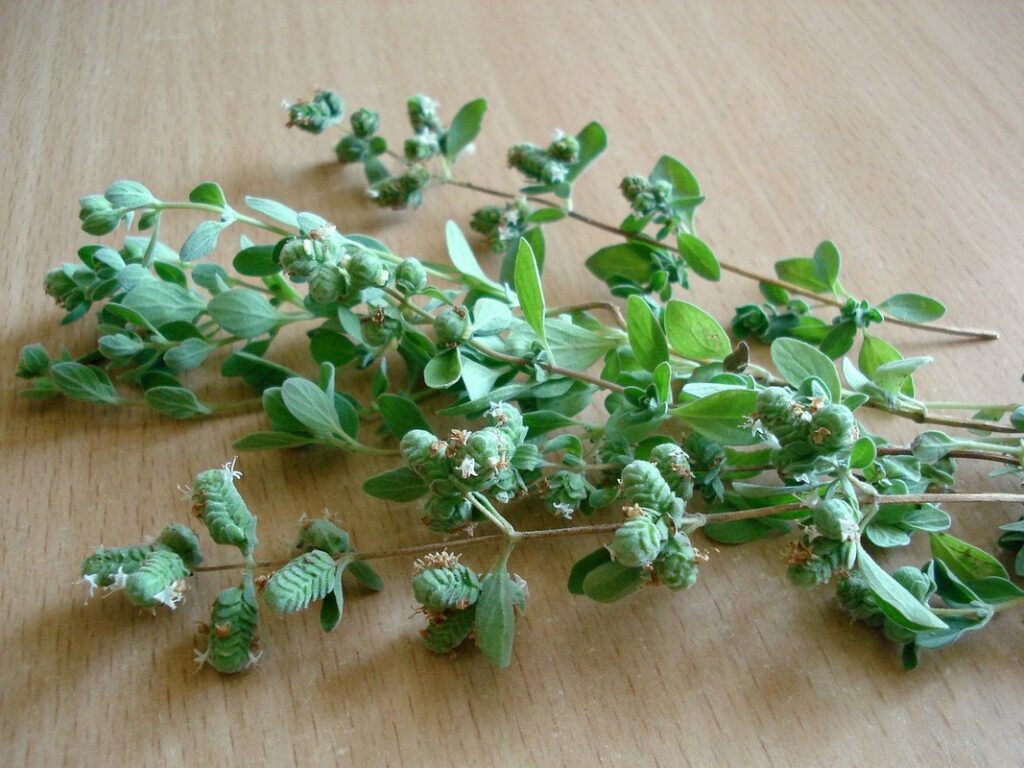
Choosing the Right Conditions
When growing oregano, it’s crucial to provide your plants with the right conditions for optimal growth. This means choosing a location that offers the perfect balance of sunlight and temperature.
Understanding Oregano’s Climate Preferences
When it comes to growing oregano, understanding its climate preferences is crucial for optimal growth. Oregano thrives in temperate climates with mild winters and warm summers. The ideal temperature range for oregano is between 60°F (15°C) and 80°F (27°C), with the perfect spot being around 70°F (21°C).
In terms of humidity, oregano prefers a relatively dry environment, with an average relative humidity of 40-50%. This makes it an excellent choice for gardeners living in areas with low humidity. On the other hand, if you’re growing oregano in a humid climate, make sure to provide adequate air circulation to prevent moisture-related diseases.
Oregano also requires plenty of sunlight, ideally 4-6 hours of direct sunlight per day. This will not only promote healthy growth but also intensify its flavor and aroma. If your climate is particularly harsh or has extreme temperature fluctuations, consider providing protection for your oregano plants during the winter months to ensure their survival and optimal growth in the following seasons.
Keep in mind that different climates can affect oregano growth significantly. For example, in areas with very hot summers, oregano may become more susceptible to heat stress and wilting. Conversely, in cooler climates, it may struggle to grow at all. Be mindful of your local climate conditions and adjust your care accordingly to ensure a thriving oregano crop.
Preparing the Soil for Oregano
When it comes to growing oregano, preparing the soil is just as crucial as choosing the right climate and sunlight. Oregano is a hardy herb that can thrive in poor soil conditions, but its growth will be significantly improved with proper soil preparation.
Ideally, the pH level of your soil should be between 6.0 and 7.0, which is slightly acidic to neutral. If your soil’s pH is too high or too low, it may affect oregano’s nutrient uptake, leading to stunted growth or poor flavor. To check your soil’s pH, you can purchase a DIY kit or send a sample to a lab for analysis.
In terms of nutrient content, oregano requires well-draining soil with adequate calcium and magnesium levels. These essential minerals help promote healthy root development and resistance to disease. If your soil lacks these nutrients, consider adding organic amendments like compost or manure tea. A 1:10 ratio of compost to topsoil is a good starting point.
For example, if you’re using a garden mix with poor drainage, mix in some perlite or sand to improve water penetration and prevent root rot. By taking the time to prepare your soil, you’ll set your oregano plants up for success and enjoy a bountiful harvest of fragrant leaves.
Sowing and Planting Oregano
Sowing and planting oregano requires careful consideration of timing, soil quality, and moisture levels to ensure healthy germination. Let’s dive into the specifics for a successful start!
When to Plant Oregano: Understanding the Seasons
When it comes to planting oregano, timing is everything. As an herb that’s sensitive to frost and heat, you’ll want to plant it at the right moment for optimal growth.
In temperate climates with mild winters, the ideal time to plant oregano is in early spring or fall. These periods offer a gentle transition from cold to warm temperatures, reducing stress on the plant. In regions with harsh winters, wait until late spring when the soil has warmed up and the threat of frost has passed.
In warmer climates with mild winters, you can plant oregano year-round, but be cautious not to expose it to extreme heat. If your region experiences hot summers, consider planting in the cooler months (October to February) to avoid scorching temperatures. When choosing a planting time, also keep an eye on your local frost dates: plant at least 2-3 weeks after the last frost for best results.
Keep in mind that oregano is a cool-season crop and prefers well-draining soil with good air circulation. Plant it in a spot that receives partial shade to full sun, depending on your climate. By planting at the right time and providing the right conditions, you’ll be rewarded with a bountiful harvest of fragrant, flavorful oregano leaves.
How to Sow Oregano Seeds for Maximum Yield
Sowing oregano seeds indoors 4-6 weeks before the last frost date gives you a head start on the growing season. Start by filling small seed trays or pots with a good quality potting mix, and sow one or two seeds about ¼ inch deep. Keep the soil consistently moist but not waterlogged, as this can lead to fungal diseases. Use grow lights if necessary to provide sufficient light.
When sowing directly outdoors, choose a spot with well-draining soil and full sun. Oregano prefers slightly acidic to neutral soil pH (around 6.0-7.0). Space seeds about 12-18 inches apart, as they can spread out quickly. Be mindful of potential pests like aphids and spider mites, which thrive in warm weather. Regularly inspect your plants for signs of infestation and treat promptly if necessary. To minimize the risk of disease, avoid overwatering and ensure good air circulation around the plants.
By following these guidelines, you’ll be well on your way to a healthy and productive oregano crop.
Caring for Your Oregano Plant
Now that you’ve got your oregano plant growing, it’s time to learn how to care for it properly so it continues to thrive and flourish in your garden. Here are some essential tips to get started.
Watering and Fertilizing Tips for a Healthy Plant
When it comes to watering and fertilizing your oregano plant, it’s essential to strike the right balance. Over-watering can lead to root rot, while under-watering will stunt its growth. Start by checking the soil moisture daily, inserting your finger into the soil up to the first knuckle. If the soil feels dry, it’s time to water.
Water your oregano plant when the top 1-2 inches of soil feel dry to the touch. Water thoroughly, making sure excess water drains from the pot. Avoid getting water on the leaves to prevent fungal diseases. A general rule of thumb is to water every 2-3 days during the spring and summer months, less often in winter.
As for fertilizing, oregano plants require a balanced fertilizer with equal N-P-K ratios (nitrogen-phosphorus-potassium). Feed your plant once a month during the growing season. Mix 1 tablespoon of fertilizer into 1 gallon of water and apply it directly to the soil. Be cautious not to over-fertilize, as this can damage the roots.
Some common mistakes to avoid include fertilizing too frequently or using high-nitrogen fertilizers, which promote leaf growth at the expense of flavor. Always read the label and follow instructions carefully to ensure you’re providing your oregano plant with the right nutrients.
Pruning and Propagating Oregano for Continuous Growth
To keep your oregano plants thriving and bushy throughout the growing season, regular pruning is essential. Pruning not only maintains a neat appearance but also promotes healthy growth by encouraging new shoots to develop from the base of the plant.
When it comes to propagating oregano, you have several techniques at your disposal. Air-layering is a popular method that allows for root development before the stem is cut, resulting in a higher success rate. To air-layer an oregano stem, make a small incision about 6-8 inches from the tip of the branch, applying rooting hormone and wrapping the area with damp moss or sphagnum.
Stem cuttings are another effective method for propagating oregano. Choose healthy stems with at least two sets of leaves and trim them just below a node using sharp pruning shears. Dip the cut end in rooting hormone before placing it in well-draining soil, providing adequate light and water to support root development. Division is yet another option, where you carefully separate mature roots from the mother plant, replanting each section with fresh potting mix.
When dividing oregano, gently dig up the entire plant, taking care not to damage any of the roots or stems. Separate the sections by gently teasing apart the roots and pot each new division in a well-draining mixture. Water thoroughly after transplanting and provide suitable growing conditions for optimal growth and establishment.
Common Pests and Diseases Affecting Oregano Plants
When growing oregano, it’s essential to be aware of common pests and diseases that can threaten your plants’ health, from aphids to root rot. Let’s take a closer look at these potential issues.
Identifying and Preventing Infestations
Oregano plants are susceptible to various pests that can cause significant damage if left unchecked. Among the most common culprits are spider mites, mealybugs, and aphids. These tiny insects feed on oregano’s sap, weakening the plant and making it more vulnerable to disease.
Spider mites are particularly fond of warm and dry conditions, often infesting plants during periods of drought or high temperatures. Mealybugs, on the other hand, secrete a sticky substance that attracts ants and promotes fungal growth. Aphids can transmit plant viruses and cause curled or distorted leaves.
To prevent infestations, use neem oil as a preventative measure. Neem oil suffocates pests by clogging their airways, preventing them from reproducing. Introduce beneficial insects like ladybugs or lacewings to your garden, which prey on these pests. Regularly inspect your plants and prune any damaged areas to prevent the infestation from spreading. This proactive approach will help you maintain a healthy oregano crop throughout the growing season.
Recognizing and Treating Fungal Diseases in Oregano
When it comes to growing oregano, one of the most common issues you may encounter is fungal diseases. These can be devastating to your plants if left unchecked, but don’t worry – we’ve got you covered! Fungal diseases like root rot, leaf spot, and powdery mildew are often caused by overwatering, poor drainage, or high humidity.
Identifying the problem can be a challenge, but look for symptoms such as yellowing leaves, black spots on leaves, or white powdery patches on stems. Root rot is characterized by soft, mushy roots that may even start to smell bad. To treat these conditions, you have several options.
For minor cases, try using natural remedies like neem oil or garlic spray to prevent the spread of disease. For more severe infections, use a fungicide specifically designed for herbs. Always follow the product instructions and take necessary precautions to avoid harming yourself or others. Keep in mind that prevention is key: maintain good air circulation, water carefully, and prune regularly to promote healthy growth and minimize the risk of disease.
Harvesting and Preserving Oregano
Now that you’ve grown a bountiful oregano crop, it’s time to harvest and preserve its fragrant leaves for year-round use. Learn how to dry, freeze, and store your oregano correctly.
When to Harvest Oregano for Maximum Flavor and Aroma
When it comes to harvesting oregano, timing is everything. You want to pluck those leaves at just the right moment to capture their maximum flavor and aroma. Here’s what you need to know: the optimal time to harvest oregano is when the leaves are at their peak potency.
For most varieties of oregano, this means harvesting in the morning, after the dew has evaporated but before the heat of the day sets in. Avoid harvesting during the hottest part of the day, as this can cause the leaves to lose some of their essential oils and flavor compounds.
Look for leaves that are a vibrant green color, with no signs of wilting or yellowing. These will be at their most fragrant and flavorful. If you want to preserve the oregano’s pungency, it’s best to harvest individual leaves rather than cutting back the entire stem. This way, you can enjoy the full flavor and aroma of your freshly picked oregano.
Remember, over-harvesting can stress the plant and lead to a decline in production. So be gentle with those delicate stems and only take what you need. With regular harvesting, your oregano plants will continue to thrive and provide you with a steady supply of fresh leaves all season long.
Drying and Storing Oregano for Long-Term Use
Drying oregano is an essential step to preserve its flavor and aroma for long-term use. There are three primary methods: air-drying, oven-drying, and freezing.
Air-drying is the simplest method. Tie a bunch of fresh oregano stems together with twine and hang them upside down in a warm, dry location away from direct sunlight. This method can take up to two weeks, depending on the humidity and temperature. Make sure to check on the herbs regularly to ensure they don’t develop mold or mildew.
Oven-drying is faster, taking only 1-2 hours at its lowest temperature setting (usually around 150°F). Simply spread the oregano leaves in a single layer on a baking sheet and dry until crispy. Keep an eye on them as they can quickly go from perfectly dried to burnt.
Freezing is also a great option for preserving oregano. You can either chop or leave whole the fresh oregano and store it in airtight containers or freezer bags. Frozen oregano retains its flavor and aroma, making it ideal for cooking and baking throughout the year.
When storing dried or frozen oregano, choose airtight containers to keep them fresh. Glass jars with tight-fitting lids are perfect. Store them in a cool, dark place like a pantry or cupboard. The shelf life of dried oregano is about 6-12 months, while frozen oregano can last up to a year.
Frequently Asked Questions
Can I grow oregano indoors if my outdoor climate isn’t suitable?
Yes, you can still enjoy growing oregano even if your outdoor climate is not ideal for it. Indoor conditions with controlled temperature and humidity can be a great alternative. Just make sure to provide enough light for the plants, ideally 4-6 hours of direct sunlight per day or using grow lights.
What are some common pests that target oregano plants?
Some common pests that target oregano plants include aphids, spider mites, and whiteflies. To prevent infestations, maintain a clean growing environment, inspect your plants regularly, and use natural pest control methods whenever possible. For example, introducing beneficial insects like ladybugs or lacewings can help control pest populations.
How often should I water my oregano plant, especially during hot summer months?
Oregano prefers well-draining soil and can be susceptible to overwatering. During hot summer months, reduce watering frequency to once every 7-10 days. Check the soil moisture by inserting your finger into the soil up to the first knuckle; if it feels dry, it’s time for a drink.
Can I grow oregano from cuttings instead of seeds?
Yes, you can propagate oregano through stem cuttings or division. This method is ideal when you want to maintain the same plant characteristics and flavor profile as your parent plant. To take cuttings, choose healthy stems with at least two sets of leaves, trim them just below a node, and root in well-draining soil.
How can I preserve oregano for long-term use if I live in an area with cold winters?
To preserve oregano for long-term use, consider drying or freezing the harvested leaves. Drying allows you to store oregano in airtight containers for up to 6 months, while freezing helps retain its flavor and aroma. Simply tie the stems in small bunches and hang them upside down in a warm, dry place, or use a food dehydrator on low heat.