
If you’re an avid orchid enthusiast, chances are you’ve encountered the frustration of watching your beautiful plants struggle in low-quality potting mixes. Repotting your orchids with the right mix is crucial for their growth and health, but it can be overwhelming to navigate the vast array of options available. With so many factors to consider, from moisture retention to aeration and drainage, choosing the perfect repotting mix for your orchids can feel like a daunting task.
Don’t worry – we’ve got you covered! In this comprehensive guide, we’ll walk you through the process of selecting and creating the ideal orchid repotting mix. We’ll delve into common mistakes to avoid and share expert tips on how to create a custom blend that will ensure your orchids thrive. Whether you’re a seasoned gardener or just starting out with these exotic plants, this article is designed to provide you with everything you need to know about choosing the perfect repotting mix for your orchid’s unique needs.
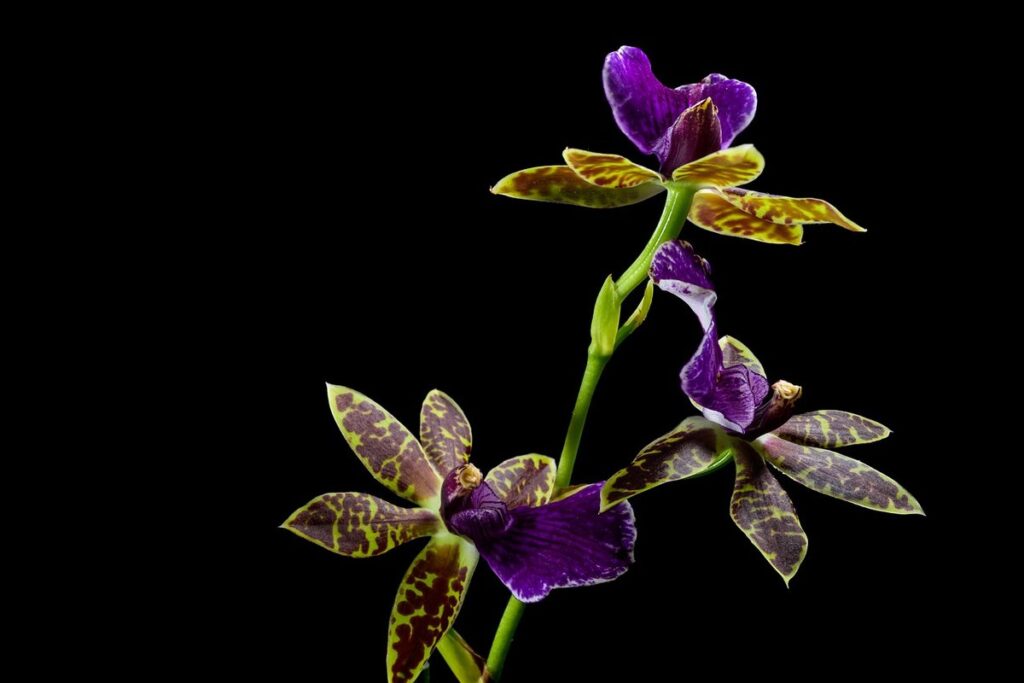
Choosing the Right Orchid Repotting Mix
When it comes to repotting your orchids, selecting the right mix is crucial for their health and growth. In this section, we’ll explore the best options for an ideal potting mix.
Understanding the Importance of a Good Potting Mix
Choosing the right potting mix for your orchids is one of the most critical decisions you’ll make as an orchid grower. A suitable potting mix can mean the difference between a thriving, healthy plant and a struggling one that’s prone to problems like root rot, nutrient deficiencies, and fungal infections. When it comes to orchids, poor soil quality can lead to a range of issues.
A good potting mix should be able to drain excess water quickly while retaining moisture in the roots. This is because orchids are susceptible to root rot if their roots sit in waterlogged conditions for too long. On the other hand, a dry potting mix won’t provide enough nutrients or moisture for your orchid’s growth.
For example, Phalaenopsis orchids prefer a potting mix that’s designed specifically for tropical plants, such as sphagnum moss or fir bark. These mixes retain just the right amount of moisture while allowing excess water to drain freely. By using a high-quality potting mix, you can help your orchid grow strong roots, healthy leaves, and vibrant flowers.
Factors to Consider When Selecting an Orchid Potting Mix
When selecting an orchid potting mix, there are several key factors to consider. First and foremost, think about the pH level of the mix. Orchids prefer a slightly acidic to neutral pH range, typically between 5.5 and 7.0. If the mix is too alkaline or too acidic, it can affect your orchid’s ability to absorb nutrients.
Another crucial consideration is moisture retention. Orchids need consistent moisture levels, but their roots are prone to rot if the mix is too waterlogged. Look for a mix that has excellent drainage properties and can retain some moisture without becoming soggy.
Aeration requirements are also important. Orchids need oxygen to thrive, so it’s essential to choose a potting mix that provides good aeration. This will help prevent root rot and promote healthy growth.
Consider using a mix specifically designed for orchids, as these products typically address all of the above concerns. Some popular options include Miracle-Gro Orchid Potting Mix and Black Kow All Purpose Potting Mix. When in doubt, read reviews or ask fellow orchid enthusiasts for recommendations to find the best potting mix for your needs.
Comparing Different Types of Repotting Mixes
When it comes to choosing the right repotting mix for your orchid, you’re likely overwhelmed by the numerous options available. Three popular types of potting mixes are bark-based, sphagnum moss, and coconut coir mixes. Each has its unique advantages and disadvantages that make them suitable or unsuitable for specific orchid species.
Bark-based mixes are a classic choice among orchid enthusiasts. They provide excellent drainage and aeration, which helps prevent root rot and promotes healthy growth. However, they can be prone to drying out quickly, requiring more frequent watering. If you have orchids like Phalaenopsis or Dendrobium that prefer well-draining mixes, bark-based might be the way to go.
Sphagnum moss mixes, on the other hand, are ideal for tropical orchids that thrive in humid environments. They retain moisture exceptionally well and help maintain a stable pH level. However, they can become waterlogged if not used correctly, which may lead to root rot. Orchid species like Vanda or Cattleya might benefit from sphagnum moss mixes.
Coconut coir mixes have gained popularity in recent years due to their sustainability and eco-friendliness. They offer a good balance between moisture retention and drainage, making them suitable for a wide range of orchid species. However, they may require more frequent repotting as they can compact over time. If you’re looking for an all-purpose mix that’s gentle on roots, coconut coir might be the perfect choice.
It’s essential to consider your specific orchid’s needs and environment when selecting a repotting mix. Experiment with different types and observe how your orchids respond before settling on one.
Preparing Your Orchid for Repotting
Before repotting your orchid, you’ll need to carefully prepare it for its new home by gently washing its roots and removing any old potting mix. This process is crucial for a healthy transfer.
Understanding Orchid Root Systems
When it comes to repotting your orchid, understanding its unique root system is crucial for success. Orchids have a delicate and intricate network of roots that are designed to absorb moisture and nutrients from the air rather than the soil. Unlike other plants, orchid roots don’t grow outward in all directions like a typical root system. Instead, they form a central mass, often referred to as a “crown,” which anchors the plant.
During repotting, it’s essential to handle your orchid’s roots with care. Avoid tugging or pulling on the roots, as this can cause damage and stress to the plant. To gently wash away old potting mix without harming the roots, use lukewarm water to rinse them under a gentle stream of water. You can also use a soft-bristled brush to gently sweep away debris.
When repotting your orchid, it’s essential to inspect the roots for any signs of damage or rot. If you notice any issues, trim the affected areas with sterile scissors to prevent the spread of disease. With proper care and handling, your orchid will thrive in its new potting mix.
Common Mistakes to Avoid During Repotting
When repotting your orchid, it’s easy to make mistakes that can harm the plant. One common error is over-watering the new potting mix. This can cause root rot and other problems, especially if you’re using a mix that retains too much moisture.
Another mistake is under-watering, which can lead to dehydration and stress for your orchid. To avoid this, make sure to water thoroughly after repotting, but then allow the top inch of potting mix to dry out between waterings. This will help prevent waterlogged roots.
It’s also essential to choose a repotting mix that is designed specifically for orchids. Some mixes can be too dense or heavy, causing the plant to become waterlogged. Look for a mix that contains ingredients like sphagnum moss, perlite, and vermiculite, which are designed to provide good drainage while retaining moisture.
To ensure success when repotting your orchid, make sure to inspect the roots carefully before potting and gently wash off any old potting mix. This will help prevent the transfer of pests or diseases to the new pot. By being mindful of these common mistakes and taking the right precautions, you can give your orchid the best chance for healthy growth and blooming.
Mixing Your Own Orchid Repotting Mix
If you’re feeling adventurous, creating your own orchid repotting mix from scratch can be a fun and cost-effective way to provide your plants exactly what they need. This section will walk you through the process step-by-step.
Basic Ingredients for Homemade Repotting Mixes
When it comes to creating a homemade orchid repotting mix, you’ll want to use a combination of ingredients that provide good drainage, aeration, and water retention. Let’s start with the basics.
Bark, specifically fir bark or cypress bark, is a popular ingredient for orchid repotting mixes due to its ability to hold moisture while still allowing for air circulation. Sphagnum moss is another key component, as it helps retain moisture and regulate the mix’s pH levels. However, be aware that sphagnum moss can break down over time, so it may need to be replenished periodically.
Perlite, a lightweight volcanic glass, adds excellent drainage properties to your repotting mix. This is especially important for orchids, which are prone to root rot if the potting medium becomes too wet. Coconut coir, often compared to sphagnum moss in terms of water retention, can also be used as a substitute or in combination with other ingredients.
When mixing your own homemade orchid repotting mix, start by combining 2-3 parts bark or coconut coir with 1 part sphagnum moss. Add perlite or other drainage-enhancing ingredients to taste – typically around 10-20% of the total mix.
Recipe Variations for Different Orchid Species
When it comes to repotting orchids, it’s essential to consider the unique requirements of each species. What works for one type of orchid may not be suitable for another. In this section, we’ll explore recipe variations for different orchid species.
Phalaenopsis and Paphiopedilum orchids prefer a more acidic mix with added perlite or vermiculite to improve drainage. For these species, use a mix with 2-3 parts of peat moss, 1 part of perlite or vermiculite, and 1 part of pine bark.
On the other hand, Cattleya and Miltonia orchids require a more balanced mix with good aeration. Use a mix with 2 parts of sphagnum moss, 1 part of perlite or vermiculite, and 1 part of coconut husk.
Remember to adjust the pH level according to your orchid’s needs. For example, Phalaenopsis prefers a slightly acidic mix (pH 5.5-6.5), while Cattleya likes a more alkaline mix (pH 7.0-8.0). Keep in mind that repotting is not just about the mix; it’s also essential to choose a pot with proper drainage and size for your orchid.
Experimenting with different mixes will help you find what works best for your specific orchids, and don’t forget to monitor their response to the new mix.
Repotting Your Orchid
When it’s time to repot your orchid, choosing the right potting mix is crucial. In this next step, we’ll cover everything you need to know for a successful repotting process.
Step-by-Step Guide to Repotting an Orchid
When it’s time to repot your orchid, it can be a daunting task, especially if you’re new to growing these delicate plants. But don’t worry, with the right guidance and precautions, you’ll have your orchid thriving in its new pot in no time. To begin, choose a well-draining orchid potting mix specifically designed for repotting orchids. Avoid using regular potting soil as it can retain too much water and cause root rot.
Next, prepare your orchid by gently removing it from its old pot. Carefully examine the roots to identify any dead or damaged areas, and trim them with sterile scissors to prevent further damage. If your orchid has a large amount of aerial roots (roots that grow above the soil), you can simply place these on top of the new potting mix, as they’re perfectly adapted to absorb moisture from the air.
Now it’s time to repot your orchid in its new home. Fill the pot with fresh orchid potting mix, leaving enough space for watering and aeration. Gently place the plant into the pot, making sure the rhizome (the thick stem that produces roots) is above the soil level. Water sparingly until the plant has adjusted to its new environment.
When handling delicate roots, it’s essential to be gentle and avoid damaging them further. To prevent water stress, allow your orchid to settle into its new pot for a few days before watering thoroughly. This will give the roots time to adjust and absorb moisture properly.
Post-Repotting Care and Maintenance
After repotting your orchid into a fresh mix, it’s essential to provide proper care and maintenance to ensure it thrives. Watering is critical during this period, as the roots need time to establish themselves in the new medium. Start by watering your orchid 2-3 days after repotting, making sure not to overwater. A good rule of thumb is to water when the top inch of potting mix feels dry to the touch.
Fertilization is also crucial during this phase. You can start fertilizing your orchid 1-2 weeks after repotting with a balanced, water-soluble fertilizer (20-20-20). Dilute the fertilizer to half the recommended strength and apply it once a month. This will help promote healthy growth and root development.
Pruning is another aspect of post-repotting care. Remove any dead or damaged roots and stems, as these can attract pests and cause decay. Cut back overgrown flowers and leaves, but avoid pruning too much at once, as this can shock the plant. With proper care, your orchid should adjust to its new potting mix within a few weeks and continue to bloom and thrive.
Common Issues After Repotting
After repotting your orchid, you might encounter some unexpected issues that can be frustrating and affect your plant’s health. Let’s discuss some common problems to look out for in this critical post-repotting period.
Addressing Root Rot and Other Problems
After repotting your orchid, you may notice that it’s not doing as well as expected. One common issue is root rot, which can be a major problem for orchids if left unchecked. This usually occurs when the potting mix stays too moist for an extended period, allowing fungal growth to take hold.
Root rot can be caused by over-watering, especially if you’re using a potting mix that retains too much moisture. To prevent this, make sure your repotting mix is well-draining and allows excess water to escape quickly. You can also check the moisture level of the potting mix by sticking your finger into it up to the first knuckle. If it feels wet, wait a few more days before watering.
Another issue that may arise after repotting is under-watering. This can happen if you’re using a potting mix that dries out too quickly or if you forget to water your orchid regularly. To avoid this, make sure to water your orchid when the top inch of the potting mix feels dry.
To address these issues, inspect your orchid’s roots closely and trim away any rotting or dead roots with sterile scissors. Then, repot your orchid in a fresh potting mix that provides good drainage and air circulation. By taking these steps, you can get your orchid back on track and prevent further problems from arising.
Troubleshooting Tips for Specific Orchid Species
When repotting orchids, it’s essential to consider the specific needs of each species. Some popular varieties may require special care after a potting mix change. Phalaenopsis orchids, for instance, are prone to overwatering due to their love for moisture-rich environments. To avoid root rot, ensure excess water is allowed to drain thoroughly from the pot.
On the other hand, Dendrobium orchids thrive in well-draining mixes but may experience reduced humidity tolerance after repotting. To mitigate this issue, gently spray the plant’s leaves and roots with a fine mist of water daily until it adjusts to its new environment.
For Cattleya orchids, their thick roots can be sensitive to sudden changes in potting mix composition. Gradually transition your plant from an old mix to a new one by repotting into a smaller container filled with the new mix and then transplanting it again after 2-3 months. This helps prevent root shock.
To troubleshoot issues specific to your orchid species, observe its growth patterns post-repotting closely. Address problems promptly to ensure a successful recovery and prevent long-term damage to the plant.
Frequently Asked Questions
How often should I repot my orchids, even if using a high-quality mix?
Repotting frequency depends on the orchid species and its growth rate. As a general rule, repot your orchids every 1-3 years to maintain optimal health and growth. Monitor your plants’ response to repotting and adjust the frequency accordingly.
Can I use regular potting soil for my orchids, or does it always need a special mix?
Regular potting soil is not suitable for orchids as it can retain too much water and cause root rot. Orchid-specific mixes are designed to provide better aeration, drainage, and moisture retention tailored to the unique needs of these plants.
What’s the best way to store leftover repotting mix for future use?
To maintain the quality and effectiveness of your homemade or purchased repotting mix, store it in an airtight container in a cool, dry place. Avoid exposing it to direct sunlight, moisture, or extreme temperatures that can compromise its performance.
How do I know if my orchid needs more or less moisture after repotting?
Monitor your orchid’s response to repotting by checking the potting mix’s moisture levels and observing your plant’s behavior. If the mix is too wet, adjust the watering schedule; conversely, dryness may require increased humidity.
Can I use perlite in a homemade repotting mix if I’m not using an orchid bark component?
Perlite can be used as a standalone additive for improved drainage and aeration. However, when combined with other ingredients like sphagnum moss or coconut coir, it enhances the overall performance of your custom blend.