
Have you ever stopped to think about the origin of your favorite bouquet, or wondered how orange roses came to be? These vibrant flowers have captured our hearts with their unique hue and romantic connotations. But did you know that their story is far from simple? From early beginnings as hybridized creations to modern-day varieties, the journey of orange roses is a fascinating tale of innovation and passion. As we delve into the history behind these beautiful blooms, we’ll explore how David Austin’s contributions revolutionized the world of roses, as well as their symbolism and cultural significance. Whether you’re a seasoned gardener or simply a rose enthusiast, this article will take you on a journey to discover the true story behind orange roses.
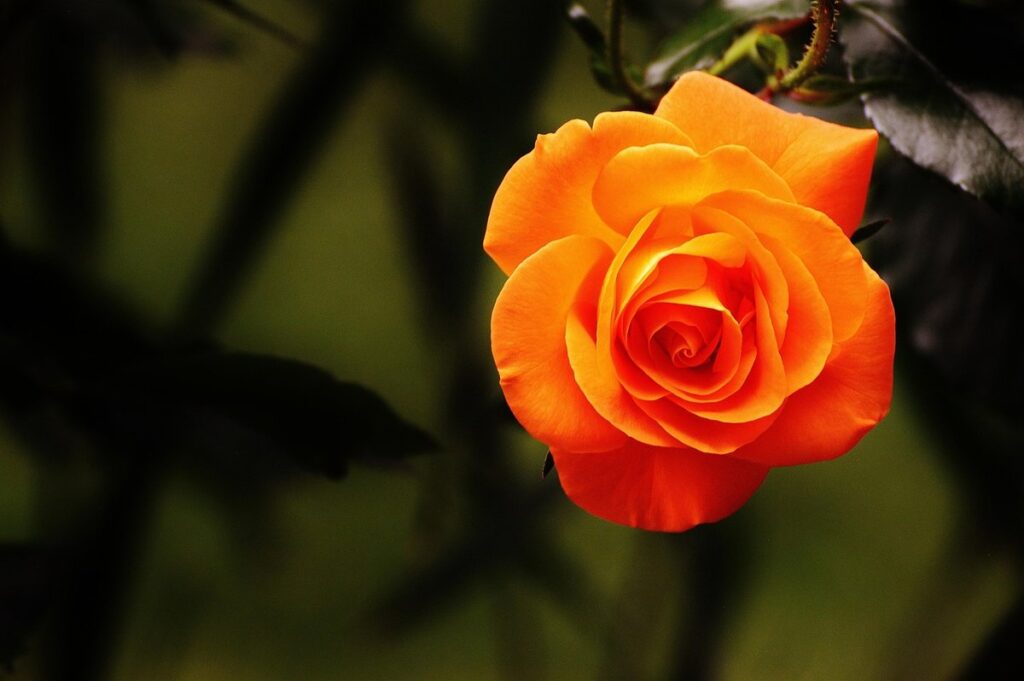
The Early Beginnings of Orange Roses
As we delve into the fascinating history of orange roses, let’s start by exploring their humble beginnings, which date back centuries to ancient China and the Middle East.
Hybridization and Genetics
As rose breeders embarked on their mission to create new, vibrant varieties, they turned to hybridization and genetics to introduce exciting colors and traits into existing species. This process involved selecting parent roses with desirable characteristics and allowing them to pollinate naturally or through artificial means.
The key to successful hybridization lies in understanding the genetic makeup of the parent roses. By analyzing their DNA, breeders can predict how certain traits will combine and manifest in offspring. For instance, a rose with a high concentration of anthocyanin, the pigment responsible for red coloration, might be paired with a yellow rose to produce an orange variety.
Through this careful selection and cross-pollination, breeders like David Austin have been able to introduce orange roses into their collections. His ‘Graham Thomas’ rose, for example, boasts vibrant yellow petals with subtle hints of orange. By experimenting with different combinations of genetic traits, today’s hybridizers continue to push the boundaries of what is possible in the world of roses.
18th-Century European Developments
During the 18th century, European horticulture underwent significant transformations that laid the groundwork for the creation of orange roses. One key innovation was the development of grafting techniques, which allowed rose breeders to fuse different plant species together, creating new and exotic varieties. This led to a surge in experimentation with previously unknown combinations of colors and fragrances.
As European gardeners continued to push the boundaries of rose cultivation, they also began to explore new methods for producing vibrant flower colors. The discovery of aluminum salts and other chemical treatments enabled breeders to artificially enhance the color palette of roses, paving the way for the development of orange-toned varieties.
Meanwhile, the scientific community made significant strides in understanding plant genetics and evolution. This knowledge was applied to rose breeding programs, allowing experts to more effectively predict and control the outcomes of their experiments. As a result, new rose species began to emerge, including some with striking orange hues that would eventually influence the development of modern orange roses.
The Role of David Austin in Orange Rose Development
David Austin, a renowned English rose breeder, played a pivotal role in developing orange roses by experimenting with unique combinations of scents and colors. His work significantly contributed to the modern range of orange roses available today.
A Brief Biography of David Austin
David Austin is a name synonymous with rose breeding excellence. Born in 1926 in Shropshire, England, David’s passion for roses began at an early age, when he would spend hours helping his mother in the garden. As he grew older, this interest blossomed into a lifelong dedication to cultivating and developing new, unique rose varieties.
David Austin’s journey as a rosarian is a testament to the power of perseverance and innovation. After serving in the Royal Navy during World War II, David took up horticulture, eventually establishing his own nursery, Shropshire Roses. It was here that he began experimenting with cross-pollination techniques, seeking to create roses that embodied the old-world charm and fragrance of 19th-century English roses.
The result of David Austin’s tireless efforts is a legacy of more than 230 registered rose varieties, many of which have become beloved by gardeners worldwide. His commitment to preserving the natural beauty and scent of traditional roses has earned him numerous awards and accolades within the horticultural community.
Notable Orange Rose Varieties from David Austin’s Collection
If you’re looking to add some vibrant color to your garden, David Austin’s orange rose collection is an excellent place to start. With their unique blend of old-world charm and modern vigor, these roses are sure to captivate even the most discerning horticulturist.
One standout variety from this collection is ‘Graham Thomas’, a fragrant and repeat-flowering rose that blooms with golden-yellow petals and an orange hue at the center. This rose is perfect for cottage gardens or as a cut flower, thanks to its robust growth habit and ability to produce multiple blooms throughout the season.
Another notable variety is ‘Gertrude Jekyll’, which boasts deep orange-red flowers with a delicate scent. This English rose has a slightly more compact growth habit, making it ideal for smaller gardens or containers. For those looking to add some drama to their garden design, consider pairing ‘Graham Thomas’ and ‘Gertrude Jekyll’ in a striking combination.
When incorporating these roses into your garden, keep in mind that they prefer well-draining soil and full sun to produce optimal blooms. With proper care and attention, you can enjoy the beauty of David Austin’s orange rose varieties all season long.
The Significance of Orange Roses in History and Culture
Orange roses have been a symbol of passion, creativity, and respect for centuries, carrying significant meanings across various cultures and historical periods. Let’s explore their fascinating history and cultural significance together.
Symbolism and Meanings Behind Orange Roses
Orange roses have long been imbued with symbolic meanings that transcend their beauty. Throughout history, these vibrant flowers have been used to convey passion, desire, and fascination in art, literature, and romance.
In the 19th century, orange roses were a popular motif in Pre-Raphaelite art, representing the intense emotions and desires of the human heart. Authors like Shakespeare and Byron also wove orange roses into their works, often symbolizing love that’s both fierce and all-consuming.
In modern times, orange roses are still used to express deep passion and longing. They’re a popular choice for anniversaries, dates, and romantic getaways, signaling to the recipient that the giver is smitten. If you want to convey this message, consider pairing orange roses with chocolates or a heartfelt letter – the key is to be sincere and thoughtful in your gesture.
When it comes to using orange roses symbolically, remember that their meaning can shift depending on the context and relationship. For instance, while they often represent love at first sight, they can also signify a deepening of emotions over time.
Famous Literature and Art Featuring Orange Roses
Orange roses have been a timeless inspiration for many famous works of literature and art throughout history. One notable example is William Shakespeare’s “The Phoenix and the Turtle,” which features an orange rose as a symbol of eternal love. In this poem, Shakespeare uses the orange rose to represent the beauty and passion that endures even in death.
In literature, orange roses have also been prominently featured in novels such as Victor Hugo’s “Les Misérables” and Leo Tolstoy’s “Anna Karenina.” These works showcase the rose as a symbol of love, passion, and sacrifice. For instance, in “Les Misérables,” the orange rose is used to represent Éponine’s unrequited love for Marius.
Artistically, orange roses have been depicted by renowned painters such as Claude Monet and Vincent van Gogh. Monet’s painting “The Garden at Sainte-Adresse” features a vase of fresh flowers, including an orange rose, against a backdrop of a serene garden. Van Gogh’s “Vase with Red Gladioli and Roses” showcases the vibrant colors and beauty of orange roses in a still-life composition.
These examples demonstrate the enduring impact of orange roses on culture and art, highlighting their significance as a symbol of love, passion, and beauty.
Modern-Day Orange Rose Varieties and Growing Conditions
You’re curious about how modern orange rose varieties have adapted to different growing conditions, right? Let’s dive into some of the fascinating options now available.
Contemporary Breeding Programs and Techniques
In recent years, advancements in rose breeding have led to the development of new and exciting orange rose varieties. Modern-day breeders are harnessing the power of technology to create roses that not only thrive in various climates but also possess unique characteristics that cater to different tastes and preferences.
Advanced techniques such as embryo culture, tissue culture, and genetic modification have become essential tools in modern rose breeding programs. These methods enable breeders to select for desirable traits more efficiently, resulting in a wider range of colors, including vibrant oranges. For instance, the introduction of the ‘Cafeole’ series has provided gardeners with an array of orange roses that are not only stunning but also resistant to common diseases.
The use of genetic modification has also opened up new possibilities for rose breeding. By introducing desirable traits from wild rose species or other plants, breeders can create unique and exciting varieties that were previously unimaginable. This has led to the development of roses with improved disease resistance, increased cold hardiness, and enhanced fragrance, making them perfect for growers who want to push the boundaries of what’s possible in their gardens.
Essential Growing Tips for Orange Roses
Cultivating orange roses requires attention to specific growing conditions and regular maintenance. To start, choose a location with full sun to partial shade and well-draining soil that’s rich in organic matter. Orange roses prefer a slightly acidic to neutral soil pH between 6.0 and 7.0.
When planting, space the bushes at least 3-4 feet apart to allow for proper air circulation. Water them regularly, but avoid overwatering, which can lead to root rot and other issues. During the growing season, feed your orange roses with a balanced fertilizer once a month to promote healthy growth.
Pruning is crucial for maintaining the shape and promoting blooming. Remove dead or damaged branches in late winter or early spring, cutting them back to about 12-18 inches from the ground. After blooming, trim back the canes by one-third to encourage new growth. Regularly inspect your plants for pests like aphids, whiteflies, and spider mites, using neem oil or insecticidal soap as needed to prevent infestations.
By following these tips, you’ll be able to successfully cultivate vibrant orange roses in your garden.
Cultural and Seasonal Associations with Orange Roses
Orange roses have long been associated with various cultural and seasonal traditions, carrying symbolic meanings that vary depending on the time of year and context in which they’re given. Let’s explore these unique connections.
Celebrations and Traditions Involving Orange Roses
Orange roses have been a beloved symbol in various cultural and seasonal celebrations around the world. In Japanese culture, orange roses are often given as a gesture of gratitude and appreciation, especially during the Cherry Blossom Festival. The vibrant color of these flowers represents the fleeting nature of life and the beauty of new beginnings.
In Mexico, orange roses are a staple at Dia de los Muertos (Day of the Dead) celebrations, where they’re used to adorn altars in honor of loved ones who have passed away. These flowers serve as a poignant reminder of the love and legacy that remains even after death.
During Thanksgiving in the United States, orange roses are often used as centerpieces or incorporated into bouquets to represent warmth, gratitude, and friendship. They add a pop of color and energy to the traditional autumnal decor, making them a popular choice for this festive occasion.
When incorporating orange roses into your celebrations, consider pairing them with other seasonal flowers, like sunflowers or dahlias, to create a stunning arrangement that reflects the beauty of the season.
Seasonal Availability and Selection Tips for Orange Roses
When shopping for orange roses during different seasons, it’s essential to consider their availability and select healthy specimens. During the spring season (March to May), you can find a wide variety of orange rose varieties, including some gorgeous hybrid tea and floribunda options. When selecting, look for blooms with vibrant color intensity and no signs of wilting or black spots.
Summer months (June to August) bring warmer temperatures, making it an ideal time to plant new orange roses in your garden. Choose a location with full sun and well-draining soil to ensure the healthiest growth. Water regularly, but avoid overwatering, which can lead to root rot.
As autumn arrives (September to November), you’ll find fewer options for fresh-cut orange roses, but many nurseries offer fall-blooming varieties that thrive in cooler temperatures. Prune your existing orange rose bushes after they finish blooming to encourage new growth and prevent disease.
During the winter months (December to February), many florists and online retailers import high-quality orange roses from warmer climates. When selecting store-bought roses, check for freshness by gently bending a petal – if it snaps back into place easily, it’s likely healthy.
Conclusion: The Enduring Legacy of Orange Roses
As we come full circle, let’s reflect on how orange roses have left an indelible mark on the world of floristry and beyond. Their enduring legacy continues to captivate our hearts.
Recap of the Origin Story and Impact
As we conclude our journey through the origin and history of orange roses, it’s essential to recap the key events, people, and innovations that have shaped this iconic flower. From its early beginnings as a rare and sought-after variety to its current status as a symbol of passion and desire, the orange rose has come a long way.
We’ve seen how the introduction of new breeding techniques in the 19th century revolutionized the creation of hybrid tea roses, paving the way for the development of vibrant orange hues. The pioneering work of rose breeders like David Austin, who introduced his first English rose in 1969, further expanded our palette of colors.
The impact of these innovations can be seen not only in the stunning varieties we have today but also in their emotional resonance with consumers. Orange roses are often chosen for their intense, passionate connotation, making them a popular choice for expressing deep feelings and emotions. Whether used as a symbol of love or admiration, the orange rose has proven its enduring power to evoke strong emotions and create lasting memories.
Final Thoughts and Reflections
As we conclude our journey through the origin and history of orange roses, it’s essential to acknowledge the profound impact these majestic flowers have on our lives. Beyond their breathtaking beauty, orange roses symbolize passion, energy, and creativity – qualities that inspire us to live life to the fullest.
Reflect on how you can incorporate orange roses into your daily routine. Perhaps you’d like to gift them to a loved one or use them as a centerpiece for a special occasion. Whatever the reason, remember that the significance of these flowers lies not only in their vibrant hue but also in the emotions they evoke.
As you admire an orange rose’s intricate details, remember its journey from delicate bud to stunning bloom. This transformation serves as a reminder of life’s own cycles – growth, change, and ultimately, beauty. By embracing this understanding, we can cultivate a deeper appreciation for the world around us and find inspiration in the simple yet profound presence of orange roses.
By weaving these flowers into your experiences, you’ll discover their transformative power to evoke feelings of joy, gratitude, and connection.
Frequently Asked Questions
How Do I Get Started with Growing My Own Orange Roses?
Growing your own orange roses requires careful selection of the right variety, suitable climate, and proper care. Research David Austin’s collection for specific growing conditions and ensure you can provide the necessary sunlight, water, and soil for optimal growth.
Are There Any Specific Challenges in Hybridizing New Orange Rose Varieties?
Yes. Successful hybridization involves understanding the genetic makeup of parent roses and predicting how certain traits will combine. Breeders also need to consider factors like disease resistance, fragrance, and pest tolerance when creating new varieties.
Can I Use Orange Roses for Symbolic or Cultural Significance Beyond Their Beauty?
Absolutely! Orange roses have deep symbolic meanings in various cultures. They can represent passion, love, and excitement in Western traditions, while signifying appreciation and gratitude in Asian cultures. Choose the right occasion to give orange roses and pair them with a thoughtful message.
What Role Do Modern Breeding Programs Play in Shaping the Future of Orange Roses?
Modern breeding programs incorporate advanced techniques like genetic testing and marker-assisted selection to create new varieties with desirable traits. This ensures a steady supply of high-quality, disease-resistant, and fragrant orange roses for both commercial growers and enthusiasts.
How Can I Preserve My Orange Roses to Enjoy Them Year-Round?
Preserve your favorite orange rose blooms by air-drying or pressing them. You can also use silica gel or floral spray to help maintain their shape and color. Store the preserved flowers in an airtight container, away from direct sunlight, to enjoy for years to come.