
Are you ready to unlock the secret to vibrant health? Orange and yellow vegetables are more than just colorful additions to your plate – they’re a powerhouse of nutrition that can boost your immune system, reduce inflammation, and leave you glowing with vitality. From carrots to sweet potatoes, bell peppers to squash, these superfoods are packed with vitamins A and C, potassium, and fiber, making them the perfect addition to any diet. In this comprehensive guide, we’ll take a closer look at the incredible health benefits of orange and yellow vegetables and share practical tips on how to incorporate them into your meals. Whether you’re looking to upgrade your snack game or transform your cooking routine, get ready to discover the amazing potential of these nutrient-dense veggies!
The Benefits of Eating Orange and Yellow Vegetables
Now that we’ve explored the delicious options, let’s dive into the incredible benefits you can expect from incorporating orange and yellow vegetables into your diet regularly. These veggies are nutritional powerhouses!
Boosting Vitamin A Levels
Vitamin A is one of the most essential nutrients our bodies need to function properly. Not only does it play a critical role in maintaining healthy vision and immune function, but it’s also vital for skin health, helping to repair damaged skin cells and reduce the appearance of fine lines and wrinkles.
Orange and yellow vegetables are packed with vitamin A, making them an excellent addition to your diet. Carrots, sweet potatoes, and bell peppers are some of the richest sources of this nutrient. In fact, one medium-sized carrot provides over 200% of the daily recommended intake of vitamin A!
To boost your vitamin A levels through orange and yellow vegetables, try incorporating a few servings into your meals each week. For example, roast a sweet potato as a side dish or add sliced bell peppers to your stir-fry. You can also make a delicious and healthy soup by blending cooked carrots with some chicken broth and cream.
Remember, cooking methods can affect the nutrient retention of these vegetables, so try steaming or roasting instead of boiling to maximize their vitamin A content.
Supporting Eye Health
When it comes to maintaining healthy vision, orange and yellow vegetables play a crucial role. These vibrant veggies are rich in essential nutrients that support eye health and prevent age-related macular degeneration (AMD). Lutein and zeaxanthin, two powerful carotenoids found in high quantities in orange and yellow vegetables like carrots, sweet potatoes, and bell peppers, act as natural antioxidants that shield the eyes from damage.
In fact, studies have shown that consuming lutein-rich foods can reduce the risk of AMD by up to 36% (1). This is because lutein helps protect the macula, the part of the retina responsible for central vision, from oxidative stress and inflammation. To reap the benefits, aim to eat at least 10-15 milligrams of lutein per day, which can be achieved by consuming one cup of cooked spinach or two medium-sized carrots.
In addition to carotenoids, orange and yellow vegetables are also rich in vitamin A, which is essential for maintaining healthy corneas and preventing night blindness. So, make sure to include a variety of these colorful veggies in your diet to support eye health and keep your vision sharp for years to come!
Reducing Inflammation
When you think of inflammation, you probably associate it with redness and swelling. But chronic inflammation is a silent threat lurking beneath the surface, contributing to diseases like arthritis. The good news is that certain orange and yellow vegetables have potent anti-inflammatory properties that can help alleviate symptoms.
Carrots, for instance, are rich in beta-carotene, which converts into vitamin A in our body. Vitamin A has been shown to reduce inflammation by inhibiting the production of pro-inflammatory enzymes. Sweet potatoes are another excellent source of anti-inflammatory compounds like anthocyanins and carotenoids. These antioxidants neutralize free radicals that can trigger inflammation.
To incorporate these anti-inflammatory powerhouses into your diet, try roasting carrots with olive oil and herbs for a flavorful side dish. You can also add steamed sweet potatoes to your meals or blend them into smoothies. By eating a variety of orange and yellow vegetables, you’ll be supplying your body with the necessary tools to fight chronic inflammation and promote overall well-being. Aim for 5 servings of these colorful veggies per week to reap their anti-inflammatory benefits.
Top Orange and Yellow Vegetables to Incorporate into Your Diet
Let’s dive into the top orange and yellow vegetables that will add a burst of flavor and nutrients to your meals, from sweet carrots to vibrant bell peppers.
Sweet Potatoes: A Nutrient-Dense Superfood
Sweet potatoes are often overlooked as a superfood, but they truly deserve their place in the spotlight. With their vibrant orange color, sweet and slightly nutty flavor, it’s no wonder why they’re a staple in many cuisines around the world.
Let’s start with the impressive fiber content of sweet potatoes – one medium-sized sweet potato provides a whopping 4 grams of dietary fiber! This can help regulate digestion, promote satiety, and support healthy blood sugar levels. But that’s not all – sweet potatoes are also an excellent source of antioxidants, including beta-carotene and other carotenoids. These powerful compounds have been shown to reduce inflammation, protect against cell damage, and even lower the risk of certain cancers.
To get the most nutritional benefits from sweet potatoes, be sure to cook them in a way that preserves their nutrient-dense properties. Steaming or baking is a great option – this will help retain those all-important fiber and antioxidant levels. Try adding roasted sweet potato to your favorite salads or using it as a topping for oatmeal or yogurt parfaits. With its impressive nutritional profile and versatility in the kitchen, sweet potatoes are an easy addition to make to your plate!
Carrots: The Ultimate Snack for Healthy Vision
When it comes to maintaining healthy vision and preventing eye strain, carrots are often touted as the ultimate snack. And for good reason – they’re a rich source of vitamin A and beta-carotene, two essential nutrients that work together to keep our peepers in top condition.
You see, vitamin A is like a superhero for your eyes, protecting them from damage and supporting night vision. It also helps maintain the health of the cornea, the clear layer on the front of the eye. And beta-carotene, an antioxidant found in carrots, has been shown to reduce the risk of age-related macular degeneration (AMD) by up to 35%. That’s a pretty compelling reason to crunch into some crunchy carrots!
So, how can you get more vitamin A and beta-carotene-rich carrots into your diet? Try snacking on baby carrots with hummus or guacamole for a tasty and healthy treat. You can also add diced carrots to salads, stews, and soups for an extra boost of nutrition. And don’t forget to cook them – cooking breaks down the cell walls, making it easier for our bodies to absorb those all-important nutrients!
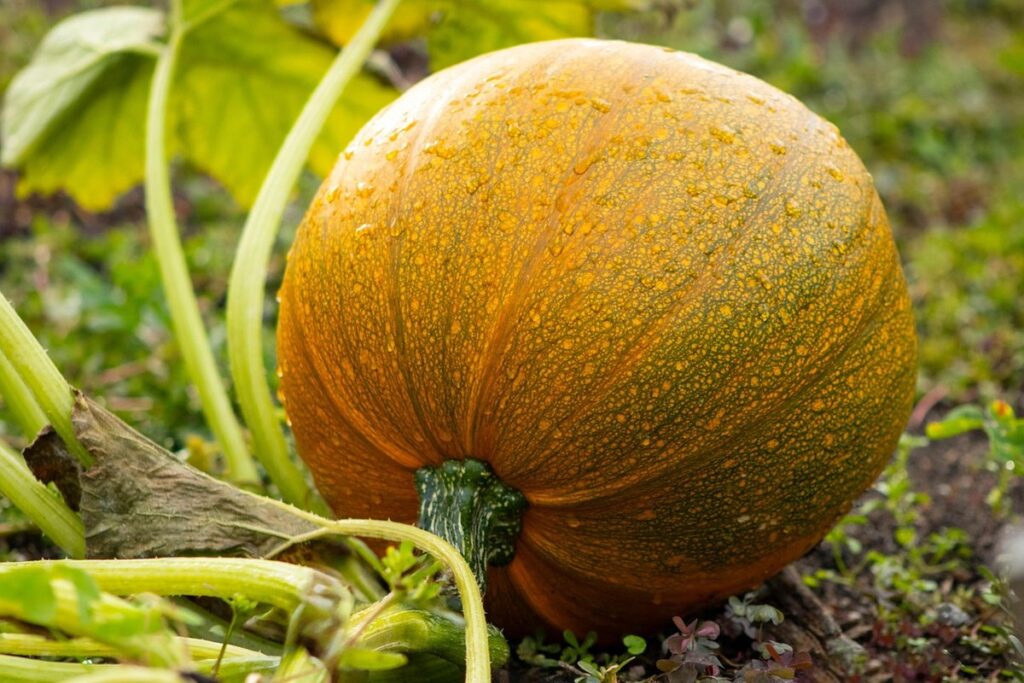
Pumpkin and Squash: Hearty Winter Vegetables
When it comes to winter vegetables, pumpkin and squash are two of the most nutritious and versatile options available. Not only do they add a pop of color to your plate, but they’re also packed with essential vitamins and minerals that can have a significant impact on our health.
One of the key benefits of incorporating pumpkin and squash into your diet is their high levels of vitamins A and C. Vitamin A is crucial for maintaining healthy vision, immune function, and skin health, while vitamin C plays a vital role in boosting collagen production, iron absorption, and fighting off infections. In fact, just one cup of cooked butternut squash contains over 100% of the recommended daily intake of vitamin A!
In addition to their impressive nutrient profile, pumpkin and squash have also been shown to have anti-inflammatory properties. This is particularly important during the winter months when our immune systems tend to be weaker due to the change in seasons. By including more pumpkin and squash in your diet, you may find that your energy levels increase and your overall sense of well-being improves.
To make the most of these nutritional powerhouses, try roasting them with olive oil, salt, and pepper for a delicious side dish. You can also add cooked pumpkin or squash to soups, stews, and casseroles for an extra boost of flavor and nutrition. With their rich, comforting flavors and impressive health benefits, it’s no wonder that pumpkin and squash are two of the top orange and yellow vegetables to incorporate into your diet this winter.
Cooking Methods to Unlock the Full Potential of Orange and Yellow Vegetables
When it comes to cooking with orange and yellow vegetables, exploring different methods can elevate their natural sweetness and depth of flavor. In this next section, we’ll explore the best ways to cook them.
Roasting for Maximum Flavor
Roasting brings out the best in orange and yellow vegetables, unlocking their natural sweetness and depth of flavor. Caramelization is a key process that occurs during roasting, where sugars on the surface of the vegetables break down and create a rich, dark color and intense flavor. This process not only enhances the taste but also increases the nutritional value of the vegetables.
To maximize caramelization, it’s essential to roast at high temperatures, around 425-450°F (220-230°C). This allows for quick browning on the outside while keeping the inside tender. Make sure to toss or stir the vegetables halfway through the roasting time to ensure even cooking.
Some of the most popular orange and yellow vegetables that benefit from roasting include carrots, sweet potatoes, Brussels sprouts, and butternut squash. By following a simple recipe with olive oil, salt, and pepper, you can elevate these vegetables into a culinary masterpiece. For example, try tossing sliced carrots with a drizzle of honey and thyme for a delightful side dish.
By incorporating roasting into your cooking routine, you’ll not only add flavor but also retain more nutrients in the vegetables. So go ahead, give roasting a try, and discover the incredible potential of orange and yellow vegetables!
Grilling for a Smoky Twist
When it comes to grilling orange and yellow vegetables, you can expect a smoky twist that elevates their natural flavors. This cooking method is particularly beneficial for retaining nutrients since heat doesn’t leach as much water-soluble vitamins from the vegetables compared to boiling or steaming.
One of the advantages of grilling these veggies is that it adds texture to dishes. The slight char and caramelization create a delightful contrast in texture, making each bite more engaging. Try grilling sliced bell peppers until they develop those signature black spots – their sweetness and crunch will be amplified.
To grill orange and yellow vegetables effectively, make sure your grill is preheated to medium-high heat. Brush the veggies with olive oil to prevent sticking. Cook for 3-5 minutes per side or until they show visible signs of charring. Keep an eye on them to avoid burning. You can also add aromatics like garlic, herbs, and lemon juice to create a marinade that infuses flavor into the vegetables while they grill.
Grilled vegetables can be served as is or used in various dishes, such as salads, wraps, and pasta sauces.
Steaming for a Light and Refreshing Option
Steaming is an excellent way to prepare orange and yellow vegetables without sacrificing their delicate flavors and textures. This method of cooking preserves the nutrients and color of these vibrant veggies, making them a great choice for health-conscious cooks.
One of the primary benefits of steaming orange and yellow vegetables is its ease of preparation. Simply place your chosen vegetables in a steamer basket, set it over boiling water, and wait for 5-10 minutes, depending on their thickness and desired level of doneness. This hands-off approach allows you to multitask while cooking, making it perfect for busy home cooks.
In addition to its convenience, steaming also offers potential health benefits. Steaming can help retain up to 90% of the vegetables’ nutrients, including vitamin C and beta-carotene, which are commonly found in orange and yellow varieties like carrots, sweet potatoes, and butternut squash. By incorporating steamed orange and yellow veggies into your diet, you’ll be nourishing your body with essential vitamins and antioxidants.
To get started with steaming, remember to use a gentle heat and monitor the vegetables’ texture for optimal results. Over-steaming can lead to mushy or unpleasantly soft textures, so keep an eye on your timer!
Orange and Yellow Vegetables in Seasonal Recipes
As we continue exploring the vibrant world of orange and yellow vegetables, let’s dive into seasonal recipes that showcase their unique flavors. Get ready to add some color to your plate!
Hearty Winter Stews
When it comes to hearty winter stews, orange and yellow vegetables like sweet potatoes and carrots are a perfect addition. Not only do they add natural sweetness and depth of flavor, but they’re also packed with nutrients that will keep you warm and cozy on chilly days.
One of the best things about using sweet potatoes in your stew is their versatility. You can use them as the base for your stew, or puree them to add a creamy texture. For example, try making a Moroccan-inspired chicken and sweet potato stew by sautéing onions and garlic, then adding diced sweet potatoes, chickpeas, and your favorite spices.
Carrots are another great addition to winter stews. They’re easy to cook down until tender, and they pair well with a variety of ingredients like beef, lamb, or even tofu. To get the most out of your carrots, be sure to chop them into uniform pieces so they cook evenly. You can also add some grated ginger for an extra boost of flavor.
When combining sweet potatoes and carrots in one stew, consider making a big pot of Irish-inspired potato and carrot stew. Simply sauté onions and garlic, then add diced potatoes and carrots, beef broth, and your favorite herbs. Let it simmer until the vegetables are tender, then serve with crusty bread for a comforting meal that’s sure to become a family favorite.
Summer Salads Featuring Fresh Corn and Peppers
Summer is here, and so are the vibrant flavors of fresh corn, peppers, and other orange and yellow vegetables! What better way to enjoy these seasonal delights than in a refreshing summer salad? Not only do these salads showcase the natural sweetness of corn and peppers, but they’re also packed with nutrients and antioxidants.
When building your summer salad featuring fresh corn, start by choosing heirloom or bi-colored corn for added depth of flavor. Grill or roast the corn to bring out its natural sugars and pair it with crunchy bell peppers, either red, yellow, or orange, depending on your preference. Add some crumbled feta cheese and a sprinkle of fresh herbs like parsley or cilantro for a burst of freshness.
Consider experimenting with different types of peppers, such as sweet mini bell peppers or spicy Anaheim peppers, to add varying levels of heat and flavor. A simple vinaigrette made from olive oil, lemon juice, and Dijon mustard will tie the entire salad together. For a more substantial meal, toss in some cooked quinoa or grilled chicken for added protein and texture. With these easy tips, you’ll be enjoying the perfect summer salad featuring fresh corn and peppers in no time!
Autumn Soups with Pumpkin and Squash
As we transition into autumn, there’s no better way to warm up on a chilly day than with a hearty bowl of pumpkin and squash soup. These versatile vegetables are at their peak flavor during this season, and incorporating them into soups is an excellent way to reap the benefits of their nutrients.
Pumpkins and squashes are rich in vitamins A and C, potassium, and fiber – making them an ideal addition to a healthy diet. One cup of cooked pumpkin contains about 49 calories, while also providing over 2 grams of dietary fiber.
To make a delicious pumpkin soup, start by roasting the vegetable until tender, then blend it with chicken or vegetable broth, garlic, and spices for added depth of flavor. For a creamy touch, stir in some coconut milk or Greek yogurt towards the end of cooking time.
When it comes to squashes, butternut is an excellent choice for soups due to its sweet, nutty flavor. To cook with it, peel, chop, and sauté the flesh before blending it with broth and spices. You can also roast your squash whole in the oven until tender, then scoop out the insides to puree.
Experimenting with different combinations of pumpkin and squash in soups will keep you inspired throughout the autumn season.
Tips for Storing and Preparing Orange and Yellow Vegetables
Now that you’ve stocked up on orange and yellow veggies, let’s dive into how to store them properly to keep their vibrant colors and nutrients intact. Proper storage can make all the difference in keeping your produce fresh.
Proper Storage Techniques
To maintain the freshness and nutritional value of orange and yellow vegetables, proper storage techniques are crucial. First, store them away from direct sunlight, as it can cause discoloration and spoilage. For carrots, beets, and sweet potatoes, keep them cool and dry, ideally in a basement or pantry with a consistent temperature between 32°F and 40°F (0°C to 4°C).
For other vegetables like oranges, grapefruits, and lemons, store them at room temperature until they’re ripe. Once ripened, transfer them to the refrigerator to slow down spoilage. For yellow squash and bell peppers, keep them dry and separate from fruit, as ethylene gas produced by fruits can cause these vegetables to ripen more quickly.
In general, avoid washing orange and yellow vegetables before storing them, as excess moisture can lead to mold and decay. Instead, clean them just before using them in your meals. By following these simple storage tips, you’ll be able to enjoy your favorite orange and yellow vegetables for a longer period while preserving their nutritional value.
Preparation Hacks for Busy Home Cooks
As a busy home cook, you know that preparing orange and yellow vegetables can be a time-consuming task. But don’t worry, we’ve got some preparation hacks to make cooking these veggies faster and easier.
When it comes to peeling, for example, carrots and sweet potatoes are much easier to peel if you use a vegetable peeler or even better, a julienne peeler, which will not only remove the skin but also create thin strips. For harder-to-peel veggies like squash, try microwaving them for 10-15 seconds first, then peel with a sharp knife.
Chopping is another task that can be made easier by using a few simple tricks. Try cutting your carrots and zucchini into sticks or coins instead of chopping them up finely – it’s not only faster but also more visually appealing. If you’re short on time, use pre-chopped veggies from the store to save some minutes.
Roasting is one of the easiest ways to prepare orange and yellow vegetables, and with a few simple seasonings, it can be incredibly flavorful too! Simply toss your chosen veggies (such as Brussels sprouts or sweet potatoes) in olive oil, salt, and pepper, spread on a baking sheet, and roast at 425°F for about 20-30 minutes.
Conclusion: Making Orange and Yellow Vegetables a Part of Your Healthy Eating Habits
Now that you’ve learned how to incorporate orange and yellow veggies into your diet, let’s talk about making them a sustainable part of your healthy eating habits. We’ll share practical tips for long-term success.
Recap of Key Takeaways
As we wrap up our comprehensive guide to orange and yellow vegetables, let’s take a moment to reflect on why these nutrient-packed foods are so essential for our diets. You’ve learned about the incredible health benefits of bell peppers, carrots, sweet potatoes, and many other vibrant varieties that bring color and nutrition to your plate.
By incorporating these veggies into your meals, you’ll not only add flavor but also boost your intake of vitamins A and C, potassium, and fiber. The antioxidants in orange and yellow vegetables have been shown to reduce inflammation, improve heart health, and even support cancer prevention. Plus, they’re incredibly versatile – enjoy them roasted, grilled, sautéed, or raw!
As you continue on your healthy eating journey, remember that every serving counts. Aim to include at least one serving of orange and yellow vegetables in each meal. Try adding sliced bell peppers to your omelette, roasting carrots as a side dish, or snacking on baby sweet potatoes for a quick energy boost. With their affordability, ease of preparation, and boundless nutritional benefits, it’s time to give these vibrant veggies the spotlight they deserve on your plate!
Final Tips for Sustainable Eating
As you continue to incorporate orange and yellow vegetables into your diet, it’s essential to make sustainable choices that benefit both your health and the environment. When purchasing these delicious veggies, look for locally sourced options whenever possible. Not only will this reduce carbon emissions from transportation, but you’ll also be supporting local farmers who are working hard to bring fresh produce to your community.
To take your sustainability game to the next level, consider buying in season. This means opting for seasonal varieties that are naturally more affordable and require less resources to grow. For example, carrots and sweet potatoes are readily available during colder months, making them a great choice for winter meals. When selecting individual vegetables, choose those with minimal packaging or opt for bulk purchases of loose produce.
Finally, get creative with food waste by repurposing leftover orange and yellow veggies in future meals. Think of it as a challenge to reduce food waste while enjoying a variety of flavors! Consider freezing or dehydrating excess produce to use later in soups, stews, or smoothies. With these simple tips, you’ll be well on your way to making sustainable choices that benefit both your health and the planet.
Frequently Asked Questions
How do I store orange and yellow vegetables to maintain their nutritional value?
Proper storage techniques are crucial to maintaining the freshness and nutritional value of your orange and yellow veggies. Store them in a cool, dry place or refrigerate them as soon as possible after purchase. Carrots can be stored in the refrigerator for up to 2 months, while sweet potatoes should be kept at room temperature until cooked.
Can I use frozen orange and yellow vegetables as a convenient alternative?
Yes, frozen orange and yellow veggies are just as nutritious as their fresh counterparts. They’re often picked at peak ripeness and flash-frozen to preserve their nutrients. Look for brands that don’t add any preservatives or sauces, and use them within a year of purchase.
How do I know which cooking methods are best suited for specific orange and yellow vegetables?
Different cooking methods unlock the unique flavor and texture potential of each vegetable. For example, roasting brings out the natural sweetness in carrots and sweet potatoes, while grilling adds a smoky twist to bell peppers and corn on the cob.
Can I use orange and yellow vegetables in smoothies and juices for an extra nutritional boost?
Yes! Orange and yellow veggies can be easily added to your favorite smoothie or juice recipes. Try blending cooked carrots with banana and almond milk for a healthy breakfast drink, or juice fresh ginger and pumpkin for a refreshing winter pick-me-up.
How often should I incorporate orange and yellow vegetables into my diet for optimal health benefits?
To reap the full rewards of orange and yellow veggies, aim to include them in your meals 3-4 times per week. This can be achieved by adding roasted carrots to your favorite salad or sautéing bell peppers as a side dish. Experiment with different recipes to find what works best for you.