
When it comes to growing a thriving vegetable garden, there’s one crucial factor that can make all the difference: row spacing. Properly spaced rows can boost plant growth, reduce overcrowding, and increase yields – but how do you know where to start? The truth is, different vegetables have unique spacing requirements, and garden conditions like sunlight and soil type also play a significant role. Mastering row spacing techniques can be overwhelming, especially for seasoned gardeners who want to optimize their harvest. In this article, we’ll dive into the world of row spacing and explore how to tailor your technique to specific veggies and garden conditions, so you can unlock your full potential and grow the most bountiful vegetable garden possible.
Understanding Row Spacing Basics
When it comes to row spacing vegetables, getting the basics right is crucial for optimal growth and a healthy harvest. Let’s break down what you need to know about this fundamental aspect of gardening.
What is Row Spacing and Why is it Important?
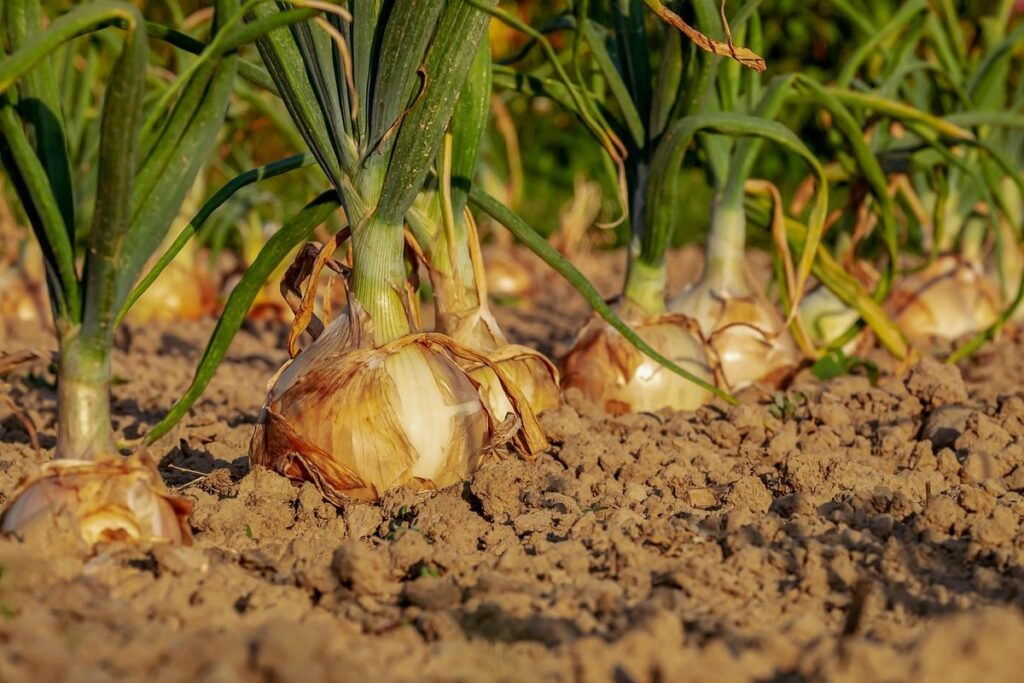
Row spacing is a fundamental concept in gardening that refers to the distance between rows of plants. It’s essential to understand that row spacing affects plant growth in several ways. On one hand, it determines how much space each plant has to spread its roots and access sunlight. On the other hand, proper row spacing can also prevent overcrowding, which can lead to increased competition for resources such as water, nutrients, and light.
When rows are too close together, plants may become stressed due to limited growth space, leading to reduced yields and increased susceptibility to diseases. Conversely, planting rows at optimal distances allows for better air circulation, improved sunlight penetration, and more efficient use of space. As a general rule, vegetables with broad leaves like tomatoes and peppers require wider row spacing (around 2-3 feet) than those with smaller leaves like lettuce and herbs (about 1-2 feet).
Factors that Influence Optimal Row Spacing
When deciding on optimal row spacing for your vegetable garden, several key factors come into play. One of the most significant considerations is crop type – different vegetables have varying growth habits and space requirements. For example, vining crops like cucumbers and squash need more room to spread out than compact varieties like lettuce or spinach.
Soil quality also plays a crucial role in determining optimal row spacing. Well-draining, fertile soil can support denser planting, while poor soil conditions may require wider rows to prevent root competition and waterlogging. Climate is another essential factor – areas with high winds or extreme temperatures may necessitate more space between rows for plant stability.
Available garden space is also a vital consideration – if you’re working with a small plot, it’s best to prioritize efficient use of space by choosing compact varieties and adjusting row spacing accordingly. A general rule of thumb is to provide at least 12-18 inches (30-45 cm) between rows for most vegetables, but this can be adjusted based on specific crop needs and garden conditions.
Common Mistakes in Row Spacing
When it comes to row spacing vegetables, there are several common mistakes that can hinder plant growth and productivity. One of the most significant errors is overcrowding. Planting seeds too close together can lead to reduced air circulation, increased disease susceptibility, and competition for water and nutrients. For example, if you’re growing tomatoes, planting them 12-18 inches apart instead of the recommended 24-36 inches can result in a significantly lower yield.
Another mistake is not considering crop height and density. Vegetables like pole beans or sunflowers require more space to grow upright and unfettered by neighboring plants. If these plants are crowded, they may become entangled or toppled over, causing damage to the plant and nearby crops.
In addition, some gardeners fail to take into account companion planting principles. For instance, planting certain vegetables like marigolds near others can enhance growth or deter pests. However, if you’re not aware of these relationships, you might inadvertently hinder your plants’ progress. By being mindful of these common mistakes and taking the time to research specific row spacing needs for each variety, you can optimize plant growth and maximize yields in your garden.
Determining Ideal Row Spacing for Different Vegetables
When planning your garden, choosing the right row spacing can make a big difference in how well your vegetables grow. Let’s dive into the specifics of row spacing for different types of veggies.
Leafy Greens (Lettuce, Kale, Spinach)
When it comes to leafy greens like lettuce, kale, and spinach, ideal row spacings can make all the difference in optimizing plant growth. For these delicate plants, it’s essential to provide enough space for air circulation, sunlight penetration, and easy access for harvesting.
A general rule of thumb is to allocate 12-18 inches (30-45 cm) between rows for lettuce and kale, while spinach requires a bit more room at 24-36 inches (60-90 cm). This allows for healthy growth and prevents the spread of diseases. When companion planting with leafy greens, consider pairing them with herbs like basil or mint to repel pests and improve flavor.
Crop rotation is also crucial when growing leafy greens in succession. Rotate lettuce and kale every 4-6 weeks to avoid depleting soil nutrients and reduce disease buildup. For spinach, rotate it every 3-4 months to ensure optimal yields. By implementing these row spacing guidelines and rotation strategies, you’ll be able to grow a bountiful harvest of leafy greens while maintaining a healthy and balanced garden ecosystem.
When planning your garden layout, remember that leafy greens prefer loose, well-draining soil with adequate moisture. Make sure to adjust your irrigation schedule accordingly to prevent overwatering, which can lead to root rot and other issues.
Brassicas (Broccoli, Cauliflower, Cabbage)
When it comes to brassicas like broccoli, cauliflower, and cabbage, optimal row spacing is crucial for healthy growth and development. These cool-season crops tend to spread out as they mature, making it essential to provide enough space between rows to accommodate their expansive foliage.
A general rule of thumb for brassica vegetables is to plant them 18-24 inches apart in rows that are 2-3 feet wide. However, this can be adjusted based on the specific variety and growth habits. For example, compact broccoli varieties like ‘Deep Purple’ or ‘Waltham 29’ can thrive in narrower row spacings of 12-18 inches.
To optimize plant growth, consider the mature size of each brassica crop. Broccoli, for instance, requires a lot of space as its florets expand, while cauliflower and cabbage tend to be more compact. By taking into account these space requirements, you can ensure that your brassicas receive enough room to grow without becoming overcrowded or competing with each other for resources.
Root Vegetables (Carrots, Beets, Radishes)
When it comes to root vegetables like carrots, beets, and radishes, ideal row spacings are crucial for optimal growth. For these deep-rooted veggies, it’s essential to provide sufficient space between rows to accommodate their extensive taproots.
Aim for a minimum of 12-18 inches (30-45 cm) between rows for root vegetables, but feel free to adjust this based on the specific variety and growing conditions. Carrots, for example, require a bit more room than beets or radishes, so allocate at least 15-20 inches (38-51 cm) between carrot rows.
Companion planting is another vital consideration when spacing root veggies. Planting certain herbs like dill or coriander alongside carrots can help deter pests and enhance growth. On the other hand, avoid planting members of the Brassica family (broccoli, cauliflower, etc.) near beets, as they may compete for resources.
Maintaining optimal moisture levels is also essential when growing root vegetables. Ensure the soil isn’t too dry or waterlogged, as this can hinder taproot development and lead to reduced yields.
Benefits of Proper Row Spacing
Proper row spacing is crucial for maximizing yields and promoting healthy plant growth, but what exactly do you gain by getting it right? Let’s explore the benefits that make proper spacing a game-changer.
Improved Air Circulation and Sunlight Penetration
Proper row spacing is crucial for allowing air to circulate freely around plants. When rows are spaced too closely together, leaves can overlap and create a humid microclimate that fosters disease development and pest infestations. Conversely, adequate air circulation helps prevent fungal diseases by drying out moisture on the plant’s surface.
Better air circulation also promotes healthy growth by facilitating gas exchange between plants and the atmosphere. Plants release oxygen as a byproduct of photosynthesis, but they also need to take in carbon dioxide for this process to occur efficiently. When rows are spaced correctly, plants can breathe freely and absorb essential nutrients from the soil.
The effects of proper row spacing on sunlight penetration should not be underestimated either. By providing an unobstructed path for direct sunlight to reach each plant, growers can maximize photosynthetic output and promote robust growth. This is particularly crucial for crops like tomatoes and peppers that require intense light to produce high yields.
Reduced Soil Compaction and Erosion
When it comes to optimal row spacing for vegetables, one critical aspect often overlooked is its impact on soil compaction and erosion. Properly spaced rows allow for better air circulation, reduced soil pressure, and minimized soil disturbance – all of which combine to significantly reduce the risk of soil compaction.
As a result, plants experience improved root growth, increased water penetration, and enhanced nutrient uptake, leading to healthier and more resilient crops. Conversely, poorly spaced rows can lead to compacted soil that restricts root development and water flow, ultimately compromising plant growth.
A study on corn cultivation found that narrower row spacing resulted in reduced soil compaction by 30% compared to wider spacings. This reduction in compaction directly correlates with increased yields and better overall crop performance. By maintaining optimal row spacing, you’ll be taking a proactive step towards minimizing soil compaction and erosion, ultimately optimizing the growth potential of your vegetable crops.
In practice, this means staggering rows to allow for at least 2-3 feet between them, depending on the specific crop requirements. This simple yet effective adjustment can have a significant impact on reducing soil compaction and erosion, ensuring healthier plants and more bountiful harvests.
Increased Yield and Efficiency
By optimizing row spacing, gardeners can expect significant improvements in plant growth and productivity. One of the most noticeable benefits is increased yield. With proper spacing, vegetables have room to spread out their roots and leaves, resulting in healthier, more robust plants that produce more fruit.
In a study on tomato production, researchers found that increasing row spacing from 2 feet to 3 feet led to a 15% increase in yields. This is because the extra space allows for better air circulation, reducing the risk of disease and promoting healthy growth.
To maximize yield and efficiency, gardeners can experiment with different row spacings based on the specific crop being grown. For example, leafy greens like lettuce and kale require much narrower rows (around 12-18 inches) due to their compact growth habits. On the other hand, vining plants like squash and cucumbers prefer wider rows (3-4 feet or more) to accommodate their sprawling growth.
By tailoring row spacing to each crop’s needs, gardeners can optimize plant growth and enjoy a more bountiful harvest.
Practical Tips for Implementing Optimal Row Spacing in Your Garden
Now that you know how to determine the ideal row spacing for your vegetables, let’s dive into some practical tips for implementing optimal spacing in your garden. This will help ensure a thriving and productive crop.
Creating a Customized Row Spacing Plan
Creating a customized row spacing plan is crucial for maximizing plant growth and preventing overcrowding. To start, consider the mature size of each plant variety. Some vegetables, like tomatoes and peppers, require a lot of space to spread out, while others, such as lettuce and radishes, can thrive in closer proximity.
Take note of your garden’s specific conditions, including sunlight exposure, soil type, and moisture levels. For example, if your garden receives intense sunlight, it may be beneficial to provide more space between rows for better air circulation and reduced heat stress. On the other hand, if you have poor soil structure, wider row spacing can help reduce soil compaction.
Next, evaluate the growth habits of the vegetables you’re growing together. For instance, if you’re planting vining crops like cucumbers or squash alongside bushy varieties like zucchini or eggplant, provide additional space between rows for the vining plants to spread out.
Consider starting with a basic 2×2 or 3×3 foot grid and adjusting as needed based on your specific garden conditions and crop selection. By taking these factors into account, you can create an efficient and optimized row spacing plan that promotes healthy plant growth.
Adjusting Row Spacing for Small or Urban Gardens
When working with small or urban gardens, space is often at a premium. In such cases, adjusting row spacings can be crucial to maximize yield and optimize plant growth. One effective strategy is to opt for narrow rows, typically between 12-18 inches apart. This allows you to fit more plants into the same area, without compromising on airflow or sunlight penetration.
For example, using a 14-inch row spacing in a 4×4 foot bed can accommodate around 16 to 20 plants, depending on their size and type. To implement this, simply space your rows as close together as possible while maintaining at least 6-8 inches of clearance between each plant for easy access and air circulation.
Another approach is to use vertical gardening techniques like trellises or arbors, which can be installed in even the smallest spaces. This not only saves floor space but also makes the most of your garden’s vertical capacity.
Maintaining Optimal Row Spacing Through Regular Gardening Tasks
Maintaining optimal row spacing is crucial for healthy plant growth and preventing disease. Regular gardening tasks can help you achieve this goal. When planting new seeds or seedlings, ensure that the rows are evenly spaced according to your garden’s specific needs.
To maintain optimal row spacing through regular gardening tasks:
* Water wisely: Overwatering can cause plants to grow too densely, leading to reduced air circulation and increased disease susceptibility. Mulch around the base of the plants to retain moisture and suppress weeds.
* Monitor plant growth: Keep track of how quickly your plants are growing and adjust the row spacing as needed. You may need to thin out overcrowded areas or transplant seedlings to a new location with more space.
* Practice crop rotation: Rotate crops seasonally to maintain soil health and prevent pests and diseases from building up in specific rows.
By incorporating these tasks into your regular gardening routine, you can ensure that your plants receive the optimal row spacing they need for healthy growth.
Troubleshooting Common Issues with Row Spacing
As you fine-tune your row spacing technique, it’s essential to be prepared for common issues that may arise and learn how to troubleshoot them effectively. This section addresses some of these challenges directly.
Dealing with Overcrowding and Under-Crowding
Proper row spacing is crucial for healthy plant growth and optimal yields. However, overcrowding and under-crowding can occur if not managed correctly. Overcrowding happens when plants are too close together, causing competition for resources such as light, water, and nutrients.
Symptoms of overcrowding include reduced plant height, decreased fruiting, and increased susceptibility to disease. On the other hand, under-crowding occurs when there is excessive space between plants, leading to inefficient use of land and potential erosion issues. To address these problems, monitor your plants regularly and adjust row spacing accordingly. For example, if you’re growing tomatoes, keep them at least 2-3 feet apart to allow for proper air circulation.
In areas with limited space, consider using vertical gardening techniques or trellises to maximize plant density without overcrowding. For under-crowding issues, you can try re-seeding the area with smaller varieties of plants that require less space. Additionally, ensure that your soil has adequate fertility and moisture levels to support healthy plant growth in both scenarios. By being proactive and adjusting row spacing as needed, you can create a more balanced and productive garden ecosystem.
Managing Pests and Diseases in Optimally Spaced Rows
When it comes to managing pests and diseases in optimally spaced rows, it’s essential to understand that proper row spacing can significantly impact a plant’s ability to defend itself against these threats. A well-spaced row allows for good air circulation, which helps prevent moisture from becoming trapped near the plants’ foliage – a common breeding ground for fungal diseases.
On the other hand, overcrowding creates ideal conditions for pests like aphids and whiteflies to thrive. These pests can easily spread disease among nearby plants. Optimal spacing also enables farmers to more easily spot potential issues early on, allowing for prompt action to prevent infestations from getting out of hand.
To maintain a healthy ecosystem through optimal spacing, consider implementing these strategies: Planting companion crops that naturally repel pests or attract beneficial insects can be an effective way to minimize pest pressure. Regularly inspect your plants and remove any infected leaves to prevent the spread of disease.
Frequently Asked Questions
How do I determine the ideal row spacing for a mixed vegetable garden?
Determining the ideal row spacing for a mixed vegetable garden can be challenging, but it’s essential to consider factors like sunlight, soil type, and mature plant size. One approach is to group vegetables by their spacing requirements and allocate specific areas of your garden accordingly. For example, leafy greens like lettuce and spinach can thrive in closer rows (12-18 inches), while larger vegetables like broccoli and cauliflower require more space (24-36 inches). By grouping similar vegetables together, you can create a customized row spacing plan that suits your garden’s unique conditions.
Can I adjust the row spacing for small or urban gardens?
Yes, it is possible to adjust the row spacing for small or urban gardens. In fact, using narrower rows can be beneficial in these spaces as it allows for more efficient use of space and reduces soil compaction. However, keep in mind that smaller plants may require more frequent watering and maintenance due to their increased exposure. When planning your garden layout, consider using vertical gardening techniques or trellises to maximize space while still providing optimal growing conditions.
How do I maintain optimal row spacing through regular gardening tasks?
Maintaining optimal row spacing involves ongoing effort but is crucial for promoting healthy plant growth. Regularly inspect your rows and make adjustments as needed to prevent overcrowding or under-crowding. Use tools like measuring tapes, gardening knives, or cultivators to gently remove weeds and aerate the soil without compacting it further. Additionally, consider incorporating companion planting techniques to enhance air circulation, reduce pests, and promote beneficial microorganisms in your garden.
What are some common mistakes to avoid when implementing optimal row spacing?
Common mistakes include overcrowding rows, leading to reduced air circulation and increased competition for resources like water and nutrients. Another mistake is using excessive mulch or soil coverings that can prevent sunlight penetration and exacerbate soil compaction. To avoid these errors, carefully plan your garden layout, regularly inspect your rows, and make adjustments as needed. Additionally, research specific row spacing requirements for each variety of vegetable you’re growing to ensure optimal growing conditions.
How do I troubleshoot common issues related to row spacing?
When dealing with overcrowding or under-crowding, assess the underlying causes and take corrective action. For example, if your plants are too close together, thin them out to maintain optimal spacing. If your rows are too sparse, consider companion planting techniques or adjust your watering schedule to encourage healthy growth. Regularly monitoring your garden’s conditions will help you identify potential issues early on and make necessary adjustments for a thriving harvest.