
Raised beds are a game-changer for gardeners, offering improved drainage, better access, and increased yields. But to unlock their full potential, you need to get one crucial aspect right: spacing. Proper raised bed spacing is more than just a suggestion – it’s a key factor in maximizing your harvest and minimizing common mistakes.
In this article, we’ll delve into the ins and outs of raised bed spacing, covering the optimal distances for various plants, how to plan and layout your beds for maximum efficiency, and what you can expect from a well-spaced garden. With our expert guide, you’ll learn how to boost productivity, avoid overcrowding and related issues, and enjoy a thriving harvest that will make all your gardening efforts worthwhile. By mastering the art of raised bed spacing, you’ll be able to take your gardening skills to the next level and reap the rewards of a well-planned and productive garden.
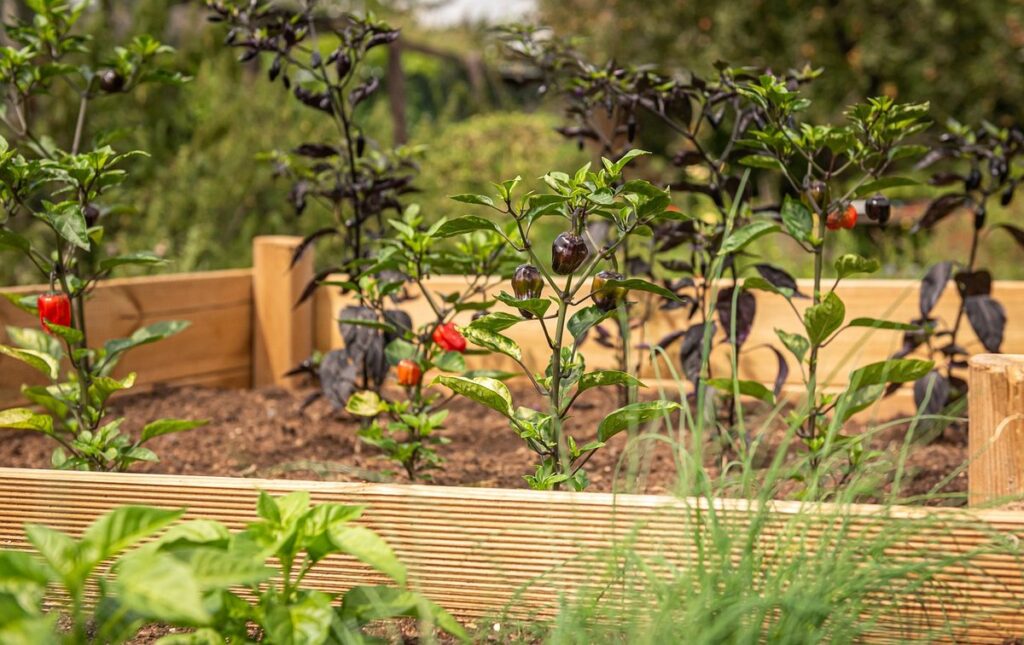
Understanding Raised Beds and Their Benefits
When it comes to designing a raised bed garden, understanding the benefits of raised beds is essential for optimal growth and productivity. In this section, we’ll break down what makes raised beds so effective.
What Are Raised Beds?
A raised bed is essentially an elevated platform where you can plant and grow various crops. These platforms are designed to be waist-high or higher, allowing for easier access and maintenance of the plants. Raised beds can be made from a variety of materials such as wood, composite materials, bricks, or even recycled plastic.
There are several types of raised beds available, each with its own set of benefits and drawbacks. For example, wooden raised beds are durable but require periodic staining to maintain their appearance, while composite raised beds offer low-maintenance options but can be more expensive upfront.
One of the primary advantages of using raised beds is improved drainage and aeration for plant roots. This leads to healthier plants that grow faster and produce better yields. Raised beds also allow gardeners to control soil quality, which is crucial for optimal plant growth. By using a combination of topsoil and compost, gardeners can create a fertile environment that supports the needs of various crops.
Raised bed gardening provides numerous benefits over traditional in-ground gardening methods, particularly when it comes to crop yields and pest management.
Choosing the Right Location for Your Raised Bed
When selecting a location for your raised bed, there are several key factors to consider. The ideal spot should receive sufficient sunlight for the plants you plan to grow, but be mindful of intense heat that can cause damage or stress.
Consider the amount of direct sunlight your area receives during peak hours, usually between 9 am and 3 pm. Most vegetables require at least six hours of direct sunlight per day, while fruits and flowers may need more. Assess your yard’s microclimate to determine if any areas receive more shade than others.
Another crucial aspect is drainage. Make sure the raised bed won’t collect water when it rains or be prone to flooding during heavy downpours. Avoid low-lying areas where water tends to accumulate, and ensure proper soil drainage by incorporating organic matter like compost into your raised bed’s mix.
Finally, think about accessibility – will you be able to easily reach the plants for maintenance tasks? Position the raised bed in a spot that allows you to comfortably tend to it without straining or having to navigate obstacles.
Benefits of Raised Bed Gardening
Raised bed gardening offers numerous benefits that make it an attractive option for gardeners of all levels. One of the most significant advantages is improved soil quality. Raised beds allow you to create a self-contained ecosystem, free from compaction and nutrient-depleting activities like foot traffic. This enables you to use high-quality potting mix or blend your own custom mix, resulting in better drainage, aeration, and fertility.
Another benefit of raised bed gardening is reduced soil erosion. With traditional in-ground gardening, soil can be washed away by heavy rainfall or irrigation, leading to loss of topsoil and nutrients. Raised beds minimize this risk by containing the soil within the bed itself. This also helps prevent weeds from spreading, making maintenance easier and reducing competition for your desired crops.
Finally, raised bed gardening can lead to increased crop yields due to improved growing conditions. With better drainage and aeration, roots can grow more freely, resulting in healthier plants that are less susceptible to disease and pests. Additionally, the controlled environment of a raised bed allows you to focus on precise spacing and support for your plants, maximizing growth potential.
This combination of benefits makes raised bed gardening an excellent choice for gardeners seeking to optimize their yields while minimizing environmental impact. By understanding and applying these principles, you can create thriving raised beds that provide abundant harvests year after year.
Determining the Optimal Spacing for Your Plants
When planning your raised bed garden, it’s essential to consider the optimal spacing between plants to ensure they receive adequate sunlight and air circulation. Let’s dive into the factors that affect plant spacing.
Considering Plant Variety and Size
When planning your raised bed layout, it’s essential to consider the mature plant size and growth habits of each variety. This will ensure that you’re providing enough space for your plants to thrive without overcrowding.
Different plant varieties have unique growing requirements, and some can grow quite large or spread out significantly as they mature. For example, tomatoes can reach up to 6 feet tall, while peas can spread out over 3 feet in diameter. To determine the optimal spacing for different plant varieties, consider the following factors:
* Leafy greens like lettuce and spinach require about 2-4 inches of space between plants.
* Brassicas like broccoli and cauliflower need around 18-24 inches of space to prevent overcrowding.
* Vining plants like cucumbers and zucchini can be trained to climb up trellises, but should still have at least 12-18 inches of space to spread out.
When selecting plant varieties for your raised bed, choose compact or dwarf varieties that are specifically bred for small spaces. These plants will typically require less space and maintenance than their full-size counterparts. By considering the mature plant size and growth habits of each variety, you can create a well-planned layout that promotes healthy growth and optimal yields.
The Role of Plant Density in Raised Bed Gardening
Plant density is a critical factor to consider when designing your raised bed garden. It refers to the number of plants growing within a specific area, and it can significantly impact the overall health, growth, and productivity of your plants. When plant density is too high, competition for resources such as water, nutrients, and light becomes intense, leading to reduced yields, increased susceptibility to disease, and weakened root systems.
To achieve a balanced planting layout in raised bed gardening, it’s essential to strike a balance between plant density and growing space. Aim for 2-4 square feet of growing space per plant, depending on the mature size of the plant variety. For example, if you’re planting compact tomatoes or leafy greens, you can fit more plants into a smaller area. However, larger vegetables like squash or corn require more space to spread out and thrive.
In addition to providing adequate growing space, also consider the mature height and spread of each plant when planning your layout. This will help prevent overcrowding and allow for proper air circulation, which is crucial for preventing disease. By carefully considering plant density in your raised bed garden design, you can create a thriving, productive, and visually appealing space that brings maximum returns on your gardening efforts.
Measuring and Marking Your Raised Bed Layout
To create a well-planned raised bed layout, it’s crucial to accurately measure and mark your space, ensuring efficient use of the available area. This section will walk you through that process step by step.
Using String and Stakes to Measure Spacing
Using string and stakes to measure spacing is an efficient way to ensure accurate plant placement. To get started, begin by determining the width of each planting bed and the distance between plants based on their mature size.
Next, stretch a piece of twine or string along the length of the raised bed, securing it at each end with stakes driven into the ground. This will serve as a guide for your plant spacing measurements. Now, measure from the center line to mark where you’ll place each plant, making sure not to exceed the recommended distance.
For instance, if you’re planting tomatoes 18 inches apart, drive a stake beside the string at that interval. You can then snap a smaller piece of twine or a measuring tape against this marker to get an accurate reading for each subsequent plant. This method ensures consistent spacing and reduces the likelihood of overcrowding your raised beds.
Visualizing Your Plant Layout with Grids or Templates
Using grids or templates to visualize your plant layout can be a game-changer for raised bed gardeners. These tools help you plan and execute a well-spaced design with ease, taking into account the mature size of each plant and their optimal spacing requirements.
Imagine trying to fit 10 tomato plants into a 4×8 foot raised bed without any visual aids. It can be overwhelming and lead to overcrowding, which can stunt growth and increase disease susceptibility. By using a grid or template, you can create a harmonious and balanced layout that allows for proper air circulation and sunlight penetration.
To get started, grab a piece of graph paper or open up a plant planning app on your tablet. Draw out the dimensions of your raised bed, then start placing plants according to their mature size and spacing requirements. You can also use online tools like garden planners or spreadsheet templates specifically designed for raised bed gardening.
Once you have a layout that works, transfer it to your raised bed using stakes and string, or by marking the soil with a soft brush. This visual representation will help you identify potential problems before they arise, ensuring a successful and thriving garden.
Common Raised Bed Spacing Mistakes to Avoid
When planning your raised bed garden, it’s easy to get spacing wrong – but don’t worry, we’re here to help you avoid those common mistakes that can stunt your plants’ growth.
Overcrowding: The Silent Killer of Raised Beds
Overcrowding in raised beds can have disastrous consequences for your garden’s productivity and health. Reduced air circulation is one of the most significant issues that arise when plants are too closely packed. As leaves touch, moisture accumulates, creating an ideal environment for fungal diseases to spread. Take, for instance, a raised bed where tomatoes are planted 6-8 inches apart instead of the recommended 2-3 feet. The increased humidity and lack of air circulation allow diseases like late blight and early blight to take hold, wiping out your crop in no time.
Disease susceptibility is not the only concern; overcrowding also leads to decreased yields due to competition for resources such as water and nutrients. When plants are too close together, their root systems become entangled, making it difficult for them to absorb the necessary moisture and nutrients from the soil. This results in stunted growth and reduced fruiting, leaving you with a disappointing harvest. To avoid these issues, make sure to plant your raised bed crops at the recommended spacing, taking into account the mature size of each variety.
Underutilization: Leaving Space Unplanted
When it comes to maximizing yields and minimizing waste, avoiding underutilization of raised bed space is crucial. This means making the most of every inch of available growing room. Think about it: a single square foot of garden space can produce a surprising amount of food. For example, you can grow one large tomato plant or multiple smaller ones, a few lettuce heads, and some herbs like basil and cilantro.
To avoid leaving space unplanted, consider the mature size of your plants when selecting varieties for your raised bed. Choose compact or dwarf varieties that won’t overcrowd each other, allowing for proper air circulation and sunlight penetration. This will also prevent weeds from taking over and competing with your crops for resources. Another strategy is to make use of vertical space by incorporating trellises or obelisks for climbing plants like peas, beans, and cucumbers.
Make a deliberate plan for your raised bed layout to ensure that every inch is utilized efficiently. Measure the available space carefully and divide it into sections based on plant needs. By doing so, you’ll be able to maximize yields and enjoy a bountiful harvest without leaving any potential growing space unused.
Tips for Maintaining Healthy Spacing in Raised Beds
To ensure your raised beds continue to thrive, it’s essential to maintain healthy spacing between plants and soil to prevent overcrowding and promote air circulation.
Regularly Monitoring Plant Growth
Regularly monitoring plant growth is crucial to maintaining healthy spacing in raised beds. As plants grow and mature, their space requirements change. If you don’t adjust the spacing accordingly, it can lead to overcrowding, reduced air circulation, and increased disease susceptibility.
To monitor plant growth effectively, observe your plants regularly for signs of stress or overcrowding. Check for gaps between rows and columns, ensuring that each plant has enough room to mature without competing with its neighbors. Keep in mind that some plants grow much faster than others; for example, indeterminate tomatoes can sprawl up to 6 feet in a single season.
When you notice signs of overcrowding or restricted growth, adjust the spacing by pruning or removing weaker plants. This will allow healthier plants to receive adequate light, air circulation, and nutrients, promoting overall plant health and productivity. Regular monitoring also helps you identify potential issues early on, allowing for timely interventions that prevent costly mistakes.
Pruning and Training Plants for Better Spacing
When it comes to maintaining healthy spacing in raised beds, pruning and training plants is an essential aspect of garden care. By using these techniques, you can promote healthy plant growth, maintain good spacing, and optimize yields.
Pruning involves cutting or removing parts of a plant to control its size, shape, or direction of growth. This technique can help maintain the balance between plant density and available space in your raised bed. For example, pruning tomato plants can encourage them to produce more fruit by directing their energy towards producing tomatoes rather than foliage.
Training involves guiding or shaping the plant’s growth habit through the use of supports, trellises, or other structures. This technique is particularly useful for climbing plants like peas, beans, and cucumbers that require vertical support to thrive. By training these plants to grow upwards, you can make the most of your raised bed space while keeping them healthy and productive.
Some key considerations when pruning and training plants include:
* Removing any dead or damaged branches to prevent disease and pests from spreading
* Pinching off flower buds on young seedlings to encourage bushy growth rather than flowering too early
* Using soft ties or clips to gently guide climbing plants without damaging their stems
By incorporating these techniques into your raised bed care routine, you can create a harmonious balance between plant density and available space.
Conclusion: Mastering Raised Bed Spacing for a Thriving Garden
Now that you’ve learned the ins and outs of raised bed spacing, it’s time to put your newfound knowledge into practice. Remember, mastering this technique is key to creating a thriving garden in even the smallest of spaces. Don’t be afraid to experiment and adjust your layout as needed – after all, it’s not set in stone! Take note of the mature size of each plant variety you’re using and plan accordingly. For example, if you’re growing sprawling tomatoes, give them plenty of space to breathe. On the other hand, compact herbs like basil can thrive in tight spaces. By carefully balancing your bed with a mix of larger and smaller plants, you’ll be on your way to a lush, vibrant oasis that brings joy to your outdoor space for years to come.
Frequently Asked Questions
What if I have limited space for my raised beds? Can I still achieve optimal spacing?
If you’re working with a small area, don’t worry – you can still create an efficiently spaced garden. Consider using vertical gardening methods or opting for compact plant varieties that thrive in smaller spaces. Measure your available area carefully and plan your bed layout accordingly to make the most of your space.
How do I know if my raised beds are overcrowded? Are there any signs I should look out for?
Overcrowding can be sneaky, but there are some telltale signs. Look for stunted growth, reduced yields, and an increased risk of disease and pests. If you notice these issues in your garden, reassess your bed layout and adjust the spacing to give plants enough room to breathe.
Can I mix different plant sizes and varieties within a single raised bed?
While it’s tempting to plant a diverse range of crops together, mixing different sizes and varieties can be challenging. Consider grouping similar-sized plants together or separating larger plants from smaller ones to ensure each has sufficient space to grow. This will also make maintenance and harvesting easier.
What if I’ve already planted my raised beds – can I adjust the spacing later?
While it’s ideal to plan for optimal spacing from the start, you can still make adjustments as needed. Prune or remove overgrown plants, and use techniques like crop rotation to revitalize underutilized areas. Regular monitoring of plant growth will help you identify opportunities to adjust your layout.
How do I measure and mark out my raised bed layout accurately?
To avoid errors and ensure precise spacing, use a combination of measuring tools (such as a tape measure or string) and visual aids like grids or templates. Mark out the layout with stakes or stones to create a clear guide for planting. Double-check your measurements before finalizing the plan to guarantee optimal results.