
If you’re an indoor gardener with tropical plants on your hands, you know how finicky they can be about their environment. One crucial factor to get right is humidity – and it’s not just about splashing some water around your pot. Tropical plants thrive in humid conditions, but what exactly does that mean? What are the ideal levels of humidity for your plants, and how do you measure them? In this article, we’ll break down everything you need to know about creating a humidity-friendly environment for your tropical treasures. We’ll cover optimal humidity levels, reliable measurement tools, and even troubleshoot common issues like mold and mildew. Whether you’re a seasoned pro or just starting out, by the end of this post, you’ll be well on your way to giving your plants the humid happy home they crave.
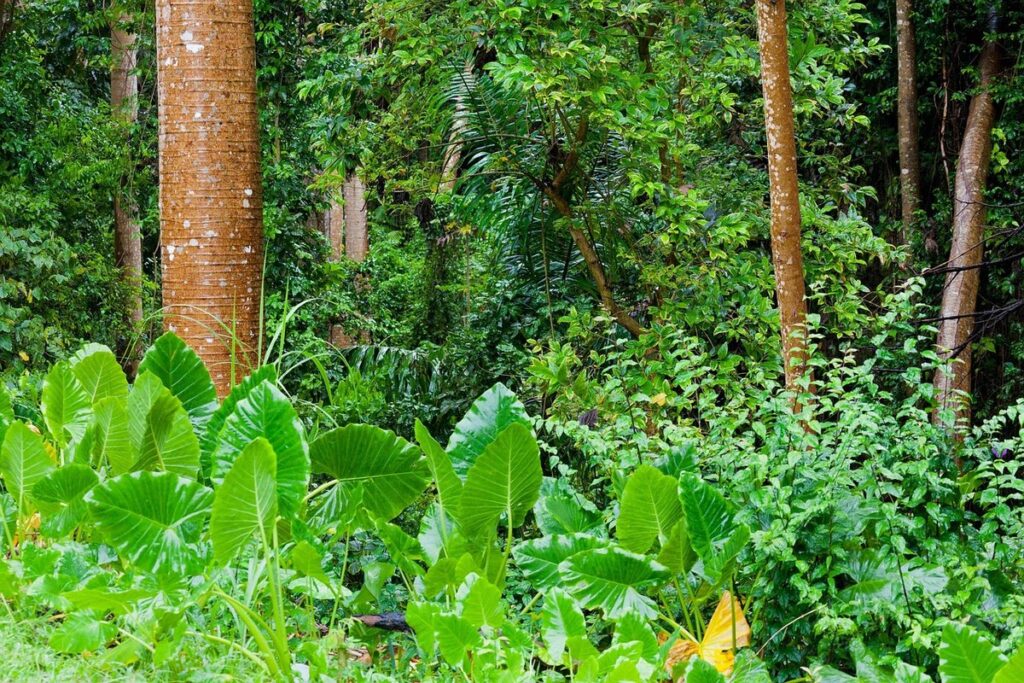
Understanding the Importance of Humidity
To grow and thrive, tropical plants require a specific level of humidity that’s often misunderstood by even experienced plant parents. In this section, we’ll dive into why humidity matters for your tropical friends.
The Role of Humidity in Plant Health
When it comes to tropical plants, humidity plays a crucial role in their overall health and well-being. The right level of humidity can make all the difference in promoting healthy growth, preventing disease, and reducing stress on these beautiful plants.
For tropical plants, optimal humidity levels typically range from 40-70%. When the air is too dry, plants will begin to suffer, leading to weakened immune systems, reduced photosynthesis, and increased susceptibility to pests and diseases. This can be seen in plants that are exposed to air conditioning or heating systems, which strip the air of moisture.
On the other hand, excessive humidity can also cause problems, such as fungal growth and root rot. To maintain the perfect balance, you can use a humidifier or place your plant on a tray filled with water and pebbles. This will allow for a gradual release of moisture into the air, creating an ideal environment for your tropical plants to thrive. By keeping your plants in an optimal humidity range, you’ll be able to enjoy their vibrant colors and lush foliage all year round.
Optimal Humidity Levels for Different Plant Species
When it comes to tropical plants, not all species require the same level of humidity. While some thrive in high-humidity environments, others can tolerate and even prefer drier conditions. Understanding the unique humidity needs of your plants is crucial for their health and well-being.
For instance, low-humidity plants like succulents are perfect for dry indoor spaces or outdoor areas with minimal rainfall. These drought-tolerant plants store water in their leaves, stems, or roots, allowing them to survive in arid conditions. To care for succulents, ensure the soil is allowed to dry completely between waterings, and avoid overwatering which can lead to root rot.
On the other hand, high-humidity plants like ferns and peace lilies require a more humid environment to thrive. These plants have adapted to survive in tropical rainforests where humidity levels are consistently high. To provide the right conditions for these plants, use a humidifier or place them on a tray filled with water and pebbles. This will help maintain a consistent level of humidity around 50-70% relative humidity.
Some plants like bromeliads and orchids require intermediate to high humidity levels but can tolerate dry spells between waterings. It’s essential to research the specific needs of your plant species to provide the optimal environment for growth and health.
Measuring and Maintaining Humidity
Now that you’ve learned how to create a comfortable environment for your tropical plants, it’s time to focus on the delicate balance of humidity. We’ll walk through the essential tools and techniques for measuring and maintaining optimal humidity levels.
Choosing the Right Humidifier or Dehumidifier
When it comes to maintaining optimal humidity levels for your tropical plants, you have several options to consider. One popular solution is using a humidifier. These devices release moisture into the air, helping to maintain a humid environment that’s perfect for tropical plants. There are various types of humidifiers available, including ultrasonic, evaporative, and cool mist models.
On the other hand, if your space tends to be too humid, a dehumidifier might be a better choice. These devices remove excess moisture from the air, preventing fungal diseases and root rot that can be detrimental to tropical plants. When choosing between a humidifier or dehumidifier, consider the humidity levels in your home and the specific needs of your plants.
For example, if you live in an arid climate, a humidifier can help maintain the optimal 50-70% relative humidity range for tropical plants like orchids and ferns. On the other hand, if your space tends to be too humid due to high temperatures or poor ventilation, a dehumidifier can help regulate the air to prevent issues like fungal diseases.
You can also create your own DIY solution using a mixture of water and a hygrometer to monitor humidity levels. This approach allows for more flexibility and control over the environment, but may require more maintenance than purchasing a commercial device.
Monitoring Humidity Levels with Gauges and Sensors
Monitoring humidity levels is crucial for tropical plants, as it significantly impacts their health and well-being. To ensure you’re providing the right environment for your plants, you’ll need to measure humidity accurately.
There are various gauges and sensors available for measuring humidity, each with its own accuracy level. Digital hygrometers are a popular choice, offering high precision (±1-2%) and often coming with additional features like temperature readings. You can also use analog hygrometers, which provide a more traditional, needle-based measurement.
Another option is to install sensors that integrate into your smart home system or automation setup. These can offer real-time data and alerts when humidity levels deviate from the optimal range. Some popular types include capacitive sensors (±2-5%), resistive sensors (±3-6%), and infrared sensors (±1-3%).
When choosing a gauge or sensor, consider factors like your budget, the size of the area you’re measuring, and the level of precision you require. For instance, a hobbyist might opt for an affordable analog hygrometer, while a commercial grower would likely invest in high-end digital sensors.
Common Mistakes to Avoid
When caring for tropical plants, it’s easy to fall into common pitfalls that can harm your beloved green friends. Let’s take a closer look at some of these mistakes and how you can avoid them.
Under- or Over-Humidifying Your Plants
When it comes to maintaining humidity levels around tropical plants, getting it just right can be a delicate balance. Under-humidifying or over-humidifying your plants can have serious consequences that range from minor setbacks to devastating damage.
Under-humidifying is often the more common mistake, as many growers mistakenly believe that tropical plants are resilient enough to thrive in dry conditions. However, prolonged exposure to low humidity can cause leaves to scorch and wilt, while roots may become parched and begin to rot. In severe cases, under-humidification can even lead to plant death.
On the other hand, over-humidifying can also be problematic, as it creates an environment conducive to fungal growth and root rot. When the air is too saturated with moisture, plants are more susceptible to diseases like powdery mildew and root rot. To avoid these issues, monitor your humidity levels closely, aiming for a range between 40-60% relative humidity during the day and slightly lower at night.
Keep in mind that different species of tropical plants have unique humidity requirements. For example, orchids tend to thrive in humid environments, while bromeliads are more adaptable to dry conditions. Researching your specific plant’s needs will help you strike the perfect balance between under- and over-humidifying.
Ignoring Changes in Humidity Levels
Ignoring changes in humidity levels can have severe consequences on the health of tropical plants. It’s not just about maintaining a consistent humidity level; it’s also essential to understand that environmental factors like temperature, air circulation, and even time of day can impact the perceived humidity.
For instance, when temperatures rise, the air can hold more moisture, making the humidity level seem higher than it actually is. Conversely, on cooler days or in drafty areas, the air may feel drier, even if the actual humidity hasn’t changed much.
A perfect example is the bathroom effect: even if you maintain a consistent humidity level, sudden changes in temperature can cause condensation to form on windows and walls, affecting the microclimate around your plants.
Monitor and adjust your humidifier accordingly to avoid shocking your plants. Similarly, consider installing a hygrometer near your plants to track any fluctuations.
In most cases, you should aim for a gradual adjustment of humidity levels rather than sudden changes.
Creating a Humidity-Friendly Environment
To create a thriving environment for your tropical plants, you’ll want to set up a space that maintains optimal humidity levels, just like their natural habitats. This section will walk you through easy ways to achieve this balance.
Microclimates for Tropical Plants
Creating optimal humidity conditions for tropical plants is not just about placing them near a humidifier or misting them regularly. A crucial concept to grasp is the idea of microclimates – small, localized areas within a larger environment that have their own unique climate characteristics. Think of it like this: just as different neighborhoods in a city may experience varying levels of pollution or temperature fluctuations, your indoor space can also be divided into distinct microclimates.
To create a humidity-friendly microclimate for your tropical plants, you need to consider the specific needs of each plant species. For example, some plants thrive in high-humidity environments (70-90% relative humidity), while others prefer lower humidity levels (40-60%). By grouping plants with similar humidity requirements together, you can create a mini-climate that caters to their individual needs.
For instance, you could group your ferns and peace lilies together in one area, which would maintain higher humidity levels due to their transpiration rates. Meanwhile, your succulents and cacti could thrive in another area with lower humidity levels, allowing them to conserve water more efficiently. By understanding the unique characteristics of each plant species and creating microclimates accordingly, you can provide the optimal environment for your tropical plants to flourish.
Using Greenhouses or Indoor Gardens
When it comes to creating a humidity-friendly environment for tropical plants, greenhouses and indoor gardens can be an ideal solution. However, it’s crucial to design these spaces with specific considerations in mind to maintain consistent humidity levels.
One of the most critical factors is choosing materials that can withstand high humidity. For example, using water-resistant paints and coatings on walls and ceilings will prevent moisture from seeping into surfaces. Additionally, opting for breathable materials like wood or bamboo instead of plastic or metal for shelving and structures can help regulate humidity.
Design considerations are also essential. Planting tropical species in groups rather than scattering them throughout the space helps maintain a microclimate with consistent humidity levels. Proper ventilation is also crucial to prevent over-humidification, which can lead to mold growth. A balanced combination of artificial and natural lighting sources will further promote healthy plant growth.
Proper drainage systems are also vital in maintaining a humid environment without waterlogged soil conditions. Incorporating a tray or saucer under pots filled with plants can help collect excess water, ensuring the roots don’t rot due to excessive moisture.
Troubleshooting Humidity-Related Issues
Got a tropical plant that’s struggling with humidity issues? This next section will walk you through common problems and solutions to help get your plants back on track.
Addressing Common Problems like Pests or Fungal Diseases
When it comes to maintaining optimal humidity levels for tropical plants, common issues like pests, fungal diseases, and root rot can arise. Identifying these problems early on is crucial to preventing them from spreading and causing irreparable damage.
Pests such as mealybugs, spider mites, and scale insects thrive in humid environments. To prevent infestations, inspect your plants regularly for signs of pest activity like white cottony patches or actual insects on the leaves or stems. If you do spot pests, treat the affected area with insecticidal soap or neem oil, making sure to follow the product’s instructions carefully.
Fungal diseases such as root rot and leaf spot also love humid environments. Look for symptoms like yellowing leaves, black spots, or a soft, mushy texture on the stems. To combat fungal diseases, reduce the humidity levels temporarily by placing the plant in a dry area, and treat with a fungicide specifically designed for indoor plants.
Root rot is often caused by overwatering in humid environments. Check your soil moisture regularly to avoid waterlogged soil, and repot your plant if necessary. Keep your plants’ humidity-loving nature in mind when troubleshooting common issues – addressing problems promptly will help prevent them from becoming major setbacks.
Adjusting Humidity Levels for Different Seasons
As you adjust to the changing seasons, it’s essential to recognize that humidity levels will fluctuate significantly. This can impact your tropical plants’ growth and overall health.
During the summer months, the air is usually more humid due to high temperatures and increased moisture from rain and irrigation. However, this can also lead to fungal diseases and pest infestations if not managed properly. To maintain optimal humidity levels for your tropical plants during this time, you can:
• Increase air circulation around the plants by opening windows or using fans.
• Reduce watering frequency to prevent overwatering and associated issues.
In contrast, winter months bring dry air that can stress your tropical plants. You’ll need to increase indoor humidity levels to compensate for the dry air outside. Ways to do this include:
• Using a humidifier near the plants to release moisture into the air.
• Grouping plants together to create a microclimate with higher humidity.
By understanding how seasonal changes affect humidity and making adjustments accordingly, you can provide your tropical plants with the right conditions to thrive year-round.
Frequently Asked Questions
How do I know if my tropical plant is experiencing humidity stress?
Signs of humidity stress can include yellowing leaves, wilting, or brown tips. If you notice any of these symptoms, it’s likely that your plant needs a change in its environment to better match its optimal humidity levels (40-70%). Check the air temperature and humidity levels around your plant and adjust accordingly.
What’s the best way to measure humidity for my tropical plants?
To accurately measure humidity, use a hygrometer specifically designed for indoor use. Digital hygrometers are usually more accurate than analog ones and can be easily calibrated. Place the hygrometer near your plants but not right next to them, as temperature fluctuations can affect readings.
Can I use a humidifier or dehumidifier with my tropical plant?
Yes, using a humidifier or dehumidifier is an effective way to manage humidity levels for your tropical plants. When choosing between the two, consider the specific needs of your plants and the climate in your area. Humidifiers are best suited for dry environments, while dehumidifiers work better in more humid spaces.
How do I prevent mold and mildew when using a humidifier?
Mold and mildew thrive in humid environments. To minimize their growth, regularly clean and disinfect any surfaces around your plants, including the humidifier itself. Make sure to maintain good air circulation by placing the humidifier at least 3-4 feet away from your plants.
Can I adjust humidity levels for different seasons?
Yes, it’s essential to adjust humidity levels according to seasonal changes. In colder months when heating systems dry out the air, increase humidity levels. Conversely, during warmer months when it tends to be more humid outside, lower humidity levels may be necessary to prevent over-humidification and potential fungal diseases.