
When it comes to running a thriving greenhouse, one crucial aspect often gets overlooked: maintaining optimal soil temperatures. You see, most plants have an ideal temperature range for growth, and if your soil is too hot or too cold, you can kiss those high yields goodbye. Not only will this impact crop production, but it’ll also leave your plants vulnerable to pests and diseases. In this article, we’re going to dive into the world of greenhouse soil temperature control. We’ll explore why it’s so important for plant growth, discuss common issues that arise when temperatures aren’t just right, and provide actionable tips on how to maintain those optimal ranges. By the end of this read, you’ll be well-equipped to keep your greenhouse soil at a perfect balance – no matter what Mother Nature throws your way!
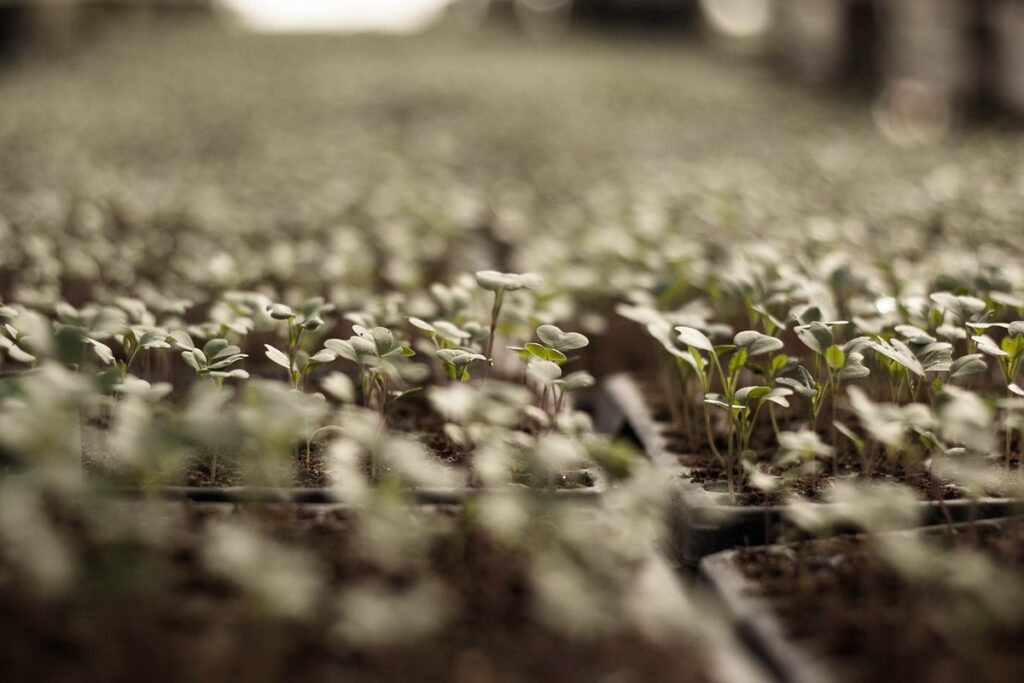
Understanding the Importance of Soil Temperature in Greenhouses
Soil temperature plays a crucial role in determining the health and productivity of your greenhouse, directly impacting plant growth and development. Let’s explore its importance together.
Factors Affecting Soil Temperature
Soil temperature is one of the most critical factors influencing plant growth and development in greenhouses. However, it’s not just a straightforward process; various factors affect soil temperature, making it challenging to maintain optimal conditions. Let’s break down the main factors that influence soil temperature in greenhouses.
Solar radiation is the primary driver of soil temperature fluctuations. Direct sunlight can warm up the soil during the day, while shade or cloudy conditions can cause it to cool down at night. The intensity and duration of solar radiation also play a significant role. In regions with high levels of direct sunlight, soil temperature can reach as high as 70°F (21°C) in just a few hours.
Soil moisture is another crucial factor affecting soil temperature. When the soil is too dry, it tends to heat up quickly due to reduced evapotranspiration rates. On the other hand, overwatering can lead to cooling down of the soil as water absorbs heat energy from the surroundings. Maintaining optimal soil moisture levels between 60% and 80% can help regulate soil temperature fluctuations.
Wind speed is another often-overlooked factor affecting soil temperature in greenhouses. Even moderate wind speeds can disrupt soil temperature gradients, leading to increased evapotranspiration rates and reduced plant growth. By ensuring that your greenhouse has adequate ventilation systems or using physical barriers to reduce wind impact, you can minimize the effects of wind on soil temperature.
In addition to these factors, other variables such as soil type, depth, and mulching practices also influence soil temperature. Understanding and managing these factors will help you optimize soil temperature in your greenhouse, leading to healthier plant growth and increased yields.
Measuring Soil Temperature Accurately
Measuring soil temperature accurately is crucial for optimizing greenhouse operations. There are several methods to measure soil temperature, each with its own advantages and limitations. Thermocouples, for example, are widely used due to their high accuracy and durability. They consist of two dissimilar metals joined together, which produce a small voltage when heated or cooled.
Infrared sensors offer an alternative method, using radiation emitted from the soil surface to determine temperature. These sensors can be placed above the soil or embedded within it. While they are often less expensive than thermocouples, their accuracy may suffer in direct sunlight or at low temperatures.
For precise measurements, consider combining multiple methods. Some growers use a network of thermocouples and infrared sensors to monitor soil temperature across the greenhouse. This approach not only improves accuracy but also provides a clearer picture of temperature variations over time.
When selecting a measurement method, take into account factors such as cost, maintenance requirements, and sensitivity to external conditions. By investing in accurate soil temperature measurements, growers can fine-tune their climate control strategies and ensure optimal plant growth.
The Effects of Soils Temperature on Plant Growth
As we delve into the importance of precise soil temperature control, it’s essential to understand how varying temperatures impact your plants’ growth and development patterns. This can significantly influence overall yields and crop health.
How Elevated Soil Temperatures Impact Plants
When soil temperatures rise above optimal levels, it can have devastating effects on plant growth. As plants struggle to adapt to these elevated conditions, they become more vulnerable to water loss, reduced photosynthesis, and altered nutrient uptake.
Elevated soil temperatures cause plants to open their stomata wider, increasing transpiration rates and leading to excessive water loss through evaporation. This is especially problematic in greenhouse environments where irrigation systems are already optimized for maximum efficiency. For example, a study on tomato plants found that when soil temperature increased by just 2°C above optimal levels, water consumption rose by an astonishing 30%. To mitigate this effect, consider implementing mulching techniques or adjusting your irrigation schedule to account for changing plant needs.
The impact of elevated soil temperatures also manifests in reduced photosynthesis. As heat stress increases, plants’ ability to convert light energy into chemical energy declines significantly. This can lead to stunted growth, lower yields, and overall decreased plant productivity. Moreover, nutrient uptake is also disrupted as plants prioritize survival over healthy growth. To optimize your greenhouse’s soil temperature management, monitor soil conditions closely and adjust heating or cooling systems accordingly to maintain optimal temperatures within a narrow range of 18-22°C for most crops.
Impacts of Low Soil Temperatures on Crop Yield
When soil temperatures drop below optimal levels, it can have a significant impact on crop yield. Reduced germination rates are one of the most common effects of low soil temperatures. Seeds may take longer to sprout, or they may not sprout at all, leading to reduced plant populations and lower yields.
As plants grow in these conditions, they often exhibit stunted growth, with smaller leaves and shorter stalks than expected. This is because low soil temperatures slow down the process of photosynthesis, which is essential for plant growth. Plants may also become more susceptible to disease, as their weakened state makes them easier targets for pathogens.
For example, a study on tomato plants found that those grown in soils with average temperature of 12°C (54°F) had significantly lower yields than those grown in soils at 20°C (68°F). Similarly, research on greenhouse-grown lettuce showed that temperatures below 15°C (59°F) resulted in reduced head size and quality. To mitigate these effects, it’s essential to maintain optimal soil temperature levels for your specific crops.
Maintaining Optimal Soil Temperature Ranges in Greenhouses
Achieving optimal soil temperature ranges is crucial for your greenhouse’s success, and in this section, we’ll explore practical tips for maintaining ideal temperatures. This ensures healthy plant growth and maximizes yields.
Heating and Cooling Strategies for Soil Temperature Control
When it comes to maintaining optimal soil temperature ranges in greenhouses, heating and cooling strategies play a crucial role. Various methods can be employed to regulate soil temperatures, ensuring that crops grow healthily and efficiently.
One effective approach is using hydronics, which involves circulating hot water through pipes buried beneath the soil. This method allows for precise control over soil temperature, making it ideal for sensitive crops like orchids or lettuce. For example, a study conducted at the University of California, Davis found that using hydronics to maintain optimal soil temperatures increased yields by 20% and reduced energy consumption by 30%.
Another strategy is employing hot water pipes, which are similar to hydronics but use steam instead of water. This method can be more cost-effective, especially for smaller greenhouses. Evaporative cooling systems also offer a viable option, using the principle of evaporation to cool soil temperatures without relying on electricity or gas.
In addition to these methods, some growers opt for more innovative approaches like using underground pipes filled with phase-change materials (PCMs). These PCMs absorb and release heat as needed, providing a consistent temperature range. By choosing the right heating and cooling strategy, greenhouse operators can significantly improve crop quality, reduce energy costs, and ensure optimal soil temperatures all year round.
Using Mulching and Insulation Techniques to Regulate Soil Temperature
Mulching and insulation are effective techniques for regulating soil temperature in greenhouses. Mulch acts as a barrier between the soil surface and the air above, reducing heat loss during the night and preventing scorching during the day. Organic materials like straw, bark chips, or pine needles are ideal mulch options due to their high carbon-to-nitrogen ratio, which breaks down slowly and doesn’t deplete soil nutrients.
To apply mulch effectively, spread a 2-3 inch layer on top of the soil, keeping it at least an inch away from plant stems. Replenish mulch as needed, usually every 6-12 months, depending on its decomposition rate. For insulation, consider using foam board or fiberglass blankets specifically designed for greenhouses. Apply these materials around the perimeter and under crops to retain heat during winter and keep cool air in during summer.
When selecting mulch or insulation materials, ensure they are non-toxic and won’t attract pests that could harm your plants. Regularly inspect your greenhouse’s soil temperature using a thermometer to determine if adjustments are needed to maintain optimal ranges.
Advanced Technologies for Optimizing Greenhouse Soil Temperature
Let’s dive into some of the most cutting-edge technologies that can help you fine-tune your greenhouse soil temperature, from advanced irrigation systems to innovative heating and cooling solutions.
Smart Sensors and Data Analytics for Real-Time Monitoring
Smart sensors and data analytics have revolutionized the way we monitor and control greenhouse soil temperature. With these advanced technologies, growers can now track temperature fluctuations in real-time, making it possible to take corrective action before it’s too late.
One of the key benefits of smart sensors is their ability to provide accurate and precise temperature readings. Unlike traditional thermometers, which may be prone to human error or lag behind changes in temperature, smart sensors use advanced algorithms and machine learning techniques to deliver precise data. This allows growers to respond quickly to temperature fluctuations, ensuring optimal growing conditions for their crops.
Data analytics software takes this a step further by providing valuable insights into soil temperature trends and patterns. By analyzing this data, growers can identify areas of improvement and optimize their climate control strategies accordingly. For example, if the data reveals that soil temperatures are consistently rising during peak sunlight hours, growers can adjust their shading or ventilation systems to mitigate this effect.
By integrating smart sensors and data analytics software, growers can gain a level of precision and control over greenhouse soil temperature that was previously unimaginable. This not only leads to improved crop yields and quality but also helps reduce energy consumption and minimize waste.
Climate Control Systems with Integrated Temperature Management
Integrating climate control systems with temperature management is crucial for optimizing greenhouse conditions. By adopting a holistic approach, you can ensure that temperature fluctuations are minimized and soil health is maintained at optimal levels.
A comprehensive climate control system includes features such as temperature sensors, humidistats, and CO2 monitors. These components work in tandem to provide real-time data on environmental conditions, allowing for precise adjustments to be made. For instance, when the temperature exceeds a set threshold, the system can activate fans or cooling systems to mitigate heat stress.
In addition to these mechanisms, integrated temperature management involves monitoring soil moisture levels and adjusting irrigation schedules accordingly. This prevents overwatering, which can lead to root rot and reduced yields. By implementing such a system, greenhouse operators can expect improved crop quality, increased yields, and reduced energy consumption.
Soil Temperature Considerations for Specific Crops
Different crops have unique optimal soil temperature requirements, so let’s dive into some specific considerations to ensure you’re providing the right conditions for your plants. From tomatoes to cucumbers, we’ll explore what works best for various popular greenhouse crops.
Common Crops with Unique Soil Temperature Requirements
When growing specific crops in a greenhouse, it’s essential to consider their unique soil temperature requirements. One of the most temperature-sensitive plants is the orchid. These tropical flowers thrive in temperatures between 65°F and 75°F (18°C and 24°C), with optimal root growth occurring at temperatures around 70°F (21°C). To achieve this precise temperature, growers can use thermal mass materials like concrete or brick to absorb heat during the day and release it at night.
Citrus trees are another crop that demands attention to soil temperature. Dwarf citrus varieties prefer warmer soils, typically between 68°F and 72°F (20°C and 22°C), while larger trees thrive in temperatures ranging from 55°F to 65°F (13°C to 18°C). To maintain optimal growth, growers can use mulch or landscape fabric to regulate soil temperature. Sensitive plant species like African Violets also require specific temperature conditions, with daytime temperatures between 60°F and 70°F (15°C and 21°C) and nighttime temperatures around 55°F (13°C). By carefully monitoring and controlling soil temperature, growers can ensure these delicate plants receive the precise conditions they need to flourish.
Managing Soils Temperature for Different Growing Stages
When it comes to managing greenhouse soil temperature, understanding the different growing stages of your crops is crucial. Each stage has unique requirements for optimal growth and productivity. One key consideration is adjusting soil temperature management strategies according to the specific needs of each stage.
For example, during seed germination, the ideal soil temperature range is between 70°F to 80°F (21°C to 27°C). A consistent temperature within this range promotes even germination and healthy root development. In contrast, as your crop transitions from vegetative growth to fruit production, the optimal soil temperature may shift to around 75°F to 85°F (24°C to 29°C) to support increased fruit set and ripening.
It’s essential to monitor soil temperatures regularly to ensure they remain within these target ranges. By doing so, you can prevent temperature fluctuations that might negatively impact growth or cause stress to your plants. Consider implementing a smart soil temperature monitoring system to help you stay on top of this critical aspect of greenhouse management.
To adjust your soil temperature management strategies effectively, consider the following:
* Monitor soil temperatures regularly using sensors or thermocouples.
* Adjust heating and cooling systems as needed to maintain optimal temperature ranges for each growing stage.
* Keep records of your soil temperature data to identify trends and make informed decisions about future crop growth.
Best Practices for Maintaining Healthy Greenhouse Soil
Maintaining healthy greenhouse soil is crucial for optimal plant growth, so let’s dive into some essential best practices to keep your soil in top condition.
Regular Monitoring and Record-Keeping
Regular monitoring and record-keeping are crucial aspects of maintaining healthy greenhouse soils. By tracking temperature, moisture levels, and pH readings, you’ll be able to identify potential issues before they become major problems.
Start by investing in a reliable soil thermometer that can provide accurate temperature readings. This will help you monitor the optimal temperature range for your specific plants (typically between 65°F and 75°F). You should also set up a system to track moisture levels, such as a soil moisture probe or a simple gauge that shows the water level.
Additionally, keep a record of pH readings using a pH meter. Most crops prefer a slightly acidic to neutral soil pH, ranging from 6.0 to 7.0. Regularly checking and recording these metrics will enable you to make data-driven decisions about soil amendments and adjustments.
For example, if your temperature readings are consistently above the optimal range, consider installing shading or ventilation systems. Similarly, if your moisture levels are too low, it may be time to adjust your irrigation schedule. By tracking these key indicators, you’ll be able to optimize greenhouse soil conditions for healthy plant growth and productivity.
Implementing Integrated Pest Management (IPM) Strategies
Implementing Integrated Pest Management (IPM) strategies is crucial for maintaining healthy greenhouse soil, especially when soil temperatures are suboptimal. Pests and diseases can thrive in conditions that are conducive to their growth, making it essential to adopt a holistic approach to mitigate their impact.
When implementing IPM strategies, start by monitoring your greenhouse environment regularly. This includes checking for signs of pests or diseases on plants, as well as maintaining accurate records of temperature fluctuations. By doing so, you’ll be able to identify areas where conditions are ripe for infestations and take corrective action promptly.
IPM involves using a combination of techniques such as cultural controls (e.g., proper watering schedules), physical barriers, biological controls (e.g., introducing beneficial insects), and chemical controls only when necessary. For instance, introducing beneficial nematodes to control soil-borne pests or using row covers to prevent flying pests from reaching your plants.
By incorporating IPM strategies into your greenhouse management plan, you’ll not only minimize the risk of pest-related damage but also create a healthier environment for your crops to thrive in.
Frequently Asked Questions
What are some initial steps to take when trying to maintain optimal soil temperatures in my greenhouse?
Start by monitoring your current soil temperature levels using a reliable thermometer or sensor. Take note of any variations throughout the day and identify potential sources of heat gain or loss. Then, assess your greenhouse’s layout and consider installing shading materials or adjusting ventilation strategies to regulate soil temperature.
How can I prevent soil temperature fluctuations from affecting my crops during extreme weather conditions?
Invest in a climate control system with integrated temperature management features, such as automatic heating and cooling systems, to maintain optimal soil temperatures during periods of high heat or cold. Additionally, consider using mulching and insulation techniques to regulate soil temperature and reduce the impact of external factors.
Can I use natural methods to cool down my greenhouse soil when it gets too hot?
Yes, you can use natural methods such as shading with trees, installing white or reflective roofs, or incorporating evaporative cooling systems. These approaches can help reduce solar radiation and mitigate excessive heat gain in your greenhouse.
What role do smart sensors play in monitoring and controlling greenhouse soil temperatures?
Smart sensors allow for real-time monitoring of soil temperature levels, enabling you to make data-driven decisions about climate control strategies. Some sensors may also integrate with data analytics platforms, providing valuable insights into temperature trends and helping you optimize your greenhouse’s performance.
How often should I check and record my greenhouse soil temperature readings?
Regular monitoring is crucial to maintaining optimal soil temperatures. We recommend checking and recording soil temperature levels at least twice a day, ideally during peak solar radiation hours (usually between 11am-3pm). This data will help you identify trends and make informed decisions about climate control strategies.