
Growing citrus trees can be a thrilling experience, but it requires careful consideration to ensure they receive the right amount of light. As you’re likely aware, citrus trees need plenty of light to thrive, which is why many growers turn to grow lights as a supplemental lighting solution. However, placing grow lights too close to your tree can cause overheating and damage, ultimately hindering growth and productivity.
In this article, we’ll explore the ideal distance between grow lights and your citrus tree. We’ll discuss the risks of overcrowding and how it can lead to reduced yields and plant stress. By understanding the importance of proper spacing, you’ll be able to boost your citrus tree’s growth and maximize its potential, ultimately getting a better return on investment for your gardening endeavors.
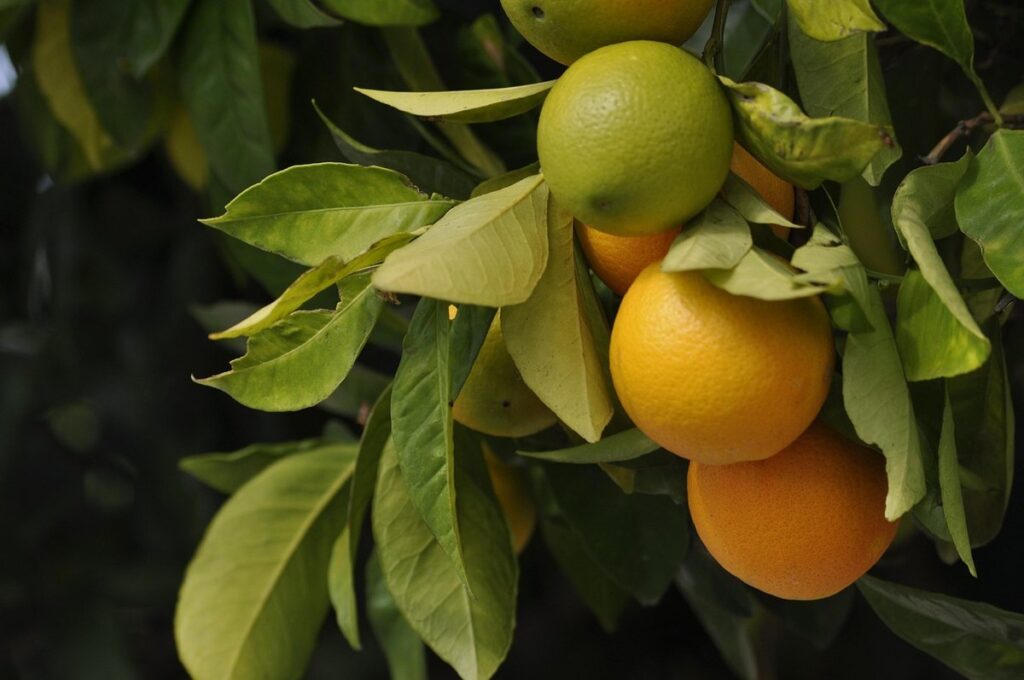
Understanding Citrus Tree Lighting Needs
To grow healthy and thriving citrus trees indoors, it’s essential to understand their unique lighting needs and how to position grow lights for optimal results. Proper placement is crucial for tree growth and fruit production.
Types of Citrus Trees and Their Lighting Requirements
When it comes to growing citrus trees indoors with grow lights, understanding their specific lighting needs is crucial for optimal growth and fruit production. Different types of citrus trees have varying growth habits and light requirements.
For instance, dwarf varieties like the ‘Dwarf Washington’ or ‘Dwarf Meyer’ require more intense light to compensate for their compact size. They thrive in bright locations with 12-14 hours of direct light per day, making them ideal for sunny windowsills or south-facing rooms. On the other hand, standard-sized trees like the ‘Washington’ or ‘Meyer’ can tolerate less intense light and may even experience burning if exposed to too much direct light.
Another factor to consider is the tree’s age. Young citrus trees typically require more light than mature ones, as they need energy for leaf growth and development. As your tree grows, you can gradually reduce the intensity of the light or move it further away from the plant. By understanding these specific needs, you can provide the right amount of light to promote healthy growth and maximize fruit production.
Some popular citrus tree varieties include:
* Dwarf Washington: Requires 12-14 hours of direct light per day
* Dwarf Meyer: Thrives in bright locations with 12-14 hours of direct light
* Washington: Can tolerate less intense light, but avoid direct sunlight
* Meyer: May experience burning if exposed to too much direct light
Factors Affecting Citrus Tree Light Requirements
The specific needs of your citrus tree, including its age, climate, soil quality, and intended use, play a significant role in determining the optimal distance for grow lights. For instance, young trees might need more intense lighting to promote healthy growth, whereas older trees may require less light as they’ve already reached maturity.
If you’re growing citrus trees for fruit production, ensure that your grow lights are positioned at a safe distance to avoid scorching the leaves and damaging potential fruit. Conversely, if you’re cultivating your tree as an ornamental piece, you might prioritize vibrant colors and foliage growth, which can be achieved with closer placement of grow lights.
Additionally, soil quality significantly impacts how citrus trees respond to light exposure. Well-draining soils generally require more intense lighting due to the increased risk of root damage from excessive water accumulation. Meanwhile, sandy soils may benefit from lower-intensity lighting as they tend to dry out quickly.
Consider these factors when placing your grow lights near your citrus tree. A general rule is to start with a closer distance and adjust based on observations of how your tree responds over time.
Benefits of Using Grow Lights for Citrus Trees
Using grow lights for citrus trees can offer numerous advantages, from improved fruit quality to increased yields and extended growing seasons. In this section, we’ll explore these benefits in more detail.
Increased Yield and Fruit Quality
When you provide citrus trees with the right amount of light, particularly during periods of reduced sunlight, they can exhibit significant improvements in yield and fruit quality. This phenomenon is largely attributed to the role of specific wavelengths of light that enhance photosynthesis.
The most beneficial wavelength for promoting photosynthesis in citrus trees lies within the blue spectrum (400-500nm). By supplementing with grow lights that emit these frequencies, you can significantly boost your tree’s ability to convert light into energy. This increase in energy production enables the tree to produce more flowers and fruits, leading to higher yields.
In addition to increased yields, targeted grow lighting also contributes to better fruit quality. Citrus trees are particularly sensitive to fluctuations in temperature, humidity, and light exposure, which can impact flavor and texture. By providing consistent, high-quality illumination with grow lights, you can mitigate these effects and enjoy a more bountiful harvest of high-quality fruits. For optimal results, ensure your grow lights are positioned at the correct distance from your citrus trees to maximize their effectiveness.
Year-Round Growth and Production
One of the most significant advantages of using grow lights for citrus trees is that they allow for year-round growth and production. Unlike natural sunlight, which is often scarce during winter months, grow lights can provide a consistent and reliable source of light for your trees to thrive.
During periods when natural sunlight is limited, such as in northern latitudes or during the winter months, grow lights help maintain optimal growing conditions. This ensures that citrus trees continue to produce fruit and grow new leaves, even when it’s too cold outside to do so naturally. For example, a study found that citrus trees grown under LED grow lights produced 25% more fruit than those grown without supplemental lighting.
Grow lights can be especially beneficial for indoor citrus tree cultivation or in areas with short growing seasons. By providing a consistent light spectrum and intensity, you can create an ideal environment for your citrus trees to flourish year-round. To maximize the benefits of grow lights, ensure they are placed at the recommended distance from your tree (which we’ll discuss further on) and adjust their height as needed to maintain optimal light levels.
Choosing the Right Grow Light Distance
When selecting a grow light distance for your citrus tree, the optimal placement is crucial to ensure proper growth and avoid burning the leaves. Let’s dive into the ideal distances for different grow lights.
Measuring Distances: Important Considerations
When measuring distances between grow lights and citrus trees, it’s essential to consider several factors that can impact light intensity and tree growth. Start by determining the light intensity you need for your specific citrus variety. If you’re growing dwarf or semi-dwarf varieties, lower light intensities are sufficient, while larger trees may require more intense lighting.
Consider the size of your citrus tree as well. Smaller trees will benefit from closer grow lights (12-18 inches away), while larger trees can be placed farther away (2-3 feet). You’ll also want to take into account any reflectors you’re using. These can amplify light intensity and reduce distances needed between the light source and tree.
To measure accurately, place a small object or stick between the grow light and tree at the desired height. Use a ruler or measuring tape to record the distance. If you notice signs of burning or scorching on your leaves, move the light slightly further away.
Recommended Distances Based on Light Types
When choosing a grow light for your citrus trees, it’s essential to consider the distance between the light and the tree itself. Different types of grow lights have varying intensity levels, which affect their optimal distance from plants. Here are some recommended distances for different grow light types:
For small citrus trees (1-2 feet tall), LED grow lights should be placed 12-18 inches away to avoid burning the leaves. This is because LEDs emit a relatively low heat and high PAR (photosynthetic active radiation) value, making them ideal for close placement.
HPS (High Pressure Sodium) grow lights, on the other hand, require more space due to their intense heat output. For small citrus trees, place HPS lights 2-3 feet away to prevent burning the leaves. However, if your tree is larger (4-6 feet tall), you can move the HPS light closer, about 1.5-2.5 feet away.
Fluorescent grow lights are another option for citrus trees. They are generally less intense than LED and HPS lights and should be placed 18-24 inches away from small citrus trees to avoid overexposure.
Potential Risks of Incorrect Lighting
If you’re not careful, incorrect lighting can have some serious consequences for your citrus trees. Let’s explore some potential risks to consider when placing grow lights near them.
Overheating and Damage to Trees
When you’re growing citrus trees indoors with grow lights, it’s essential to be mindful of their proximity to the trees. If your grow lights are too close or too far from your citrus tree, it can lead to a range of problems.
For instance, if your grow lights are placed too close to the tree, they can cause overheating, which can damage the leaves and even kill the tree. This is especially true for young or tender trees that may not be able to withstand high temperatures. On the other hand, if the lights are too far away, it can lead to reduced growth rates, as the tree won’t receive sufficient light.
To avoid these issues, make sure your grow lights are placed at a safe distance from the tree. A general rule of thumb is to place them at least 12-18 inches (30-45 cm) above the top leaves of the tree. This will provide adequate lighting while preventing overheating. Keep an eye on your tree’s temperature and adjust the light’s position accordingly.
Strategies for Minimizing Risks
Minimizing risks when it comes to grow lights and citrus trees requires some finesse. One simple yet effective strategy is to adjust the placement of your grow lights. By moving them just a few inches further away from your tree, you can significantly reduce the risk of overexposure.
Another approach is to use reflective materials in your growing space. This could be as straightforward as placing a reflective sheet or panel behind your tree to bounce light back and illuminate the area more efficiently. Not only does this minimize hotspots and uneven lighting, but it also reduces energy consumption by minimizing the need for powerful grow lights.
Implementing temperature controls is also essential when using grow lights near citrus trees. This involves monitoring the temperature of both the plant and the surrounding air to prevent overheating. Consider investing in a thermometer or even a temperature-controlled grow tent to maintain optimal temperatures between 64°F (18°C) and 75°F (24°C). By maintaining a stable environment, you can mitigate risks associated with heat stress and ensure your tree’s growth stays on track.
Best Practices for Grow Light Placement
When it comes to placing grow lights around your citrus trees, there are a few key considerations to keep in mind. Here’s how to get it right every time.
Avoiding Overlap and Hot Spots
When placing grow lights above citrus trees, it’s essential to avoid overlap and hot spots that can cause damage to leaves or lead to uneven growth. Overlap occurs when the light from multiple fixtures falls on a single spot, resulting in intense lighting that can scorch leaves or promote excessive vegetative growth. This can be mitigated by spacing grow lights at least 12-18 inches apart, depending on their intensity and coverage area.
To ensure even lighting, consider using a grid pattern to arrange your grow lights. For example, if you have four lights, place two on one side of the tree and two on the other, with each light spaced evenly apart. This will help create a balanced lighting environment that promotes healthy growth. Additionally, keep an eye out for hot spots – areas where the light is particularly intense – and adjust the placement or intensity of your grow lights accordingly. By following these strategies, you can create a well-lit citrus tree that thrives under the right conditions.
Balancing Lighting Intensity with Tree Size
When it comes to balancing lighting intensity with tree size, age, and intended use, you’ll want to fine-tune your grow light setup to optimize fruit production versus foliage growth. For instance, if you’re growing citrus trees for maximum fruit yield, you may need to adjust the lighting schedule and intensity to encourage flowering and fruiting.
As a general rule of thumb, younger or smaller trees require more intense light to stimulate healthy growth. Conversely, larger or mature trees can handle lower light intensities without compromising their overall health. This is because older trees have developed more extensive root systems and are better equipped to absorb nutrients from the soil.
For example, if you’re growing dwarf citrus varieties like ‘Dwarf Washington’ navel oranges or ‘Dwarf Meyer’ lemons, they’ll require more intense lighting to produce fruit efficiently. On the other hand, larger tree varieties like ‘Valencia’ or ‘Blood’ oranges may not need as much light and can thrive with lower intensities.
By adjusting your grow light setup according to tree size and age, you’ll be able to tailor the lighting conditions to meet their specific needs, ensuring optimal growth and fruit production.
Conclusion: Achieving Optimal Grow Light Placement
Now that you’ve learned how to optimize your grow light placement, it’s time to put it all together and achieve optimal results for your citrus trees. This final section will help you tie everything together.
Recap of Key Considerations
In conclusion, achieving optimal grow light placement around citrus trees requires careful consideration of several key factors. We’ve discussed the importance of avoiding over-exposure to intense light sources, which can lead to scorching and damage to delicate tree leaves. This was highlighted through our examination of how different distances between grow lights and citrus trees impact plant growth.
To recap, growers must weigh the benefits of increased light exposure against the potential risks associated with placing grow lights too close to their trees. By choosing a distance that balances light intensity with leaf protection, growers can minimize stress on their plants while promoting healthy growth. A good starting point is to begin with shorter distances and gradually increase them as necessary based on plant response.
In addition, we’ve emphasized the need for flexibility in adjusting grow light placement according to different growing stages of citrus trees. By adapting to changing light requirements throughout the growth cycle, growers can ensure their plants receive optimal conditions for photosynthesis and fruit production. Ultimately, a thoughtful and data-driven approach will help growers maximize the benefits of grow lighting while minimizing potential drawbacks.
Final Tips for Success
When setting up your citrus tree lighting system, it’s easy to overlook some crucial details that can make all the difference in achieving optimal results. To help you get the most out of your setup, here are a few final tips for success.
First and foremost, monitor your trees’ responses to different light placements closely. Pay attention to any changes in leaf color, growth rate, or overall health, as these can be indicative of whether the lighting is too intense or not sufficient. Adjustments may be needed along the way, so be prepared to make some tweaks based on what you observe.
Another key consideration is ensuring your grow lights are properly ventilated. This is especially important for citrus trees, which can be sensitive to temperature fluctuations. By keeping the area around your lighting system well-ventilated, you’ll not only prevent overheating but also promote healthy growth and development in your trees.
Additionally, don’t forget to factor in the type of grow lights you’re using when determining their optimal placement. Different types of lighting may have varying intensity levels or spectrums that can affect plant growth, so be sure to choose the right equipment for the job.
Lastly, remember that it’s better to start with a conservative approach and gradually increase light exposure as needed. This will help prevent any potential damage to your trees’ sensitive tissues, allowing them to thrive under optimal conditions. By following these guidelines and being attentive to your citrus tree’s needs, you’ll be well on your way to achieving success with your grow light setup.
Frequently Asked Questions
How far should I keep the grow lights from my citrus tree if I have a large, sprawling variety?
For larger, more sprawling citrus trees like the ‘Dwarf Washington’, it’s generally recommended to maintain a distance of at least 24-36 inches between the light and the center of the tree. This allows for even lighting distribution and minimizes the risk of overheating.
What if I notice my citrus tree is leaning towards the grow lights? Is that normal?
Yes, it’s not uncommon for citrus trees to lean towards the light source due to phototropism. To address this issue, you can adjust the angle of your grow lights or use a trellis to support the tree’s growth in a more balanced direction.
Can I use LED grow lights with my citrus tree if they’re designed for flowering plants?
Yes, LED grow lights can be used for citrus trees, but ensure they emit a balanced spectrum (ideally between 400-700nm) that caters to your tree’s specific needs. Some LEDs may not provide the necessary blue light for fruit production.
How often should I check and adjust the distance of my grow lights from my citrus tree?
Regularly inspect your setup, adjusting distances as needed, ideally every 1-2 weeks or when you notice changes in your tree’s growth patterns. This helps maintain optimal lighting conditions and prevents potential overheating risks.
Can I use multiple grow lights for a large citrus tree, or will that create hot spots?
Using multiple grow lights can be effective for larger trees, but ensure they’re spaced at least 12-18 inches apart to avoid creating hot spots. Monitor your tree’s response and adjust the lighting arrangement as needed to prevent overheating issues.