
When growing artichokes in your garden, one crucial aspect to get right is the spacing between plants. This may seem like a minor detail, but incorrect spacing can lead to overcrowding, reduced yields, and an increased risk of pests and diseases. With so many factors to consider – climate, variety-specific needs, growth patterns – it’s easy to get overwhelmed. That’s why understanding artichoke plant spacing is essential for a successful harvest. In this article, we’ll break down the best practices for spacing artichokes, including tips on companion planting and integrated pest management. By the end of this guide, you’ll be equipped with the knowledge to grow healthy, thriving artichokes that bring joy and flavor to your table all year round.
Understanding Artichoke Growth Patterns
To truly understand how much space your artichokes need, it’s essential to grasp their unique growth patterns and how they spread throughout the growing season. This affects not just plant density but overall yields too.
How Artichokes Grow and Spread
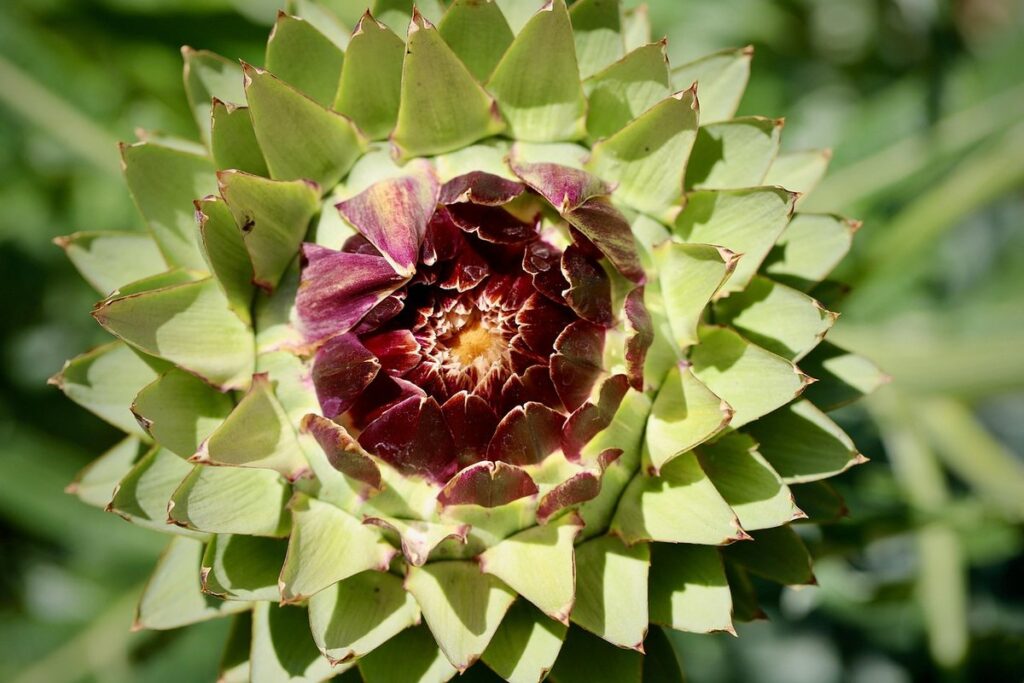
Artichokes grow from suckers and spread through underground stolons, which significantly impacts their spacing requirements. As an artichoke plant matures, it sends out new shoots called suckers, which can be harvested as smaller artichokes or allowed to grow into mature plants themselves.
These suckers are connected to the parent plant via a network of underground stolons. Over time, these stolons will produce additional suckers and roots, creating a dense mat of vegetation that can spread several feet in all directions. This process is known as “sucker propagation,” and it allows artichoke plants to quickly colonize new areas.
To accommodate this growth pattern, space your artichokes at least 3-4 feet apart, depending on the variety. However, if you’re planting multiple rows, be sure to leave enough space between each row for proper air circulation and access. This will help prevent disease and make maintenance easier. With proper spacing and care, an artichoke plant can produce a bounty of delicious artichokes for years to come.
Factors Influencing Artichoke Growth Rate
When growing artichokes, it’s essential to understand that their growth rate and density are influenced by various factors. Climate, for instance, plays a significant role in determining the optimal spacing between artichoke plants. In regions with mild winters and cool summers, like the Mediterranean climate, artichokes thrive when spaced 18-24 inches apart. However, in areas with hot summers or intense rainfall, you may need to space them further (3-4 feet) to ensure proper air circulation and prevent disease.
Soil quality is another critical factor affecting artichoke growth rates. Artichokes prefer well-draining soil that’s rich in organic matter. If your soil lacks these characteristics, it can stunt the plant’s growth or even lead to root rot. Test your soil pH and adjust it accordingly; artichokes thrive in slightly acidic to neutral conditions (pH 6.0-7.5).
Lastly, water availability significantly impacts artichoke growth rates. Consistent moisture is essential during the first year after planting. Aim for about 1 inch of water per week through a combination of rainfall and irrigation. Be cautious not to overwater, as this can lead to nutrient deficiencies and root decay.
Determining Optimal Plant Spacing
To ensure healthy and productive artichoke plants, you’ll need to determine the right spacing between them based on factors like climate, soil, and growth habits. Let’s dive into the details of plant spacing for a thriving artichoke garden.
Square Foot Gardening for Artichokes
Square foot gardening is an ideal method for growing artichokes, offering several benefits that make it a game-changer for artichoke enthusiasts. One of the primary advantages of using this technique is its ability to increase yields while reducing space requirements. By planting artichokes at a density of 3-4 per square foot, you can enjoy multiple harvests from a single bed.
This method also allows for more efficient use of resources, as plants are spaced closer together, reducing the need for extensive pruning and maintaining. With square foot gardening, you can grow a higher number of artichokes in a smaller area, making it perfect for urban gardens or compact spaces. Additionally, this technique encourages optimal root growth, resulting in healthier and more robust plants.
To implement square foot gardening for artichokes, start by creating a grid with 1×1-foot squares using wood or metal frames. Plant one artichoke per square, leaving about 2-3 inches of space between each plant. As the plants mature, you can adjust the spacing to accommodate their growth, ensuring that they receive adequate air circulation and sunlight.
Triangular vs. Rectangular Plant Patterns
When it comes to maximizing space efficiency for artichokes, the planting pattern you choose can make a significant difference. Two popular options are triangular and rectangular patterns. In this section, we’ll explore the effectiveness of each and help you decide which one is best for your garden.
Triangular plant patterns involve arranging plants in an equilateral triangle formation. This approach allows for maximum space efficiency, as each plant has equal access to sunlight and nutrients. By planting in a triangular pattern, you can fit more artichokes into a smaller area, making it ideal for small gardens or containers.
On the other hand, rectangular patterns involve planting rows of artichokes parallel to each other, with evenly spaced plants within each row. While this approach is simpler to implement and maintain, it can result in wasted space between rows. In contrast, triangular patterns allow for more flexible spacing, enabling you to adapt to changing growth patterns.
When deciding between these two options, consider the mature size of your artichoke varieties and the specific growing conditions in your garden. If you’re looking to maximize space efficiency and don’t mind a bit more complexity in planning, triangular plant patterns are likely the way to go. However, if simplicity is key or you have limited time for maintenance, rectangular patterns may be a better fit.
Calculating Optimal Spacing for Specific Varieties
When it comes to planting artichokes, knowing how much space each variety needs is crucial for optimal growth and yields. We’ll dive into calculating ideal spacing for popular artichoke varieties.
Factors Affecting Spacing Requirements
When it comes to determining optimal spacing for artichokes, several factors come into play. The mature size of the plant is one such factor that significantly influences spacing needs. For instance, large varieties like ‘Green Globe’ can reach up to 3-4 feet in diameter, requiring more space between plants than smaller varieties like ‘Imperial Star’, which top out at around 2 feet.
Another critical consideration is the spreading habits of different artichoke varieties. Some artichokes, such as ‘Purple Knight’, have a tendency to spread outwards and occupy more ground area, whereas others like ‘Red Emperor’ tend to be more compact. Growth rates also vary across different varieties, with some producing new shoots quickly, necessitating closer spacing to prevent overcrowding.
To give you an idea of what to expect, here’s a rough guide for different artichoke varieties:
* Large varieties (e.g., ‘Green Globe’): 2-3 feet between plants
* Medium varieties (e.g., ‘Imperial Star’, ‘Purple Knight’): 1.5-2.5 feet between plants
* Compact varieties (e.g., ‘Red Emperor’): 1-2 feet between plants
Example Spacing Calculations for Popular Varieties
When selecting artichoke varieties for your garden, it’s essential to consider their unique characteristics and adjust plant spacing accordingly. Let’s take a look at some popular varieties and their recommended spacing calculations.
Purple Sage (1.5-2 feet diameter): For every 12-18 inches of row length, you can fit one Purple Sage artichoke plant. Plant them 36-48 inches apart in all directions to allow for good air circulation and sunlight penetration.
Green Globe (2-3 feet diameter): Green Globe artichokes require a bit more space, with a recommended spacing of 42-60 inches between plants. For every 18-24 inches of row length, you can fit one plant.
Imperial Star (1.5-2.5 feet diameter): Imperial Star artichokes have a slightly larger spread than Purple Sage, so aim for a minimum of 48-72 inches between plants. For every 18-24 inches of row length, you can fit one plant.
Remember to adjust these calculations based on your specific growing conditions and available space in the garden.
Considerations for Container Gardening
When growing artichokes in containers, it’s essential to consider factors such as soil depth, drainage, and sunlight exposure. Let’s examine these considerations closely for a thriving harvest.
Space Limitations and Artichoke Size
When growing artichokes in containers, it’s essential to consider space limitations and plan accordingly. Artichokes can grow quite large, with mature plants spreading up to 4-6 feet in diameter. In small containers, this can quickly become a problem, as the plant will outgrow its space and become top-heavy.
To account for smaller container spaces, choose compact or dwarf varieties of artichokes that are bred specifically for container growing. These varieties typically grow to be around 2-3 feet tall and wide, making them ideal for smaller spaces.
When selecting a container, consider one with good drainage and a depth of at least 12-18 inches. This will give your artichoke roots room to grow without becoming waterlogged. Keep in mind that artichokes have a deep taproot, so make sure the container is deep enough to accommodate this.
By choosing compact varieties and selecting the right container, you can successfully grow artichokes in even the smallest of spaces. With proper planning and care, your artichoke plants will thrive and provide delicious flowers for years to come.
Potential Benefits of Container Gardening
One of the greatest advantages of container gardening is the ability to have complete control over soil quality. In traditional gardens, soil can be a major concern due to factors such as drainage issues and nutrient depletion. With container gardening, you can use high-quality potting mix specifically designed for your plants’ needs, eliminating the risk of poor soil quality.
Container gardens also offer increased accessibility, making them ideal for gardeners with mobility or space constraints. For example, a small balcony or patio can be transformed into a thriving garden, providing fresh produce right at your doorstep. This flexibility is especially beneficial for those who live in urban areas or have limited outdoor space.
Moreover, container gardening enables enhanced pest management. Since containers are isolated from the surrounding soil and environment, you can more easily monitor and control pests that might affect your plants. This allows for targeted treatments and reduced chemical usage, promoting a healthier garden ecosystem.
Troubleshooting Common Spacing Issues
If you’re struggling to get your artichoke plants growing well together, you’ve come to the right place. This section will walk you through common spacing issues and provide solutions to help you achieve a thriving garden.
Overcrowding: Symptoms and Consequences
When artichoke plants are overcrowded, it can lead to a host of problems that can significantly impact their health and productivity. One of the first signs of overcrowding is reduced yields. This occurs when plants lack sufficient space to spread out and receive adequate air circulation, leading to competition for resources like light, water, and nutrients.
As a result, overcrowded artichoke plants are more susceptible to disease, particularly those that thrive in moist environments. Fungal diseases such as powdery mildew and leaf spot can quickly spread through an overcrowded planting, weakening the plants and reducing yields even further.
Stunted growth is another symptom of overcrowding. When plants are packed too tightly together, they may grow more slowly or become lopsided due to competition for resources and space. To avoid these problems, it’s essential to provide artichoke plants with sufficient spacing to promote healthy growth and development.
Underplanting: Effects on Yields and Growth
Underplanting can significantly impact artichoke yields and growth patterns. When plants are spaced too closely together, they compete for resources like water, nutrients, and light. This competition can lead to stunted growth, reduced flower production, and lower yields. Artichokes that are underplanted may become more susceptible to disease and pests as well.
To adjust spacing for improved outcomes, consider the mature size of your artichoke variety. If you’re planting a compact or dwarf variety, you may be able to get away with closer spacing – typically 2-3 feet apart. However, for larger varieties, aim for at least 4-5 feet between plants. This will give them room to spread out and receive adequate sunlight.
In some cases, underplanting can also lead to over-maturation of the soil. This occurs when too many plants are competing for resources in a small space. To mitigate this issue, consider using a trellis or stake system to train artichokes to grow upwards rather than outwards.
Additional Tips for Effective Plant Spacing
When you’ve got your artichoke plant spacing right, it’s time to think about some extra considerations that will help you get the best results from your garden. We’ll cover a few of these key tips here.
Companion Planting Strategies
Companion planting is an age-old technique that involves growing different plants together to enhance their growth and productivity. When it comes to artichokes, strategically selecting companion plants can complement their needs while minimizing competition for resources. For instance, basil repels pests like aphids and whiteflies that target artichokes, making it a great choice as a companion plant.
Other beneficial companions include marigolds, which deter nematodes that can harm artichoke roots, and nasturtiums, which attract beneficial insects that prey on common artichoke pests. Borage is another excellent option, as its flowers attract pollinators like bees and butterflies, increasing artichoke yields.
To implement companion planting effectively with your artichokes, consider the following tips:
* Plant basil, marigolds, or nasturtiums around the perimeter of your artichoke bed to create a barrier against pests.
* Intercrop borage among your artichokes to promote pollination and increase yields.
* Choose companions that have similar growing conditions and space requirements as your artichokes.
By incorporating these companion planting strategies into your garden, you can create a harmonious and thriving ecosystem for your artichokes.
Integrated Pest Management Techniques
When it comes to artichoke plant spacing, many gardeners focus solely on ensuring optimal growing conditions and soil quality. However, maintaining a balanced ecosystem is just as crucial for the health of your plants. Integrated Pest Management (IPM) techniques are an effective way to promote this balance and reduce the need for chemical pesticides.
At its core, IPM involves a holistic approach that considers the artichoke plant’s natural defenses and resilience against pests. This includes using physical barriers, introducing beneficial insects, and employing cultural controls like crop rotation and sanitation. For example, planting marigolds or nasturtiums alongside your artichokes can repel nematodes and other pests. You can also use fine mesh to cover plants and prevent pest infestations.
To implement IPM in your garden, start by monitoring your plant’s health regularly for signs of stress or infestation. Keep a record of the types of pests you encounter and their corresponding damage levels. This information will help you identify patterns and make informed decisions about future management strategies.
Frequently Asked Questions
What if I have limited space for my artichoke garden, and I want to maximize yields?
If you’re working with a small plot or container garden, focus on selecting compact varieties that mature quickly. Consider using trellises or other supports to train the plants upwards, making the most of available space while maintaining optimal spacing.
Can I plant artichokes closer together if I’m only harvesting for their leaves?
While artichoke leaves can be harvested without affecting yields, consider the overall health and productivity of your plants. Planting too close together may increase disease transmission and competition for resources, ultimately reducing leaf yields and the quality of your harvest.
How do I handle suckers that are forming in areas where I want to plant other vegetables?
When a sucker emerges near another plant or area you’d like to use for companion planting, carefully dig it out without damaging nearby roots. You can then either replant it elsewhere or allow it to grow into a new artichoke plant. This approach will prevent competition and ensure optimal growth.
What if I notice my artichokes are overcrowding and showing signs of disease?
Overcrowding is a common issue when growing artichokes, as it increases the risk of pests and diseases spreading quickly through the plants. Prune your artichokes to maintain air circulation and promote healthy growth. Thin out overcrowded areas by removing weakest plants, allowing stronger ones to thrive.
Are there any benefits to companion planting with artichokes, especially for smaller gardens?
Companion planting can be beneficial in smaller gardens where space is limited. For example, planting marigolds alongside artichokes can repel nematodes and other pests that target artichokes. Consider pairing artichokes with nitrogen-fixing plants like legumes to improve soil fertility and support overall plant health.