
Are you tired of struggling with onion growth in your garden? Did you know that using onion transplants can make all the difference? By starting with a healthy seedling, you’ll be well on your way to growing delicious, full-bodied onions. But choosing the right variety and giving them the best conditions is crucial for success.
In this article, we’ll delve into the benefits of using onion transplants and explore how to choose the perfect variety for your garden. We’ll also provide expert advice on how to care for your seedlings from transplant to maturity, including tips on soil preparation, watering, and pest management. Whether you’re a seasoned gardener or just starting out, this guide will give you everything you need to grow healthy onions that will add flavor and excitement to your cooking. With these insider secrets, you’ll be enjoying homegrown onions in no time!
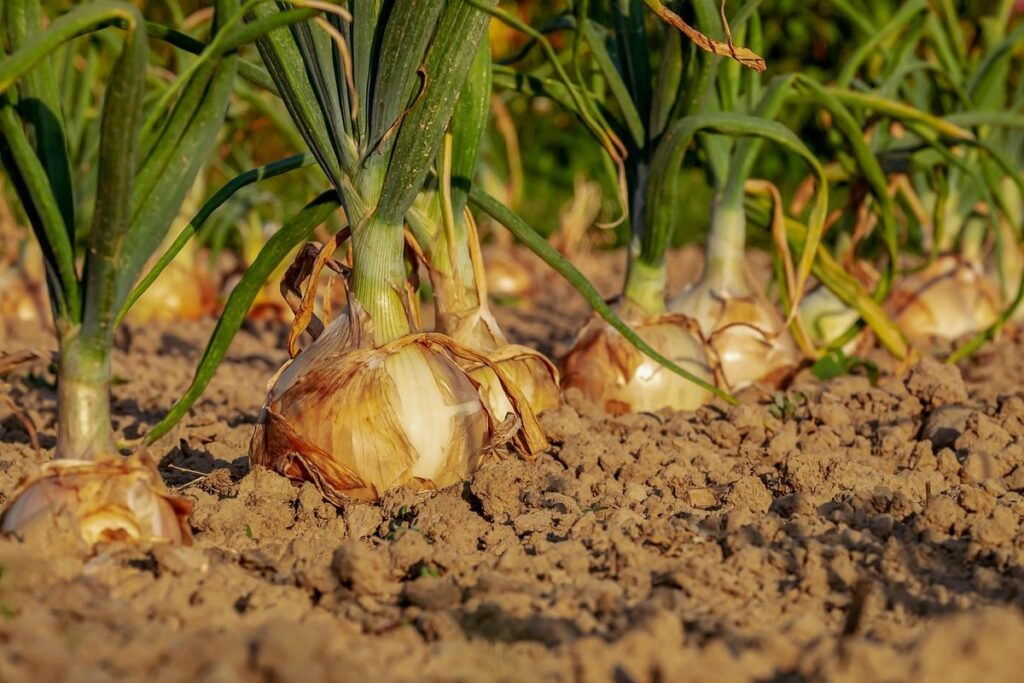
Introduction to Onion Transplants
For gardeners looking to grow onions from seed, onion transplants offer a convenient and reliable alternative. They’re perfect for getting a head start on the growing season.
What Are Onion Transplants?
Onion transplants are young onion plants that have been grown from seed in a controlled environment and then transferred to individual containers or directly into the garden. Their purpose is to provide gardeners with a head start on the growing season, allowing them to get a jumpstart on harvest time.
The benefits of using onion transplants are numerous. For one, they give you a faster harvest than sowing seeds directly in the ground. This is because onions grown from seed take around 120-150 days to mature, while those started as transplants can be ready in as little as 90-100 days. Additionally, onion transplants allow for more precise spacing and planting, reducing waste and promoting healthier growth.
When selecting an onion transplant, look for one that is about 6-8 inches tall and has at least two sets of leaves. This will give you the best chance of success in your garden. To plant, simply dig a hole that’s about twice as wide and just as deep as the container the transplant came in. Gently remove the onion from its pot and place it in the hole, making sure the crown (where the roots meet the stem) is level with the soil surface. Water well to settle the soil and provide a consistent moisture supply to get your onions off to a great start.
Importance of Using Onion Transplants for Gardening
Using onion transplants is becoming increasingly popular among gardeners due to several advantages over direct sowing. One major benefit is that transplants get a head start on the growing season. Since they’ve been started indoors, they’re already several weeks old when planted outside, allowing them to produce a harvest up to two months earlier than seedlings directly sown in the garden.
This accelerated growth also gives onion transplants an edge in terms of size and quality. They tend to develop larger bulbs and exhibit fewer pests and diseases compared to direct sowings. Moreover, transplanted onions are more resistant to wind, water stress, and other environmental factors that can impact yields.
In contrast, direct sowing requires seeds to germinate and grow from scratch, which can be unpredictable and often leads to smaller, weaker onion sets. By using onion transplants, gardeners can confidently expect a bountiful harvest with less guesswork involved.
Types of Onion Transplants
When it comes to choosing onion transplants, you have several options to consider, from sweet onions to scallions and shallots. Each type has its unique characteristics and advantages in the garden.
Seedlings vs. Sets: What’s the Difference?
When it comes to choosing onion transplants for your garden, you’ll often come across two main options: seedlings and sets. While both have their advantages, they differ significantly in terms of characteristics and growth rates.
Seedlings are young onions that have been started from seeds indoors or in a greenhouse. They’re typically harvested when the plants have 2-3 sets of leaves and can be transplanted outdoors once the weather warms up. Seedlings offer more flexibility in terms of variety, as you can grow any type of onion from seed. However, they may require additional care after transplanting to ensure a strong root system develops.
On the other hand, sets are already formed onions that have been grown and harvested specifically for replanting. They’re typically available at nurseries or garden centers in the spring. Sets are more convenient than seedlings, as they don’t require the same level of care after transplanting. However, their growth rate is slower compared to seedlings.
Ultimately, the choice between seedlings and sets comes down to your personal preference and gardening schedule. If you want a faster harvest and have time to care for young plants, seedlings may be the better option. But if you prefer a more low-maintenance approach, sets can provide a reliable crop with minimal fuss.
Hybrid vs. Open-Pollinated Onion Transplants
When it comes to onion transplants, you have two primary options: hybrid and open-pollinated. While both types can produce high-quality onions, they differ significantly in their characteristics, advantages, and disadvantages.
Hybrid onion transplants are bred for specific traits such as disease resistance, early maturity, or increased yields. They offer several benefits, including faster growth rates and higher yields. However, hybrids often lose their vigor in subsequent generations, making them less suitable for seed saving or long-term gardening plans.
On the other hand, open-pollinated onion transplants are bred to maintain their characteristics over multiple generations. This makes them ideal for gardeners who want to save seeds or grow onions consistently year after year. However, open-pollinators may not offer the same level of performance as hybrids and can be more susceptible to disease.
Ultimately, your decision between hybrid and open-pollinated onion transplants should be based on your specific needs and preferences. If you prioritize high yields and quick growth, hybrids might be the better choice. But if you’re looking for a reliable, long-term solution that allows for seed saving, open-pollinators are likely the way to go.
Some popular hybrid onion varieties include ‘Stuttgarter’ and ‘Tropea’, while ‘Texas Grano’ and ‘Ailsa Craig’ are examples of successful open-pollinated options.
How to Grow Healthy Onion Transplants
To successfully grow healthy onion transplants, you’ll need to know when and how to sow your seeds, as well as provide them with the right conditions for optimal growth.
Choosing the Right Variety for Your Climate
When selecting an onion transplant variety for your garden, it’s essential to choose one that thrives in your region’s climate and growing conditions. This ensures a healthy and robust crop. Start by checking the specific growing requirements of each variety, including temperature tolerance, moisture levels, and sunlight needs.
Consider factors like chill hours (the amount of time onions need to be exposed to cooler temperatures before they bolt) and heat tolerance when choosing a variety. For example, ‘Beltsville Bunching’ is a popular choice for cooler climates with shorter growing seasons, while ‘Texas Grano’ excels in warmer regions with longer summers.
To make the best selection, research local nurseries or seed companies that specialize in onion varieties suitable for your region. Read reviews and ask fellow gardeners about their experiences with specific varieties in your area. With a little planning and research, you’ll be able to find the perfect onion transplant variety for your climate, ensuring a successful harvest.
Preparing Soil and Seed Starting Mix
When it comes to growing healthy onion transplants, proper soil and seed starting mix preparation is crucial. Onions are a cool-season crop that prefer well-draining, fertile soil with a pH between 6.0 and 7.0. If your soil’s pH is outside this range, amend it with lime to raise the pH or sulfur to lower it.
For optimal growth, onion transplants require a balanced diet of nutrients. A seed starting mix specifically designed for onions should contain a mix of perlite, vermiculite, and peat moss to retain moisture and suppress diseases. Add a balanced fertilizer at half the recommended strength to provide essential micronutrients like nitrogen, phosphorus, and potassium.
To create your own seed starting mix, combine 2 parts of peat moss with 1 part perlite and 1 part vermiculite. Avoid using regular potting soil, as it can be too dense for onion transplants. Make sure to sterilize your seeds and seed trays to prevent any diseases from transferring.
By following these simple steps, you’ll be well on your way to growing healthy onion transplants that will thrive in your garden. Remember to keep the pH levels consistent, provide balanced nutrients, and maintain a well-draining soil environment for optimal growth.
Care and Maintenance of Onion Transplants
To ensure your onion transplants thrive, it’s essential to provide them with proper care and maintenance. This includes pruning, watering, and pest management techniques.
Watering and Fertilization Strategies
When it comes to caring for your onion transplants, providing them with optimal watering and fertilization is crucial for healthy growth. Overwatering can be detrimental, leading to rot and other issues that can quickly spread through the crop.
Aim to water your onion transplants when the top 1-2 inches of soil feel dry to the touch. This will encourage deep root development, making them more resistant to drought. Avoid getting water on the leaves or crown to prevent disease. Mulching around the plants can help retain moisture and suppress weeds.
As for fertilization, start with a balanced fertilizer (10-10-10 NPK) applied at planting time. Follow up with a side-dressing of high-nitrogen fertilizer (20-5-5 NPK) about 2 weeks after transplanting. This will promote lush green growth and prepare the onions for bulb formation.
Keep in mind that onion transplants have different nutrient requirements than mature onions. They need an initial boost to establish themselves, followed by a maintenance application to support continued growth. Regular monitoring of your plants’ response to fertilization is key to avoiding overfertilization.
Pest and Disease Management
When it comes to caring for onion transplants, managing pests and diseases is crucial to ensure healthy growth and maximum yields. One of the most common pests affecting onion transplants is the aphid, which can cause curled or distorted leaves. To control aphid infestations, use neem oil or insecticidal soap as a spray, applying it in early morning or evening when the sun is not intense.
Root maggots are another pest that can devastate onion transplants by tunneling into the roots, causing them to rot. Prevent root maggots by using row covers or fine mesh to keep adult flies from laying eggs on your plants. If an infestation occurs, remove and dispose of affected plants immediately to prevent the problem from spreading.
Common diseases affecting onion transplants include downy mildew, powdery mildew, and botrytis. To manage these diseases, ensure good air circulation by spacing your onion transplants 6-8 inches apart. Regularly inspect your plants for signs of disease and remove any affected leaves or stems to prevent the spread of infection.
Transplanting Onion Seedlings Outdoors
When transplanting onion seedlings outdoors, timing is crucial: wait until the weather warms up and the danger of frost has passed. Then, it’s time to carefully move them into their final spot in your garden.
Timing the Transplant: When to Move Seedlings Outside
When moving onion seedlings from indoor growing conditions to outdoor gardens, timing is crucial. You want to transplant them when they’re ready, but not before they’re strong enough to handle the outdoors. Generally, this happens when the seedlings have 2-3 sets of leaves and are about 6-8 inches tall.
Weather considerations are also important. Avoid transplanting during extreme weather conditions such as intense heat, heavy rainfall, or freezing temperatures. Instead, opt for overcast days with mild temperatures between 60-70°F (15-21°C). This will give the seedlings a gentle transition to outdoor conditions.
Check the soil temperature in your garden by inserting a thermometer about 2 inches deep. If it’s still too cold, wait another day or two until it reaches around 55°F (13°C). When you do transplant, water the seedlings thoroughly the night before and keep them consistently moist during the first week after transplanting. This will help them establish themselves in their new environment and reduce stress. By paying attention to weather conditions and seedling development, you can give your onion transplants a strong start outdoors.
Hardening Off Seedlings Before Transplanting
Harden off seedlings before transplanting them outdoors to ensure a smooth transition. This process allows onion transplants to adjust to outdoor conditions, reducing stress and promoting healthy growth.
The hardening off process involves gradually exposing the seedlings to outdoor temperatures, sunlight, and wind over a period of 7-10 days. Start by moving the seedlings to a shaded area outdoors for 1-2 hours a day, increasing the duration by an hour each subsequent day. Monitor the seedlings’ response and adjust the schedule as needed.
It’s essential to harden off onion transplants because they can be delicate when initially exposed to direct sunlight. Prolonged exposure can cause scorching or even kill the plant. For example, a study found that 70% of newly transplanted onions experienced sunburn within the first week of outdoor exposure.
When hardening off onion seedlings, ensure they are at least 6-8 inches tall and have two sets of leaves. This allows them to establish a strong root system before being exposed to harsher outdoor conditions.
Troubleshooting Common Issues with Onion Transplants
Don’t worry, we’ve all been there – struggling with onion transplants that just won’t thrive. This next part tackles common issues and their easy fixes to get you back on track.
Identifying and Addressing Common Problems
When growing onion transplants, you may encounter common issues that can hinder their growth and productivity. One of the most common problems is root bound seedlings. This occurs when the roots of the onion transplant have outgrown its container and are circling around the inside of it, preventing new growth.
To address this issue, check your seedlings regularly for signs of root binding, such as yellowing leaves or slowed growth. If you catch it early enough, gently remove the seedling from its pot and trim any circling roots with a pair of scissors. Replant the onion transplant in a larger container filled with fresh, well-draining soil.
Another common issue is yellowing leaves on your onion transplants. This can be caused by overwatering or underwatering, nutrient deficiencies, or even pests like aphids. To prevent yellowing leaves, ensure you’re providing your onions with consistent moisture and nutrients. Avoid overfertilizing, as this can cause more harm than good.
Keep in mind that young onion seedlings are more susceptible to pests and diseases due to their delicate state. Regularly inspect your plants for any signs of stress or damage, and take action promptly if you notice anything amiss.
Solutions to Common Challenges and Questions
One common issue with onion transplants is overwatering, which can lead to rot and reduced yields. To resolve this, ensure that the soil drains well and avoid watering too frequently. Check the moisture level by sticking your finger into the soil up to the first knuckle; if it feels dry, it’s time for more water.
Another challenge is transplant shock, where onions struggle to adapt to their new environment. To minimize this risk, harden off your onion transplants before planting them outside. Start by moving them from a shaded area to full sun over the course of 7-10 days, gradually increasing exposure.
Pests like aphids and spider mites can also be problematic for onion transplants. Use neem oil or insecticidal soap to control infestations; mix these products with water according to label instructions and spray them on the plants in the morning when they’re most active.
When faced with yellowing leaves, it’s essential not to panic. This is often a sign of nutrient deficiency rather than disease. Fertilize your onion transplants with a balanced fertilizer (10-10-10 NPK) once a month, and mulch around them to retain moisture and suppress weeds. By following these tips, you can overcome common challenges and enjoy bountiful harvests from your onion transplant crop.
Frequently Asked Questions
What are the key factors to consider when choosing a variety of onion transplant for my garden?
When selecting an onion transplant variety, consider factors like climate suitability, disease resistance, and desired harvest period. Look for varieties that mature within 90-120 days in your specific region. Also, check if the variety is suitable for your soil type and moisture levels.
How often should I water my onion transplants after transplanting them outdoors?
Water your onion transplants when the top 2-3 inches of soil feels dry to the touch. Aim for about 1 inch of water per week, either from rain or irrigation. Avoid overwatering, which can lead to rot and other issues.
Can I use a general-purpose seed starting mix for onion transplants, or do I need something specifically designed for onions?
While a general-purpose seed starting mix can work, it’s recommended to use a mix specifically formulated for bulb-forming vegetables like onions. These mixes typically contain ingredients that promote healthy root development and prevent overwatering.
How long does it take for onion transplants to mature after being transplanted outdoors?
Onion transplants generally take around 90-120 days to mature, depending on the variety and growing conditions. Keep in mind that this timeframe may vary based on your specific climate and weather patterns.
What are some common pests or diseases I should be aware of when growing onion transplants, and how can I prevent them?
Common pests and diseases affecting onion transplants include aphids, thrips, and downy mildew. To prevent these issues, maintain good sanitation practices, use physical barriers to protect seedlings, and apply organic pest control methods whenever possible. Regularly inspect your plants for signs of infestation or disease.