
Onions are one of the most widely grown vegetables, and for good reason – they’re delicious, versatile, and packed with nutrients. But did you know that proper onion spacing in your garden can make all the difference between a bountiful harvest and a disappointing yield? When onions are planted too close together, they’re more susceptible to disease and pests, which can quickly spread and decimate your crop.
In this article, we’ll explore the importance of optimizing onion spacing for better growth, health, and yields in your garden. We’ll delve into the world of companion planting, discussing which vegetables and herbs make perfect bedfellows for onions, as well as sharing expert tips on crop rotation to keep your soil healthy and productive. By the end of this article, you’ll have all the knowledge you need to plant a thriving onion crop that will delight your taste buds all season long!
Benefits of Proper Onion Spacing
When you space onions correctly, it not only improves air circulation but also reduces the risk of fungal diseases that can devastate your crop. This is especially crucial for healthy onion growth.
Understanding the Importance of Space
Proper onion spacing is crucial for optimal growth, health, and yield. When onions are spaced correctly, they have ample room to grow without overcrowding, which can lead to reduced bulb size and increased risk of disease. On the other hand, inadequate space between onions can result in weakened plants that are more susceptible to pests and diseases.
It’s essential to understand that different onion varieties have unique spacing requirements. Some compact varieties, like ‘Beltsville Bunching’, thrive in tighter spaces (6-8 inches apart), while others, such as ‘Vidalia’ or ‘Texas Grano’, require more room (12-18 inches apart). To determine the ideal spacing for your specific variety, check the seed packet or consult with a gardening expert.
By understanding and adhering to the recommended spacing for your onion variety, you can expect healthier plants, larger bulbs, and higher yields. For example, if you space onions 6-8 inches apart, you can anticipate a yield of around 20-25 pounds per 4×4 foot bed, compared to only 10-12 pounds with crowded planting.
Factors That Influence Onion Spacing
When it comes to onion spacing, various factors come into play that can significantly impact growth and development. Climate is one such factor, as different regions experience varying levels of temperature and precipitation. For instance, onions grown in areas with high temperatures tend to mature faster but may also be more susceptible to pests and diseases.
Soil type is another crucial consideration. Onions prefer well-draining soil with a pH between 6.0 and 7.0. If your garden’s soil lacks these characteristics, it can lead to root rot or reduced bulb formation. For example, if you’re growing onions in clay-heavy soil, make sure to add organic matter like compost to improve drainage.
Available sunlight is also essential for onion growth. Onions require at least six hours of direct sunlight per day to produce a decent crop. If your garden receives partial shade, you may need to adjust the spacing between rows or plants to ensure optimal growing conditions.
In addition to these factors, consider the specific variety of onion you’re cultivating, as some are more tolerant of extreme temperatures or moisture levels than others. Research the specific needs of your chosen variety and adjust your spacing accordingly to promote healthy growth and development.
Determining Optimal Onion Spacing
When growing onions, determining the optimal spacing between plants is crucial for their healthy development and to maximize yields. Let’s explore how to determine the ideal onion spacing for your garden.
Using Plant Tag Information
When planning your onion spacing, it’s essential to use the plant tag information as a starting point. Most seed packets and plant tags come with a recommended spacing chart that varies depending on the specific variety of onion you’re growing. To find this information, simply look for the product description or specifications section on the seed packet or plant tag.
Here, you’ll typically see a table or chart that lists the ideal spacing requirements for each type of onion. For example, if you’re growing ‘Texas Grano’ onions, the recommended spacing might be 4-6 inches between plants in rows that are 18-24 inches apart. It’s crucial to note these specifications and consider them when designing your garden layout.
In conjunction with plant tag information, also take into account other factors like onion maturity days, growth habits, and space constraints. For instance, if you’re growing a variety of onion that matures relatively quickly (such as ‘Vidalia’), you may want to allocate more space for better air circulation and sunlight penetration. By combining plant tag guidelines with these additional considerations, you can create an optimized spacing plan tailored to your specific garden needs.
Considering Companion Planting
Companion planting is an age-old technique that can enhance the overall growth and health of your onion crop. By strategically placing certain plants alongside onions, you can create a harmonious garden ecosystem that promotes healthy competition and mutually beneficial relationships between different species.
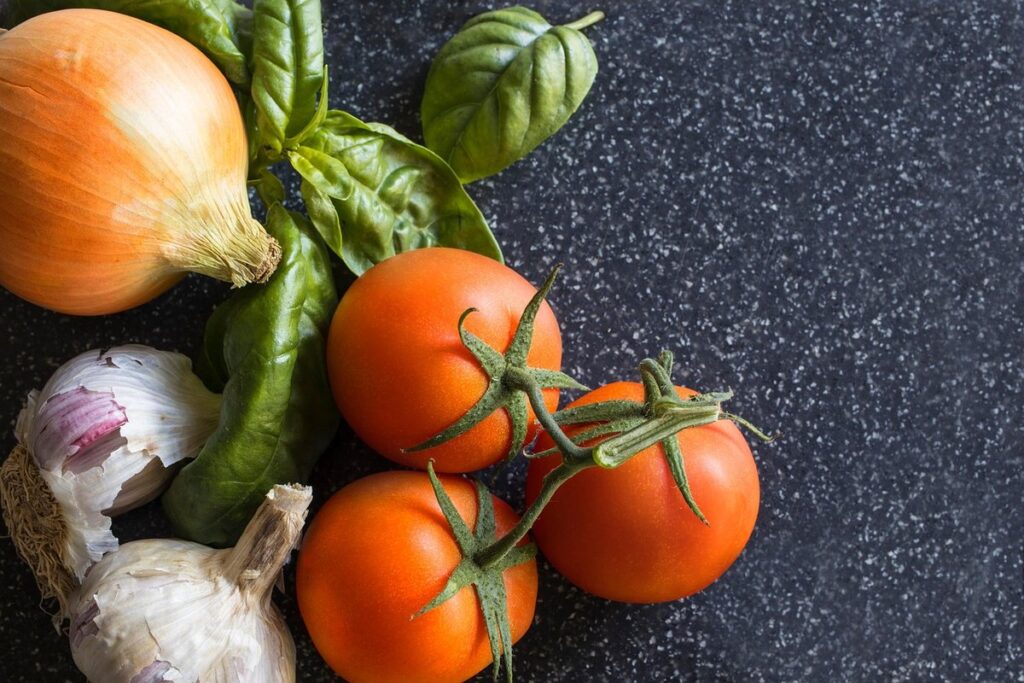
For example, basil and mint are excellent companion plants for onions as they repel pests like aphids and spider mites that target onions. Marigolds, with their bright orange and yellow flowers, also keep nematodes at bay, which can damage onion roots. On the other hand, fennel and garlic should be avoided when grown alongside onions as they may stunt or even kill them due to competition for resources.
When considering companion planting, think about the specific needs of your onion crop. If you’re growing a large onion bed, intersperse basil or mint plants throughout to create a pest-repellent barrier. For smaller plantings, simply pair onions with marigolds or calendula to promote healthy growth and deter pests.
Common Onion Spacing Mistakes
Onion spacing can be tricky, and mistakes can lead to reduced yields and uneven growth. In this section, we’ll explore common errors to avoid for a thriving onion crop.
Overcrowding: A Major Issue for Onions
Overcrowding onions can have serious consequences on their growth and yield. When onions are too close together, they compete for space, water, and nutrients, leading to reduced growth and lower yields. This congestion also increases the likelihood of disease susceptibility, as moisture accumulates between plants, creating an ideal environment for fungal and bacterial diseases to thrive.
In small or irregularly shaped gardens, it’s even more crucial to avoid overcrowding onions. A good rule of thumb is to leave at least 3-4 inches of space between each onion plant, depending on the variety. This allows for proper air circulation and sunlight penetration, which are essential for healthy growth.
To achieve optimal spacing in small gardens, consider using container gardening or raised beds with built-in spacing guides. You can also use companion planting to make the most of your space – some vegetables like garlic, chives, and marigolds repel pests that target onions, making them ideal neighbors. By prioritizing proper spacing, you’ll be rewarded with healthier, more productive onion crops.
Under-Utilizing Space
When growing onions, it’s easy to fall into the trap of under-utilizing space. This can be particularly true for smaller gardens or plots where every inch counts. However, using every available space is crucial to maximizing yields and getting the most out of your onion crop.
To make the most of small areas, start by planting onions in rows, rather than individual plants spaced far apart. This not only saves space but also helps with air circulation and reduces disease transmission between plants. Consider using raised beds or containers, which can be easily arranged in a compact formation to make the most of tight spaces.
Another effective strategy is to intercrop onions with other vegetables that have similar growing requirements. For example, planting onions among rows of lettuce or radishes can help fill gaps and create a productive onion bed without taking up too much space. By thinking creatively about how to use every available inch, you can optimize your onion yields and make the most of your garden’s potential.
Onion Spacing for Different Varieties
Not all onions are created equal, and each variety has its own unique spacing needs. Let’s take a look at how to space popular onion varieties in your garden.
Shallots and Scallions: Special Considerations
When it comes to shallots and scallions, their unique growth habits set them apart from other onion varieties. Shallots, for instance, typically grow smaller bulbs that multiply underground, making them more compact than other onions. To accommodate this, space shallot sets 4-6 inches apart in rows that are 12-18 inches apart. This closer spacing allows the plants to form a dense mat, promoting healthy growth and reducing competition for resources.
Scallions, on the other hand, are a different story altogether. They’re essentially immature onions, harvested before they reach full size. Their spacing requirements depend largely on how you plan to use them – as green onions or allowed to mature into bulbs. If using as greens, space scallion sets 2-3 inches apart in rows that are 6-12 inches apart. If allowing them to mature, follow the same spacing guidelines as shallots.
It’s essential to note that both shallots and scallions benefit from consistent moisture and well-draining soil to prevent bulb rot and other issues. By understanding their unique growth habits and spacing requirements, you’ll be able to coax the best results from these versatile onion varieties.
Storage and Keeping Onions Healthy
Maintaining proper onion spacing is crucial not just during the initial planting phase but throughout the growing season. As onions mature and their bulbs swell, they’ll begin to compete for space, water, and nutrients. This can lead to reduced yields and compromised bulb quality.
To avoid these issues, consider crop rotation when planning your garden layout. Onions are a member of the Allium family, which includes garlic, leeks, and chives. To prevent soil-borne diseases from affecting future crops, rotate your onion beds with other vegetables like tomatoes, peppers, or cucumbers every 2-3 years.
Pest management is also vital to keeping onions healthy. Watch for signs of onion flies, aphids, and spider mites, and address any infestations promptly using organic methods whenever possible. After harvest, store your onions in a cool, dry place with good ventilation to prevent moisture buildup. It’s essential to trim the tops, leaving about an inch of stem attached to each bulb, before storing. This helps preserve moisture levels within the bulb, keeping it fresh for longer.
Tips for Implementing Onion Spacing Plans
Now that you have a solid understanding of onion spacing principles, let’s dive into practical tips for implementing these plans in your own garden. This section will cover essential considerations to ensure success.
Planning Ahead: Considerations Before Planting
Before diving into planting onions, take some time to plan and prepare your garden bed. This will ensure that your onions have a healthy start and produce the best results possible.
When assessing your soil quality, consider factors such as pH levels, nutrient content, and drainage. Onions prefer well-draining soil with a slightly acidic to neutral pH (around 6.0-7.0). Test your soil regularly to determine if it needs amendments like fertilizers or lime.
Sunlight exposure is also crucial for onion growth. Make sure the area receives at least six hours of direct sunlight per day. Also, be aware that onions require a cool period to form bulbs, so they benefit from being planted in areas with some shade during peak summer months.
When planning your garden bed layout, take into account the mature size of each onion variety. Leave enough space between plants for them to grow without overcrowding and promoting disease spread.
Monitoring Progress and Adjusting as Needed
Monitoring onion growth and adjusting spacing plans as needed is crucial for maximizing yields and preventing overcrowding. As onions mature, it’s essential to keep a close eye on their growth and adjust the spacing plan accordingly.
A common issue that can arise from inadequate spacing is reduced air circulation around individual plants. This can lead to an increased risk of fungal diseases like powdery mildew and botrytis. To prevent this, make sure to leave enough space between rows (typically 1-2 feet) to allow for good air circulation.
Signs that onions may need more space include:
* Leaves becoming tangled or crowded
* Slow growth due to competition for resources
* Increased susceptibility to pests and diseases
To address these issues, consider transplanting smaller onion plants to new locations with more generous spacing. Alternatively, remove weak or struggling plants to prevent overcrowding and promote healthy growth among the remaining onions.
Onion Spacing: A Year-Round Consideration
As a gardener, you’ll want to consider onion spacing throughout the growing season to ensure healthy plants and prevent overcrowding. Let’s dive into some practical tips for year-round onion spacing.
Preparing for Next Season’s Onions
Maintaining a year-round focus on onion spacing is crucial for optimizing yields and improving overall garden health. By considering crop rotation and soil improvement throughout the seasons, you can create an ideal environment for your onions to thrive.
When planning your next season’s onion crop, it’s essential to think about crop rotation. This involves rotating onion varieties, rather than planting the same type of onion in the same spot year after year. For example, if you planted red onions last season, consider planting yellow or white onions this time around. Not only does this help prevent soil-borne diseases from building up, but it also allows for better nutrient utilization.
Soil improvement is another critical aspect to focus on throughout the seasons. Consider incorporating compost or well-rotted manure into your soil each autumn to boost fertility and structure. This will give your onions a head start come springtime when they need all the nutrients they can get. As you clear out old onion plants, be sure to leave behind any debris that can serve as a natural mulch and help retain moisture in the soil.
Before planting new onions each spring, prepare the garden bed by loosening the top 8-10 inches of soil with a fork or tiller. This will ensure good root penetration and prevent soil compaction. If necessary, add an extra layer of compost or well-rotted manure to give your onions an initial boost.
Remember, preparing for next season’s onions is all about creating a sustainable and productive garden ecosystem. By paying attention to crop rotation, soil improvement, and bed preparation, you’ll be well on your way to growing healthy, flavorful onions year after year.
Frequently Asked Questions
What are some common mistakes to avoid when implementing optimal onion spacing?
Make sure to measure the mature size of your onion variety and leave enough space for growth. Overcrowding is a major issue, so ensure you’re not planting too many onions per square foot.
How do I determine if my soil quality affects onion spacing requirements?
Yes, soil type and quality can impact onion growth. For example, clay soils may require more space to prevent waterlogging, while sandy soils might need less due to faster drainage.
Can I use companion planting with all types of onions?
While many vegetables complement onions well, some like members of the Brassica family (broccoli, cauliflower) should be planted separately to avoid disease transmission. Research specific companion planting recommendations for your variety.
How often should I inspect my onion crop for signs of overcrowding or disease?
Regular inspections are crucial, especially during critical growth periods. Check your onions every 1-2 weeks, monitoring for yellowing leaves, reduced growth rates, and other indicators of stress.
What are some strategies for maintaining optimal onion spacing throughout the growing season?
Keep an eye on crop rotation and adjust spacing as needed based on plant performance. Also, consider using trellises or supports to maximize space utilization and promote healthy growth.