
If you’re one of the many gardeners out there who can’t seem to get their okra plants thriving, you might be wondering where things are going wrong. Perhaps your okra plants are struggling with disease or not producing as much as you’d like. The truth is, spacing and pruning are two crucial factors in growing healthy, productive okra plants. By mastering these techniques, you can increase yields, prevent diseases, and enjoy a bountiful harvest of this nutritious summer staple. In this article, we’ll delve into the world of okra care, exploring the best practices for spacing your okra seeds and pruning your mature plants to promote healthy growth and maximize your crop’s potential. Whether you’re a seasoned gardener or just starting out, these tips will help you unlock the secrets of successful okra cultivation.
Understanding Okra’s Growth Habit
To grow healthy okra plants, it’s essential to understand their growth habit and how it impacts your spacing and pruning decisions. Let’s take a closer look at okra’s unique growth patterns.
Okra’s Growth Pattern
When you plant okra, it’s essential to consider its growth pattern to ensure optimal yields. As mentioned earlier, okra is a warm-season crop that grows quite tall, typically reaching heights of 6-8 feet. Its deep taproot allows it to absorb water and nutrients efficiently from the soil, but it also contributes to its sprawling habit.
This characteristic makes it necessary to provide sufficient space between okra plants for healthy growth. If you fail to do so, expect a tangled mess of stems and leaves competing for sunlight and resources. To avoid this situation, plant okra at least 12-18 inches apart in rows that are 3-4 feet wide. This spacing will also facilitate air circulation, which is crucial in preventing diseases like powdery mildew and leaf spot.
Keep an eye on your okra plants as they grow, and be prepared to prune them regularly to maintain their shape and encourage vertical growth.
Benefits of Proper Spacing
Proper spacing is essential for promoting healthy growth and reducing disease risk in okra plants. When plants are crowded together, they’re more susceptible to fungal diseases that thrive in humid environments. By providing adequate space between each plant, you allow for good air circulation, which helps prevent the spread of disease.
In ideal conditions, aim for a spacing of 12-18 inches (30-45 cm) between each okra plant. This allows for sufficient room for growth and encourages vertical stem production, reducing the risk of fungal diseases. For example, if you’re planting in a row, make sure to leave at least 3-4 feet (90-120 cm) of space between rows.
By giving your okra plants enough breathing room, you’ll also promote healthy growth and encourage more fruit production. With proper spacing, you can enjoy a bountiful harvest and minimize the risk of disease-related losses. Remember, it’s better to err on the side of caution and provide extra space for optimal growth and development.
Determining Optimal Spacing
To determine optimal okra spacing, you’ll want to consider factors such as mature plant size and air circulation needs. Let’s explore some guidelines for successful spacing.
Factors Affecting Spacing
When determining optimal okra spacing, several factors come into play. First and foremost, consider the mature size of your okra plants. Okras can grow quite tall, some varieties reaching heights of over 10 feet. To avoid overcrowding and allow for good air circulation, it’s essential to give them enough space to spread out.
Soil quality is another critical factor. If your soil is poor or heavy clay, you may need to provide more space between plants to prevent waterlogged roots and promote healthy growth. On the other hand, if your soil is well-draining and fertile, you can get away with closer spacing.
Climate also plays a significant role in determining optimal okra spacing. In cooler climates, where okras are often grown as an annual crop, you may need to provide more space between plants to prevent damage from frost. Conversely, in warmer climates, you can opt for tighter spacing and train the vines to climb up a trellis or other support.
Lastly, consider your intended use of the okra plant. Are you growing it for its edible pods, or do you want to maintain its ornamental value? If it’s for vegetables, you’ll likely need more space between plants to ensure easy access and promote healthy growth.
Recommended Spacing Guidelines
When it comes to planting okra, proper spacing is crucial for healthy growth and optimal yields. As mentioned earlier, a general rule of thumb is to plant rows that are 3 feet apart. However, within these rows, you should leave about 12-18 inches between each plant.
This spacing allows for adequate air circulation around the plants, which helps prevent fungal diseases like powdery mildew and root rot. It also gives the large leaves room to unfurl without becoming entangled with neighboring plants. Additionally, this spacing promotes even growth and development, reducing competition among the okra plants.
To put this into practice, imagine planting a row of okra seeds 3 feet apart from each other. As they grow, leave about 12-18 inches between each seedling to allow for healthy growth and air circulation. You can also space them closer together in containers or smaller spaces if necessary. Just be sure to monitor the plants’ development and adjust as needed.
Okra Pruning Techniques
When it comes to pruning okra, knowing when and how to trim your plants is crucial for maximum yields. We’ll walk you through effective techniques to keep your okra plants healthy and productive.
Removing Suckers and Weak Growth
Removing suckers and weak growth is an essential part of maintaining healthy okra plants. These unwanted growths can divert nutrients away from the main stem, weakening its ability to produce fruit. As a result, removing them encourages the plant to focus its energy on producing robust stems and abundant flowers.
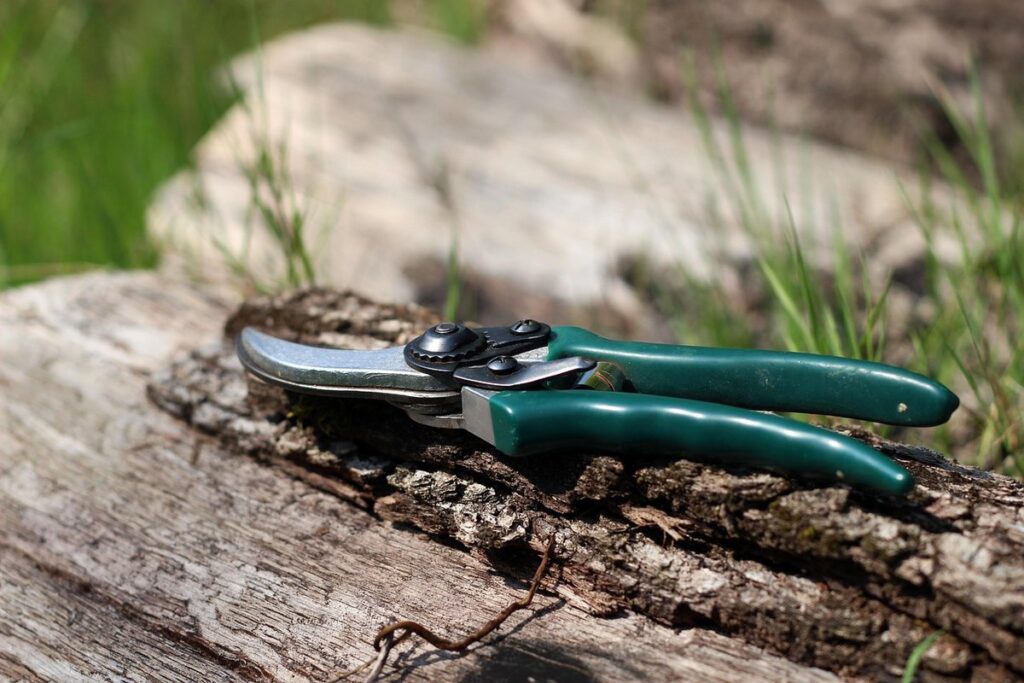
To identify suckers, look for new shoots that grow from the base of the plant or between the nodes (where the leaves meet the stem). These can be distinguished from the main stem by their smaller size and thinner texture. Remove any suckers by cutting them off at the base with a pair of clean pruning shears.
Similarly, weak growths should also be removed. These are often recognizable by their spindly or leggy appearance, and may not produce as many flowers as desired. To remove weak growths, cut them back to about one-third of their length using a sharp knife or pruning shears. This will encourage the remaining stem to put its energy into producing healthy new growth.
Pinching and Tipping
When it comes to promoting bushy growth and preventing early flowering in okra plants, one of the most effective techniques is pinching off flower buds. This may seem counterintuitive, as you’re essentially removing the part of the plant that produces flowers and fruits. However, by doing so, you’ll encourage the plant to focus its energy on developing a robust stem and leaf structure.
This technique should be done when your okra seedlings are around 6-8 inches tall. Simply pinch off the top flower bud using your thumb and index finger, making sure to remove it at the base of the bud. This will cause the plant to redirect its energy towards producing new growth rather than focusing on flowering. By doing so, you’ll end up with a more compact, bushy plant that’s better able to support its own weight and is less susceptible to disease.
In addition to pinching off flower buds, another key technique for controlling okra height is tipping off the terminal bud. This involves removing the very tip of the main stem, which will prevent the plant from growing too tall and leggy. By doing so, you’ll encourage the plant to produce more lateral growth, resulting in a fuller, more balanced plant.
Pruning for Specific Purposes
When it comes to growing okra, pruning is not just a matter of aesthetics – it can also be used to control plant size, encourage fruiting, and even promote bushy growth in compact varieties.
Encouraging Bushy Growth
To encourage bushy growth in okra plants, it’s essential to prune them regularly. Pruning not only maintains a bushy shape but also promotes fruiting and increases yields. When pruning for bushy growth, focus on maintaining the plant’s natural shape while removing any weak or damaged branches.
Prune your okra plants every 7-10 days during the growing season, removing about one-third of the plant’s foliage each time. This will encourage new growth and help the plant spread outwards, producing more stems and leaves. To promote bushy growth, remove any tall, leggy stems by cutting them back to about a third of their length. This will cause the plant to produce more lateral shoots, resulting in a fuller and more compact shape.
Regular pruning also helps to reduce wind damage and prevents okra plants from becoming too leggy. By maintaining a bushy shape, you’ll promote even fruiting and increase yields, ensuring a bountiful harvest of delicious okra pods.
Managing Height
When it comes to managing height, okra plants can become quite unruly if left unchecked. As they grow, the stems can stretch upwards of 6 feet tall, making them top-heavy and prone to wind damage. To prevent this, you’ll want to tie the stems to stakes or prune them back regularly.
Tying stems to stakes is a great option for okra plants that are already quite tall. Use soft materials like twine or clips to avoid damaging the stem. Make sure to secure the stake at least 2-3 feet from the base of the plant, leaving enough room for growth. This will encourage more branching and promote a fuller plant.
Pruning back stems is another effective way to control height. Cut the tips of the stems about 6 inches from the top, just above a node (where a leaf meets the stem). This will stimulate new growth and produce more side shoots. By pruning regularly, you can maintain your okra plants at a manageable height while promoting healthy growth and increasing yields.
Common Mistakes to Avoid
When growing okra, it’s easy to make mistakes that can impact yields and overall plant health. This section highlights common errors to watch out for in your spacing and pruning practices.
Insufficient Spacing
When planting okra, it’s essential to leave sufficient space between each plant to allow for proper growth and prevent disease spread. Planting too close together can lead to a range of problems, from reduced yields to increased susceptibility to pests and diseases.
One of the primary issues with overcrowding is the increased risk of fungal diseases like powdery mildew or leaf spot. These pathogens thrive in humid environments, which are created when plants are packed tightly together. As a result, disease can spread quickly through the okra crop, causing significant losses.
To avoid this problem, make sure to plant okra at least 12-18 inches apart, depending on the variety. Some dwarf or compact varieties may require even more space to prevent overcrowding. Remember that it’s better to err on the side of caution and give your okra plants plenty of room to breathe. This will not only promote healthy growth but also ensure a bountiful harvest at the end of the season.
Over-Pruning
Over-pruning okra can have severe consequences on the plant’s health and productivity. When you remove too much of the foliage, you inadvertently weaken the plant’s defenses against pests and diseases. This can lead to a cascade of problems, including increased susceptibility to common okra pests like aphids, whiteflies, and spider mites.
When okra plants are under stress due to excessive pruning, they may become more appealing to these pests. As a result, you may end up with a severe infestation that can be difficult to control. Moreover, over-pruning also reduces the plant’s ability to defend itself against diseases like powdery mildew and leaf spot.
To avoid this common mistake, it’s essential to prune your okra plants judiciously. Remove only the damaged or diseased leaves and stems, making clean cuts just above a node (where a leaf meets the stem). This will encourage new growth while minimizing stress on the plant. Prune no more than one-third of the foliage at a time to maintain the plant’s overall health and vigor.
Conclusion and Tips for Success
Now that you’ve learned how to properly space and prune your okra plants, let’s wrap up by sharing some final tips for a successful harvest.
Recap of Key Takeaways
To ensure the continued health and productivity of your okra plants, it’s essential to revisit the key takeaways from this comprehensive guide. Proper spacing is crucial for healthy growth, allowing for sufficient air circulation and sunlight penetration. Avoid overcrowding, which can lead to fungal diseases and reduced yields.
In addition to proper spacing, pruning plays a vital role in maintaining a thriving okra crop. Regular pruning helps control plant height, promotes bushy growth, and encourages fruiting. By removing lower leaves and weak growth tips, you’ll direct the plant’s energy towards producing more pods.
Remember, timing is everything when it comes to pruning. Prune your okra plants about 1-2 weeks after transplanting, then again after they’ve reached about 12 inches tall. This will help prevent legginess and promote a bushy, productive habit. By implementing these spacing and pruning techniques, you’ll be well on your way to harvesting a bountiful crop of delicious okra.
Additional Considerations
When cultivating okra, there are several additional considerations to keep in mind for success. For instance, okra plants can be quite thirsty, so ensure they receive at least 1-2 inches of water per week, either through rainfall or irrigation. Mulching around the base of the plant helps retain moisture and suppress weeds.
Another crucial aspect is maintaining a balanced fertilizer regimen. Okra plants require a diet rich in nitrogen, phosphorus, and potassium. Use a well-balanced fertilizer (such as 10-10-10 N-P-K) according to package instructions, taking care not to over-fertilize, which can lead to weak or leggy growth.
Regular monitoring for pests and diseases is also essential. Keep an eye out for common okra pests like aphids, whiteflies, and hornworms, as well as fungal infections such as powdery mildew. By being proactive in addressing these issues, you’ll minimize the risk of damage to your crop.
Lastly, remember that okra plants are sensitive to wind and frost, so provide some protection during extreme weather conditions to ensure they remain healthy throughout their growth cycle.
Frequently Asked Questions
What if I’m short on space, but still want to grow okra with optimal spacing?
If you’re limited by space, consider growing compact or bush varieties of okra that can thrive in smaller areas (about 12-18 inches apart). These varieties are naturally more upright and produce fewer suckers, making them ideal for small gardens. By choosing a suitable variety, you can still enjoy a bountiful harvest without sacrificing valuable garden real estate.
How do I know if my okra plants need extra support?
Okra’s tall growth habit makes it susceptible to wind damage and toppling over. Check your plants regularly, especially during strong winds or heavy rainfall. If the stems begin to bend or show signs of breakage, consider providing temporary stakes for added stability. Remove these supports once the plants have reached a stable height.
Can I prune my okra plants too much without harming them?
Yes, pruning can be beneficial for promoting bushy growth and preventing disease. However, over-pruning (removing more than 20% of the plant’s foliage) can weaken your okra plants and reduce yields. Prune judiciously, focusing on removing weak or diseased growth, suckers, and tips to encourage a balanced canopy.
What are some common mistakes to avoid when pruning my okra?
Over-pruning is one of the most common errors gardeners make with okra. Avoid cutting too much foliage, as this can stress your plants and reduce their ability to produce pods. Also, be cautious not to remove more than 50% of the plant’s growth at any given time, as this can lead to stunted or delayed production.
How do I handle suckers on my okra plants without damaging the main stem?
Remove suckers (shoots that grow from the base of the plant) when they’re small and tender. Use a sharp, clean tool to cut them off at soil level, making sure not to damage any surrounding roots or growth. This will help redirect energy toward producing more pods rather than allowing weak shoots to compete with the main stem for resources.