
If you’re looking to add some unique beauty to your garden, you’ve come to the right place. Oakleaf hydrangeas are a popular choice among gardeners due to their stunning foliage and vibrant blooms. But with so many types to choose from, it can be overwhelming to decide which one is best for you. In this article, we’ll delve into some of the most popular oakleaf hydrangea varieties, including Snow Queen, Alice, and more. You’ll learn about their growth habits, climate requirements, and care tips to ensure your new addition thrives. Whether you’re a seasoned gardener or just starting out, our guide will help you find the perfect oakleaf hydrangea for your space. By the end of this article, you’ll be well-equipped to make an informed decision and enjoy years of beauty from your oakleaf hydrangea plants.
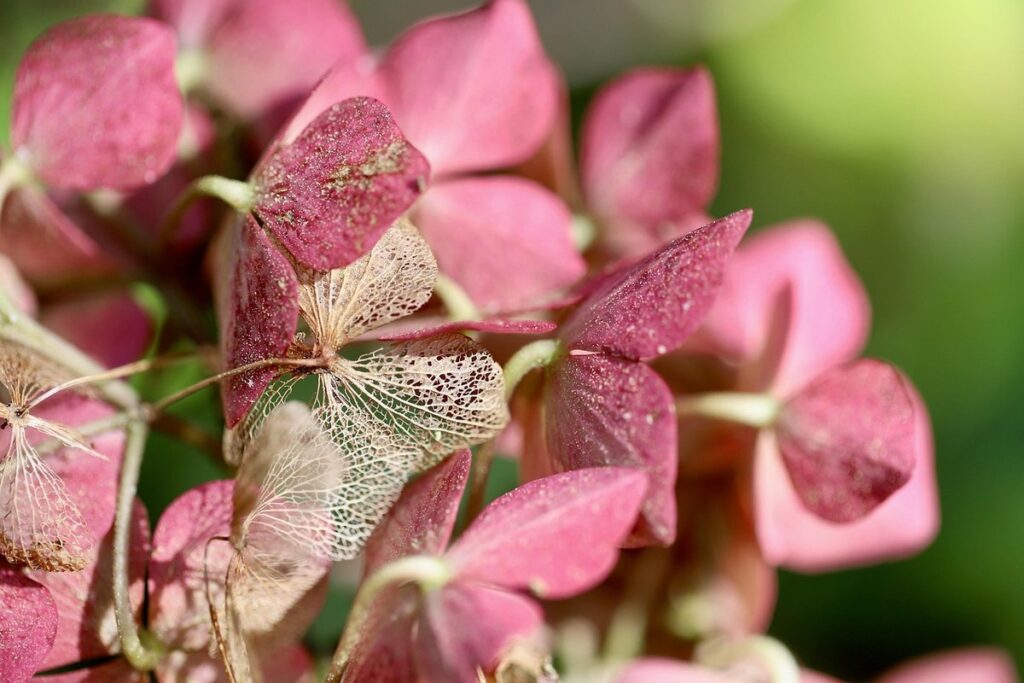
Introduction to Oakleaf Hydrangeas
Let’s get started on your journey to learn more about these stunning plants, where we’ll delve into the basics of oakleaf hydrangeas and their unique characteristics.
What are Oakleaf Hydrangeas?
Oakleaf hydrangeas are a type of flowering shrub that’s as charming as it is unique. Their botanical name, Hydrangea quercifolia, hints at their connection to the natural world – ‘quercifolia’ comes from the Latin words for ‘oak’ and ‘leaf,’ which refers to the distinctive shape of their foliage.
Native to the southeastern United States, oakleaf hydrangeas thrive in well-drained acidic soils and partial shade. This means that if you’re looking to plant one in your garden, make sure it’s getting about 4-6 hours of direct sunlight per day and has access to moist, but not waterlogged, soil.
One of the standout features of oakleaf hydrangeas is their ability to adapt to different environments. They can tolerate a range of temperatures, from -20°F to 90°F (-29°C to 32°C), making them a great choice for gardeners in zones with unpredictable weather patterns. As they grow and mature, these shrubs develop a beautiful, rounded shape that adds texture and interest to any landscape – all while providing a stunning display of white blooms in the late spring.
Importance of Choosing the Right Oakleaf Hydrangea Type
Choosing the right Oakleaf Hydrangea type is crucial for gardeners and homeowners, as it ensures that their plant thrives in its environment. Climate plays a significant role in selecting the perfect Oakleaf Hydrangea. For example, if you live in USDA Zone 6 or colder, Big Sky Blue is an excellent choice due to its cold hardiness. On the other hand, those living in warmer climates can opt for the Oakleaf Hydrangea ‘Snowflake’ which tolerates heat and humidity well.
Soil type is another essential factor to consider. If you have acidic soil with a pH below 6.0, ‘Tardiva’ is an ideal choice as it prefers slightly acidic conditions. For gardeners with alkaline soils, Big Sky Blue or Grandiflora are suitable options since they can tolerate higher pH levels.
Lastly, the desired appearance of your Oakleaf Hydrangea should also be taken into account. If you want a compact shrub, ‘Tardiva’ is an excellent option as it grows up to 3-4 feet tall and wide. For those seeking a larger plant with showy flowers, Grandiflora or Big Sky Blue would be perfect choices.
Popular Oakleaf Hydrangea Varieties
If you’re looking for a stunning addition to your garden, we’ve got you covered! Let’s dive into some of the most popular oakleaf hydrangea varieties that are sure to impress.
‘Snow Queen’ Oakleaf Hydrangea: A Dwarf Variety
The ‘Snow Queen’ Oakleaf Hydrangea is a dwarf variety that has gained popularity among gardeners due to its compact growth habit and stunning flowers. Reaching a mature height of around 3-4 feet, this hydrangea is perfect for small gardens or containers. Its growth habit is more upright than other varieties, making it an excellent choice for hedges or borders.
One of the standout features of ‘Snow Queen’ is its large white flowers that bloom in mid to late summer. These flowers are not only beautiful but also long-lasting, providing a splash of color in your garden during a time when many other plants have finished blooming. In terms of disease resistance, ‘Snow Queen’ has shown good resistance to powdery mildew and leaf spot, making it a low-maintenance option.
To get the most out of your ‘Snow Queen’, plant it in well-draining soil with partial shade. This will help prevent root rot and ensure that the hydrangea stays healthy throughout the growing season. Water regularly, but avoid overwatering, which can lead to disease issues. With proper care, the ‘Snow Queen’ will provide you with years of beautiful blooms and add a touch of elegance to your garden.
‘Alice’ Oakleaf Hydrangea: A Large-Paned Variation
If you’re looking for an oakleaf hydrangea that makes a statement, ‘Alice’ is an excellent choice. This variety stands out from the crowd with its robust habit and large panicles of white flowers. In contrast to some other varieties, ‘Alice’ can grow quite tall, typically reaching between 6-8 feet in height, making it perfect for hedges or screens.
One of the most notable features of ‘Alice’ is its cold hardiness. This variety can tolerate temperatures as low as -20°F, making it an excellent choice for gardeners living in colder climates. Its large panicles also provide a striking display of white flowers in late summer and early fall, drawing in pollinators and adding visual interest to the landscape.
To grow ‘Alice’ successfully, be sure to plant it in well-draining soil with partial shade. Regular watering is essential, but avoid overwatering, which can lead to root rot. With proper care, this variety will provide years of beauty and structure to your garden.
Other Notable Oakleaf Hydrangea Varieties
In addition to ‘Big Blue,’ several other notable Oakleaf Hydrangea varieties offer unique characteristics and uses in landscaping. One such variety is ‘Ruby Slippers’ (Hydrangea quercifolia ‘Ruby Slippers’), known for its vibrant red stems that provide year-round interest in the garden. This compact, deciduous shrub grows up to 3-4 feet tall and wide, making it an excellent choice for small spaces or containers.
Another notable variety is ‘Tardiva’ (Hydrangea quercifolia ‘Tardiva’), which boasts large white flowers that bloom in late summer and early fall. This variety offers an extended blooming period compared to other Oakleaf Hydrangeas, providing a beautiful display of color just when many other flowering shrubs have finished.
If you’re looking for a more compact option with unique foliage, consider ‘Snowflake’ (Hydrangea quercifolia ‘Snowflake’). This dwarf variety features white-tipped leaves and grows up to 2-3 feet tall and wide. Its small size makes it perfect for containers or small gardens where space is limited.
When choosing a variety of Oakleaf Hydrangea, consider the mature size, bloom period, and unique characteristics that fit your specific landscaping needs. By selecting one of these notable varieties, you can add year-round interest and beauty to your garden.
Growing Conditions for Oakleaf Hydrangeas
To give your oakleaf hydrangea its best shot, you’ll want to provide it with some specific growing conditions that include partial shade and well-drained acidic soil.
Climate and Soil Requirements
Oakleaf hydrangeas thrive in temperate climates with moderate temperatures. They typically perform best in zones 5-8, where winters are cold enough to induce dormancy and summers are warm but not scorching hot. If you’re growing an oakleaf hydrangea in a colder climate, be sure to choose a cultivar that’s specifically bred for hardiness.
When it comes to soil pH, oakleaf hydrangeas prefer slightly acidic to neutral conditions, ranging from 6.0-7.5 on the pH scale. Avoid planting them in alkaline soils, as this can lead to nutrient deficiencies and reduced growth. If your soil is too alkaline, consider adding sulfur or elemental iron to lower the pH.
Moisture requirements are moderate, with oakleaf hydrangeas needing about 1 inch of water per week during the growing season. Consistent moisture levels promote healthy root development and prevent leaf scorch. However, be cautious not to overwater, as this can lead to root rot and other problems. Mulching around the base helps retain soil moisture while suppressing weeds and regulating temperature fluctuations.
Keep in mind that oakleaf hydrangeas grown in containers may require more frequent watering due to their smaller root system and increased evaporation rates.
Sunlight and Pruning Needs
When it comes to sunlight and pruning needs for oakleaf hydrangeas, there’s some good news: these plants are relatively adaptable and can thrive in a variety of conditions. However, the specific type of oakleaf hydrangea you have will determine its exact requirements.
Bigleaf oakleaf hydrangeas (Hydrangea quercifolia ‘Alice’) tend to perform best in partial shade to full sun, while panicle types like Hydrangea quercifolia ‘Limelight’ prefer at least six hours of direct sunlight per day. Oakleaf varieties with pink flowers often require more shade than those with white blooms.
In terms of pruning, oakleaf hydrangeas typically benefit from regular maintenance in late winter or early spring, removing any dead, diseased, or damaged branches. You can also prune back the stems by about one-third to encourage new growth and promote a fuller appearance.
Keep in mind that over-pruning can be detrimental to these plants, so it’s essential to strike a balance between shaping the plant and allowing it to thrive. A general rule of thumb is to remove no more than 25% of the branches each year.
Care and Maintenance Tips
To keep your oakleaf hydrangea looking its best, it’s essential to follow some simple care and maintenance tips that will ensure its health and vibrancy year after year.
Watering and Mulching
When it comes to maintaining the health and beauty of your oakleaf hydrangea, proper watering and mulching practices are crucial. Watering, in particular, can be a delicate matter, as over-watering is just as detrimental as under-watering.
Aim to water your oakleaf hydrangea when the top 2-3 inches of soil feel dry to the touch. This usually translates to about once or twice a week during hot summer months and less frequently during cooler periods. Be mindful of weather forecasts, as sudden rain showers can negate the need for watering. On the other hand, if you’re experiencing a drought, be sure to water deeply but infrequently to encourage deep root growth.
Mulching is another essential aspect of oakleaf hydrangea care. Apply a 2-3 inch layer of organic mulch (such as wood chips or bark) around the base of your plant to retain moisture and regulate soil temperature. As the mulch breaks down, it will also provide nutrients to the surrounding soil. Refrain from piling mulch against the trunk, as this can encourage decay and damage the roots. By following these simple tips, you’ll be well on your way to establishing a thriving oakleaf hydrangea with robust foliage and healthy roots.
Fertilization and Pest Control
When it comes to keeping your oakleaf hydrangea thriving, fertilization and pest control are crucial aspects of its care. Oakleaf hydrangeas prefer well-draining soil with a slightly acidic pH, so it’s essential to choose a fertilizer that caters to these specific needs.
For optimal growth, feed your oakleaf hydrangea with an acidic fertilizer (around 5-10-10 NPK ratio) during the growing season (spring-fall). You can also add compost or well-rotted manure to provide nutrients and improve soil structure. However, avoid overfertilizing, as this can lead to weak growth and reduced blooms.
Regularly inspect your oakleaf hydrangea for signs of pest infestations, such as aphids, spider mites, or scale insects. These pests often appear as small white dots on the leaves or stems. To control an infestation, use neem oil or insecticidal soap, following the product’s instructions carefully.
Monitor your plant regularly, and take action promptly to prevent pest populations from getting out of hand.
Conclusion: Choosing the Right Oakleaf Hydrangea Type
Now that you’ve learned about the different types of oakleaf hydrangeas, it’s time to choose the one that suits your garden needs and preferences. Let’s discuss how to make an informed decision.
Recap of Key Takeaways
In reviewing our discussion on oakleaf hydrangea types, let’s summarize the key takeaways to ensure you’re equipped with the essential knowledge for selecting and caring for these stunning shrubs. When it comes to growing conditions, Big Leaf Oakleaf Hydrangeas tend to thrive in moist, well-drained soil, while Little Henry Oakleaf Hydrangeas prefer drier conditions and can tolerate some drought.
As for care requirements, all oakleaf hydrangea types benefit from regular watering during their first year of growth. However, it’s essential to note that overwatering can lead to root rot and other issues. Fertilization should be done annually, using a balanced fertilizer to promote healthy growth and blooming. Pruning is also crucial for maintaining the desired shape and size of your oakleaf hydrangea.
When choosing between Big Leaf and Little Henry Oakleaf Hydrangeas, remember that Big Leaf varieties tend to grow larger and produce more flowers, while Little Henry options are more compact and better suited for smaller spaces. By considering these factors and providing the right growing conditions and care, you’ll be well on your way to enjoying the beauty of oakleaf hydrangea in your garden or landscape.
Final Tips for Selecting the Perfect Variety
When selecting the perfect oakleaf hydrangea type for your garden, it’s essential to consider several factors. Think about the mature size of the plant and ensure it will fit comfortably into its designated space. If you’re short on room or prefer a more compact option, look for dwarf varieties like ‘Tardiva’ or ‘Grandiflora’. These selections typically grow between 3-6 feet in height and width.
Another crucial aspect to consider is the foliage color and texture. Do you prefer the classic deep green leaves of the standard oakleaf hydrangea (H. quercifolia) or the more vibrant, lime-green hues of ‘Wilma’ or ‘Moonlight’? Maybe you’re drawn to the unique, twisted leaf patterns found on ‘Sike’s Dwarf’. Whatever your preference, there’s an oakleaf hydrangea type out there for you.
Finally, don’t overlook the importance of flower color and blooming time. Do you want a tree that provides year-round interest with its beautiful foliage or one that showcases stunning white flowers in late summer? Perhaps you’re looking for a variety that combines both attributes. Whatever your priority, take the time to research different oakleaf hydrangea types and choose the one that best suits your needs and lifestyle.
Frequently Asked Questions
Can I grow oakleaf hydrangeas in containers?
Yes, you can grow oakleaf hydrangeas in containers, but make sure the container is at least 12-18 inches deep to accommodate their deep taproots. Use a well-draining potting mix and ensure the plant receives partial shade and consistent moisture.
How do I care for my oakleaf hydrangea in winter?
To protect your oakleaf hydrangea from harsh winters, apply a thick layer of mulch around the base of the plant to insulate the roots. You can also wrap the branches with burlap or bring potted plants under cover to shield them from extreme cold and wind.
Can I prune my oakleaf hydrangea in spring?
No, it’s best to prune your oakleaf hydrangea in late winter or early spring, before new growth begins. This allows you to shape the plant and remove any dead or damaged branches without harming the current season’s blooms.
How long does it take for an oakleaf hydrangea to mature?
Oakleaf hydrangeas typically take 3-5 years to reach their full height of 6-8 feet, but they will start producing flowers within 2-3 years after planting. Be patient and provide your plant with the right growing conditions to ensure optimal growth.
Can I propagate oakleaf hydrangea through cuttings?
Yes, you can propagate oakleaf hydrangea through stem cuttings in the summer or fall. Take 4-6 inch stem sections, remove lower leaves, and dip in rooting hormone before planting them in a well-draining mix. Keep the soil consistently moist until roots develop.
What are some common pests that target oakleaf hydrangeas?
Oakleaf hydrangeas can be susceptible to pests like aphids, spider mites, and scale. Regularly inspect your plants for signs of infestation and use organic or chemical controls as needed to prevent damage.