
Are you tired of relying on synthetic fertilizers to give your garden the nutrients it needs? Nitrogen-fixing plants are here to revolutionize the way you think about soil health. These incredible plants have the power to convert atmospheric nitrogen into a form that’s easily accessible for other plants, reducing the need for external fertilizers and promoting eco-friendly gardening practices.
In this article, we’ll delve into the benefits of incorporating nitrogen-fixing plants into your garden, from improved soil health to increased crop yields. We’ll also explore the different types of these amazing plants and provide tips on how to care for them effectively. Whether you’re a seasoned gardener or just starting out, learn how to harness the power of nitrogen-fixing plants to create a thriving, sustainable garden that requires less maintenance and produces more results.
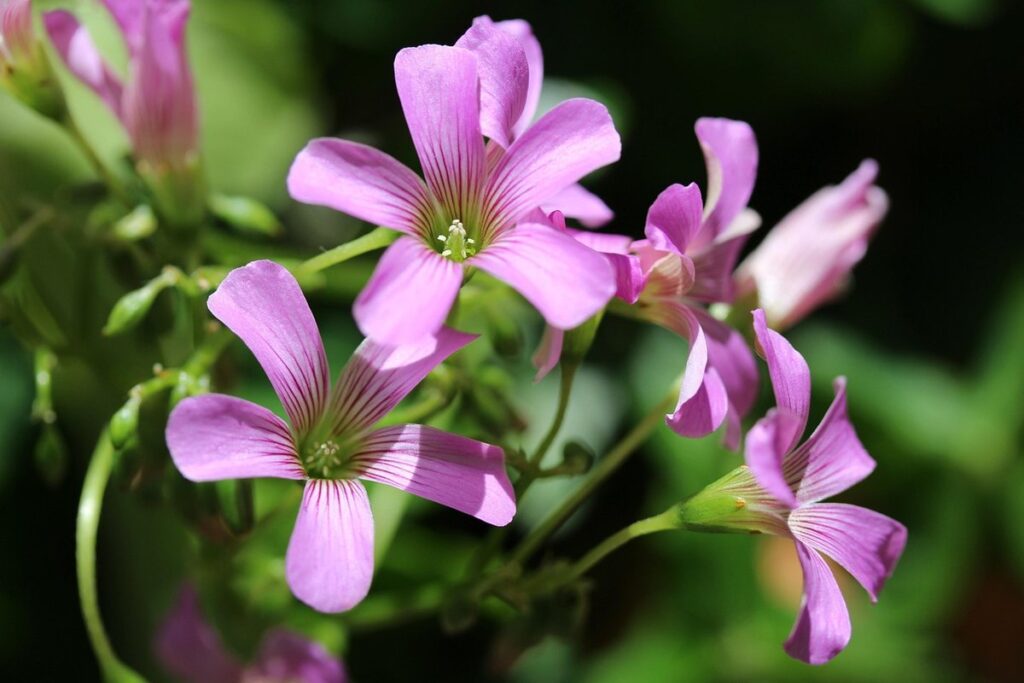
What are Nitrogen-Fixing Plants?
Nitrogen-fixing plants are incredible organisms that have adapted to convert atmospheric nitrogen into a usable form for their growth and development. Let’s explore what makes them so special.
Definition and Importance of Nitrogen Fixation
Nitrogen-fixing plants play a crucial role in maintaining soil health and fertility. These plants have the unique ability to convert atmospheric nitrogen (N2) into a usable form for other organisms through a process called nitrogen fixation. This process is essential for sustainable gardening as it reduces the need for synthetic fertilizers, which can pollute waterways and harm the environment.
In ecosystems where nitrogen-fixing plants are present, they act as “nitrogen banks,” storing excess nitrogen in their roots or nodules. When these plants die or decompose, the stored nitrogen is released back into the soil, providing a natural source of fertility for other plants to grow. This process not only sustains plant growth but also promotes biodiversity and ecosystem resilience.
By incorporating nitrogen-fixing plants into your garden, you can create a more sustainable and balanced ecosystem that requires fewer external inputs. Legumes like beans, peas, and lentils are some examples of nitrogen-fixing plants that are easy to grow and can be incorporated into various gardening practices.
Benefits of Using Nitrogen-Fixing Plants in Your Garden
When you incorporate nitrogen-fixing plants into your garden, you’ll start to notice a range of benefits that can have a profound impact on your soil health and overall plant growth. One of the most significant advantages is improved soil fertility. These plants produce nodules on their roots where bacteria convert atmospheric nitrogen (N2) into a form that’s accessible to other plants. This natural process eliminates the need for synthetic fertilizers, which can harm beneficial microorganisms in the soil.
By using nitrogen-fixing plants, you’ll also see an increase in crop yields. These plants act as a reservoir of readily available nitrogen, providing your crops with the nutrients they need to thrive. For example, beans and peas are two common examples of nitrogen-fixing legumes that can boost yields in your garden. Another benefit is reduced fertilizer usage – by having these nitrogen-fixing plants in place, you’ll require fewer synthetic fertilizers, saving you money and minimizing waste.
This not only enhances the health of your soil but also reduces your environmental footprint.
Types of Nitrogen-Fixing Plants
Let’s dive into some amazing examples, shall we? We’ll explore various types of nitrogen-fixing plants that can enrich your garden’s soil and support local ecosystems.
Legumes: The Most Common Nitrogen-Fixing Plant Family
Legumes are the most common family of nitrogen-fixing plants, and for good reason. They’re incredibly versatile, easy to grow, and packed with nutrients. The legume family includes beans, lentils, peas, peanuts, and chickpeas, among others. These plants have a unique relationship with beneficial bacteria in their roots, which convert atmospheric nitrogen into a form that’s usable by the plant.
One of the best things about legumes is how easy they are to incorporate into your garden. They can be grown as annuals or perennials, and many varieties are suitable for containers or small spaces. In fact, beans and peas are some of the most productive nitrogen-fixing plants you can grow in a backyard garden. By incorporating legumes into your rotation, you can reduce the need for synthetic fertilizers and create a more balanced ecosystem.
In terms of using legumes in different garden settings, consider planting them as companion crops with vegetables or other nitrogen-hungry plants. For example, planting beans alongside corn and squash is a classic technique known as the “Three Sisters” method. This approach not only provides shade for the soil but also creates a mutually beneficial relationship between the plants.
Non-Legume Nitrogen-Fixers: Bacteria, Actinorhizal Plants, and Cyanobacteria
In addition to legumes, there are several other types of plants that can fix nitrogen from the air. These non-legume nitrogen-fixers form symbiotic relationships with various microorganisms to convert atmospheric nitrogen into a usable form for plant growth.
One such group is bacteria, specifically those belonging to the genus Frankia. These bacteria live in the roots of actinorhizal plants and provide them with essential nutrients. In return, the plants supply their bacterial partners with carbohydrates produced during photosynthesis. Examples of actinorhizal plants include alder trees (Alnus spp.), bayberry bushes (Morella spp.), and jojoba shrubs (Simmondsia chinensis).
Cyanobacteria are another type of non-legume nitrogen-fixer. These ancient microorganisms can form symbiotic relationships with various hosts, including fungi and algae. They produce nitrogen-fixing enzymes, such as nitrogenase, which convert atmospheric nitrogen into ammonia.
Some plants have co-evolved to host cyanobacteria within their tissues. An example is the coralroot orchid (Corallorhiza odontorhiza), which relies on its cyanobacterial partners for nutrient acquisition in low-nutrient environments.
How Nitrogen-Fixing Plants Work
Nitrogen-fixing plants have a special trick up their sleeves, allowing them to convert atmospheric nitrogen into a usable form for your garden. Let’s dive in and explore this fascinating process.
The Process of Nitrogen Fixation
So, you want to know the magic behind nitrogen fixation? Well, it’s actually quite fascinating! Nitrogen-fixing plants have evolved a unique ability to convert atmospheric nitrogen (N2) into a usable form for plant growth. This process is essential for their survival and also provides a valuable service to surrounding crops by enriching the soil with nitrogen.
Here’s how it works: legumes, like beans and peas, have special bacteria called Rhizobia that live in their roots. These bacteria produce enzymes that convert atmospheric N2 into ammonia (NH3), which is then used by the plant. This process is known as symbiotic nitrogen fixation, because both the plant and the bacteria benefit from it.
In return for providing the plant with nitrogen, the bacteria receive a safe haven to live in, carbohydrates produced during photosynthesis, and protection from predators. It’s a win-win situation! Other nitrogen-fixing plants, like certain grasses and clover, don’t have Rhizobia but can still produce enzymes that convert N2 into ammonia.
This process is crucial for sustainable gardening because it reduces the need for synthetic fertilizers, which can harm the environment and contaminate waterways. By incorporating nitrogen-fixing plants into your garden, you’ll be creating a more balanced ecosystem that’s kinder to the planet.
Key Factors Influencing Nitrogen Fixation Efficiency
When it comes to cultivating nitrogen-fixing plants, understanding the key factors that influence their efficiency is crucial. The efficiency of nitrogen fixation can be affected by several environmental and biological factors.
Soil pH plays a significant role in determining nitrogen fixation efficiency. Most legumes, such as beans and lentils, have an optimal growth range between pH 6.0 and 7.0. If the soil’s pH falls outside this range, it may reduce the plant’s ability to fix atmospheric nitrogen. For instance, if you’re growing soybeans in alkaline soils, you might need to adjust the pH by adding acidic materials.
Temperature also affects nitrogen fixation efficiency. Legumes typically require a temperature between 15°C and 25°C for optimal nitrogen fixation. Soil moisture levels are another critical factor, as drought can significantly reduce nitrogen fixation rates. Adequate nutrient availability is equally important, with phosphorus being particularly essential for effective nitrogen fixation. In general, maintaining well-balanced soil fertility through regular fertilization or composting can support efficient nitrogen fixation in your garden.
Choosing the Right Nitrogen-Fixing Plants for Your Garden
When it comes to selecting nitrogen-fixing plants, you’ll want to consider factors such as soil type, climate, and space constraints in your garden. Let’s explore some of the top options that thrive in different conditions.
Climate Considerations: Selecting Plants Suitable for Your Region
When selecting nitrogen-fixing plants for your garden, it’s essential to consider the climate conditions in your region. This is where plant hardiness zones come into play. By understanding which zone your area falls under, you can choose plants that are adapted to your local temperature and precipitation patterns.
For example, if you live in a colder climate with short growing seasons (Zone 3-4), you’ll want to focus on nitrogen-fixing plants like clover or alfalfa that can tolerate frost. On the other hand, if you live in a warmer region with long growing seasons (Zone 8-10), you may prefer heat-tolerant options like beans or peas.
It’s also crucial to consider the specific climate conditions of your garden, such as soil type and moisture levels. Some nitrogen-fixing plants are more sensitive to drought than others, so be sure to research which varieties thrive in your local environment. By taking these factors into account, you can create a thriving nitrogen-fixing plant ecosystem that’s tailored to your region’s unique climate conditions.
Companion Planting Strategies to Enhance Nitrogen Fixation
Companion planting is a powerful tool for enhancing nitrogen fixation in your garden. By strategically pairing nitrogen-fixing plants with others that complement their growth habits and nutrient requirements, you can create a more efficient and sustainable growing environment.
One popular technique is intercropping, where multiple crops are grown together to promote healthy competition and mutual benefit. For example, planting beans alongside corn and squash (known as the “Three Sisters”) creates a symbiotic relationship where the beans provide nitrogen for the corn and squash, while the corn stalks support the beans’ growth.
Crop rotation is another essential strategy for boosting nitrogen fixation. By rotating your crops seasonally or annually, you can prevent soil depletion and maintain optimal nutrient levels. For instance, following a legume crop like alfalfa with a cereal crop like oats will allow the legumes to replenish the soil’s nitrogen reserves.
When selecting companion plants, consider those that provide shade, suppress pests, or attract beneficial pollinators. Incorporating cover crops, such as clover or rye, can also help maintain soil health and structure. By incorporating these simple yet effective techniques into your gardening routine, you’ll be well on your way to maximizing nitrogen fixation in your garden.
Growing and Maintaining Nitrogen-Fixing Plants
Now that you’ve learned about the benefits of nitrogen-fixing plants, let’s dive into how to cultivate and care for these amazing specimens in your garden. We’ll cover essential tips for their growth and maintenance.
Propagation Methods: Seeds, Cuttings, and Transplanting
Propagation methods for nitrogen-fixing plants are essential for their survival and growth. When it comes to propagating these plants, you have several options: seeds, cuttings, and transplanting. Each method has its advantages and challenges.
Starting from seeds is a cost-effective way to propagate nitrogen-fixing plants. However, the process can be lengthy, taking anywhere from 60 to 90 days for germination. To prepare seeds for sowing, ensure they are fresh and not past their shelf life. Treat them with a fungicide or acid wash to break dormancy and improve germination rates.
Cuttings involve rooting stems in water or soil. This method is suitable for plants like alfalfa and clover that can grow new roots quickly. When taking cuttings, make sure the stem section has at least two nodes and some leaves. Place the cutting in a glass of water or a propagation tray filled with potting mix.
Transplanting seedlings from one location to another requires care to minimize stress. Harden off seedlings by gradually exposing them to outdoor conditions over 7-10 days before transplanting. Water thoroughly after transplanting, and keep the soil consistently moist during the first few weeks.
Managing Soil Health to Support Nitrogen Fixation
Maintaining healthy soil conditions is essential for supporting nitrogen fixation in plants. This process involves creating an environment that fosters beneficial microbial activity, which converts atmospheric nitrogen into a form usable by plants. One effective strategy is crop rotation. By alternating between nitrogen-fixing and non-nitrogen fixing crops, you can optimize nutrient cycling and reduce the risk of depleting soil nutrients.
To further promote soil health, incorporate organic amendments such as compost or well-rotted manure. These add beneficial microbes to the soil while also improving its structure and fertility. Mulching is another valuable practice. A thick layer of mulch helps regulate soil temperature, retains moisture, and suppresses weeds that can compete with your nitrogen-fixing plants for resources.
When selecting organic amendments, choose materials rich in microbial activity. Compost made from diverse organic matter is particularly beneficial. It supports the growth of beneficial microbes that contribute to nitrogen fixation. Similarly, mulches derived from wood or plant residues are ideal for promoting soil health and supporting the activities of nitrogen-fixing bacteria.
Challenges and Limitations of Nitrogen-Fixing Plants
While nitrogen-fixing plants offer many benefits, there are some challenges to consider when growing them, from soil compatibility to pest resistance. Let’s take a closer look at these limitations together.
Common Issues: Insect Pests, Diseases, and Nutrient Deficiencies
As you nurture your nitrogen-fixing plants, it’s essential to be aware of common challenges that can impact their health and productivity. Insect pests, diseases, and nutrient deficiencies are some of the most prevalent issues facing these plants.
Insect pests, such as aphids, whiteflies, and spider mites, can weaken nitrogen-fixing plants by sucking sap or spreading disease. To manage these pests, adopt an integrated pest management (IPM) approach that includes physical barriers, biological controls like beneficial insects, and targeted pesticides. For example, introducing ladybugs to control aphid populations is a natural and effective method.
Diseases like powdery mildew, rust, and leaf spot can also afflict nitrogen-fixing plants, particularly those with poor air circulation or waterlogged soil. To prevent disease outbreaks, maintain good hygiene by disinfecting tools and removing weeds that can harbor pathogens. Regularly inspect your plants for signs of disease and take action promptly to prevent its spread.
Nutrient deficiencies, including nitrogen, phosphorus, and potassium, can also affect plant growth and nitrogen fixation. Soil tests can help identify specific nutrient deficiencies, allowing you to amend the soil accordingly. For instance, adding compost or well-rotted manure can improve soil fertility and support healthy plant growth.
Optimizing Nitrogen Fixation in Industrial and Agricultural Settings
In industrial and agricultural settings, nitrogen-fixing plants have immense potential for optimizing production processes. For instance, bioreactors can be designed to cultivate these plants on a large scale, providing an efficient way to produce high-quality biomass for various applications.
The use of nitrogen-fixing plants in agriculture can significantly enhance crop yields by providing a natural source of fixed nitrogen, thereby reducing the need for synthetic fertilizers. Farmers can adopt large-scale cultivation practices, such as planting cover crops or intercropping, to maximize the benefits of these plants.
One innovative approach is using genetically engineered nitrogen-fixing crops that can thrive in various environments and conditions. This technology enables farmers to cultivate these crops in regions with poor soil quality, making sustainable agriculture more accessible worldwide.
To optimize nitrogen fixation in industrial settings, companies can utilize bioreactors equipped with specialized aeration systems and nutrient-rich media. These controlled environments facilitate optimal growth rates and increased nitrogen-fixation capabilities.
Some notable examples of large-scale cultivation practices include the use of legume-based rotations and green manure management. By implementing these techniques, farmers can maintain soil fertility while minimizing environmental impact.
For those looking to implement similar practices on a smaller scale, start by assessing your specific needs and available resources. Identify suitable nitrogen-fixing plant species for your climate and region, then create a tailored cultivation plan that incorporates optimal growing conditions and nutrient management strategies.
Frequently Asked Questions
Can I use nitrogen-fixing plants in containers or do they need a lot of space?
You can definitely grow nitrogen-fixing plants in containers, but it’s essential to ensure the container is at least 6-8 inches deep and has good drainage. This will allow for healthy root development and adequate soil depth for efficient nitrogen fixation.
How long does it take for nitrogen-fixing plants to start producing benefits?
The time it takes for nitrogen-fixing plants to produce benefits varies depending on factors like plant type, climate, and soil health. Generally, you can expect to see noticeable improvements in soil fertility within 3-6 months after planting. However, some legumes may start fixing nitrogen as early as 1-2 weeks after germination.
Can I grow multiple types of nitrogen-fixing plants together?
Yes! Companion planting strategies can enhance nitrogen fixation efficiency and promote healthy plant growth. For example, growing beans with corn or peas with carrots can create a mutually beneficial environment for these legumes to thrive. Research specific combinations that work well in your region and climate.
How do I know if my nitrogen-fixing plants are working effectively?
Regularly test your soil’s nitrogen levels to assess the effectiveness of your nitrogen-fixing plants. You can use a soil testing kit or consult with a local nursery or extension office for guidance on soil testing procedures. Also, observe changes in plant growth and color, as improved nutrient availability will likely lead to healthier plants.
Can I propagate nitrogen-fixing plants through cuttings?
While some legumes like beans and peas can be propagated through seeds, others may require more advanced methods like tissue culture or grafting. Research the specific propagation requirements for your chosen nitrogen-fixing plant species to ensure successful growth and maintenance.