
If you’re a gardener or farmer, you know how frustrating it can be to see your plants struggling with yellowing leaves and stunted growth. Nitrogen deficiency is a common problem that affects many types of plants, causing them to become weak and vulnerable to diseases. But what exactly is nitrogen deficiency, and how do you identify it? In this article, we’ll take a closer look at the effects of nitrogen deficiency on plant growth, productivity, and susceptibility to diseases. We’ll also provide practical tips on how to diagnose and prevent nitrogen deficiency in your plants, including signs to watch out for, causes of the problem, and ways to ensure you’re giving your plants the right nutrients they need to thrive. By understanding how to manage nitrogen deficiency, you can help your plants grow strong and healthy.
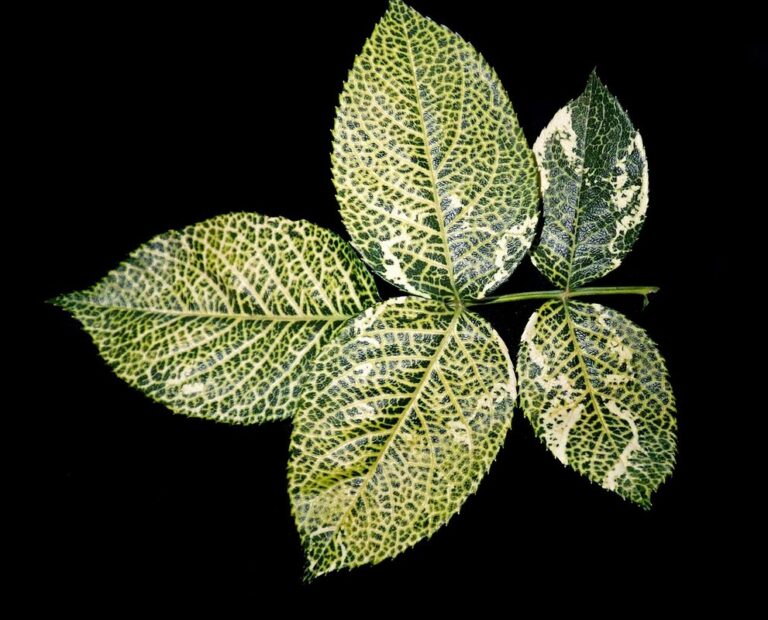
Understanding Nitrogen Deficiency in Plants
Nitrogen deficiency is a common issue that can cause significant harm to your plants, so let’s break down what it looks like and how you can identify it.
What is Nitrogen and Its Importance
Nitrogen is one of the most essential nutrients for plant growth, playing a vital role in photosynthesis, protein synthesis, and cell division. It’s a key component of chlorophyll, which gives plants their green color and allows them to absorb sunlight for energy. Without sufficient nitrogen, plants struggle to grow and thrive.
In fact, nitrogen is the most abundant element in the Earth’s atmosphere, making up about 78% of it. However, plant roots can’t absorb atmospheric nitrogen directly; they need help from microorganisms like bacteria and fungi that convert nitrogen into a usable form. This process, known as nitrogen fixation, is essential for healthy plant growth.
A nitrogen-rich diet supports strong stem and root development, promotes leaf growth, and enhances overall plant health. Without it, plants may exhibit yellowing leaves, stunted growth, or reduced yields. When selecting fertilizers or soil amendments, look for products high in nitrogen content to ensure your plants receive the nutrients they need.
Common Signs of Nitrogen Deficiency
Nitrogen is an essential nutrient for plant growth, playing a crucial role in photosynthesis, protein synthesis, and cell division. However, if nitrogen levels are too low, it can manifest as one of the most common signs of nitrogen deficiency in plants – the yellowing or pale coloration of leaves.
If you notice your once lush green leaves turning pale yellow, this is often an indication that your plant needs a boost of nitrogen-rich nutrients. But how do you know if it’s just a minor nutritional gap or something more serious? Here are some common signs to look out for:
* Pale yellowing or fading of older leaves: This is usually the first sign of nitrogen deficiency.
* Yellowing of new growth: If the newer growth is also affected, this indicates a severe nitrogen shortage.
* Wilting and reduced plant vigor: Nitrogen promotes healthy growth, so if your plants are not thriving despite proper watering, it might be due to inadequate nitrogen supply.
To confirm whether it’s indeed a nitrogen deficiency issue, inspect for other signs like stunted growth or weakened stem structure.
Factors Contributing to Nitrogen Deficiency
Soil quality is one of the primary factors contributing to nitrogen deficiency. Nitrogen is an essential nutrient for plant growth, and its availability in the soil determines whether plants will thrive or suffer from deficiency symptoms. Soil with low organic matter content, high pH levels, or inadequate microbial activity can limit nitrogen uptake by plants.
Climate also plays a significant role in nitrogen deficiency. Extreme temperatures, droughts, or excessive rainfall can disrupt nitrogen cycling processes, leading to reduced availability of this essential nutrient for plant growth. For instance, a study conducted in Australia found that maize yields declined significantly due to nitrogen deficiency during periods of high temperature and low rainfall.
Over-fertilization is another factor contributing to nitrogen deficiency. While it may seem counterintuitive, overuse of nitrogen-rich fertilizers can lead to soil degradation, leaching of nutrients, and reduced microbial activity – ultimately resulting in decreased nitrogen availability for plants. To mitigate this issue, gardeners should adopt a balanced fertilizer approach that takes into account the specific needs of their crops. Regular soil testing is also crucial to determine nutrient levels and prevent over-fertilization.
Identifying Nitrogen Deficiency Leaves
If you suspect that a nitrogen deficiency is causing your plant’s leaves to turn yellow, there are several key symptoms and signs to look out for.
Visual Inspection for Chlorosis
When inspecting leaves for chlorosis caused by nitrogen deficiency, it’s essential to look for distinct visual symptoms. Nitrogen is a critical nutrient that promotes healthy growth and development, so its absence can manifest as pale or yellowish discoloration on the upper side of leaves.
Start by walking through your garden or inspecting plant specimens in your greenhouse. Gently lift the leaves, if possible, to check for any underlying color differences. Note that some plants naturally have a more intense green hue, but those affected by nitrogen deficiency will typically exhibit a lighter, washed-out appearance.
Keep an eye out for the following signs:
* Pale yellow or pale green discoloration on the upper leaf surface
* Darkening of veins and margins due to increased chlorophyll concentration in these areas
* Leaf curling or cupping as the plant tries to conserve water and nutrients
By carefully observing these visual cues, you can identify nitrogen deficiency leaves and take corrective action. Regular monitoring will also help prevent further damage and ensure your plants receive the necessary nutrients for optimal growth.
Leaf Color Changes Indicating Deficiency
Leaf color changes are one of the most significant indicators of nitrogen deficiency in plants. As nitrogen is an essential nutrient for plant growth, its deficiency can cause visible changes in leaf color, shape, and overall health. When a plant lacks sufficient nitrogen, it may experience a decrease in chlorophyll production, leading to a reduction in green pigment.
As a result, leaves may turn yellow, pale, or even develop brown patches. This discoloration is often accompanied by stunted growth, reduced leaf size, and increased susceptibility to disease and pests. To diagnose nitrogen deficiency based on leaf color changes, look for the following:
* Yellowing or pale green leaves that are not necessarily wilted
* Uniform or patchy discoloration, depending on the severity of the deficiency
* A reduction in new growth, as plants may focus energy on maintaining existing tissues rather than producing new ones
Keep in mind that leaf color changes can also be caused by other factors such as temperature fluctuations, water stress, or nutrient imbalances. To confirm nitrogen deficiency, consider conducting a soil test and adjusting your fertilization schedule accordingly.
How to Assess Nitrogen Levels in Soil
To assess nitrogen levels in soil and diagnose potential deficiencies, you’ll need to use one of several methods. Soil testing kits are a popular choice for gardeners and farmers alike. These kits usually involve inserting a probe into the soil to collect a sample, which is then analyzed to determine pH levels, nutrient content, and more.
Another method is sending a sample to a laboratory for analysis. This provides a more detailed breakdown of your soil’s composition and allows you to identify potential issues. A soil specialist can also visit your property to conduct on-site testing.
For DIY enthusiasts, there are several ways to estimate nitrogen levels without expensive equipment. For example, you can observe the color and texture of your soil. Dark brown or black soils tend to have higher nitrogen content than lighter-colored ones. Additionally, areas with high rainfall often require more frequent soil testing due to leaching – the process by which nutrients like nitrogen are washed away.
By monitoring these indicators and using one or more assessment methods, you’ll be well-equipped to identify potential nitrogen deficiencies in your soil and take corrective action.
The Impact of Nitrogen Deficiency on Plant Growth
Nitrogen deficiency can have a significant impact on plant growth, affecting everything from leaf development to overall health and productivity. Let’s take a closer look at how it affects your plants.
Stunted Growth and Development
When nitrogen deficiency affects plants, it can hinder their growth and development, leading to stunted growth. This is because nitrogen is a crucial nutrient for plant growth, playing a vital role in the production of chlorophyll, amino acids, and other essential compounds.
As a result, nitrogen-deficient plants often exhibit slow or weakened growth patterns. Leaves may become pale or wilted due to inadequate chlorophyll production. Stems may be weak and brittle, making them more susceptible to damage from environmental stressors like wind or disease.
One of the most visible signs of stunted growth is a decrease in plant height. Nitrogen-deficient plants often fail to reach their full potential, resulting in smaller leaves, stems, and roots. This can lead to reduced yields and lower overall productivity.
To mitigate stunted growth caused by nitrogen deficiency, gardeners should focus on improving soil fertility through organic amendments like compost or manure. Regular fertilization with a balanced nitrogen-rich fertilizer can also help plants recover from nutrient deficiencies.
Reduced Photosynthesis and Productivity
When nitrogen is scarce, plants are unable to produce enough chlorophyll, leading to reduced photosynthesis. This reduction has a ripple effect on overall plant productivity, causing leaves to become discolored and growth rates to slow down significantly.
Photosynthesis is the process by which plants convert light energy into chemical energy in the form of glucose. Nitrogen plays a crucial role in this process as it is a key component of chlorophyll. Without sufficient nitrogen, photosynthesis is severely impaired, leading to reduced plant growth and productivity. For instance, corn grown under nitrogen-deficient conditions may produce only 70% of its potential yield.
As plants struggle to carry out photosynthesis efficiently, their leaves begin to lose their vibrant green color, turning yellow or pale due to a lack of chlorophyll production. This discoloration is often accompanied by stunted growth, reduced leaf size, and lower seed yields. To mitigate the effects of nitrogen deficiency on plant productivity, ensure your plants receive adequate nitrogen through balanced fertilizers or natural soil amendments rich in this essential nutrient.
Plants require different levels of nitrogen at various stages of their life cycle. Seedlings, for example, need a higher concentration of nitrogen to establish strong root systems and develop healthy foliage. As the plant matures, its nitrogen requirements decrease, making it essential to adjust your fertilizer application schedule accordingly. By understanding how nitrogen deficiency impacts photosynthesis and productivity, you can take proactive steps to prevent or correct these issues in your plants, promoting healthier growth and improved yields.
Increased Susceptibility to Diseases
When plants are struggling with nitrogen deficiency, they become more vulnerable to diseases. This is because nitrogen plays a crucial role in plant defense mechanisms, including the production of compounds that repel pathogens and attract beneficial insects. Without adequate nitrogen, these defenses are weakened, making it easier for disease-causing organisms to take hold.
One of the main reasons nitrogen-deficient plants are more susceptible to diseases is that they produce fewer phenolic compounds, which are essential for plant defense. Phenolics help protect plants from fungal and bacterial infections by inhibiting the growth of pathogens or triggering the production of enzymes that break down toxins. With reduced nitrogen availability, plants may not be able to synthesize enough phenolic compounds to effectively combat disease.
As a result, even minor stressors can trigger a full-blown infection in nitrogen-deficient plants. To mitigate this risk, gardeners and farmers should prioritize soil fertility management and ensure adequate nitrogen supply through balanced fertilization practices. By doing so, they can help their plants develop robust defense systems and reduce the likelihood of disease outbreaks. Regular monitoring for signs of nutrient deficiency and implementing targeted interventions can also help prevent further stress on already vulnerable plants.
Diagnosing Nitrogen Deficiency in Leaf Samples
To accurately diagnose nitrogen deficiency, you’ll need to collect and examine a healthy leaf sample from your plant for visual signs of nutrient imbalance. Let’s take a closer look at how to do this effectively.
Preparing Leaf Samples for Analysis
When collecting leaf samples for analysis, it’s essential to follow proper procedures to ensure accurate results. Start by selecting leaves from different parts of the plant, avoiding those that are damaged or diseased. Choose a few leaves from the same location and age to create a representative sample.
Next, prepare the leaf samples by removing any debris or dust. Gently wipe the leaves with a soft brush or cloth to prevent contamination. If necessary, use a sharp pair of scissors to trim any torn or jagged edges. For nutrient analysis, take about 10-15 grams of leaf tissue from each sample and place it in a separate container.
It’s also crucial to consider the time of day when collecting samples. Leaves typically contain more water during the morning hours, which can affect nutrient concentration. Collecting samples between 9-11 am is usually ideal. Finally, store the prepared samples in an airtight container or bag and keep them refrigerated until analysis. This will help preserve the sample’s integrity and prevent spoilage. By following these steps, you’ll be able to collect accurate data for nutrient analysis.
Interpreting Results from Lab Tests
When you receive lab test results, it’s essential to understand what they mean for diagnosing nitrogen deficiency. Lab tests typically analyze leaf samples for various macronutrients, including nitrogen (N), phosphorus (P), and potassium (K). The lab report will provide a percentage value for each nutrient.
To interpret these values, you’ll need to compare them against the critical levels established by your local extension office or relevant industry guidelines. For example, if your lab test shows an N value of 1.5%, it might indicate that your plant is experiencing moderate nitrogen deficiency. Critical N levels typically range from 0.5% to 2.0%.
When reviewing lab test results, keep in mind that symptoms of nitrogen deficiency can manifest differently depending on the crop type and growth stage. It’s also worth noting that some plants may show no visible signs of stress despite low nutrient levels.
To make informed decisions based on lab test results, consider the following:
* Identify any trends or patterns in your soil and nutrient analysis.
* Consult local extension office resources for specific guidance on critical levels and target ranges.
* Use lab test results to adjust your fertilization schedule accordingly.
Other Diagnostic Methods
In addition to chemical testing, there are other methods for diagnosing nitrogen deficiency in leaf samples. A visual inspection can often provide valuable insights into a plant’s overall health. Look for signs of yellowing or browning leaves, particularly if they’re exhibiting a more pronounced discoloration than usual. This could be an indication that the plant is struggling to absorb essential nutrients.
Another effective method is conducting a soil test. This will reveal the pH level and nutrient content in your soil, helping you determine whether nitrogen deficiency is due to poor soil quality or inadequate fertilization. Soil tests can also identify other potential issues, such as excessive magnesium levels, which can counteract nitrogen’s effects.
It’s essential to note that these alternative methods shouldn’t replace chemical testing entirely. However, they can serve as useful supplements in your diagnostic process. By combining visual inspections with soil tests and chemical analysis, you’ll gain a more comprehensive understanding of your plant’s needs and develop an effective plan for recovery. Regular monitoring will also help prevent future nitrogen deficiencies from arising.
Preventing Nitrogen Deficiency in Plants
Let’s get started on preventing nitrogen deficiency in plants, by exploring ways to promote healthy soil and provide optimal growing conditions for your garden. This will involve looking at key strategies to keep your plants well-fed.
Balanced Fertilization Schedules
When it comes to preventing nitrogen deficiency in plants, one of the most crucial steps is maintaining a balanced fertilization schedule. This means providing essential nutrients like nitrogen, phosphorus, and potassium in proportionate amounts at regular intervals. A well-planned fertilizer schedule ensures that your plant receives a steady supply of nitrogen throughout its growth stages.
To create an optimal fertilization plan, consider the following key elements:
* Nitrogen-rich fertilizers: Use a balanced fertilizer containing 10-20% nitrogen, phosphorus, and potassium (N-P-K). For example, a 10-10-10 N-P-K ratio provides equal amounts of nitrogen, phosphorus, and potassium.
* Frequency and timing: Apply fertilizers during the growing season when plants are most active. Typically, this is spring through fall for vegetables and flowers, while trees and shrubs may require less frequent applications.
* Soil pH: Be mindful that soil pH affects nutrient availability. A slightly acidic to neutral pH (6.0-7.0) ensures optimal nutrient uptake.
A balanced fertilization schedule can make a significant difference in preventing nitrogen deficiency.
Soil Testing and Analysis
Regular soil testing and analysis are crucial in preventing nutrient deficiencies, including nitrogen deficiency, in plants. By understanding the composition of your soil, you can identify potential issues before they become severe problems for your crops. Here’s why regular testing is essential:
Soil pH levels play a significant role in nitrogen availability, with optimal levels typically ranging between 6.0 and 7.0. However, extreme pH levels can lock up or release nitrogen from the soil, affecting plant uptake. Soil testing will reveal whether your soil falls within this optimal range.
Additionally, regular analysis can detect nutrient deficiencies beyond just nitrogen. For instance, if your soil lacks phosphorus, it may hinder the absorption of nitrogen by plants. Conversely, excessive levels of certain nutrients can also impact nitrogen availability.
Take a sample from different depths and areas of your garden to get an accurate representation of your soil’s composition. Consider sending samples to a lab for comprehensive analysis or using at-home testing kits.
Crop Rotation Strategies
Crop rotation is an effective strategy to maintain soil fertility and prevent nitrogen deficiency. By rotating crops, you can break disease cycles and weed infestations that deplete the soil’s nutrient levels. For example, corn and soybeans are often rotated together as they have different growth habits and requirements. Corn uses up a lot of nitrogen from the soil, but its roots also fix atmospheric nitrogen into the soil for future use.
To implement crop rotation effectively, consider the following tips:
* Identify nitrogen-fixing crops like legumes (beans, lentils) that can replenish the soil’s nitrogen levels.
* Rotate these crops with non-legume crops to take advantage of their symbiotic relationships and minimize soil depletion.
* Plan your rotations according to your climate and soil type. For instance, in areas with cold winters, rotate warm-season crops like corn with cool-season crops like broccoli.
* Keep a rotation plan record to monitor the impact on your soil’s fertility over time.
By incorporating crop rotation into your farming practices, you can reduce the likelihood of nitrogen deficiency and maintain healthy plants.
Frequently Asked Questions
Can I diagnose nitrogen deficiency without sending leaf samples to a lab?
Yes, you can visually inspect your plants for signs of chlorosis, such as yellowing leaves or stunted growth, which are common indicators of nitrogen deficiency. However, for more accurate results, consider sending leaf samples to a lab for analysis.
How often should I test my soil’s nitrogen levels to prevent deficiency?
It depends on the crop type and soil conditions, but as a general rule, test your soil’s nitrogen levels every 6-12 months. This will help you identify potential issues before they become severe and allow you to adjust your fertilization schedule accordingly.
What are some common mistakes that can lead to over-fertilization?
Over-fertilizing with nitrogen can be just as damaging as under-fertilizing. Common mistakes include using too much fertilizer, applying it at the wrong time of year, or neglecting to consider soil pH and nutrient availability.
How do I balance my fertilization schedule for optimal plant growth?
To ensure balanced fertilization, follow these steps: test your soil’s nitrogen levels regularly, adjust your fertilizer application accordingly, and incorporate crop rotation strategies to maintain soil health. Also, use a balanced fertilizer that contains the right ratio of nitrogen, phosphorus, and potassium (NPK) for your specific crops.
Can I prevent nitrogen deficiency by using organic fertilizers only?
While organic fertilizers can be beneficial, relying solely on them may not provide enough nitrogen for your plants’ needs. Consider combining organic fertilizers with synthetic options or using cover crops to add nitrogen to the soil naturally.