
As the seasons change in New England, the ground beneath our feet comes alive with the magic of tree fall seeds. Whether you’re a seasoned forager or just starting to explore the great outdoors, understanding the world of tree fall seeds can be a fascinating and rewarding experience. From deciduous trees like oaks and maples, which burst forth with acorns and samaras in the autumn, to evergreen trees like pines and spruces, which produce cones throughout the year, there’s a rich diversity of seed types waiting to be discovered. In this article, we’ll delve into the seasonal patterns of tree fall seeds, explore their edible and medicinal uses, and discuss sustainable collection practices – so you can start harvesting these natural treasures with confidence.
Types of Trees in New England with Notable Seed Dispersal Methods
As we explore the fascinating world of New England tree fall seeds, let’s dive into some of the most notable types of trees that showcase unique seed dispersal methods. From wind-swept maples to animal-assisted beeches, discover how these trees adapt and thrive in our region.
Deciduous Trees and their Unique Seed Strategies
Deciduous trees are some of the most iconic species in New England, and their unique seed strategies are just as fascinating. Let’s take a closer look at how oak, maple, and beech trees disperse their seeds.
Oak trees, for example, produce acorns that are an important food source for many animals. But did you know that these nuts can travel quite a distance? Oak trees have a unique mechanism called “animal-assisted dispersal,” where they rely on animals like squirrels, raccoons, and even deer to transport their seeds away from the parent tree. This helps ensure the survival of the species by spreading them out over a wider area.
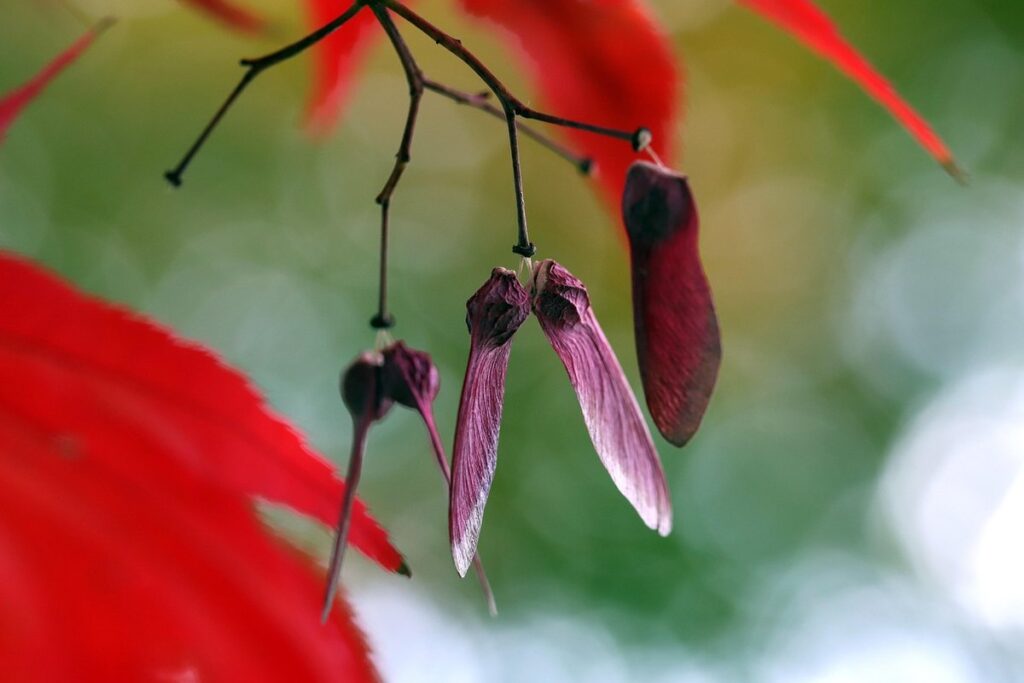
Maple trees also employ a clever strategy for seed dispersal. Their samaras, or “winged seeds,” use wind currents to carry them away from the tree. You might have noticed these tiny helicopters floating through the air in the fall. While it may seem like a random process, the design of the maple’s samara is actually quite precise, allowing them to travel several miles before germinating.
Beech trees take a different approach, using their triangular nuts to attract birds and small mammals that will eat them and then deposit the seeds in new locations. This mutualistic relationship benefits both the tree and its seed dispersers, ensuring the beech’s continued presence in New England forests.
As you observe these deciduous species in action, remember that each one has evolved a unique strategy for spreading their seeds. By learning from nature, we can appreciate the intricate relationships between trees and their environments, and perhaps even develop new ideas for sustainable forest management practices.
Evergreen Trees’ Adaptations for Seed Spreading
Evergreen Trees’ Adaptations for Seed Spreading
In New England’s diverse forest landscape, evergreen trees have evolved unique adaptations to spread their seeds effectively. These plants produce cones as a primary method of seed dispersal. For instance, pine trees are known for their large, woody cones that contain edible seeds. These cones are often harvested by various birds and mammals, including squirrels and chipmunks, which helps disperse the seeds to new areas.
Some evergreen species like spruce and fir have smaller cones with winged seeds, enabling them to travel farther through the wind. For example, white pine cones can grow up to 12 inches long and produce over a thousand seeds. These adaptations not only ensure the survival of these trees but also contribute to their ability to thrive in diverse environments across New England. By understanding how these evergreen trees spread their seeds, you can better appreciate the intricate relationships between plants, animals, and the ecosystem as a whole.
Seasonal Patterns of Tree Fall Seeds
When it comes to collecting tree fall seeds in New England, understanding seasonal patterns is crucial for success. Let’s take a closer look at when and where specific species tend to fall their seeds.
Autumn Leaf Peepers: Witnessing the Fall Seed Release
Autumn is a pivotal time for tree fall seeds in New England, marking the beginning of their life cycle. As the seasons change and temperatures drop, trees prepare for the cold winter months by releasing their seeds into the environment. This process, known as abscission, allows trees to conserve energy during periods of dormancy.
Fall foliage plays a significant role in this process, with vibrant colors signaling the onset of seed production. Leaves that were once green begin to turn shades of orange, red, and yellow, and eventually fall from the tree. As they release their seeds into the wind, trees also shed their leaves, which decompose and return essential nutrients to the soil.
For autumn leaf peepers, witnessing this process can be a truly awe-inspiring experience. By timing your visit during peak foliage periods, usually between late September and mid-October in New England, you can catch a glimpse of trees releasing their seeds into the environment. Take note of the different species you encounter and observe how their unique seed characteristics contribute to the overall ecosystem.
Winter Storms and Seed Dispersal
Winter storms may seem harsh and unforgiving to trees, but they play a crucial role in seed dispersal. During these events, strong winds can dislodge seeds from branches, releasing them into the air where they can be carried away to new areas. This process is especially significant for deciduous tree species like oak, maple, and birch, which produce wind-dispersed seeds.
As seeds are blown by the wind, they often land in a new location, far from their parent tree. Some may be deposited on the forest floor, while others might get stuck in snowdrifts or carried away by running water. This mechanism of dispersal allows trees to colonize new areas and expand their range.
A notable example of this process can be observed after a nor’easter has passed through New England. On the following spring, you may notice an abundance of seedlings emerging in areas that were previously devoid of tree cover. By understanding how winter storms facilitate seed dispersal, we can gain appreciation for the intricate relationships between trees and their environment.
In your own backyard or forest, take note of the areas where seeds seem to be concentrated after a storm passes through. You may discover hidden gem habitats teeming with life, all thanks to the wind’s gentle touch on your New England tree fall seeds.
Edible and Medicinal Seeds from New England Trees
New England’s trees offer a bounty of edible and medicinal seeds, each with its own unique properties and uses that are worth exploring for foragers and nature enthusiasts alike. Let’s dive into some of the most promising species.
Wild Foraging for Nutrient-Rich Tree Seeds
Wild foraging for tree seeds can be a fun and rewarding experience, especially when you’re after nutrient-rich options. New England is home to many species of trees that produce edible seeds, rich in essential nutrients like protein, fiber, and healthy fats.
One of the most prized wild tree seeds in New England is the black walnut (Juglans nigra). Its seed, also known as a nutmeat, is an excellent source of protein, containing about 15% by weight. To prepare black walnut seeds for consumption, simply crack open the shell and remove the kernel. Roast or boil the nutmeat to enhance its flavor.
Other tree species with edible seeds in New England include the white oak (Quercus alba) and the red maple (Acer rubrum). White oak acorns are a staple food source for many wildlife species, while their high tannin content makes them less desirable for human consumption. However, by leaching the tannins through boiling or soaking, you can make these seeds safe to eat.
To identify edible tree seeds safely and effectively, consider the following tips: research the specific tree species in your area, observe the seed’s appearance and characteristics, and be aware of any potential lookalikes or poisonous plants. When foraging for wild tree seeds, make sure to follow local regulations and respect private property rights.
Traditional Medicinal Uses of New England Tree Seeds
In traditional medicine, New England tree seeds have been valued for their unique chemical composition and potential health benefits. The seeds of these trees contain a rich mixture of compounds such as flavonoids, alkaloids, and phenolic acids, which are known to exhibit anti-inflammatory, antioxidant, and antimicrobial properties.
For example, the American chestnut (Castanea dentata) seed contains a compound called castalagin, which has been shown to have potent antioxidant activity. Similarly, the white oak (Quercus alba) seed contains a compound called quercetin, which is known for its anti-inflammatory and antimicrobial properties.
In traditional medicine, these compounds are often used to treat various health conditions. For instance, a decoction made from the seeds of the American chestnut tree has been traditionally used to treat fever, cough, and respiratory issues. To prepare this remedy, you can combine 1 tablespoon of dried chestnut seeds with 2 cups of water and simmer for 10-15 minutes. Strain and drink as needed.
When using traditional medicinal preparations made from New England tree seeds, it’s essential to note that proper identification and preparation are crucial. Consult with a qualified healthcare professional or an experienced herbalist before attempting to use these remedies.
Identifying and Collecting Tree Fall Seeds
When foraging for tree fall seeds, it’s essential to know which types are safe to collect and how to properly identify them. Let’s dive into the specifics of identifying and collecting these valuable treasures.
Understanding Seed Morphology for Identification
When it comes to identifying tree seeds, morphology is one of the most important factors to consider. The shape, size, and color of a seed can provide valuable clues about its parent tree species. To begin, take note of the overall appearance of the seed. Is it large and prominent, or small and inconspicuous? Does it have any distinctive features such as ridges, bumps, or wings?
For example, oak seeds (Quercus spp.) are typically acorn-shaped with a cap that covers about 1/3 of the seed’s diameter. In contrast, pine seeds (Pinus spp.) are long and slender with two scales that fit together like a lid. Be aware that some seeds may have similar shapes but differ in size or color. For instance, beech seeds (Fagus spp.) resemble small, triangular hats with a pale brown color.
When examining the seed’s surface, pay attention to any patterns or markings. Some species, such as birch trees (Betula spp.), produce seeds with distinctive white stripes that fade quickly after maturation. By carefully observing these morphological characteristics, you can narrow down your identification options and make more accurate guesses about a seed’s parent tree species.
Best Practices for Collecting Tree Seeds in the Wild
When collecting tree seeds from the wild, it’s essential to follow sustainable practices that ensure the long-term health of the ecosystem and comply with local regulations. Before you start searching for seeds, familiarize yourself with the specific laws governing seed collection in New England states. For example, some species may be protected or have restricted harvesting periods.
When selecting trees for seed collection, look for healthy individuals with robust growth, as these will produce more viable seeds. Avoid collecting from urban areas where soil quality and air pollution may affect seed viability. Choose seeds that are fully mature and have a hard, dry coat, which indicates readiness for collection.
When collecting seeds, minimize damage to the tree by avoiding over-harvesting and not disturbing the surrounding environment. Use gloves or bags to collect seeds, taking care not to contaminate them with soil or debris. Label and store seeds properly in sealed containers or envelopes to preserve viability during transportation and storage.
New England’s Ecological Importance of Tree Fall Seeds
New England’s unique tree fall seeds play a vital role in maintaining the region’s biodiversity, and understanding their ecological importance is crucial for preserving this delicate balance. Let’s dive into the specifics of how these tiny seeds make a big impact.
Seed Dispersal Role in Forest Regeneration
Seed dispersal is the unsung hero of forest regeneration, playing a crucial role in maintaining biodiversity and ecological balance. When trees fall, their seeds are released from the confines of their parent plant, allowing them to colonize new areas and spread across the landscape. This process not only replenishes the seed bank but also promotes genetic diversity within species.
In New England’s forests, tree fall seeds have been instrumental in shaping the region’s ecosystem. The abundance of fallen trees provides a unique opportunity for seeds to germinate and grow, giving them a head start on life. A study published by the US Forest Service found that nearly 70% of tree regeneration occurs within the first year after disturbance.
To support forest regeneration through seed dispersal, it’s essential to maintain a diverse range of species in your area. Plant native trees and shrubs that produce seeds suitable for local conditions, such as oak (Quercus spp.) or pine (Pinus spp.). By doing so, you’ll be contributing to the long-term health and resilience of New England’s forests.
Potential Threats to Native Species through Non-Native Tree Seeds
The introduction of non-native tree species to New England’s ecosystems can have devastating consequences for native flora and fauna. One significant threat lies within their seeds, which can outcompete native trees for resources and alter the delicate balance of local ecosystems. For instance, the invasive Asian longhorned beetle has already caused widespread damage in Massachusetts, with native oak and maple species being particularly vulnerable.
Non-native tree seeds can also introduce new pathogens that can decimate native populations. The emerald ash borer, a non-native insect native to Asia, has killed millions of ash trees across New England since its introduction in the 1990s. In addition, non-native tree seeds can alter soil chemistry and nutrient availability, making it difficult for native species to survive.
If you’re a landowner or gardener, it’s essential to be mindful of the potential risks associated with non-native tree species. When planting new trees, choose species that are native to your area or have been proven to thrive in local conditions. Also, be aware of any invasive species in your region and take steps to prevent their spread. By being proactive and making informed choices, you can help protect New England’s unique ecosystems and preserve the beauty of its native tree species.
Frequently Asked Questions
Can I collect tree fall seeds from any New England tree, or are there specific trees to focus on?
Concentrate on deciduous trees like oaks, maples, and beeches for their edible acorns, samaras, and beechnuts. Evergreen trees like pines and spruces also produce cones that can be collected, but be sure to check local regulations before harvesting.
How do I know if the seeds I’ve collected are safe to eat or use medicinally?
Identify the tree species correctly using field guides or online resources. Research the specific seed’s edibility and potential health benefits. Be cautious with seeds from unknown trees or those that may have been sprayed with pesticides or other chemicals.
What are some common mistakes people make when collecting tree fall seeds, and how can I avoid them?
Be mindful of over-harvesting, which can harm local ecosystems. Avoid collecting from areas contaminated by pollution or disease. Never remove entire seed pods or cones, as this can damage the parent tree. Instead, collect individual seeds to minimize impact.
Can I use tree fall seeds for propagation, or are they best left in their natural habitat?
Some tree species can be propagated using seeds, but not all. Research specific guidelines for each species you’re interested in cultivating. Typically, deciduous trees like oaks and maples are more suitable for seed propagation than evergreen trees.
What role do tree fall seeds play in forest regeneration, and how does this impact the local ecosystem?
Tree fall seeds serve as a vital food source for wildlife and contribute to forest regeneration by replenishing native species. Over-harvesting or introducing non-native seeds can disrupt this delicate balance, so it’s essential to prioritize sustainable collection practices and respect local regulations.