
As you tend to your garden or compost pile, have you ever wondered about the tiny creatures that break down organic matter? Nematodes, often overlooked but essential, play a critical role in decomposition and nutrient cycling. These microscopic worms are the unsung heroes of soil health, working tirelessly behind the scenes to create a fertile environment for plant growth. By harnessing their power, gardeners and farmers can improve soil structure, boost nutrient availability, and adopt eco-friendly practices that minimize waste. In this article, we’ll delve into the world of nematodes in compost, exploring how they contribute to decomposition, nutrient cycling, and overall soil health. Whether you’re a seasoned gardener or just starting out, understanding the importance of nematodes will help you create a more balanced and thriving ecosystem.
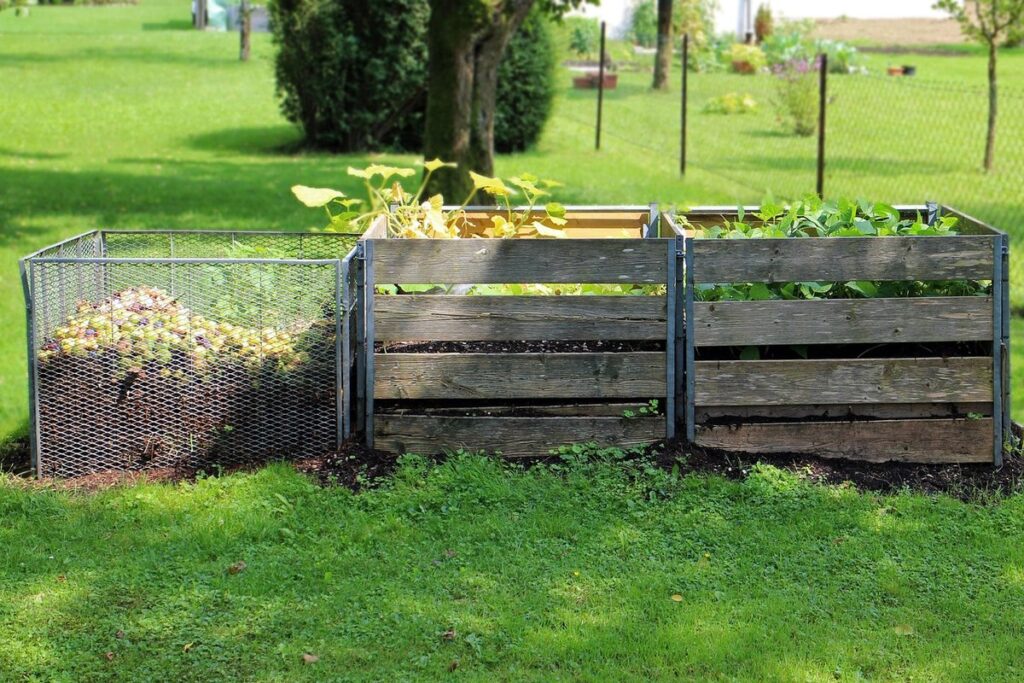
Understanding Nematodes in Composting
Let’s dive into the world of nematodes and explore how these microscopic creatures play a crucial role in composting. We’ll break down their life cycle and behavior within the compost pile.
What are Nematodes?
Nematodes are microscopic, worm-like organisms that play a vital role in maintaining ecosystem balance. These tiny creatures can be found in soil, water, and even on plant surfaces, and they come in a wide range of species, with some being beneficial and others parasitic.
In the context of composting, nematodes are more often associated with their detrimental effects, such as causing root damage to plants. However, it’s essential to understand that these microscopic worms also contribute to soil health by helping to break down organic matter and recycle nutrients. Some species of nematodes even serve as predators for other pests, like insect larvae, which can be beneficial in composting.
Understanding the role of nematodes in ecosystems is crucial when managing a compost pile. By recognizing their presence and function, you can take steps to create an environment that fosters beneficial nematode populations while minimizing harm from parasitic species. This might involve adding specific materials to your compost or adjusting temperature controls to optimize decomposition processes.
Nematode Life Cycle
The life cycle of nematodes is a crucial aspect to understand when it comes to composting. These microscopic worms start their journey from eggs, which are usually 0.05-1 mm in length. Female nematodes lay their eggs in moist environments with a suitable food source, typically around the roots of plants. The eggs hatch into larvae after several days or weeks, depending on environmental conditions.
The larval stage is when nematodes begin to feed on microorganisms and organic matter, breaking down complex compounds into simpler nutrients. This process is essential for composting, as it helps to recycle nutrients and reduce waste. As the larvae grow, they undergo four molts before reaching adulthood. Adult nematodes continue to feed and reproduce, further contributing to the decomposition process.
Understanding the life cycle of nematodes highlights their vital role in composting ecosystems. By recognizing their importance, gardeners and compost enthusiasts can take steps to create an optimal environment for these beneficial worms to thrive, resulting in healthier soil and more effective nutrient cycling.
Types of Nematodes Found in Compost
There are several types of nematodes found in compost, each with unique characteristics and functions. Bacterivorous nematodes, for example, feed on bacteria in the compost pile, helping to break down organic matter and regulate microbial populations. These beneficial nematodes play a crucial role in maintaining a balanced ecosystem within the compost.
Fungivorous nematodes, on the other hand, prey on fungal growths that can develop in compost, preventing the proliferation of pathogens and promoting healthy decomposition. Omnivorous nematodes are another type found in compost, feeding on both bacteria and fungi, as well as other organic matter such as decaying plant residues.
These different types of nematodes interact with each other and their environment to create a complex network of relationships within the compost pile. By understanding these dynamics, gardeners and composters can better appreciate the importance of maintaining a balanced ecosystem in their composting endeavors.
The Role of Nematodes in Composting
Let’s dive into the fascinating world of nematodes and explore how these microscopic creatures play a crucial role in breaking down organic matter during the composting process.
Decomposition Process Enhancement
As nematodes play a crucial role in the decomposition process, they significantly contribute to breaking down organic matter and recycling nutrients. These microorganisms feed on bacteria and fungi, which are initially responsible for decomposing complex organic compounds. By consuming these initial decomposers, nematodes facilitate the breakdown of organic matter into simpler forms.
In essence, nematodes act as a key link in the decomposition process by controlling the population of primary decomposers. This regulation ensures that decomposition occurs at an optimal rate, allowing for efficient nutrient recycling and minimizing the potential for anaerobic conditions to develop.
One way to encourage this role is to maintain adequate moisture levels in your compost pile. Excess water can lead to an overabundance of bacteria, which nematodes may not be able to control quickly enough, resulting in slowed decomposition rates or unpleasant odors.
Microbial Interactions and Symbiosis
As nematodes thrive in compost, they engage in complex interactions with other microorganisms. These relationships can be mutually beneficial, where both parties profit from each other’s presence, or antagonistic, where one species harms the other.
One of the most fascinating examples of microbial symbiosis is the relationship between certain nematodes and fungi. In this mutualism, fungi provide essential nutrients to nematodes in exchange for protection and increased access to nutrient-rich substrates. This synergy benefits both organisms by promoting efficient decomposition and recycling of organic matter.
In contrast, some nematode species engage in parasitic relationships with other microorganisms, such as bacteria or protozoa. For instance, certain nematodes secrete enzymes that break down bacterial cell walls, releasing nutrients for the nematode’s own growth and development.
By understanding these interactions, composters can optimize their environment to promote harmonious microbial coexistence. This may involve controlling temperature fluctuations, maintaining adequate moisture levels, or introducing specific microorganisms to foster beneficial relationships between nematodes and other organisms in the compost pile.
Nutrient Cycling and Soil Fertility
When it comes to nutrient cycling and soil fertility, nematodes play a more significant role than you might think. These microscopic organisms are not just involved in breaking down organic matter but also contribute to the release of nutrients from decomposing plant residues.
As nematodes feed on microorganisms, they inadvertently stimulate the decomposition process. This, in turn, increases the availability of essential nutrients like nitrogen, phosphorus, and potassium for plants. In fact, research has shown that certain species of nematodes can enhance nutrient cycling by up to 25%!
The impact of this is profound: healthier soil supports plant growth, leading to increased crop yields and better resilience against pests and diseases. Moreover, nutrient-rich soils tend to sequester more carbon from the atmosphere, making them a vital component in mitigating climate change.
In your composting process, you can encourage nematodes by ensuring adequate moisture levels and maintaining optimal temperature ranges between 55°F and 90°F (13°C and 32°C). By creating an environment conducive to nematode activity, you’ll be fostering nutrient cycling and promoting overall soil fertility – ultimately resulting in a healthier, more sustainable ecosystem.
Benefits of Nematode-Rich Compost
Now that we’ve explored what nematodes are and how they benefit compost, let’s dive into the advantages of having nematode-rich compost for your garden.
Improved Soil Structure and Health
Using nematode-rich compost can have a profound impact on soil structure and health. Healthy soil is teeming with microorganisms that break down organic matter, release nutrients, and create an ideal environment for plant growth. Nematodes play a crucial role in this ecosystem by decomposing organic waste, including dead plants, animals, and microorganisms.
As nematode-rich compost breaks down, it improves soil structure by increasing the amount of humus – a rich, spongy substance that retains moisture and nutrients. This leads to better aeration, allowing roots to breathe more easily and promoting healthy microbial activity. The increased water-holding capacity also reduces erosion and runoff.
To harness these benefits, apply nematode-rich compost at a rate of 2-4 inches as a top dressing or mix it into the soil before planting. It’s essential to maintain optimal moisture levels and avoid overwatering, which can lead to anaerobic conditions that favor pathogen growth.
As a result of improved soil structure and health, plants experience enhanced nutrient uptake, increased resistance to disease, and better overall yields. Regular use of nematode-rich compost can help build long-term soil fertility and reduce the need for synthetic fertilizers and pesticides.
Increased Plant Growth and Yield
When you add nematode-rich compost to your soil, you’re not just adding a nutrient-dense amendment – you’re also introducing beneficial microorganisms that can have a profound impact on plant growth and yield. Research has shown that these microscopic creatures can increase plant growth by up to 30% and boost yields by as much as 25%.
But how do nematodes achieve such impressive results? For starters, they help break down complex organic matter in the soil, releasing essential nutrients that plants can absorb more easily. This process also increases the overall fertility of the soil, allowing plants to grow stronger and healthier.
Nematodes also play a key role in disease resistance. By outcompeting pathogens for space and resources, these beneficial microorganisms help protect plants from common pests and diseases. For example, studies have shown that nematode-rich compost can reduce fungal infections by up to 50% and bacterial diseases by as much as 40%.
To reap the benefits of nematode-rich compost in your garden or farm, try incorporating it into your soil at a rate of 2-5% (by volume). This will give you ample opportunity to observe its effects on plant growth and yield.
Eco-Friendly and Sustainable Practices
Maintaining nematode populations in compost is an eco-friendly approach to sustainable agriculture that offers numerous benefits. By preserving these beneficial microorganisms, you’re essentially creating a self-sustaining ecosystem within your compost pile.
One of the primary advantages of maintaining nematodes in compost is their role in decomposing organic matter. These microscopic creatures are responsible for breaking down complex nutrients into simpler forms, making them readily available to plants. This process reduces waste and minimizes the need for synthetic fertilizers, which can pollute soil and water sources.
To maintain a healthy nematode population in your compost pile, it’s essential to provide the right conditions. This includes maintaining an optimal moisture level, providing adequate carbon-to-nitrogen ratios, and avoiding extreme temperatures. By doing so, you’ll encourage these beneficial microorganisms to thrive, resulting in rich, nutrient-dense compost that will enrich your soil.
By adopting this eco-friendly approach, you’ll not only be creating a sustainable agricultural system but also promoting biodiversity within your ecosystem.
Managing Nematodes in Compost
Let’s dive into managing nematodes in compost, where we’ll explore effective methods to control and balance these microscopic inhabitants without harming your finished product.
Monitoring and Maintaining Optimal Populations
Monitoring and maintaining optimal nematode populations in compost is crucial for its effective use as a soil amendment. One key factor to consider is pH levels. Most beneficial nematodes thrive in slightly acidic to neutral environments, with an ideal pH range of 6.0-7.0. On the other hand, parasitic nematodes tend to favor more alkaline conditions. Regularly monitoring and adjusting the compost’s pH can help create a balanced environment that favors beneficial nematode growth.
Temperature also plays a significant role in maintaining optimal nematode populations. Most nematodes are most active between 20-30°C (68-86°F), with some species being more tolerant of extreme temperatures. Maintaining a consistent temperature within this range can help promote nematode activity and prevent die-off. Moisture levels should also be closely monitored, as excessive dryness or waterlogging can lead to nematode population decline.
By controlling for these key factors – pH, temperature, and moisture – you can create an optimal environment that supports the growth of beneficial nematodes in your compost. This will not only enhance its overall fertility but also promote a balanced ecosystem in your garden.
Preventing Overcrowding and Competition
When nematodes are present in compost in high numbers, overcrowding can lead to intense competition among them. This competition affects decomposition rates and nutrient cycling, ultimately slowing down the composting process. As a result, you may notice reduced microbial activity, slowed breakdown of organic matter, and decreased overall quality of your finished compost.
To understand why overcrowding occurs, let’s consider the life cycle of nematodes in compost. Nematodes are attracted to decaying organic matter, where they feed on microorganisms and other small organisms. When their numbers increase rapidly, competition for resources intensifies, causing a decline in decomposition rates. This can be likened to over-planting in gardening – too many plants competing for limited water and nutrients lead to stunted growth.
To prevent overcrowding and maintain healthy nematode populations, it’s essential to balance the number of organisms with available resources. Aim to introduce a moderate amount of compost materials that are rich in carbon and nitrogen sources. Regularly turning your compost pile also helps distribute heat and oxygen evenly, preventing anaerobic conditions where nematodes thrive. By maintaining an optimal environment for decomposition, you can promote balanced nutrient cycling and efficient breakdown of organic matter.
Managing Pests and Diseases with Nematodes
Managing pests and diseases with nematodes is one of the most effective ways to maintain healthy compost. Nematodes are microscopic worms that feed on a wide range of organisms, including fungi, bacteria, and even other nematodes. By introducing beneficial nematodes into your compost pile, you can control pest populations and prevent disease outbreaks.
For example, Steinernema feltiae, a species of beneficial nematode, has been shown to be effective against fungus gnats, whiteflies, and caterpillars in compost piles. These pests can cause significant damage to plants and contaminate the compost. By introducing S. feltiae into your compost pile, you can reduce pest populations and maintain a healthy ecosystem.
When using nematodes for pest control, it’s essential to choose the right species for the specific pest you’re trying to manage. For instance, Heterorhabditis bacteriophora is effective against caterpillars and other large insects, while S. feltiae is better suited for smaller pests like fungus gnats.
To effectively use nematodes in compost management, follow these steps: add a sufficient number of nematode eggs or juveniles to the compost pile, maintain a consistent moisture level, and ensure adequate temperature control. This will create an optimal environment for the nematodes to thrive and manage pest populations efficiently.
Applications of Compost and Nematodes in Agriculture
Composting with nematodes is a powerful tool for boosting soil health, reducing pests, and increasing crop yields. Let’s explore some practical applications for this innovative approach to sustainable agriculture.
Organic Farming Practices
Organic farming practices have been revolutionized by the use of nematode-rich compost. By incorporating this natural resource into their farming operations, growers can promote sustainable agriculture and reduce their reliance on chemical inputs. One key benefit of using nematode-rich compost is its ability to increase soil fertility, structure, and overall health.
For instance, a study published in the Journal of Environmental Science and Health found that the use of compost amended with nematodes increased crop yields by 25% compared to conventional farming methods. By leveraging this natural resource, farmers can also reduce their need for synthetic fertilizers and pesticides, which not only saves them money but also protects the environment.
To implement nematode-rich compost in your organic farm, start by incorporating it into your soil preparation process. You can use a combination of compost tea and worm castings to create a nutrient-dense fertilizer that promotes healthy microbial activity. This approach not only supports the growth of beneficial microorganisms but also reduces soil-borne pests and diseases.
By adopting these sustainable practices, you’ll be contributing to a healthier ecosystem while maintaining high crop yields and minimizing your environmental impact. Remember, using nematode-rich compost is just one step towards creating a more balanced agricultural system – a holistic approach that benefits both the land and the people working on it.
Crop Rotation and Soil Management
Incorporating nematode-rich compost into crop rotation plans can be a game-changer for farmers looking to enhance soil health and reduce pests and diseases. By incorporating this powerful combination, you can create a balanced ecosystem that promotes healthy plant growth while minimizing the need for synthetic fertilizers and pesticides.
When implemented correctly, crop rotation with nematode-rich compost can help break disease and pest cycles, reducing the reliance on chemical controls. For example, if you’re rotating between corn and soybeans, incorporating nematodes into your compost can target pests like root-knot nematodes that often plague these crops.
To get started, consider the following steps:
* Identify areas where nematode populations are high and prioritize those areas for crop rotation.
* Incorporate nematode-rich compost at a rate of 2-3% of the total soil volume to ensure maximum efficacy.
* Monitor soil health metrics like pH, nutrient levels, and microbial activity to adjust your crop rotation plan accordingly.
By adopting this approach, you can unlock the full potential of your land while minimizing environmental impact.
Urban Agriculture and Composting
Urban agriculture is revolutionizing the way cities produce and consume food. By incorporating compost into their systems, urban farmers can create nutrient-rich soil that supports healthy plant growth. Composting not only reduces waste but also provides a sustainable source of fertilizer.
When it comes to using compost in urban agriculture, nematodes play a crucial role. These microscopic worms help break down organic matter and recycle nutrients. By adding compost to their plots, urban farmers can create an environment conducive to beneficial nematode populations.
To implement successful composting in your urban garden:
* Start by collecting kitchen scraps and yard trimmings.
* Create a 3-4 inch layer of “brown” materials (dry leaves or straw) at the bottom of your compost bin.
* Add alternating layers of “green” materials (kitchen scraps, grass clippings), ending with a layer of brown materials on top.
By following these steps and incorporating nematodes into your composting system, you can create fertile soil that supports thriving plants in even the most urban environments.
Challenges and Future Directions for Nematode Research
While nematodes play a crucial role in composting, there are still many challenges to be addressed in their research, including better understanding of their life cycles and behavior.
We’ll explore some of these ongoing concerns and discuss potential future directions for nematode research.
Current Limitations in Understanding Nematodes
Despite being crucial components of compost ecosystems, nematodes remain poorly understood. One significant knowledge gap lies in their astonishing diversity – research suggests that there may be over 20,000 species worldwide, although only a fraction have been formally described. This vast diversity makes it challenging to pinpoint specific ecological roles or interactions with other organisms.
To add complexity, nematodes are incredibly adaptable and can thrive in various environments, from acidic soils to nutrient-rich compost piles. Their ability to form symbiotic relationships with other microbes has led some scientists to consider them “ecosystem engineers.” However, the mechanisms behind these interactions remain unclear.
As researchers continue to unravel the mysteries surrounding nematodes, it’s essential for practitioners to recognize their presence in compost ecosystems and consider methods to promote coexistence. This might involve creating a balanced environment with sufficient nutrients and moisture or using targeted inoculants to foster beneficial relationships between nematodes and other microorganisms. By acknowledging these knowledge gaps and taking steps to address them, we can better understand the vital role nematodes play in compost decomposition processes.
Future Research Directions and Applications
As we continue to learn more about nematodes in compost, it’s essential to consider future research directions and applications that can further our understanding of these microorganisms. One area of potential focus is the development of methods for selectively enriching nematode populations in compost, which could enhance their beneficial effects on soil health.
Another promising direction is exploring the use of nematodes as indicators of environmental pollution. As they are sensitive to changes in their environment, nematodes could serve as sentinels for detecting pollutants and heavy metals in soil and water. This knowledge could be used to develop more effective strategies for monitoring and mitigating the impacts of human activities on ecosystems.
In addition, researchers should investigate the potential applications of nematode-assisted bioremediation. By leveraging the unique properties of nematodes, we may be able to design novel approaches for cleaning up contaminated sites. This could involve harnessing the ability of certain nematode species to break down toxic compounds or using their burrowing activities to facilitate nutrient cycling.
As the field of nematode research continues to advance, it’s likely that we’ll see new technologies and methods emerge for improving compost quality and reducing waste. For example, scientists might develop more efficient ways to isolate and cultivate beneficial nematodes, allowing us to scale up their use in commercial composting operations. By supporting this type of innovative research, we can unlock the full potential of nematodes as tools for sustainable agriculture and environmental stewardship.
Frequently Asked Questions
How do I ensure optimal nematode populations in my compost pile?
To achieve a balanced ecosystem, maintain a mix of carbon-rich “brown” materials and nitrogen-rich “green” materials. Regularly turn the compost pile to aerate it, which encourages nematodes’ growth and activity.
Can I add commercial nematode products directly to my garden soil?
While beneficial nematodes can be purchased commercially, applying them directly to garden soil might not yield desired results. Instead, mix the nematodes with water or a liquid carrier agent according to the product instructions and apply it around the base of plants.
What are some common mistakes to avoid when working with nematodes in compost?
Be cautious of over-aeration, which can kill nematodes. Also, ensure not to introduce non-native species that might harm local ecosystems. Maintain a balance between different nematode populations to avoid overcrowding and competition for resources.
Can I use nematode-rich compost as a natural pest control method?
Beneficial nematodes are known to attack plant pests like aphids, whiteflies, and caterpillars. By incorporating nematode-rich compost into your garden, you can promote ecological balance and reduce the need for chemical pesticides.
How do I monitor and maintain optimal nematode populations in my composting system?
Regularly inspect your compost pile for signs of healthy nematode activity, such as wriggling movement or castings. Take samples to a lab for analysis to determine nematode species composition and population levels. Adjust your composting practices accordingly to optimize ecosystem balance.