
Are you tired of losing your favorite plants to pesky spider mites? These tiny pests can cause significant damage to your garden, but there’s good news: effective home remedies can help you control infestations without breaking the bank or harming the environment. In this article, we’ll explore some tried-and-true methods for getting rid of spider mites using neem oil treatment, garlic spray, and soap solution. We’ll also cover companion planting and crop rotation as preventative measures to keep these unwanted visitors from coming back. By the end of this post, you’ll be equipped with the knowledge to save your plants and keep your garden healthy and thriving – all without relying on harsh chemicals. Let’s dive in!
Understanding Spider Mites
Let’s dive into what causes spider mite infestations and how these tiny pests can wreak havoc on your plants if left unchecked.
What are Spider Mites?
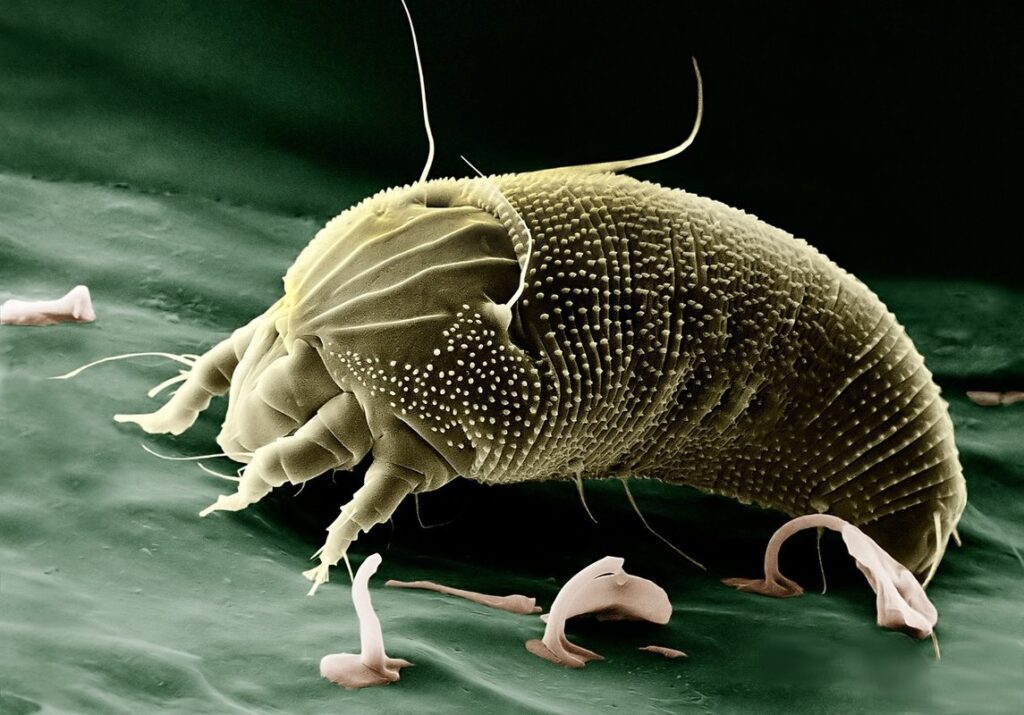
Spider mites are tiny, spider-like insects that feed on plant sap, causing significant damage to leaves and other plant tissues. These microscopic arachnids have eight legs and a distinctive pear-shaped body, often appearing as moving specks of dust on the underside of leaves.
Their life cycle is quite rapid, with eggs hatching into larvae within 3-5 days. Larvae then molt twice before reaching adulthood, which typically takes around two weeks to mature. Spider mites reproduce rapidly, and their populations can explode in just a few weeks if left unchecked.
Infestations often go unnoticed until significant damage has occurred, as spider mite feeding causes yellowing or bronzing of leaves, leading to reduced photosynthesis and stunted growth. Even a single leaf can harbor multiple generations of these pests, making prevention crucial for maintaining plant health.
To spot infestation early, inspect your plants regularly under magnification, looking for the characteristic webbing, eggs sacs, or actual mites on the underside of leaves. Early detection allows for more effective control measures and can help prevent long-term damage to your plants.
Identifying Spider Mite Infestations
When it comes to detecting spider mite infestations on your plants, it’s essential to be vigilant and know what to look out for. Spider mites are tiny, spider-like pests that feed on the sap of plants, causing damage and stress. To identify an infestation, start by examining your plants carefully. Look for signs such as yellowing or bronzing of leaves, which can indicate that the plant is under attack.
Inspect the undersides of leaves and stems for tiny, moving dots – this is often where spider mites congregate. Use a magnifying glass to get a closer look, as they can be difficult to spot with the naked eye. Another telltale sign is webbing or fine silk threads on the plant’s surface – spider mites spin these to protect themselves and their eggs.
Check for egg sacs, which are small, white, and spherical in shape, usually found on the underside of leaves or stems. If you suspect an infestation, gently remove a few affected leaves and place them under a microscope or magnifying glass to confirm the presence of spider mites.
The Consequences of Untreated Spider Mites
Ignoring spider mite infestations can have devastating consequences on plant health, productivity, and potentially lead to significant economic losses for gardeners and farmers. One of the most notable effects is the decline in plant growth and development. Spider mites feed on sap, which can weaken the plant’s ability to photosynthesize and grow new leaves, stems, and roots. As a result, plants may become stunted or develop abnormal growth patterns.
If left untreated, spider mite infestations can also lead to reduced fruit and flower yields, which can impact the economic viability of your garden or farm. For example, if you’re growing citrus trees for juice production, even a minor infestation can cause significant losses due to decreased fruit quality and quantity.
In extreme cases, untreated spider mites can also transmit plant viruses, such as tomato spotted wilt virus (TSWV), which can further compromise plant health and increase the risk of total crop failure. Regular monitoring and prompt treatment are essential for preventing these consequences and maintaining a healthy garden or farm ecosystem.
Natural Home Remedies for Spider Mites
When it comes to getting rid of spider mites naturally, there are several effective home remedies you can try to save your plants from further damage. Let’s explore some natural solutions together!
Neem Oil Treatment: A Safe and Effective Solution
Using neem oil to control spider mite populations is a safe and effective solution that’s been gaining popularity among gardeners. This natural extract has antimicrobial properties that can kill spider mites on contact, while also preventing them from reproducing.
To use neem oil effectively, mix it with water according to the label instructions (typically 2-3% concentration). You can either spray it directly on the affected areas or add it to your watering can. For a stronger treatment, you can combine neem oil with other natural ingredients like garlic or soap. When applying neem oil, make sure to cover all surfaces evenly and avoid over-spraying, which can lead to residue buildup.
It’s also essential to take precautions when using neem oil, especially if you have pets or children. Neem oil can be toxic to animals if ingested in large quantities, so keep it out of reach of your furry friends. Additionally, wear protective gloves and eyewear when handling the oil, as it can cause skin irritation in some individuals.
Garlic Spray for Repelling Spider Mites
Garlic has natural properties that make it an effective repellent for spider mites. To create a garlic spray, start by peeling and mincing 3-4 cloves of fresh garlic. Next, mix the minced garlic with one quart of water in a spray bottle. Let the mixture sit for 24 hours to allow the garlic’s active compounds to infuse into the water.
After the infusion period, strain the liquid through a cheesecloth or a fine-mesh sieve into another spray bottle, discarding the solids. Add a tablespoon of mild dish soap to help the solution stick to the leaves and promote its effectiveness.
When spraying your plants with this garlic solution, make sure to cover both the upper and lower surfaces of the leaves. You can also spray the soil around the base of the plant to prevent spider mites from migrating onto the plant.
It’s essential to note that while garlic can help repel spider mites, it may not kill them entirely. Regularly inspect your plants for signs of infestation and consider combining this treatment with other natural remedies for comprehensive control.
Soap Solution for Managing Spider Mite Infestations
Controlling spider mite populations can be a challenging task for gardeners, but using soap solutions is an effective and non-toxic approach. To create a soap solution, mix 1-2 tablespoons of mild dish soap with 1 gallon of water in a spray bottle. Spray the solution directly on the infested areas of the plant, making sure to cover all surfaces evenly.
It’s essential to note that you should use a mild, fragrance-free dish soap as harsh chemicals can damage your plants. Also, avoid using soap solutions during peak sun hours or when the temperature is extremely high, as this may cause leaf scorch.
For optimal results, repeat the process every 7-10 days until you no longer see any signs of spider mites. Be sure to rinse your plant thoroughly with clean water after each treatment to prevent any potential soap residue buildup. By following these simple steps, you can safely and effectively manage spider mite infestations without harming your beloved plants.
Keep in mind that this method is most effective when combined with good gardening practices such as regular inspections and maintaining a healthy, balanced environment for your plants.
Organic Methods for Preventing Spider Mites
If you’re looking for a more holistic approach to preventing spider mites, this section will cover some effective organic methods that can be used in conjunction with other treatments. We’ll explore simple yet powerful techniques to keep these pests at bay.
Maintaining Optimal Plant Conditions
Maintaining optimal plant conditions is crucial to preventing spider mite infestations. Overwatering, for instance, creates an environment that’s perfect for these pests – moisture is essential for their survival. To avoid this, ensure you’re not overwatering your plants by checking the soil regularly and allowing it to dry slightly between waterings.
Humidity management also plays a significant role in maintaining optimal conditions. Spider mites thrive in arid environments but can be kept at bay if you maintain high humidity levels above 50%. You can achieve this using humidifiers or by grouping plants together, as they release moisture into the air through transpiration.
Another aspect of plant care that affects spider mite populations is temperature. These pests are sensitive to extreme temperatures and prefer warmer environments between 65°F and 75°F (18°C and 24°C). Keep your plants away from drafty windows or areas with cold spots, as this can help deter infestations. By paying attention to these factors, you can create an environment that discourages spider mite infestations and encourages healthy plant growth.
Companion Planting to Repel Spider Mites
When it comes to companion planting for spider mite control, certain plants have natural properties that repel these pests. For example, basil and mint are two popular herbs that can help keep spider mites at bay. These fragrant plants release oils into the air that spiders find unappealing, causing them to avoid areas where they’re planted.
Other companion plants like neem and lemongrass also possess properties that repel spider mites. Neem oil has been shown to be toxic to spider mites, while lemongrass contains citral, a compound known for its insect-repelling properties. Planting these herbs around affected areas can help create a barrier that keeps spider mites from reaching your plants.
When incorporating companion planting into your integrated pest management strategy, remember that it’s essential to maintain good gardening practices, such as keeping plants well-watered and providing adequate air circulation. By combining companion planting with other natural methods like neem oil treatment and introducing beneficial insects, you can create a holistic approach to managing spider mites in your garden.
Crop Rotation and Sanitation Practices
When it comes to preventing spider mite populations, it’s essential to consider not just natural remedies but also good farming practices. Crop rotation and maintaining a clean growing area are crucial steps in breaking the life cycle of these pests. By rotating your crops, you’re disrupting the spider mites’ food source, making it harder for them to survive.
For example, if you’re growing plants like tomatoes or peppers, which are common hosts for spider mites, rotate with plants that are less susceptible to infestation, such as leafy greens or herbs. This simple practice can significantly reduce the risk of spider mite outbreaks.
To maintain a clean growing area, remove any debris, weeds, and dead plant material. Keep your soil well-drained, and ensure good air circulation around your plants. Regularly inspect your plants for signs of infestation and take prompt action if you notice any issues. By adopting these habits, you’ll be better equipped to prevent spider mite populations from getting out of control in the first place.
Additional Home Remedies for Spider Mites
If you’ve tried some of our favorite home remedies and still can’t get rid of spider mites, don’t worry – we’ve got more tips to share. Here are a few more natural treatments to try on your plants.
Hot Water Treatment: A Fast-Acting Solution
When dealing with a spider mite infestation, hot water treatment can be a fast-acting solution to help control the population. This method involves spraying hot water directly on the affected areas of the plant to dislodge and kill the mites.
To use hot water effectively, start by mixing it with a mild dish soap or insecticidal soap in a spray bottle. The ideal temperature for hot water is around 104°F (40°C), as it’s hot enough to kill spider mites but not so hot that it damages the plant. Spray the mixture directly on the affected areas, making sure to saturate all surfaces evenly.
Safety precautions are essential when using hot water treatment. Avoid spraying the solution on the plant’s roots or soil, as this can cause damage. Also, be cautious not to scald yourself with the hot water. To minimize the risk of burns, use a spray nozzle that allows you to control the temperature and flow rate of the water.
When using hot water treatment, it’s essential to repeat the process every few days until the infestation is under control. This will help ensure that any remaining mites are eliminated, preventing them from reproducing and causing further damage to your plant.
Epsom Salt Solution for Enhancing Plant Health
When using Epsom salt as part of your spider mite treatment plan, it’s essential to consider its role in promoting overall plant health and resilience. This natural mineral-rich solution can be an effective addition to other methods for controlling spider mites.
Epsom salt is rich in magnesium, a crucial nutrient that promotes plant growth, strengthens cell walls, and enhances photosynthesis. By regularly soaking your plants’ roots with Epsom salt dissolved in water, you’re providing them with the necessary tools to fight off pests like spider mites. For example, if you’ve been noticing yellowing leaves or stunted growth on your plants, an Epsom salt treatment can help restore their vitality.
To incorporate Epsom salt into your routine, mix 1-2 tablespoons of Epsom salt per gallon of water and use it as a foliar spray or soil drench. This will not only provide magnesium but also stimulate plant growth, making them less susceptible to spider mite infestations.
Monitoring and Controlling Spider Mite Populations
Monitoring spider mite populations is crucial for effective treatment, so let’s dive into how to identify and manage infestations before they spread.
Establishing a Regular Inspection Schedule
Regularly inspecting your plants for signs of spider mite infestations is crucial to preventing damage and reducing the risk of chemical exposure. Early detection allows you to take swift action, potentially saving your plants from severe infestation.
To establish a regular inspection schedule, set aside time each week to thoroughly examine your plants’ undersides, where spider mites tend to congregate. Look for telltale signs such as fine webbing, yellowing or bronzing of leaves, and actual spider mite sightings. It’s also essential to inspect new plants before bringing them into your home, as they can harbor unwanted pests.
Consider implementing a rotation system where you dedicate specific days or weeks to inspect different areas of your indoor garden. This ensures that no plant is overlooked and allows for proactive management of potential issues. Remember, even healthy-looking plants can hide spider mite infestations; consistent inspections will help you catch problems before they escalate.
Using Sticky Traps and Other Monitoring Tools
When monitoring spider mite populations, it’s essential to use various tools to gain a comprehensive understanding of their presence and numbers. One effective method is using sticky traps. These adhesive sheets can be placed near infested plants to catch wandering mites, providing valuable information on population size and distribution.
To use sticky traps effectively, place them in areas where spider mites are most active, such as under leaves or near leaf veins. Check the traps regularly to determine if any mites have been caught. If you notice a significant number of mites on the trap, it’s likely that your plants are heavily infested.
In addition to sticky traps, other monitoring tools include yellow traps, which use color attraction to capture mites, and magnifying glasses for visual inspection. It’s also crucial to inspect leaves carefully, looking for early signs of mite infestation such as yellowing or bronzing of leaves. By combining these methods, you can get a complete picture of your spider mite population and adjust treatment strategies accordingly.
Regular monitoring is key to controlling spider mites effectively.
Conclusion: Integrating Natural Remedies into Your Pest Management Strategy
In conclusion, integrating natural remedies into your pest management strategy is not only effective but also eco-friendly and budget-friendly. By combining these home treatments with good gardening practices, you can create a harmonious balance between your plants and the environment. For instance, using neem oil or insecticidal soap to control spider mite infestations, while also practicing proper watering techniques and providing adequate air circulation for your plants. This multi-faceted approach will not only keep spider mites at bay but also promote a healthy and thriving garden ecosystem.
Remember, it’s all about finding the right balance and being proactive in your pest management efforts. By making these natural remedies a part of your routine, you’ll be taking a significant step towards maintaining a pest-free garden that thrives without harming the environment.
Frequently Asked Questions
Can I use home remedies to prevent spider mites from coming back?
Yes, after successfully treating an infestation with natural methods like neem oil or garlic spray, it’s essential to continue using companion planting and crop rotation as preventative measures. This will help maintain a balanced ecosystem in your garden and reduce the likelihood of future infestations.
How often should I inspect my plants for spider mites?
Regular inspections are crucial in monitoring and controlling spider mite populations. Set aside time each week to examine your plants, checking for signs like yellowing leaves, fine webbing, or actual mites on the underside of leaves. Use sticky traps or other monitoring tools as additional support.
Can I use home remedies on seedlings or newly planted crops?
When using natural home remedies like neem oil or soap solution, it’s essential to exercise caution when treating seedlings or newly planted crops. Start with a diluted concentration and test the remedy on a small area before applying it more broadly. This will help prevent potential damage.
How do I store neem oil after opening?
Proper storage is crucial in maintaining the effectiveness of neem oil. Keep the bottle tightly sealed, store it away from direct sunlight, and maintain its potency by using it within 6-12 months after opening. If not planning to use it soon, consider freezing the bottle to preserve its shelf life.
Can I combine multiple home remedies for enhanced results?
Yes, combining natural home remedies can often yield better results than using a single method alone. For example, pairing neem oil with garlic spray or soap solution may provide enhanced control over spider mite infestations. However, ensure you’re not overusing any particular remedy, as this could potentially harm your plants.