
Aphids can be a real nuisance in your garden, sucking sap from plants and leaving behind a sticky residue that attracts other pests. But don’t worry, there are effective natural aphid control methods you can use to prevent infestations and keep your garden healthy.
As a gardener, you’re likely looking for ways to avoid harsh chemicals that can harm the environment and your family. That’s where natural solutions come in. In this article, we’ll explore some of the best natural aphid control methods, including neem oil, soap solutions, and companion planting. We’ll also cover tips on how to prevent aphids from taking over your garden in the first place. By the end of this post, you’ll have a solid understanding of how to manage aphid infestations naturally and keep your garden thriving without relying on chemicals.
Understanding Aphids and Their Impact
To effectively control aphids, it’s essential to understand what they are and how they impact your garden. Let’s dive into the world of these tiny pests and explore their behavior and habits.
What Are Aphids?
Aphids are one of the most common pests that can infest plants, and it’s essential to understand what they are and how they affect plants before we dive into natural aphid control methods. So, let’s start with the basics.
Aphids are small, soft-bodied insects that feed on plant sap, causing damage to leaves, stems, and flowers. They come in different species, but the most common ones include green peach aphids, foxglove aphids, and rose aphids. Aphids can be found on various plants, including vegetables, fruits, herbs, and ornamentals.
The life cycle of an aphid is relatively short, typically lasting between 7-14 days. Adult aphids reproduce quickly, with females giving birth to live young without mating. This rapid reproduction rate allows aphid populations to grow rapidly, especially in ideal conditions such as warm temperatures and high humidity.
Aphids can weaken plants by sucking their sap, which can lead to curled or distorted leaves, stunted growth, and reduced yields. In severe cases, aphid infestations can also transmit plant viruses, further harming the affected plant. If left unchecked, aphid populations can quickly get out of hand, making it challenging to control them with conventional methods. That’s why understanding natural aphid control techniques is crucial for gardeners and farmers who want to maintain a balanced ecosystem and reduce their reliance on chemical pesticides.
The Effects of Aphids on Plants
Aphids can cause significant damage to plants, and it’s essential to understand the extent of their harm. When aphids infest a plant, they feed on sap, which reduces the plant’s ability to grow and thrive. This can lead to stunted or reduced growth, as the plant is unable to produce enough nutrients for itself.
Aphid infestations can also cause curled leaves, as the plant tries to protect its damaged areas from further harm. This not only affects the plant’s appearance but also restricts photosynthesis, making it harder for the plant to survive. In severe cases, aphids can spread plant viruses, such as potato virus X and Y, which can be devastating to crops.
To put this into perspective, a single colony of aphids can produce up to 12 generations in just a few weeks, leading to rapid population growth and increased damage. By understanding the effects of aphids on plants, you’ll appreciate the importance of implementing effective natural control methods to prevent infestations and minimize harm. Regular monitoring and early intervention are key to preventing aphid populations from getting out of hand.
Why Organic Control Methods Are Essential
When it comes to managing aphids on your plants, using organic control methods is not just beneficial – it’s essential. With the growing concerns about environmental degradation and human health, natural approaches to pest management are becoming increasingly important.
Aphid infestations can have a significant impact on the environment. For instance, pesticides can contaminate soil and water sources, harming beneficial insects like bees and butterflies. Moreover, chemicals in pesticides can also affect plant growth and development, reducing crop yields and quality. By opting for natural aphid control methods, you’re not only protecting your plants but also contributing to a healthier ecosystem.
The benefits of organic control methods extend beyond environmental concerns. They are also safer for human consumption. When you use natural products or implement Integrated Pest Management (IPM) strategies, you minimize the risk of pesticide residues on your produce. This is especially crucial for gardeners who plan to harvest their crops and enjoy them fresh.
Identifying and Monitoring Aphid Populations
To effectively control aphid populations, it’s essential to identify when they’re present and monitor their growth to catch infestations before they get out of hand. This section will guide you through that process.
Signs and Symptoms of an Aphid Infestation
When you notice aphids on your plants, it’s essential to identify their presence accurately. Aphid infestations can exhibit distinct visual signs. Look for small, soft-bodied insects that feed on plant sap, causing curled or distorted leaves.
Eggs are usually laid on the underside of leaves or stems and appear as yellowish or white cottony patches. Nymphs, which resemble miniature adults without wings, may also be present. Adult aphids can range in color from green to yellow to black, depending on their diet.
Check for these signs during early morning or late afternoon when aphids are less active. Inspect the undersides of leaves and stems carefully, as this is where they often hide. A magnifying glass or a smartphone with a camera zoom feature can help you get a closer look.
Be aware that ant trails or sticky honeydew droplets on surfaces near infested plants may also indicate an aphid presence. These subtle signs are indicative of a larger problem and warrant prompt action to prevent the infestation from spreading.
Effective Methods for Monitoring Aphids
Monitoring aphid populations is crucial for effective natural control. By using the right tools and techniques, you can accurately track their presence and numbers. Sticky traps are a popular method for monitoring aphids. These small adhesive surfaces capture individual insects as they land on them, allowing you to count the number of aphids in your garden.
Yellow traps are another option for monitoring aphid populations. Aphids are attracted to yellow colors, so these traps are designed to lure them in and keep them from reaching nearby plants. To use a yellow trap effectively, place it near areas where aphids are most likely to be found, such as around infested plants or near water sources.
In addition to using sticky and yellow traps, scouting techniques can also help you monitor aphid populations. Regularly inspect your garden for signs of aphid infestations, such as curled leaves or white powdery patches on stems. Look for clusters of aphids on the undersides of leaves or along plant stems. Keep track of your observations to identify patterns and make informed decisions about control measures.
It’s essential to use these monitoring methods in conjunction with one another for accurate results.
Importance of Early Detection and Prevention
Early detection is crucial in preventing aphid infestations from getting out of control. When left unchecked, even a small aphid population can rapidly multiply, causing significant damage to plants and disrupting ecosystems. In fact, a single female aphid can produce up to 80 offspring in just two weeks, highlighting the need for timely intervention.
To prevent this rapid growth, gardeners and farmers must stay vigilant and monitor their crops regularly for signs of aphids. This includes checking for yellowing leaves, stunted growth, and curled or distorted foliage, all of which are indicative of aphid infestation. It’s also essential to inspect plants at various stages of development, from seedling to maturity, to catch any potential issues before they escalate.
Regular monitoring not only helps prevent damage but also allows for the implementation of targeted natural control methods. By detecting aphids early, gardeners can take advantage of non-toxic treatments like introducing beneficial insects, spraying soap solutions, or using neem oil, all of which are more effective when applied in their initial stages.
Natural Aphid Control Methods
As you continue on your journey to natural aphid control, let’s dive into some of the most effective methods that can help eliminate these pesky pests from your garden.
Neem Oil and Soap Solutions
Neem oil and soap solutions have emerged as effective natural aphid control methods. Neem oil, extracted from the seeds of the neem tree, contains azadirachtin, a potent insecticide that disrupts aphid reproduction and development. When applied to plants, neem oil can reduce aphid populations by up to 90% within a week.
One of the benefits of using neem oil is its ability to control a wide range of pests, including whiteflies, mealybugs, and spider mites. However, it’s essential to note that neem oil can be toxic to bees and other beneficial insects at high concentrations. To minimize risks, use neem oil diluted with water (2-3% concentration) and spray it in the early morning or evening when pollinators are less active.
Soap solutions, on the other hand, work by disrupting the aphid’s cuticle, causing them to dehydrate and die. Mix a small amount of mild dish soap with water (1 tablespoon per gallon), and apply it to the affected plants. While soap solutions can be effective against aphids, they may not provide long-term control, as new aphid populations can develop quickly.
When using neem oil or soap solutions, remember to always test a small area of the plant first to ensure there’s no damage from the solution. Additionally, combine these methods with other natural controls, such as introducing beneficial insects or practicing good gardening habits, for optimal results.
Horticultural Oils and Pyrethrin Sprays
When it comes to natural aphid control methods, horticultural oils and pyrethrin sprays are two effective options that can help manage aphid populations. Horticultural oils work by suffocating the aphids, preventing them from breathing and ultimately leading to their demise. These oils can be made from a variety of ingredients such as neem oil, canola oil, or olive oil.
Pyrethrin sprays, on the other hand, contain natural insecticides derived from chrysanthemum flowers. They work by disrupting the aphid’s nervous system, causing them to become immobile and eventually die. When using either of these products, it’s essential to follow the label instructions carefully, as improper application can lead to damage to your plants.
For optimal results, spray horticultural oils or pyrethrin sprays in the early morning or evening when the sun is not intense. This will help prevent burning your plants’ leaves and ensure that the product reaches all areas of the plant effectively. Always test a small area first to check for any sensitivity or allergic reactions before applying these products on a larger scale.
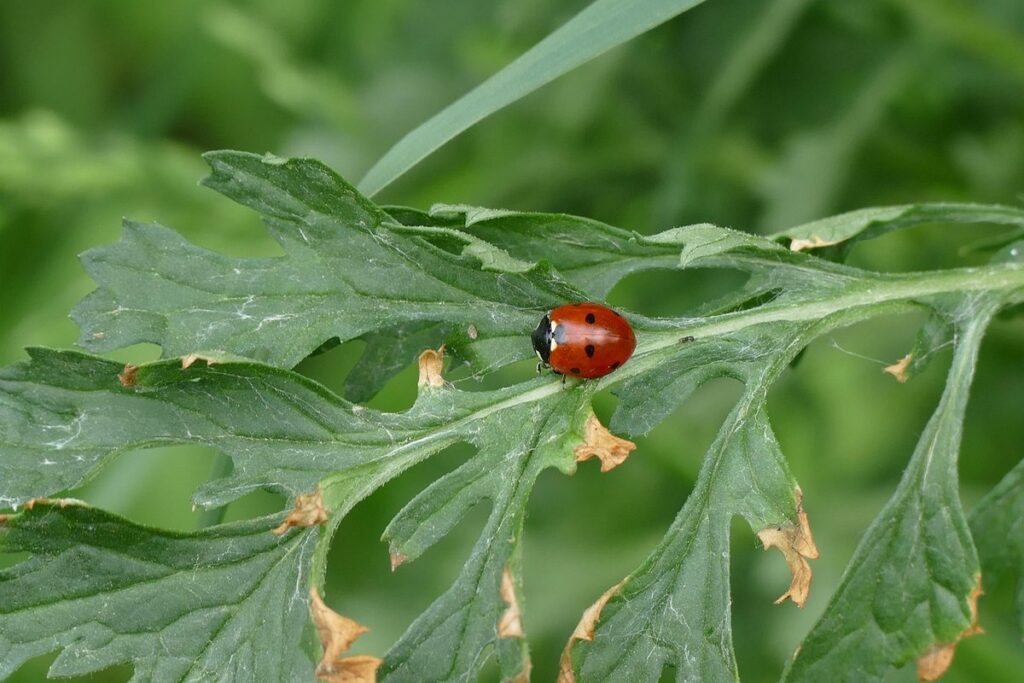
Remember, horticultural oils and pyrethrin sprays are most effective when used in combination with other natural aphid control methods such as introducing beneficial insects like ladybugs or lacewings, which feed on aphids.
Companion Planting and Other Methods
In addition to neem oil and insecticidal soap, there are other natural methods for controlling aphids. Companion planting is a simple yet effective technique that involves pairing plants that repel aphids with those that attract beneficial insects. For example, basil, mint, and lemongrass are known to deter aphids, while marigolds, nasturtiums, and radishes attract predators that feed on them.
Another method is using garlic spray as a natural pesticide. Garlic has natural insecticidal properties that can be extracted and sprayed on plants to repel aphids. Mix minced garlic with water, let it sit for 24 hours, then strain the mixture before spraying it on your plants.
Diatomaceous earth is also an effective method for controlling aphid populations. This powder is made from fossilized algae and works by dehydrating aphids when they come into contact with it. Sprinkle diatomaceous earth around affected areas or use a duster to apply it directly to infested plants.
DIY Aphid Control Products
If you’re short on budget but still want to control aphids naturally, making your own products is a great option. We’ll show you how to create effective DIY aphid control remedies using common household ingredients.
Making Neem Oil Spray at Home
To create an effective neem oil spray at home, you’ll need just a few simple ingredients. Start by mixing 2-3 tablespoons of neem oil with 1 quart (4 cups) of water in a spray bottle. Next, add 1-2 teaspoons of mild liquid soap to help emulsify the neem oil and improve its spreadability.
Make sure to use a gentle, fragrance-free soap that won’t irritate your plants or contaminate soil and water systems. Castile soap is a popular choice for this purpose. Shake the mixture thoroughly before each use to ensure the ingredients are well combined.
When applying the neem oil spray, aim for the undersides of leaves and stems where aphids tend to congregate. Use a fine spray setting to avoid washing away beneficial insects or pollinators. As with any pesticide, avoid spraying during peak sun hours to prevent burning your plants’ leaves.
You can use this neem oil spray as a preventative measure, applying it every 7-10 days during peak aphid season. For more severe infestations, you may need to reapply the spray every 3-5 days until the problem is under control.
Creating Garlic Spray for Aphid Control
To create an effective garlic spray for aphid control, you’ll need just a few simple ingredients: 3-4 cloves of garlic, 1 cup of hot water, and a blender. Yes, you read that right – a blender! This may seem like an unusual tool for making a pest control spray, but it’s essential for breaking down the garlic’s active compounds.
Peel the garlic cloves and add them to the blender with the hot water. Blend on high speed for about 30 seconds, or until the mixture is smooth and well combined. You’ll know it’s ready when the garlic has lost its distinct odor and the liquid has turned a pale yellowish color.
This process may seem time-consuming, but trust us – it’s worth it! The blender will break down the garlic’s enzymes, releasing their natural insecticidal properties into the solution. This makes the resulting spray an effective aphid repellent that can be used on a variety of plants, from vegetables to flowers. Simply strain the mixture through a fine-mesh sieve or cheesecloth before applying it to your plants using a sprayer.
Other Homemade Solutions for Aphid Control
In addition to neem oil and soap solutions, there are other homemade products you can use to control aphids. One such option is to mix dish soap with water and spray it directly on the infested plants. However, be cautious not to overdo it, as excessive amounts of soap can damage your plants’ leaves.
Another effective approach is to use essential oils like peppermint, lemongrass, or tea tree oil. These oils have natural insecticidal properties that repel aphids and other pests. To make an essential oil spray, mix a few drops of the chosen oil with water in a spray bottle and shake well before application.
You can also try using garlic or hot pepper spray to deter aphids. Mix crushed garlic cloves or finely chopped hot peppers with water and let it sit for a few hours before straining the mixture into a spray bottle. These homemade concoctions are not only cost-effective but also free from harsh chemicals, making them an excellent choice for organic gardeners.
Integrated Pest Management (IPM) Strategies
To successfully manage aphid populations, it’s essential to understand and implement integrated pest management strategies that minimize harm to your plants and the environment. Let’s explore these practical IPM methods in more detail.
Understanding IPM Principles
When it comes to managing aphids effectively, understanding the principles behind Integrated Pest Management (IPM) is crucial. IPM is a holistic approach that considers not just the pest itself, but also its environment and the impact of control methods on non-target species.
At its core, IPM is about striking a balance between minimizing harm to people, pets, and the environment while effectively controlling pests. This approach encourages you to think creatively about aphid management by considering multiple strategies that work together in harmony. By adopting an IPM mindset, you’ll begin to see that natural control methods are often more effective and sustainable than relying on chemical pesticides alone.
For example, by monitoring your garden regularly for early signs of aphids, you can catch infestations before they get out of hand, reducing the need for chemical controls altogether. Combine this with practices like crop rotation, companion planting (e.g., using basil to repel aphids), and introducing beneficial insects (like ladybugs or lacewings) that prey on aphid populations – and you’ll be well on your way to a more natural, balanced approach to aphid control.
Creating an IPM Plan for Your Garden
Creating an IPM Plan for Your Garden is crucial to maintaining a healthy ecosystem and minimizing the use of chemical pesticides. To start, identify your garden’s unique characteristics, such as climate, soil type, and plant species. This information will help you determine which pests are most likely to infest your garden.
Monitoring
Regular monitoring is essential in detecting early signs of aphid infestation. Set aside time each week to inspect your plants, looking for telltale signs like curled or distorted leaves, sticky honeydew droplets, and actual aphids on the stems or leaves. Keep a record of your observations to track patterns and identify areas that require extra attention.
Prevention
Preventing infestations is often more effective than controlling them after they occur. Apply natural barriers such as neem oil or insecticidal soap to repel aphids, or introduce beneficial insects like ladybugs or lacewings, which prey on aphids. Plant a diverse range of herbs and flowers that attract these beneficial pests.
Control Methods
If you do encounter an infestation, it’s essential to use integrated control methods rather than relying solely on chemical pesticides. Use pyrethrin sprays or soaps, which are derived from plants, as the first line of defense. If the infestation is severe, introduce parasitic wasps or lacewings that feed specifically on aphids.
By following these steps and continually monitoring your garden, you’ll be able to effectively manage aphid populations using natural methods. Remember that IPM plans should be flexible, adapting to changing conditions in your garden. Regularly review and adjust your plan as needed to ensure a balanced ecosystem and minimize the risk of pests.
Importance of Record-Keeping in IPM Strategies
Keeping accurate records of your Integrated Pest Management (IPM) strategies is crucial for tracking their effectiveness and making necessary adjustments. By monitoring the progress of your natural aphid control methods, you can identify what’s working and what areas need improvement. This helps ensure that your IPM strategy remains adaptable and effective in controlling aphid populations.
For instance, when implementing a combination of neem oil, horticultural soap, and introducing beneficial insects like ladybugs or lacewings, record-keeping helps you track the impact of each method on the population. By analyzing these records, you can adjust your approach to optimize results, such as increasing the frequency of beneficial insect releases or adjusting the application timing of neem oil.
Effective record-keeping also enables you to identify any potential gaps in your IPM strategy and make informed decisions about future treatments. Consider maintaining a logbook for each crop cycle, noting the date, time, and type of treatment applied, as well as observations on aphid populations and damage. This helps you create a historical dataset that can be used to refine your IPM strategies over time.
Maintaining a Healthy Ecosystem
To maintain a healthy ecosystem, it’s essential to create conditions that discourage aphid infestations and promote beneficial insects. This involves understanding your garden’s delicate balance of nature.
Importance of Soil Health for Aphid Control
Soil health plays a significant role in maintaining balanced aphid populations. Aphids thrive in soil that lacks essential nutrients and is prone to erosion. Conversely, healthy soil supports beneficial microorganisms that can help suppress aphid infestations.
To maintain healthy soil, consider incorporating composting into your gardening routine. Compost adds essential nutrients while enhancing soil structure, allowing it to retain moisture better. For example, a study by the University of California found that organic amendments like compost reduced aphid populations on tomato plants by up to 70%.
Crop rotation and cover cropping are also effective strategies for maintaining soil health. These practices help reduce soil-borne pests and diseases while promoting beneficial microorganisms. By rotating crops, you can break disease cycles and create an environment less conducive to aphids.
Incorporating these techniques into your gardening practice can help mitigate the impact of aphid infestations without relying on chemical pesticides.
Encouraging Beneficial Insects in Your Garden
Beneficial insects play a crucial role in controlling aphid populations, making them an essential part of maintaining a healthy ecosystem. By attracting these helpful insects to your garden, you can create a balanced environment that naturally manages aphids without relying on chemicals. To encourage beneficial insects, focus on creating a welcoming habitat with an array of flowers and herbs.
Plant species like marigolds, nasturtiums, and calendula are particularly attractive to beneficial insects as they provide nectar-rich blooms and serve as host plants for beneficial insect larvae. Consider incorporating these flowers into your garden’s design or nearby planters to create a pollinator-friendly zone. Additionally, include herbs such as dill, fennel, and parsley, which not only repel pests but also offer shelter and food sources for beneficial insects.
Create sheltered areas by incorporating native plants with intricate structures like shrubs or perennial flowers that provide hiding spots for small beneficial insects. Also, avoid using broad-spectrum pesticides in your garden as they can harm beneficial insects.
Frequently Asked Questions
Can I use neem oil on all types of plants, or are there any exceptions?
Neem oil is generally safe for most plants, but it’s essential to check the specific plant variety before application. Some plants like succulents and cacti may be more sensitive to neem oil, so start with a small test area first.
How long does it take to see results after implementing natural aphid control methods?
The effectiveness of natural aphid control methods can vary depending on the severity of the infestation and the specific method used. However, most people notice a significant reduction in aphid populations within 7-10 days of starting treatment. Be patient and persistent, as it may take longer to completely eliminate the problem.
Can I use soap solutions with neem oil for an even stronger effect?
While using soap solutions with neem oil can be effective, it’s crucial to follow the recommended dilution ratios to avoid harming your plants. Start with a small test area to ensure the solution isn’t too harsh, and adjust as needed.
What if I notice aphids returning after treatment? How do I prevent re-infestation?
Re-infestation is common, especially during peak growing seasons. To prevent it, monitor your garden regularly for signs of aphids and treat promptly when necessary. Consider implementing integrated pest management (IPM) strategies to create a balanced ecosystem that discourages aphid populations.
Can I use natural aphid control methods in conjunction with other gardening practices like crop rotation?
Yes! Natural aphid control methods can be used alongside other gardening best practices, such as crop rotation and companion planting. In fact, combining multiple approaches will often lead to more effective results than relying on a single method.