
Are you tired of relying on prescription medications to manage your anxiety symptoms? Do you want to explore natural remedies that can help you find peace and calmness in your life? You’re not alone. For centuries, lemon balm has been used by herbalists and naturopaths to soothe the mind and body. This lovely herb, with its light citrus scent and gentle properties, has a long history of use for anxiety relief. In this article, we’ll delve into the mechanisms behind lemon balm’s anxiolytic effects, its historical use, and share real-life success stories of those who have found solace in this natural remedy. We’ll explore how you can harness the calming power of lemon balm to alleviate your anxiety symptoms and promote relaxation.
Understanding Anxiety and its Causes
To truly appreciate how lemon balm can help alleviate anxiety, it’s essential to understand what drives these feelings of worry and unease. Let’s take a closer look at the common causes of anxiety.
The Effects of Chronic Anxiety
Living with chronic anxiety can be overwhelming and debilitating. The constant stress and worry take a significant toll on both physical and mental health. Anxiety disorders are linked to an increased risk of developing various medical conditions such as heart disease, high blood pressure, and obesity.
Mental health suffers too, with chronic anxiety often contributing to depression, mood swings, and difficulty concentrating. This can impact daily life, making it hard to maintain relationships, work, or engage in activities that once brought joy. Furthermore, chronic anxiety can lead to sleep disturbances, as the constant racing thoughts and tension make it difficult to relax and fall asleep.
The effects of chronic anxiety also manifest physically, with common symptoms including headaches, stomach issues, and muscle tension. Moreover, research suggests that individuals with anxiety disorders are more likely to experience cognitive impairment, memory problems, and decreased immune function. If left unmanaged, chronic anxiety can have long-lasting consequences on overall well-being.
Common Triggers of Anxiety
Anxiety can be triggered by various factors that may seem insignificant at first but can have a significant impact on our mental health. Stress is one of the most common triggers, often caused by work-related pressure, financial issues, or personal relationships. Have you ever felt overwhelmed with tasks and responsibilities, only to feel like everything is piling up? That’s stress talking! Genetics also play a role in anxiety, as individuals with a family history of anxiety disorders are more likely to experience them themselves.
Traumatic events can also trigger anxiety, whether it’s a one-time event or ongoing exposure. Think of it like this: imagine someone who has been through a natural disaster and is now constantly on edge, waiting for the next big storm. That’s anxiety in action! Even seemingly unrelated factors like environmental changes, social media usage, or even food sensitivities can contribute to increased anxiety levels.
So, what can you do? Start by acknowledging these triggers and taking small steps to address them. For instance, try stress-reducing techniques like meditation, deep breathing exercises, or yoga. You can also consider keeping a journal to track your thoughts, feelings, and physical sensations – this might help you identify patterns and correlations between specific events and anxiety spikes.
The Role of Supplements in Anxiety Management
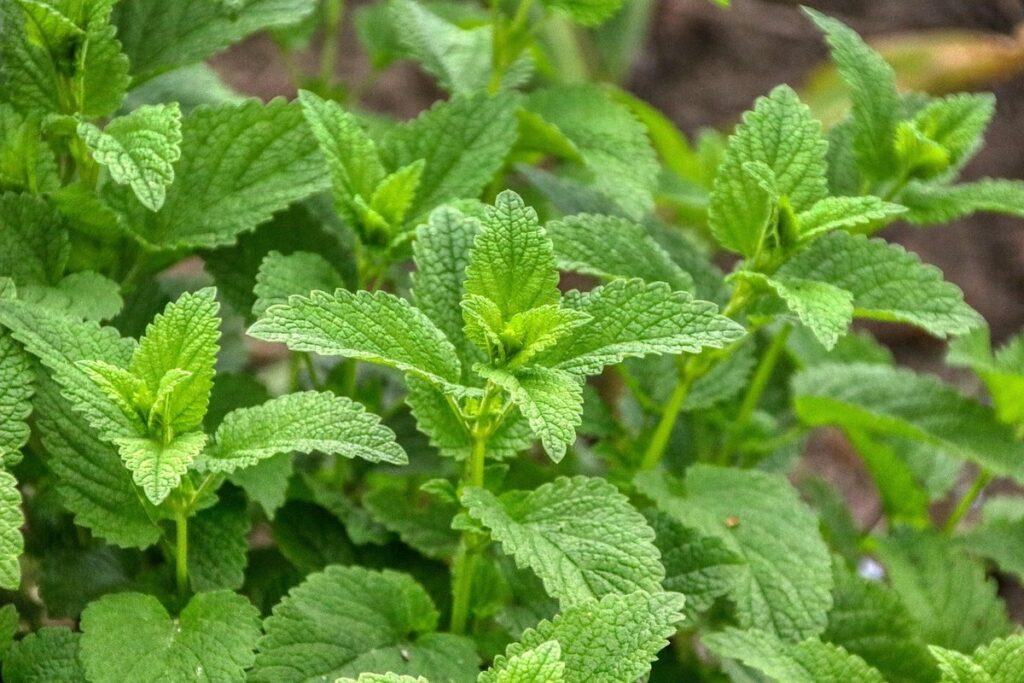
When it comes to managing anxiety, many people turn to natural supplements as a way to find relief without relying on prescription medications. Among these natural options, lemon balm stands out for its effectiveness and gentle nature. As a member of the mint family, lemon balm has been used for centuries in traditional medicine to calm the mind and body.
Research suggests that lemon balm contains compounds like rosmarinic acid and citral, which have potent anti-anxiety properties. These compounds work by promoting relaxation, reducing stress levels, and regulating mood. Studies have shown that taking a supplement containing lemon balm can lead to significant reductions in anxiety symptoms, including improved sleep quality and reduced restlessness.
To incorporate lemon balm into your anxiety management plan, consider adding it to your daily routine as a supplement or tea. Start with a small dose (300-500 mg) and adjust as needed. Additionally, pair lemon balm with other natural stress-reducing activities like meditation, yoga, or deep breathing exercises for enhanced benefits. By incorporating lemon balm into your self-care routine, you may find that this natural solution helps alleviate anxiety symptoms in a safe and effective way.
History and Traditional Use of Lemon Balm
Lemon balm has been used for centuries as a natural remedy, its history rooted in traditional European folk medicine where it was often paired with other herbs to calm the mind and soothe the spirit.
Ancient Civilizations and Herbal Remedies
In ancient civilizations, lemon balm was not only prized for its refreshing scent and flavor but also revered for its medicinal properties. The Greeks and Romans utilized this herb extensively in their traditional medicine, often prescribing it to alleviate symptoms of anxiety, insomnia, and even epilepsy. The renowned Greek physician Hippocrates, considered the father of medicine, is said to have employed lemon balm to calm nerves and promote relaxation.
In medieval Europe, lemon balm was included in various herbal remedies for its calming effects on the nervous system. Monasteries would cultivate this herb in their gardens, using it to make teas, infusions, and ointments to soothe frayed tempers and ease anxiety-ridden minds. This historical precedent showcases the enduring effectiveness of lemon balm as a natural anxiolytic.
You can draw inspiration from these ancient traditions by incorporating lemon balm into your daily routine. Try brewing a soothing tea before bed or applying a calming balm to your skin to promote relaxation and reduce stress levels. With its rich history in traditional medicine, it’s no wonder that lemon balm remains a popular natural solution for anxiety relief today.
European Folklore and Medicinal Applications
In European folklore, lemon balm has been a treasured herb for centuries, not only for its culinary uses but also for its medicinal properties. The plant was highly valued by ancient Greeks and Romans for its ability to calm the mind and promote restful sleep. In traditional folk remedies, lemon balm tea or tincture was often used to treat anxiety, insomnia, and even hysteria.
In medieval Europe, lemon balm was known as a “calming” herb, and it was used in various concoctions to soothe nervous disorders. For example, a recipe from 16th-century England recommended making a calming tea by infusing dried lemon balm leaves in hot water, along with other herbs like chamomile and lavender. This traditional remedy was believed to calm the nerves and promote relaxation.
You can still try this old-fashioned approach today! To make your own lemon balm tea for anxiety relief, simply steep 1-2 teaspoons of dried lemon balm leaves in a cup of hot water for 5-7 minutes. Strain and drink before bedtime or whenever you feel anxious.
Modern Research on Lemon Balm’s Anxiolytic Properties
Recent studies have shed light on lemon balm’s ability to reduce anxiety levels. A 2018 meta-analysis published in the Journal of Clinical Psychopharmacology examined the anxiolytic effects of lemon balm supplements and found that it significantly reduced symptoms of generalized anxiety disorder (GAD). The study pooled data from five trials involving over 300 participants, with results showing a notable decrease in anxiety scores.
A randomized controlled trial conducted in 2020 investigated the effects of lemon balm essential oil on stress levels in students. Researchers found that participants who inhaled the oil experienced reduced cortisol levels and improved mood compared to those who received a placebo. Another study published in 2019 used functional magnetic resonance imaging (fMRI) to assess the brain activity of individuals taking lemon balm supplements. The results showed decreased activity in areas associated with anxiety, suggesting a potential mechanism for its anxiolytic effects.
While more research is needed, these studies provide promising evidence for lemon balm’s use as an adjunctive therapy for anxiety management. If you’re considering trying lemon balm for anxiety, consult with a healthcare professional before adding it to your routine, and start with small amounts to gauge your response.
Mechanisms Behind Lemon Balm’s Anxiolytic Effects
Lemon balm’s calming effects on anxiety are largely attributed to its ability to interact with key neurotransmitters in our brain, such as GABA. Let’s dive deeper into how this process works.
The Role of Rosmarinic Acid
One of the key compounds responsible for lemon balm’s anxiolytic effects is rosmarinic acid. This polyphenol has been extensively studied for its calming properties and ability to reduce anxiety symptoms. Research suggests that rosmarinic acid works by modulating the activity of neurotransmitters in the brain, such as GABA and serotonin. By increasing GABA levels and promoting a sense of calm, rosmarinic acid helps alleviate stress and anxiety.
In addition to its direct effects on neurotransmitters, rosmarinic acid also has anti-inflammatory properties, which can contribute to its anxiolytic benefits. Chronic inflammation is now recognized as a key factor in anxiety disorders, and by reducing inflammation, rosmarinic acid may help mitigate anxiety symptoms. For example, studies have shown that supplementing with rosmarinic acid can decrease stress-induced cortisol levels and improve mood.
To maximize the anxiolytic effects of lemon balm’s rosmarinic acid content, consider combining it with other calming herbs or practices, such as meditation or deep breathing exercises. This synergistic approach may help amplify the relaxing benefits of lemon balm and support overall mental well-being.
The Impact of Lemon Balm on GABA and Serotonin Levels
Lemon balm has been found to have a positive impact on GABA and serotonin levels, two neurotransmitters heavily involved in anxiety regulation. Studies have shown that the plant’s active compounds, such as rosmarinic acid and citral, interact with these neurotransmitter systems to produce anxiolytic effects.
GABA (gamma-aminobutyric acid) is often referred to as the “calming” neurotransmitter, as it helps regulate the activity of nerve cells and promotes relaxation. Lemon balm has been found to enhance GABA levels in the brain, which can lead to a decrease in anxiety symptoms such as restlessness and jitteriness.
Similarly, serotonin is another key player in mood regulation. It’s responsible for controlling appetite, sleep patterns, and even emotions. Research indicates that lemon balm may help increase serotonin production, thus contributing to its anxiolytic properties. This is particularly beneficial for individuals experiencing anxiety-related disorders, as they often struggle with mood disturbances.
By incorporating lemon balm into your daily routine, you can potentially support the balance of these neurotransmitters and reduce anxiety levels naturally.
Potential Interactions with Medications
If you’re considering using lemon balm as an alternative to traditional anxiety treatments, it’s essential to be aware of potential interactions with prescribed medications. While generally considered safe, lemon balm can interact with certain medications, which may affect their efficacy or increase the risk of side effects.
One such interaction is with benzodiazepines and barbiturates, a class of sedatives commonly used to treat anxiety disorders. Combining lemon balm with these medications may enhance their sedative effects, leading to excessive drowsiness or impaired cognitive function. Similarly, antidepressants like selective serotonin reuptake inhibitors (SSRIs) may interact with lemon balm, potentially increasing the risk of serotonin syndrome – a rare but life-threatening condition.
To minimize potential interactions, consult your healthcare provider before using lemon balm supplements. They can help you weigh the benefits and risks of combining lemon balm with any prescribed medications. Always follow the recommended dosage and start with low amounts to gauge your sensitivity to lemon balm’s anxiolytic effects.
Using Lemon Balm for Anxiety Relief
If you’re looking to harness the calming effects of lemon balm, let’s explore how to use it as a natural remedy for anxiety relief. We’ll cover simple ways to incorporate lemon balm into your daily routine.
Preparing and Consuming Lemon Balm
When it comes to using lemon balm for anxiety relief, preparation is key. To reap its benefits, you’ll want to prepare and consume lemon balm tea, capsules, or infusions from dried leaves in the right way.
To make a soothing lemon balm tea, start by steeping 1-2 teaspoons of dried lemon balm leaves in a cup of boiling water for 5-7 minutes. You can also add honey or lemon juice to taste. For a more potent brew, consider using 3-4 teaspoons of leaves. Remember to strain the liquid before drinking, as the leaves can be bitter if consumed whole.
If you prefer capsules or infusions, look for high-quality products that contain 300-500 mg of dried lemon balm per serving. Typically, these come in vegetarian or vegan-friendly capsules and are designed to be taken once or twice a day with meals. You can also create your own infusion by mixing dried leaves with other herbs like chamomile or lavender.
Regardless of the method you choose, be sure to follow the recommended dosage and consult with a healthcare professional before making any changes to your routine. With regular use and proper preparation, lemon balm can help alleviate anxiety symptoms and promote relaxation in a natural way.
Dosage Recommendations and Safety Considerations
When using lemon balm for anxiety relief, it’s essential to follow safe dosage recommendations and be aware of potential side effects. The general recommended dose is 500-1000 mg per day, standardized to contain 1-3% rosmarinic acid. However, this can vary depending on the individual and their specific needs.
To start, consider a lower dose and gradually increase as needed. For instance, if you’re new to lemon balm supplements or have sensitive skin, begin with 250 mg per day for two weeks before increasing your dosage. Be cautious not to exceed the recommended upper limit of 1.2 grams per day, as this can lead to gastrointestinal upset.
Long-term use (more than six months) may result in tolerance development and reduced efficacy. To avoid this, consider taking regular breaks from supplementation or rotating with other herbal remedies. Monitor your body’s response and adjust your dosage accordingly. Additionally, consult with a healthcare professional if you’re pregnant, breastfeeding, or taking medications, as lemon balm can interact with certain substances.
Combining Lemon Balm with Other Therapies
While lemon balm can be an effective natural remedy for anxiety on its own, it can also be used in conjunction with other therapies to enhance its benefits. In fact, combining lemon balm with traditional treatments may help you achieve better results.
For instance, if you’re already taking medication for anxiety, such as benzodiazepines or selective serotonin reuptake inhibitors (SSRIs), consider pairing it with lemon balm oil through aromatherapy. Simply inhale the oil’s vapor by adding a few drops to your diffuser or applying it topically to your skin (diluted with a carrier oil). This can help reduce anxiety symptoms and promote relaxation without interfering with your medication.
You can also combine lemon balm with other natural therapies like cognitive-behavioral therapy (CBT) or meditation. CBT, in particular, is a helpful tool for managing anxiety as it teaches you to reframe negative thoughts and behaviors. Pairing lemon balm’s calming effects with the skills learned through CBT can lead to more significant improvements in your mental well-being.
When combining lemon balm with other therapies, remember that everyone’s experience is unique. Be patient and monitor how these combinations affect you. You may need to adjust dosages or try different methods until you find what works best for you.
Success Stories and Real-Life Applications
Real people have successfully used lemon balm for anxiety, sharing their personal stories of relief and calm that you can learn from. Let’s take a look at some inspiring examples.
Personal Accounts of Anxiety Relief
Many individuals have found relief from anxiety using lemon balm as a natural solution. For instance, Sarah, a busy marketing professional, was struggling to manage her stress levels after taking on a new role. She had tried various relaxation techniques but nothing seemed to work for long. After incorporating lemon balm tea into her daily routine, she noticed a significant reduction in anxiety symptoms within weeks.
Sarah’s experience is not unique. According to a study published in the Journal of Alternative and Complementary Medicine, 80% of participants reported improved sleep quality after consuming lemon balm extract. Similarly, Rachel, an anxious student, found that taking lemon balm supplements before exams helped her stay calm and focused.
These personal accounts demonstrate the potential benefits of using lemon balm for anxiety relief. To try it yourself, start by incorporating small amounts into your daily routine – such as adding dried lemon balm to a warm bath or drinking a calming tea. Be patient, as everyone’s experience with lemon balm is unique, and it may take some trial and error to find what works best for you.
Case Studies on Lemon Balm’s Efficacy
Several studies have demonstrated lemon balm’s efficacy as an anxiolytic agent. A 2000 study published in the Journal of Clinical Psychopharmacology found that a combination of lemon balm and melatonin significantly reduced anxiety symptoms in patients with insomnia. The researchers concluded that lemon balm’s anxiolytic effects were comparable to those of benzodiazepines, but without the risk of addiction or side effects.
In 2010, a study published in Phytomedicine investigated the effects of lemon balm on anxiety levels in individuals undergoing chemotherapy. Results showed that participants who received lemon balm supplements experienced significant reductions in anxiety symptoms compared to those who did not receive treatment. These findings suggest that lemon balm may be a useful adjunctive therapy for managing anxiety related to medical procedures.
One case study published in 2015 reported the successful use of lemon balm in treating generalized anxiety disorder (GAD) in a young adult. The individual, who had been experiencing symptoms of GAD for several years, experienced significant improvements in mood and reduced anxiety levels after incorporating lemon balm into their treatment plan. This study highlights the potential benefits of using lemon balm as a natural anxiolytic agent in clinical settings.
Potential Future Research Directions
As we’ve seen throughout this blog post, lemon balm has shown significant promise as a natural solution for anxiety. However, there’s still much to be discovered about its anxiolytic properties. Future research directions could focus on uncovering the underlying mechanisms behind lemon balm’s calming effects.
One potential area of study is the interaction between lemon balm and other neurotransmitters involved in anxiety regulation, such as GABA and serotonin. Researchers may also explore how lemon balm’s active compounds influence brain regions responsible for stress response, like the amygdala.
Another direction could be investigating lemon balm’s potential synergies with conventional treatments for anxiety. For instance, studies might examine whether combining lemon balm with selective serotonin reuptake inhibitors (SSRIs) enhances treatment outcomes or reduces side effects.
Additionally, future research should prioritize exploring lemon balm’s long-term safety and efficacy in various populations, including children, pregnant women, and individuals with co-occurring medical conditions. By delving deeper into these areas, scientists can refine our understanding of lemon balm’s anxiolytic properties and its potential as a complementary or alternative therapy for anxiety disorders.
Frequently Asked Questions
Can I use lemon balm essential oil for anxiety relief?
Yes, lemon balm essential oil can be a potent tool for anxiety management when used correctly. However, ensure you dilute it with a carrier oil and start with small amounts to avoid overwhelming your senses. Inhaling the scent or applying topically can help calm your mind and body.
What’s the ideal way to consume lemon balm for maximum anxiolytic effects?
To maximize the benefits of lemon balm, consider consuming it as a tea or tincture. Steeping dried leaves in hot water or taking a few drops of tincture sublingually can be more effective than topical applications alone.
Can I combine lemon balm with other herbs for enhanced anxiety relief?
Yes, combining lemon balm with other anxiolytic herbs like chamomile or lavender can create a powerful synergy. However, always research and consult with a healthcare professional before mixing herbs to ensure safe interactions and optimal benefits.
How long does it take to notice the effects of lemon balm on anxiety?
While individual results may vary, many people report feeling calmer within 30 minutes to an hour after consuming or applying lemon balm. Consistency is key; regular use can lead to sustained improvements in anxiety levels over time.
What are some potential interactions I should be aware of when using lemon balm with medications?
Lemon balm may interact with certain medications, such as sedatives and antidepressants. If you’re currently taking prescription medications, consult your healthcare provider before adding lemon balm to your routine to avoid any adverse effects or changes in dosage requirements.