
Native sweet cherry species are a treasure trove of natural goodness, offering not only delicious flavors but also numerous health benefits. These trees have been growing wild for centuries, and their cultivation has been refined over time to produce the succulent fruits we love to eat. But there’s more to these cherries than meets the eye – they’re also a vital part of our ecosystem, providing food and shelter for various wildlife species.
In this article, we’ll delve into the world of native sweet cherry species, exploring their classification, cultivation methods, and uses in cooking and medicine. We’ll also discuss the importance of conserving these valuable trees, which are facing threats from climate change and human activities. By learning more about native sweet cherries, you can appreciate their value and take steps to protect them for future generations.
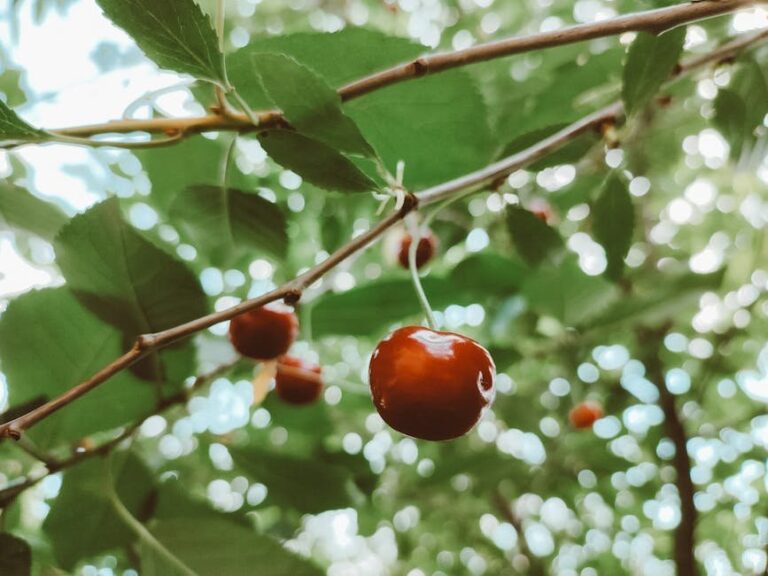
Introduction to Native Sweet Cherries
Let’s start by exploring what makes native sweet cherries unique, and how these characteristics impact their growth and cultivation. We’ll dive into the details of each species.
What are Native Sweet Cherries?
Native sweet cherries are a type of stone fruit that belongs to the Prunus avium species. They are native to the temperate regions of the Northern Hemisphere, with their origin dating back thousands of years to the mountainous forests of Eastern Europe and Asia. These trees have adapted remarkably well to different climates and soil types, making them an ideal choice for gardeners and farmers.
Native sweet cherries are known for their unique characteristics, which set them apart from other cherry varieties. They typically grow as small to medium-sized deciduous trees, reaching heights between 15-25 feet (4.5-7.6 meters). Their growth habits can be either upright or spreading, with some species having a more compact growth pattern.
One of the most distinctive features of native sweet cherries is their dark green leaves, which turn vibrant shades of orange and red during autumn. The trees produce clusters of 3-4 inch (7.6-10 cm) diameter flowers in spring, followed by fruit that’s usually larger and sweeter than cultivated varieties.
Importance of Native Sweet Cherry Species
Native sweet cherry species play a vital role in maintaining the balance of ecosystems. As an essential component of pollinator-rich gardens and forests, they contribute to the efficient transfer of pollen between plants, facilitating the reproduction of other flora. This, in turn, supports biodiversity by enabling various plant species to coexist harmoniously.
These trees also serve as a valuable food source for wildlife. The succulent fruits are rich in nutrients, making them an attractive choice for animals such as birds, mammals, and insects during their peak ripeness. The impact of this relationship cannot be overstated – the presence of native sweet cherry species has been shown to positively affect local ecosystems by fostering a more resilient food chain.
Additionally, certain native sweet cherry species have demonstrated potential medicinal properties, which can contribute significantly to human well-being. Studies suggest that the compounds found in some varieties possess anti-inflammatory and antioxidant qualities, making them worth further exploration as natural remedies for various health conditions.
Classification and Distribution of Native Sweet Cherries
Let’s dive into how native sweet cherry species are classified, including their unique characteristics and growth habits. This helps you understand their specific needs in your garden or orchard.
Classification within the Prunus Genus
The classification system used to categorize native sweet cherry species is based on their relationships within the Prunus genus. This genus comprises over 400 species of trees and shrubs, many of which are edible. Native sweet cherries belong to several distinct categories within the Prunus genus, including Prunus fruticosa, Prunus serotina, and Prunus mahaleb.
These classifications can be determined by examining the fruit’s characteristics, leaf morphology, and growth habits. For example, Prunus fruticosa is a deciduous shrub with small, cherry-like fruits, while Prunus serotina is a large tree with dark red bark and edible fruits that are larger than those of Prunus fruticosa.
Understanding these classifications can be helpful for growers who want to identify their native sweet cherry species. By examining the fruit’s characteristics and growth habits, you can determine whether your plant belongs to one of these categories. This information can also help you choose the right pruning techniques and care methods to ensure optimal growth and fruit production.
Global Distribution and Regional Variations
Native sweet cherry species are found on every continent except Antarctica, with a global distribution that spans across temperate and subtropical regions. In North America, Prunus avium is the primary native sweet cherry species, whereas Prunus fruticosa and Prunus serotina dominate in Eastern Europe and Asia Minor respectively.
Regional variations in climate have led to adaptations in native sweet cherry species. For instance, in mountainous regions of Central Asia, Prunus serotina exhibits a unique tolerance for high-altitude conditions. Conversely, in the Mediterranean region, Prunus avium has adapted to thrive in hot and dry climates with minimal water requirements.
Geographical differences also influence the distribution and characteristics of native sweet cherry species. In the Pacific Northwest region of North America, Prunus avium is prized for its fruit quality and hardiness. Conversely, in Japan, Prunus serotina is valued for its ornamental properties and is often cultivated as a shade tree.
It’s essential to understand these regional variations when cultivating native sweet cherry species, as they require tailored approaches to ensure optimal growth and fruit production.
Identifying Native Sweet Cherry Species
When exploring native sweet cherries, it’s essential to understand the unique characteristics of each species. In this section, we’ll help you identify some of North America’s most prominent native sweet cherry varieties.
Morphological Characteristics
When identifying native sweet cherry species, it’s essential to examine their morphological characteristics. This involves taking a closer look at the fruit shape, size, color, and stem features. Fruit shape can vary significantly between species, with some being more rounded, while others are elongated or heart-shaped. For instance, Prunus fruticosa has a distinctly elongated shape, whereas Prunus cerasus tends to be rounder.
Fruit size is another key characteristic, with native sweet cherry species ranging from small (Prunus nigra) to large (Prunus avium). Color can also serve as an identifying feature, although it may not always be consistent. Some species, like Prunus mahaleb, have a reddish-purple skin, while others are more yellow or brown.
The stem is another essential aspect to consider. The length and thickness of the peduncle (the stalk that attaches the fruit to the tree) can vary between species. For example, Prunus fruticosa has relatively short peduncles, whereas those of Prunus cerasus are longer and thicker. By examining these morphological characteristics, you’ll be better equipped to identify native sweet cherry species in the wild or when selecting varieties for cultivation.
Fruit Quality and Taste
When it comes to the flavor profiles of native sweet cherry species, you’ll find that each one has its unique characteristics. For instance, the Utah Sweet Cherry (Prunus emarginata) is known for its intense sweetness and firm texture, making it perfect for fresh eating and baking. On the other hand, the Mountain Sweet Cherry (Prunus fusca) has a more subtle sweetness and softer flesh, which makes it ideal for canning and jam-making.
The flavor profiles of native sweet cherry species are also influenced by factors such as climate, soil quality, and ripeness. The Big Sand Cherry (Prunus pumila), for example, is often described as having a sweeter and more complex flavor profile when grown in warmer climates. Understanding these nuances can help you choose the right variety for your specific needs.
In terms of culinary uses, native sweet cherry species are incredibly versatile. They’re perfect for baking pies and tarts, making jam and preserves, and even using fresh as a topping for yogurt or oatmeal. With their rich flavor profiles and texture, it’s no wonder that many chefs and food enthusiasts are starting to explore the world of native sweet cherries.
Cultivation and Care of Native Sweet Cherry Trees
To grow a healthy native sweet cherry tree, you’ll want to focus on proper planting, pruning, and regular maintenance throughout its life cycle. This section will walk you through the essential steps for nurturing these beautiful trees.
Soil and Climate Requirements
Native sweet cherry trees are adaptable to various soil types, but they thrive best in well-drained soils with a pH between 6.0 and 7.0. Avoid planting them in areas with standing water or where the water table is high, as this can lead to root rot. Sandy loams and clay-loam mixtures are ideal for these trees.
When it comes to climate requirements, native sweet cherry trees need full sun to partial shade and a moderate climate. They prefer temperatures between 35°F (2°C) and 80°F (27°C), with an average annual rainfall of around 25 inches. In areas with cold winters, it’s essential to choose varieties that are resistant to chill hours, which can range from 600 to 1,200 hours.
If you live in a region with hot summers or dry spells, consider planting native sweet cherry trees near a water source or installing an irrigation system to ensure they receive adequate moisture. In areas with extreme temperature fluctuations, protect the trees from frost damage by covering them during winter months or using windbreaks to shield them from harsh winds.
Pruning and Training Techniques
Pruning and training are essential for maintaining the health and productivity of native sweet cherry trees. Pruning helps remove diseased, damaged, or crossing branches that can lead to infection and reduce fruiting. It also promotes air circulation, sunlight penetration, and encourages a balanced tree structure.
For young trees (typically up to 2-3 years old), pruning focuses on developing a strong central leader and removing any weak or competing branches. This helps the tree establish a good root system and develops a sturdy framework for future growth.
As the tree matures, pruning becomes more focused on maintaining shape, promoting fruiting wood, and controlling vigor. Remove about 10-20% of the previous year’s growth each season to maintain optimal growth rates and encourage healthy new wood production.
For training, consider installing a central leader system or an open center system, both of which promote sunlight penetration and air circulation. Regularly inspect your tree for signs of disease or pests and take action promptly to prevent damage. Remember to disinfect pruning tools between cuts to prevent the spread of diseases.
Health Benefits and Culinary Uses of Native Sweet Cherries
Native sweet cherries aren’t just a delicious treat, but also offer numerous health benefits when consumed fresh or used in cooking. We’ll explore their potential uses and advantages.
Nutritional Value and Potential Medicinal Applications
Native sweet cherries are an excellent source of essential nutrients, boasting an impressive array of vitamins, minerals, and antioxidants. One cup of raw native sweet cherries contains approximately 12 grams of fiber, making them an excellent addition to a weight management diet. They’re also rich in vitamin C, potassium, and manganese, with some varieties containing as much as 15 milligrams of vitamin A per serving.
The high antioxidant content in native sweet cherries has been linked to numerous potential health benefits, including anti-inflammatory properties and enhanced cardiovascular health. Studies have shown that consuming native sweet cherry extracts can reduce inflammation and improve blood flow, potentially reducing the risk of heart disease. Additionally, the anthocyanins present in these fruits may help protect against certain cancers and neurodegenerative diseases.
In traditional medicine, native sweet cherries have been used for centuries to treat various ailments, including fever, rheumatism, and even indigestion. Today, their extracts are being researched for their potential to combat certain types of cancer, such as colon and breast cancer, due to their high antioxidant content. By incorporating native sweet cherries into your diet or supplement routine, you may be able to reap these benefits and enhance overall well-being.
Culinary Preparation Methods and Pairing Suggestions
When it comes to preparing and enjoying native sweet cherries, the possibilities are endless. One of the most versatile ways to cook with them is by using various culinary preparation methods.
For instance, you can use a combination of poaching and grilling to bring out their natural sweetness. Simply poach the cherries in water or wine until they’re tender, then toss them on the grill for a caramelized crust. This pairs perfectly with a tangy balsamic glaze and fresh thyme.
In savory dishes, native sweet cherries complement rich flavors like duck confit or pork belly. Try pairing them with a charred onion jam and crispy prosciutto for a sweet and salty combination. You can also use them in salads, adding sweetness to balance out bitter greens and tangy dressings.
When it comes to specific varieties, some popular options include the ‘Pendicton’ and ‘Bing’ types, both of which have a naturally sweeter flavor profile that lends itself well to pairing with savory ingredients.
Conservation Efforts and Sustainable Practices for Native Sweet Cherry Species
To protect these precious native sweet cherry species, conservation efforts are underway to preserve their habitats and promote sustainable practices among growers. Let’s explore some of these initiatives together.
Threats to Native Sweet Cherry Populations
Native sweet cherry populations are facing numerous threats that can have long-lasting effects on their survival and sustainability. Habitat loss is one of the most significant concerns, as urbanization, agriculture, and infrastructure development continue to encroach upon native habitats. Climate change also poses a significant threat, with warmer temperatures and changing precipitation patterns altering the delicate balance of cherry ecosystems.
Invasive species are another major concern, as non-native plants and animals outcompete native sweet cherries for resources, altering ecosystem processes and leading to population decline. For example, the emerald ash borer and buckthorn are invasive species that have had devastating effects on native cherry populations in North America.
To mitigate these threats, it’s essential to adopt sustainable practices and support conservation efforts. This can involve preserving and restoring habitats, promoting biodiversity through agroforestry practices, and engaging in responsible land-use planning. Additionally, spreading awareness about the importance of native sweet cherries and their ecological role can inspire action among individuals and communities. By working together, we can protect these incredible species for future generations to enjoy.
Best Practices for Sustainable Harvesting and Propagation
When it comes to native sweet cherry species, sustainable harvesting and propagation practices are crucial for their long-term conservation. To ensure the health of these natural populations, consider the following guidelines.
For sustainable harvesting, focus on removing only what is necessary for the ecosystem’s balance. Avoid over-harvesting, which can lead to population decline or even extinction. Instead, adopt a selective approach that prioritizes young trees and those with characteristics desired for conservation efforts.
Propagation techniques should prioritize seed collection from mature, healthy trees in the wild. This helps maintain genetic diversity within populations and reduces reliance on cultivated varieties. You can also consider using grafting or layering to propagate specific desirable traits while preserving the tree’s genetic integrity.
Reforestation efforts can be effective when done sustainably. Encourage native species growth by removing invasive plant species, maintaining a balanced soil composition, and providing optimal growing conditions. By adopting these practices, you contribute to the preservation of native sweet cherry species for future generations.
Frequently Asked Questions
Can I grow native sweet cherry species in my backyard if I live in a warm climate?
Native sweet cherries typically thrive in temperate regions with cooler summers, but some varieties can tolerate warmer climates. Research specific species that are resistant to heat stress and ensure your soil type is suitable for these trees.
How do I know which native sweet cherry variety is best suited for my region’s specific conditions?
Consult with a local nursery or extension office to determine which varieties have been successfully grown in your area. They can help you select a species adapted to your climate, soil type, and available space.
What are the key differences between cultivating native sweet cherries and other cherry species like sour cherries or ornamental cherries?
Native sweet cherries require specific soil and climate conditions, as well as more maintenance than some other cherry varieties. They also have unique pruning and training needs to optimize fruit production. Be sure to research these specific requirements when growing native sweet cherries.
Can I use native sweet cherry trees for edible landscaping or can they only be grown in traditional orchards?
Native sweet cherry trees are suitable for edible landscaping, providing a beautiful and productive addition to your yard. However, consider factors like tree size, mature height, and space availability when planning your landscape design.
How do I ensure the long-term health and productivity of my native sweet cherry trees through proper care and maintenance?
Regular pruning, training, and monitoring for pests and diseases are essential for maintaining healthy and productive native sweet cherry trees. Schedule annual check-ups with a certified arborist or tree care professional to ensure your trees receive optimal care.
Can I propagate new native sweet cherry trees from cuttings, or do I need to purchase grafted trees?
Grafted trees often have a head start on fruit production, but you can also propagate native sweet cherries through softwood cuttings in the spring. This method requires more skill and patience, but it’s a cost-effective way to multiply your favorite varieties.