
Are you tired of sacrificing beauty for low-maintenance landscaping? Native prairie plants are here to change the game, offering a stunning alternative that’s both effortless to care for and teeming with life. By incorporating these gorgeous plants into your garden, you’ll not only reduce maintenance costs but also create a thriving ecosystem that attracts pollinators and supports local biodiversity.
In this expert guide, we’ll show you how to choose, design, and maintain a prairie-style garden that’s tailored to your unique needs. From selecting the right plants for your region to designing a visually appealing layout, every aspect of creating a native prairie garden is covered. By the end of our article, you’ll have all the knowledge needed to transform your outdoor space into a vibrant, low-maintenance oasis that showcases the natural beauty of native prairie plants.
Introduction to Native Prairie Plants
As you begin your journey into incorporating native prairie plants into your garden, it’s essential to understand their unique characteristics and benefits for biodiversity. Let’s dive into what makes these plants so special.
What Are Native Prairie Plants?
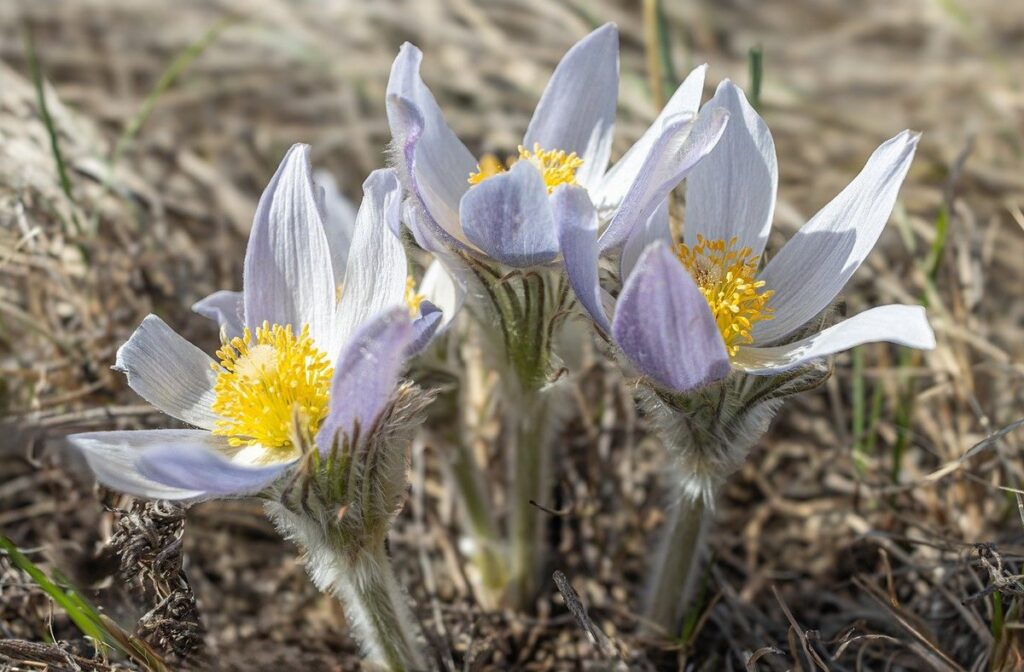
Native prairie plants are the wildflowers, grasses, and other vegetation that naturally grow in prairies, which are vast areas of open land dominated by grasses and wildflowers. These plants have evolved over thousands of years to thrive in the specific climate, soil conditions, and amount of sunlight found in prairies.
Unlike non-native plants, which are often introduced from other parts of the world, native prairie plants have a unique set of adaptations that allow them to survive and even flourish in their natural environment. For example, they may have deep root systems to access water deeper in the soil or produce chemical defenses to protect themselves from pests.
When you bring native prairie plants into your garden, you’re not only adding beauty and biodiversity but also creating a more resilient ecosystem. Native plants require less maintenance, as they’re adapted to local conditions and can withstand local pests and diseases. They also provide habitat and food for local pollinators, birds, and other wildlife, supporting the entire ecosystem. By choosing native prairie plants, you’ll be creating a haven for life in your garden.
Benefits of Planting Native Prairie Plants
Incorporating native prairie plants into your garden design can bring numerous benefits, from reduced maintenance to increased biodiversity. For one, these hardy plants are well-suited to the local climate and soil conditions, which means they require less watering, fertilizing, and pruning compared to non-native species. This makes them an attractive option for busy gardeners or those looking to create a low-maintenance landscape.
Native prairie plants also play a crucial role in supporting biodiversity by providing food and shelter for pollinators like bees and butterflies. By including native plants that bloom at different times, you can create a constant source of nectar and pollen throughout the growing season, attracting a variety of wildlife to your garden. This is particularly important as many native pollinator species are struggling due to habitat loss and fragmentation.
By planting native prairie plants, you’ll also be creating a haven for local wildlife, such as birds, butterflies, and small mammals. These plants provide seeds, berries, and other food sources that support the entire ecosystem. To get started, choose plants that are well-suited to your region and climate, and consider using a mix of grasses, wildflowers, and shrubs to create a diverse and resilient garden ecosystem.
Choosing the Right Native Prairie Plants for Your Garden
When selecting native prairie plants for your garden, it’s essential to choose a mix of species that will thrive in your specific climate and soil conditions. This selection process requires careful consideration of several key factors.
Understanding Your Climate and Soil Conditions
When it comes to selecting native prairie plants for your garden, understanding your local climate and soil conditions is crucial. These factors can greatly impact a plant’s ability to thrive in your garden, so take the time to determine what works best for your specific area.
Start by assessing your climate zone. If you live in an area with hot summers and cold winters, look for plants that are adapted to these extreme temperature fluctuations. For example, in USDA Hardiness Zone 5, plants like Little Bluestem (Schizachyrium scoparium) and Indiangrass (Sorghastrum nutans) can tolerate the heat and chill.
Next, consider your soil type. Native prairie plants typically thrive in well-drained soils with a slightly acidic pH. If you have heavy clay or sandy soil, choose plants that are more adaptable to these conditions. Black-eyed Susan (Rudbeckia hirta), for instance, can handle poor soil and drought.
Moisture levels also play a significant role in plant selection. Some native prairie plants require regular watering, while others are drought-tolerant. Determine how much rainfall your area receives annually and choose plants that match these conditions. By taking the time to understand your garden’s climate, soil type, and moisture levels, you’ll be able to select the perfect native prairie plants for a thriving, biodiverse garden.
Selecting Plants Based on Bloom Time and Height
When selecting native prairie plants for your garden, it’s essential to consider both bloom time and plant height to ensure a constant display of color throughout the growing season. By choosing plants with varying bloom times, you’ll have a vibrant showcase of flowers from spring to fall.
Start by researching the specific bloom periods for each plant species. For example, coneflowers (Echinacea spp.) typically bloom in mid-summer, while black-eyed Susans (Rudbeckia hirta) bloom in late summer and early fall. Incorporating a mix of early-, mid-, and late-blooming plants will create a dynamic display of color that lasts from April to October.
In addition to selecting plants with varying bloom times, also consider their mature height. A good rule of thumb is to plant a mix of tall, medium, and short species. This will create visual interest and prevent any one plant from overpowering others in the garden. Tall plants like big bluestem (Andropogon gerardii) can grow up to 6 feet, while shorter plants like prairie smoke (Geum triflorum) typically top out at 12-18 inches. By combining plants of different heights and bloom times, you’ll create a thriving, diverse garden that showcases the beauty of native prairie plants all season long.
Designing a Native Prairie Garden
To create a thriving native prairie garden, you’ll want to design it with a mix of grasses and wildflowers that will bloom throughout the growing season. This diversity will attract pollinators and add beauty to your landscape.
Creating a Diverse Plant Palette
When creating a diverse plant palette for your native prairie garden, it’s essential to strike a balance between grasses, wildflowers, and other native species. A mix of about 70% grasses, 20% flowers, and 10% shrubs or trees will create a visually appealing landscape that mimics the natural beauty of a prairie ecosystem.
Grasses provide structure and texture to your garden, while wildflowers add bursts of color and fragrance. Consider incorporating tall grasses like Big Bluestem (Andropogon gerardii) or Little Bluestem (Schizachyrium scoparium), which will sway gently in the breeze. For a splash of color, plant native wildflowers like Black-eyed Susan (Rudbeckia hirta), Purple Coneflower (Echinacea purpurea), or Butterfly Milkweed (Asclepias tuberosa).
To add depth and interest to your garden, incorporate other native species like shrubs or trees. For example, the Prairie Rose (Rosa setigera) provides a delicate fragrance and beautiful blooms, while the Oaks (Quercus spp.) offer sturdy branches for perching birds.
By combining these elements, you’ll create a diverse and thriving plant palette that attracts pollinators, birds, and other wildlife to your garden. Remember to choose plants native to your region and consider factors like soil type, sunlight, and moisture levels when selecting species.
Incorporating Hardscaping and Water Features
When designing a native prairie garden, it’s essential to balance natural beauty with functional elements that enhance the overall experience. Hardscaping features like walkways, patios, and retaining walls can not only add visual interest but also help manage erosion and create distinct spaces within the garden.
Consider using locally sourced fieldstone or limestone for walkways and patios, as these materials will blend seamlessly into the native landscape. For retaining walls, opt for a natural stone or wood design to maintain the organic feel of the prairie. When choosing locations for hardscaping features, consider accessibility and visibility – you want to create inviting pathways that encourage exploration.
Water features like ponds or rain gardens can also be incorporated into the design, providing habitat for native wildlife and aesthetic interest year-round. For a small-scale option, consider installing a shallow pond with a naturalistic liner to minimize visual impact. Rain gardens can be designed to collect and filter stormwater runoff, reducing pressure on local waterways.
Incorporating both hardscaping elements and water features will not only create a visually stunning native prairie garden but also support biodiversity within the ecosystem.
Planting and Maintenance Tips for Native Prairie Plants
To get the most out of your native prairie plants, learn how to plant them correctly and maintain them throughout the seasons with these essential tips. A little care goes a long way in promoting healthy growth and vibrant blooms!
Preparing the Soil and Planting Sites
When preparing the soil and planting sites for native prairie plants, it’s essential to create an environment that mimics their natural habitats. Start by removing any debris, rocks, and weeds from the area. Native prairie plants prefer well-draining soil with a mix of sand, silt, and clay. If your garden has heavy clay or sandy soil, consider amending it with organic matter like compost to improve drainage and fertility.
Mulching is another crucial step in preparing the soil for native prairie plants. Apply a 2-3 inch layer of mulch around the planting area to retain moisture, suppress weeds, and regulate soil temperature. You can use wood chips, bark, or leaves as mulch materials. Additionally, deadheading spent flowers will encourage your native prairie plants to produce more blooms throughout the growing season.
By following these simple techniques, you’ll be creating a welcoming environment for your native prairie plants to thrive in. Remember to plant species that are suitable for your region and climate to ensure their success.
Maintaining a Healthy and Diverse Ecosystem
When it comes to maintaining a healthy and diverse ecosystem in your native prairie garden, there are several key strategies to keep in mind. One of the most important is proper mowing techniques. To promote healthy growth and prevent invasive species from taking over, aim to mow your native prairie plants once or twice a year, depending on their specific needs. Cut only about one-third of the foliage to allow for continued growth throughout the growing season.
It’s also essential to water your native prairie plants correctly. Overwatering can lead to disease and pest issues, so make sure not to overdo it. Water deeply but infrequently to encourage deep root growth, which will help your plants withstand dry spells. Mulching around the base of your plants can also help retain moisture and suppress weeds.
Another crucial aspect is controlling invasive species that might compete with your native prairie plants for resources such as water and nutrients. Regularly inspect your garden for signs of invasive species like bindweed or knapweed, and take steps to eradicate them before they spread.
Common Native Prairie Plants for Different Regions
When selecting native prairie plants, it’s essential to consider your region’s unique growing conditions and choose varieties that thrive locally. We’ll explore popular options by region below.
Plants Suitable for the Eastern United States
The eastern United States offers a diverse range of native prairie plants that can thrive in gardens. When selecting plants for your garden, consider species with unique growth habits and bloom times to create a dynamic and visually appealing space.
For example, the Butterfly Milkweed (Asclepias tuberosa) is an excellent choice for its vibrant orange flowers that attract pollinators from May to July. This perennial plant grows 12-18 inches tall and prefers well-drained soil with full sun. The Blazing Star (Liatris spp.) is another popular option, featuring purple or white spikes that bloom from June to September. It thrives in dry to medium moisture soils with full sun.
The Eastern Blazing Star (Liatris scariosa) has a more narrow growth habit and prefers slightly acidic soils. Meanwhile, the Wild Indigo (Baptisia tinctoria) boasts blue-violet flowers from May to July and tolerates a wide range of soil conditions.
These plants not only add visual appeal but also provide essential habitat for local wildlife. When choosing native prairie plants, ensure you select species suitable for your USDA Hardiness Zone to guarantee success in your garden.
Plants Suitable for the Western United States
In the western United States, native prairie plants are as stunning as they are resilient. To create a thriving garden in this region, it’s essential to choose plants that can withstand the hot summers and cold winters. Consider the following species:
* Purple Coneflower (Echinacea purpurea) – a drought-tolerant favorite with vibrant purple flowers that attract pollinators.
* Rocky Mountain Bee Plant (Cleome serrulata) – a unique, towering plant with delicate white blooms that are a favorite of bees and butterflies.
* Lupine (Lupinus argenteus) – a fragrant, pink- or blue-flowering perennial that’s perfect for well-drained soil and sunny spots.
When selecting plants for your western garden, remember to choose species native to your specific region. For example, the Great Basin area is home to the beautiful Western Yarrow (Achillea millefolium), while the Colorado Plateau boasts the stunning Scarlet Gilia (Ipomopsis aggregata). By incorporating these and other native prairie plants into your garden design, you’ll be supporting biodiversity and creating a haven for local wildlife.
Conclusion and Resources for Further Learning
Now that you’ve learned how to choose, plant, and care for native prairie plants, let’s summarize what we’ve covered together so far.
Recap of Key Takeaways
As you conclude your journey through this guide on native prairie plants for gardens, remember that incorporating these incredible species into your garden design is a simple yet profound way to boost biodiversity and beauty. By choosing native prairie plants, you’re not only creating a haven for local wildlife but also reducing maintenance needs and enhancing the overall aesthetic of your outdoor space.
Key takeaways from this article include understanding the benefits of native prairie plants in attracting pollinators, supporting local ecosystems, and requiring less water and care compared to non-native species. We’ve discussed how to select the right plants for your region, create a layered landscape that mimics the diversity of a natural prairie ecosystem, and incorporate them into your garden design.
Remember to also consider the importance of patience when establishing a native prairie plant garden, as it may take some time for these plants to mature and thrive.
Additional Resources for Gardeners
For those who want to dive deeper into the world of native prairie plants, there are numerous resources available to help you learn and grow as a gardener. If you’re interested in learning more about the care and maintenance of these incredible plants, I recommend checking out some of the following books:
* “Prairie Plants for the Midwest” by Allan M. Armitage – This book provides an excellent guide to native prairie plants in the Midwest region, covering topics such as planting, growing conditions, and pest management.
* “The New Seed Starter’s Handbook” by Nancy Bubel – While not exclusively focused on native prairie plants, this book offers valuable advice on seed starting techniques that are essential for successfully cultivating these species.
In addition to books, there are also several websites dedicated to native prairie plants. Some of my favorites include:
* The Lady Bird Johnson Wildflower Center’s website (www.wildflower.org) – This site is a treasure trove of information on native plants, including guides, resources, and educational materials.
* The National Wildlife Federation’s Plant Finder Tool (www.nwf.org) – Use this handy tool to find native prairie plants suitable for your region and climate.
For online courses and workshops, consider checking out websites like Coursera or Udemy, which often offer courses on topics related to gardening and horticulture.
Frequently Asked Questions
Can I use native prairie plants in containers or small spaces?
Yes, you can use native prairie plants in containers or small spaces by selecting species that are compact or trailing. This will allow you to still enjoy the benefits of native plants even if you have limited space. Just ensure the container is at least 6-8 inches deep and has good drainage to accommodate the plant’s root system.
How long does it take for a native prairie garden to establish itself?
A native prairie garden typically takes 2-3 years to fully establish, depending on factors like climate, soil conditions, and maintenance. During this time, you may need to provide additional care, such as watering or mulching, to help the plants get established.
Can I mix native prairie plants with other types of flowers or shrubs?
Yes, you can definitely mix native prairie plants with other types of flowers or shrubs to create a diverse and visually appealing garden. However, be mindful of plant compatibility and choose species that have similar growing conditions and maintenance requirements.
How do I control weeds in my native prairie garden without harming the native plants?
To control weeds in your native prairie garden without harming the native plants, use a combination of physical removal (hand-weeding or hoeing) and mulching. You can also use a shallow layer of mulch to suppress weed growth while allowing native plants to thrive.
Can I plant native prairie plants in areas with poor soil quality?
Yes, you can still plant native prairie plants in areas with poor soil quality. However, it’s essential to prepare the soil properly by adding organic matter like compost or manure to improve its fertility and drainage. This will help your native plants establish themselves more effectively.