
Are you tired of dull and uninspiring shade gardens? Do you want to create a vibrant oasis in your yard that thrives all year round? Look no further than native perennials for shade. These incredible plants are not only beautiful, but they’re also incredibly resilient and require minimal maintenance. By incorporating native perennials into your shade garden design, you can enjoy year-round interest and color, even in the toughest weather conditions.
In this article, we’ll explore the world of native perennials for shade, providing expert tips on selection, design, care, and maintenance. We’ll cover everything from choosing the right plants for your specific climate and soil type to designing a stunning landscape that showcases their natural beauty. Whether you’re a seasoned gardener or just starting out, our expert advice will help you transform your shade garden into a thriving haven that brings joy all year round.
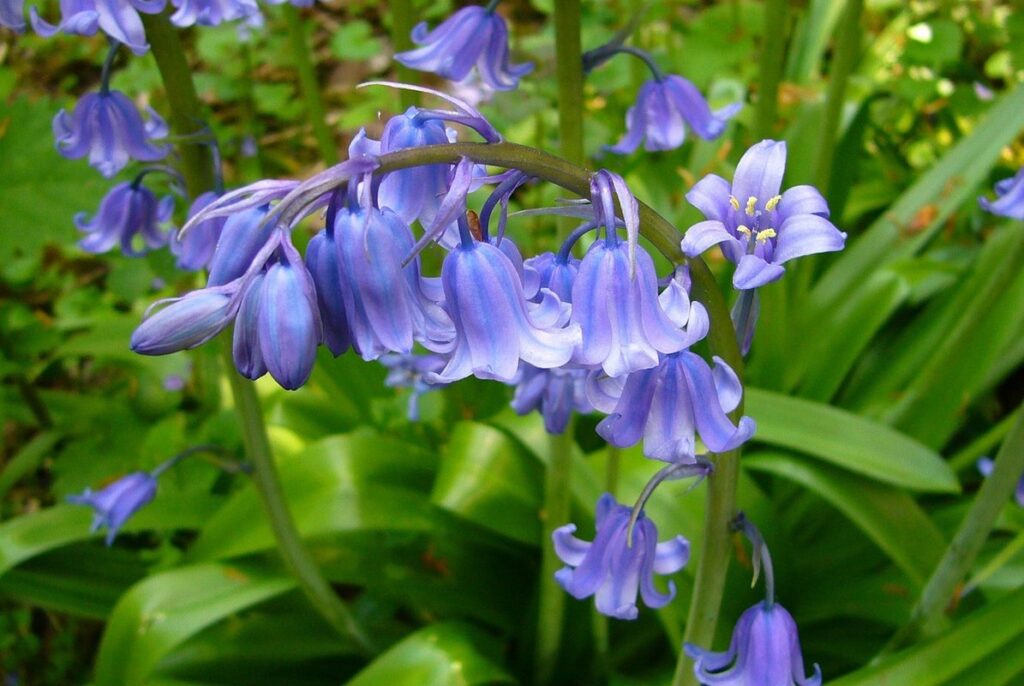
Understanding the Benefits of Native Plants in Shade
Native plants in shade offer a unique set of benefits that can transform your landscape into a thriving oasis. Let’s explore how these beneficial plants can enhance your outdoor space.
Why Choose Native Plants?
When it comes to choosing plants for your shade garden, selecting native perennials is an excellent option. One of the main advantages of using native plants is their ability to attract pollinators such as bees, butterflies, and hummingbirds. By choosing plants that are native to your region, you’re providing a source of food and shelter for these vital creatures.
Native plants also require less maintenance compared to non-native species. They’ve adapted to the local climate and soil conditions over thousands of years, so they’re better equipped to handle droughts, extreme temperatures, and other environmental stressors. This means you’ll need to water, prune, and fertilize them less often, saving you time and money in the long run.
In addition to attracting pollinators and requiring minimal maintenance, native plants are also more resilient to pests and diseases. By planting species that are well-suited to your region’s ecosystem, you’re reducing the risk of invasive species taking over your garden.
Assessing Your Soil and Climate Conditions
When selecting native perennials for shade, it’s essential to consider the local soil and climate conditions. These factors can significantly impact the health, growth, and resilience of your plants.
Start by evaluating your soil type. Is it sandy, clay-based, or a mix? What’s its pH level? You can determine this using a DIY soil test kit or consult with a local nursery expert. For example, if you have acidic soil, opt for native perennials like trillium or bellworts that thrive in slightly acidic conditions.
Next, assess your climate. Is it hot and humid or cool and dry? Consider the average temperature range and annual rainfall in your area. Native plants like foamflower and Canada mayflower are ideal for cooler climates with moderate moisture levels. On the other hand, plants like coral bells and oakleaf hydrangea can tolerate warmer temperatures and drought conditions.
Observe your yard’s sunlight patterns as well. While most native perennials prefer partial shade to full shade, some species can thrive in varying light conditions. Be sure to choose a plant that suits your specific site conditions for optimal performance and reduced maintenance.
Selecting the Right Native Perennials for Shade
When choosing native perennials for shade, it’s essential to consider factors like sunlight levels, soil quality, and mature plant size to ensure a healthy and thriving garden. Let’s break down these key considerations together.
Evergreen Options for Year-Round Interest
When selecting native perennials for shade, it’s essential to consider plants that offer year-round interest to enhance the beauty and resilience of your landscape. Evergreen options are perfect for this purpose, providing a consistent aesthetic appeal even during the colder months.
Ferns, such as the autumn fern (Dryopteris erythrosora) or the cinnamon fern (Osmunda cinnamomea), are excellent choices for shaded areas. These plants add texture and depth to your landscape while maintaining their lush foliage year-round. Holly (Ilex spp.) is another great option, providing a striking contrast with its bright red berries against its dark green leaves.
Boxwood (Buxus sempervirens) is also an ideal evergreen plant for shade, offering versatility in terms of shape and size. You can use it as a hedge, topiary, or even a small shrub to add structure to your landscape. When incorporating these plants into your design, remember to consider their mature sizes and growth habits to ensure they don’t overcrowd the area.
By selecting evergreen native perennials for shade, you’ll create a lush and diverse landscape that remains engaging throughout the year, even in the winter months when other plants may be dormant.
Spring-Blooming natives for Vibrant Color
If you’re looking to add a burst of vibrant color to your shaded landscape, consider incorporating spring-blooming native perennials into your design. These low-maintenance beauties not only provide stunning displays of color but also support local pollinators and wildlife.
Trillium (Trillium spp.) is an excellent choice for shade gardens, producing elegant white, pink, or purple blooms in the spring. Be sure to plant multiple varieties for a long-lasting display of color. Another option is violets (Viola spp.), which thrive in shaded areas and produce delicate, intricate flowers in shades of purple, blue, and yellow.
Bleeding heart (Dicentra spectabilis) is another popular choice for shaded landscapes, producing heart-shaped blooms in pink or white that dangle from arching stems. When selecting these perennials, be sure to choose varieties native to your region to ensure optimal growth and resilience. Plant them in well-draining soil and provide the right amount of moisture for a stunning display of color all season long.
Creating a Diverse Native Plant Palette
When selecting native perennials for your shade garden, it’s essential to consider a variety of plants that thrive in different conditions and offer unique textures, colors, and forms. This mix will add depth and visual interest to your landscape.
Mixing Low-Growing Plants with Tall Foliage
When it comes to creating visual interest in shaded areas, combining low-growing plants with taller foliage is an effective way to add depth and texture. For example, try pairing the low-growing Wild Ginger (Asarum canadense) with the tall, stately Eastern Columbine (Aquilegia canadensis). The compact growth habit of the Wild Ginger creates a lush carpet-like effect, while the Columbine’s height adds vertical interest.
This combination works beautifully in shaded woodland gardens or along streams where taller plants may be more likely to thrive. To create this look in your own landscape, start by selecting native perennials with varying heights and textures. Consider layering low-growing plants like Creeping Thyme (Thymus serpyllum) or Wild Strawberries (Fragaria virginiana) at the base of taller species like Cardinal Flower (Lobelia cardinalis) or American Holly (Ilex opaca). By mixing and matching native perennials in this way, you can create a visually stunning and resilient landscape that requires minimal maintenance.
Incorporating Grasses for Texture and Movement
Native grasses are an often-overlooked yet incredibly valuable component of shade gardens. Not only do they provide a unique texture and movement to the landscape, but they also serve as a vital food source for native wildlife. When selecting native grasses for your shade garden, consider species like switchgrass (Panicum virgatum) or Indian grass (Sorghastrum nutans), which are both highly adaptable and low-maintenance.
Incorporating native grasses can add depth and visual interest to even the most shaded areas of your landscape. Try planting them in drifts or clumps, allowing their stems to sway gently in the breeze. This will create a sense of movement and energy that’s especially striking when combined with other native perennials.
When choosing where to plant native grasses, remember that they tend to thrive in well-draining soils and full sun to partial shade conditions. By selecting the right variety for your specific climate and soil type, you can enjoy their benefits year-round. For example, switchgrass is a great choice for areas with clay or loamy soils, while Indian grass excels in sandy soils.
Designing a Native Shade Garden
Now that you’ve chosen your native shade perennials, let’s talk about how to design a beautiful and thriving garden that showcases their unique features. This means considering factors like texture, color, and growth habits.
Considerations for Small Spaces
When working with small spaces in your native shade garden, it’s essential to choose compact plants that won’t overwhelm the area. Consider opting for species like the Eastern Columbine (Aquilegia canadensis), which grows only 1-2 feet tall and wide. Another great option is the Wild Ginger (Asarum canadense), a low-growing groundcover that forms a dense mat of heart-shaped leaves.
In small spaces, it’s crucial to make the most of available light. If your garden receives partial shade, look for plants like the Cardinal Flower (Lobelia cardinalis) or the Golden Ragwort (Packera aurea), which can thrive in these conditions. For areas with dappled or filtered light, choose species like the Foamflower (Tiarella cordifolia) or the Bleeding Heart (Dicentra spectabilis).
To maximize space, consider layering plants of different heights and textures. This will not only add visual interest but also create a sense of depth in your small garden. For example, you can plant tall species like the Wild Columbine (Aquilegia formosa) towards the back, while using shorter plants like the Creeping Thyme (Thymus serpyllum) to spill over the edges.
Integrating Native Plants with Other Landscape Features
When integrating native plants with other landscape features, consider their unique characteristics to create a harmonious and resilient design. Native perennials for shade can thrive when paired with the right hardscaping elements, such as stepping stones or patios made from natural stone or wood.
For example, using large rocks or boulders to create a natural seating area not only provides a comfortable spot for relaxation but also serves as a habitat for beneficial insects and microorganisms. This type of design allows native plants to spread their roots without being disturbed by hardscaping materials.
Another effective way to incorporate native perennials with other landscape features is through the use of mulch or wood chips. These organic materials help retain moisture, suppress weeds, and regulate soil temperature, creating a conducive environment for native plant growth. Consider incorporating rain gardens or bioswales that allow excess water to be absorbed by native plants, reducing stormwater runoff.
By thoughtfully integrating native perennials with other landscape features, you can create a beautiful, low-maintenance shade garden that not only enhances your outdoor space but also contributes to the local ecosystem’s health and biodiversity.
Plant Care and Maintenance Tips
To ensure your native perennials thrive, it’s essential to understand how to provide them with the right care and maintenance for optimal growth. We’ll cover key tips and tricks to keep your shade garden looking its best.
Watering Strategies for Native Perennials in Shade
Watering native perennials in shaded areas can be a challenge due to their unique needs. First and foremost, it’s essential to understand that native perennials are adapted to the local climate and soil conditions, which means they require less watering than non-native plants. In fact, overwatering is one of the most common mistakes people make when caring for native perennials.
To avoid wasting water, it’s crucial to observe your plants and adjust your watering schedule accordingly. Check the soil moisture by inserting your finger into the soil up to the first knuckle. If the soil feels dry, it’s time to water. A good rule of thumb is to water deeply but infrequently, allowing the plant to develop a deep root system.
For example, if you’re growing the Eastern Columbine (Aquilegia canadensis) in your shaded area, water it every 7-10 days during hot summer months and reduce watering frequency as temperatures drop. Mulching around the plants also helps retain moisture, reducing the need for frequent watering. By following these tips, you’ll be able to promote healthy growth and minimize waste, ensuring your native perennials thrive in their shaded environment.
Mulching and Pruning Techniques for Optimal Growth
When it comes to promoting optimal growth in native perennials for shade, mulching and pruning are crucial techniques that require attention. Mulching helps retain moisture and suppress weeds, but using the right type is essential. For example, wood chips or bark can be too acidic for some plants, while pine straw may contain weed seeds. Instead, opt for organic mulch like leaves, grass clippings, or shredded coconut husks.
Pruning techniques also impact growth and health. Remove dead, diseased, or damaged branches to prevent the spread of disease and encourage new growth. Cut back perennials in late winter or early spring to allow them to rebloom throughout the season. Some native perennials like black-eyed Susan (Rudbeckia hirta) require regular pruning to maintain shape and promote blooming.
Consider these tips when mulching and pruning your native shade perennials:
• Remove no more than one-third of plant material at a time to avoid shocking the roots
• Prune in late winter or early spring, avoiding summer and fall when plants are actively growing
• Use sharp tools to prevent tearing leaves and stems
Adding a Layer of Depth with Companion Plants
Companion plants can take your shade garden from beautiful to breathtaking, adding texture and visual interest that complements native perennials perfectly. Let’s explore some top picks for combining with your favorite shade natives!
Using Annuals to Add Color and Interest
When it comes to adding color and interest to your native perennials in shade, annuals can be a game-changer. These temporary plants are perfect for filling gaps between blooming periods or adding a pop of color when you need it most.
By incorporating annuals into your landscape design, you can create a dynamic and ever-changing display that keeps your garden looking fresh all season long. Consider pairing native perennials like astilbe, hostas, or hellebores with annuals like impatiens, coleus, or petunias for a striking combination.
Annuals also offer flexibility – plant them in the spring or summer to add instant color, and then remove them before winter sets in. This temporary solution allows you to experiment with different colors and textures without making long-term commitments.
To get the most out of your annuals, choose varieties that complement the bloom times and growing conditions of your native perennials. For example, plant impatiens near astilbe for a bold splash of color during the summer months when astilbe is in full bloom. With a little creativity, you can use annuals to add layers of depth and interest to your shade garden while still showcasing the beauty of native perennials.
Incorporating Other Companions for Texture and Diversity
When working with native perennials for shade, it’s easy to get caught up in featuring show-stopping plants that command attention. However, incorporating other companions into the mix can elevate your landscape from visually appealing to breathtakingly beautiful.
Consider pairing a stately Eastern Purple Coneflower (Echinacea purpurea) with vibrant Cardinal Flower (Lobelia cardinalis). The coneflower’s stately spikes provide a dramatic backdrop for the cardinal flower’s bright red blooms, while its foliage offers a delicate texture contrast. Alternatively, team a lush Bluebells (Mertensia virginica) with the airy white plumes of Golden Ragwort (Packera aurea).
Not only do these combinations add visual interest, but they also foster a more resilient landscape. Companion plants can help mitigate pests and diseases that target your native perennials, creating a balanced ecosystem that promotes overall health and biodiversity. When selecting companion plants, choose species with varying growth habits and bloom times to ensure year-round interest and depth in your shade garden.
Conclusion: Embracing Native Perennials for a Thriving Shade Garden
As we come full circle, let’s explore how embracing native perennials can elevate your shade garden into a thriving oasis that requires minimal maintenance.
Recap of Key Takeaways
As we conclude our exploration of native perennials for shade gardens, let’s revisit the key takeaways that will help you create a thriving and resilient landscape.
By choosing native perennials, you’re not only enhancing the beauty of your garden but also contributing to its ecological health. These plants have evolved alongside local wildlife, providing vital food sources and shelter. For instance, the Eastern Columbine (Aquilegia canadensis) attracts hummingbirds with its nodding, bell-shaped flowers.
When designing your shade garden palette, aim for diversity by incorporating a mix of bloom times, growth habits, and textures. This will create a dynamic display throughout the seasons. Consider combining early-blooming plants like the Virginia Bluebells (Mertensia virginica) with later-bloomers such as the Bladdernut (Staphyla glabra).
Proper plant care is also essential for your native perennials to thrive. Water them deeply and infrequently to encourage deep root growth, and avoid over-fertilizing, which can lead to weak, disease-prone plants. With these key takeaways in mind, you’ll be well on your way to creating a stunning and resilient shade garden that showcases the beauty of native perennials.
Final Thoughts on Enhancing Your Landscape’s Beauty and Resilience
As you’ve learned throughout this journey into native perennials for shade, it’s clear that these remarkable plants are more than just a beautiful addition to your landscape – they’re also resilient and environmentally conscious. By embracing native perennials, you’ll not only enhance the aesthetic appeal of your outdoor space but also contribute to a thriving ecosystem.
To make the most of this newfound knowledge, take time to assess your existing shade garden and identify areas where you can incorporate more native perennials. Research local nurseries or online retailers that specialize in native plants and start making informed choices about which species will thrive in your specific climate and soil conditions.
Consider experimenting with a mix of native wildflowers, shrubs, and trees to create a layered and dynamic landscape. For example, combine the delicate white blooms of Wild Indigo (Baptisia tinctoria) with the vibrant foliage of Joe Pye Weed (Eutrochium maculatum). Not only will this combination provide a visually stunning display, but it will also attract pollinators and support local biodiversity.
By taking these steps, you’ll be well on your way to creating a landscape that’s not only breathtakingly beautiful but also ecologically resilient.
Frequently Asked Questions
How can I ensure the native perennials for shade I choose are suitable for my specific climate?
Before selecting plants, check their hardiness zone range to ensure it matches your local climate conditions. You can also consult with a local nursery or gardening expert who’s familiar with the region’s specific growing conditions.
What if I have limited space in my shade garden? Can native perennials still thrive?
Yes! Many native perennials for shade are compact and adaptable to smaller spaces, such as containers or vertical gardens. Choose plants that fit your available space and provide adequate sunlight, water, and maintenance.
How do I incorporate native perennials into an existing landscape with other plant species?
When introducing native perennials to a non-native landscape, consider their mature size and growth habits to ensure they won’t overcrowd or compete with other plants. Also, assess the soil conditions and adjust your planting strategy accordingly to create a harmonious coexistence.
Can I use annuals alongside native perennials in my shade garden?
Yes! While native perennials provide year-round interest, annuals can add vibrant color and texture during specific seasons. Choose annuals that complement the native perennials’ growth habits and blooming periods to create a dynamic landscape.
How do I maintain the health of my native perennials in shady conditions?
Mulch around plants to retain moisture and suppress weeds. Also, avoid overwatering, which can lead to root rot in native perennials. Regular pruning and fertilization will also promote healthy growth and prevent disease issues.