
Are you tired of mowing your lawn every weekend, only to have it grow back quickly? Do you want to create a more sustainable outdoor space that doesn’t harm the environment? Look no further than native grasses for lawns. These low-maintenance and environmentally friendly options are becoming increasingly popular, and for good reason. Not only do they require less watering and fertilizing, but they also provide a natural habitat for local wildlife.
In this article, we’ll explore the benefits of choosing native grass species for your lawn and show you how to make the transition seamlessly. We’ll cover topics such as how to select the right native grass for your climate and soil type, tips for planting and establishing a new lawn, and creative ways to incorporate native grasses into your landscaping design. By the end of this article, you’ll be well on your way to creating a beautiful and sustainable outdoor space that’s perfect for your home and the environment.
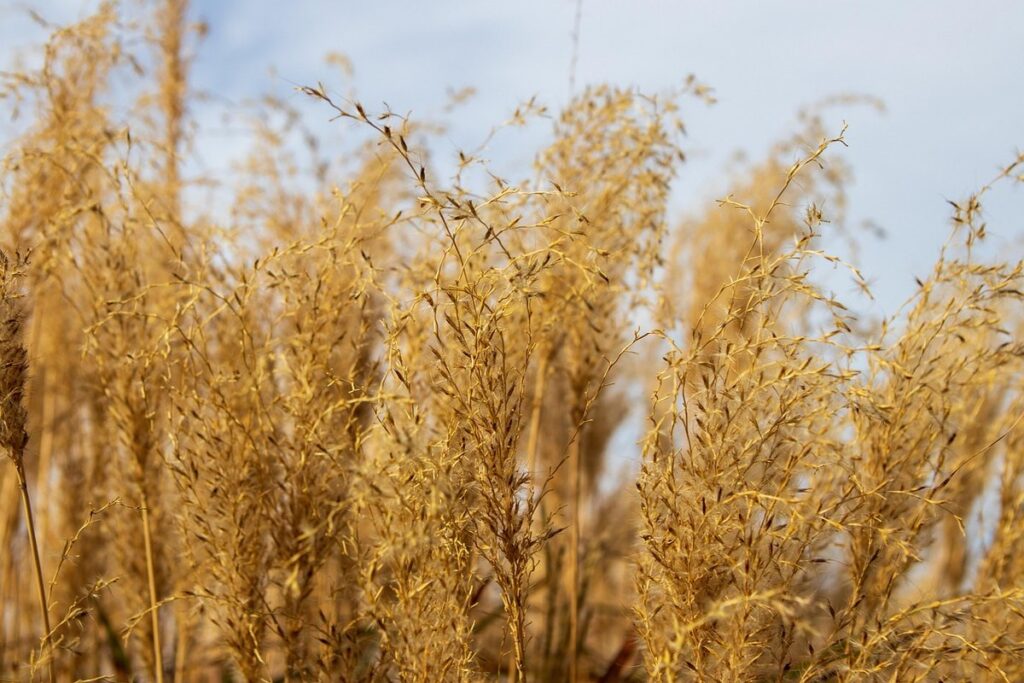
Benefits of Native Grasses
Native grasses offer a multitude of benefits for your lawn, from reduced water consumption to increased biodiversity. Let’s explore some of these advantages in more detail.
Low Maintenance Requirements
One of the most significant advantages of native grasses is their low maintenance requirements. Unlike traditional turf, which demands regular mowing, watering, and fertilizing, native grasses are incredibly resilient and can thrive with minimal upkeep.
For instance, native grasses like Buffalo Grass or Blue Grama Grass require mowing only once a year, compared to the bi-weekly or monthly mowing schedules for traditional lawns. This not only saves you time but also reduces your carbon footprint by minimizing energy consumption from lawn equipment. Moreover, native grasses are more drought-tolerant and can survive with minimal watering, making them an ideal choice for water-conscious homeowners.
Fertilizing is another area where native grasses excel. They have adapted to local soil conditions over thousands of years, so they don’t require the same level of fertilization as traditional turf. In fact, over-fertilizing can even harm native grasses, so it’s best to avoid using chemical fertilizers altogether. By choosing native grasses for your lawn, you’ll not only reduce your maintenance burden but also create a more sustainable and environmentally friendly outdoor space.
Environmentally Friendly
When you choose native grasses for your lawn, you’re not just making an environmentally friendly choice – you’re also contributing to the well-being of your local ecosystem. Native grasses have evolved over thousands of years to thrive in your specific region’s climate and soil conditions, which means they require less maintenance and resources compared to traditional turf.
One of the most significant benefits of native grasses is their ability to improve soil health. They have a deep root system that helps to aerate the soil, reduce erosion, and increase water retention – all essential factors for healthy plant growth. In contrast, traditional turf often relies on fertilizers and pesticides that can harm local wildlife and contaminate groundwater.
By choosing native grasses, you’re also promoting biodiversity in your area. Native plants provide food and shelter for local pollinators, birds, and small mammals, which is crucial for maintaining a balanced ecosystem. For example, some native grasses attract beneficial insects like bees and butterflies that help to pollinate nearby flowers and crops.
If you’re considering making the switch to native grasses, start by choosing a mix of species that are well-suited to your climate and soil type. You can also consult with local nurseries or gardening experts for guidance on selecting the right plants for your area. Additionally, consider reducing your mowing frequency and height to allow native grasses to grow taller and wider, which will help them spread and establish a healthy root system.
Cost-Effective Solutions
Using native grasses for lawns can be a cost-effective solution for homeowners looking to reduce their expenses while still maintaining a lush and beautiful outdoor space. One of the primary advantages of native grasses is their ability to thrive with minimal watering, which can lead to significant savings on water bills.
In fact, some studies have shown that native grasses require up to 50% less water than traditional turfgrass. This reduced water usage can be especially beneficial in areas prone to drought or with strict water conservation regulations. Additionally, native grasses often require less maintenance, as they are better adapted to local climate and soil conditions.
By choosing native grasses, homeowners can also reduce their mowing frequency, which not only saves time but also reduces the need for gas-powered lawn mowers and their associated costs. With proper installation and care, native grasses can be a long-term solution that provides both cost savings and environmental benefits.
Choosing the Right Native Grass
When selecting a native grass for your lawn, it’s essential to consider factors such as sunlight requirements, soil type, and moisture levels. This will help you choose a species that thrives in your local climate.
Climate Considerations
When selecting native grass species, it’s essential to consider the climate and region you’re in. Different regions have unique temperature, precipitation, and soil conditions that can impact the growth and health of native grasses.
For example, in hot and dry climates like those found in parts of California or Texas, native grasses like Buffalo Grass or Blue Grama are well-suited to handle high temperatures and drought. These species are adapted to survive with minimal watering and mowing, making them ideal for water-conscious homeowners.
In areas with cold winters like the Midwest or Northeast, native grasses such as Little Bluestem or Big Bluestem can tolerate frost and snow. However, it’s crucial to choose a species that can handle the specific temperature fluctuations in your region.
To ensure you’re selecting the right native grass for your climate, research local species that thrive in your area. Consult with experts, nursery professionals, or local gardening clubs for recommendations tailored to your specific climate zone.
Soil Type and Sunlight Requirements
When choosing a native grass for your lawn, it’s essential to consider the soil type and sunlight requirements of each species. Different native grasses thrive in various conditions, so selecting the right one will ensure its success.
For example, some native grasses like Buffalo Grass and Blue Grama love well-draining soils with full sun, while others like Tall Fescue and Switchgrass prefer moist soils with partial shade. Soil pH also plays a crucial role; for instance, Native Bentgrass grows best in acidic soils, whereas Kentucky Bluegrass thrives in slightly alkaline soils.
To determine the right soil type for your native grass, test your soil’s pH level and nutrient content. Based on the results, choose a native grass that suits your local climate and soil conditions. For instance, if you have a dry area with full sun, consider planting Buffalo Grass or Blue Grama. Similarly, if you live in an area with partial shade, opt for a species like Tall Fescue or Switchgrass.
It’s also crucial to assess the sunlight requirements of each native grass. Some require minimal maintenance and can thrive in areas with as little as 4-6 hours of direct sunlight per day, while others need full sun to bloom.
Distinguishing Between Native and Non-Native Species
When selecting native grasses for your lawn, it’s essential to distinguish between authentic native species and non-native alternatives. This can be a challenging task, especially with the numerous options available in the market.
One way to identify native grasses is by examining their physical characteristics. Native grasses typically have adaptations that enable them to thrive in local climate conditions. For example, some native grasses have deep roots that allow them to access groundwater during droughts. In contrast, non-native species may not have these same adaptations and can be more susceptible to disease and pests.
To ensure you’re choosing the right native grass for your lawn, research local nurseries or gardening experts who specialize in native plant species. They can provide valuable insights on which grasses are best suited for your specific region and climate. Additionally, look for certifications from organizations such as the National Wildlife Federation’s Certified Wildlife Habitat Program, which verifies that a particular plant is native to your area.
Planting and Establishing Native Grasses
Now that you’ve chosen your native grass species, it’s time to learn how to plant them successfully. Let’s dive into the details of establishing a thriving lawn using native grasses.
Preparing the Site
Before planting native grasses, it’s essential to prepare the site to ensure a successful establishment. The first step is to remove existing turf, which can be done using a sod cutter or by digging it up manually. Be sure to dispose of the removed turf responsibly, as it can’t be reused in your new native grass lawn.
Next, till the soil to a depth of about 8-10 inches. This will loosen compacted soil and allow for better drainage and root growth. Use a rototiller or garden fork to break up clods and aerate the soil. If your soil is particularly dense or clay-heavy, consider adding organic matter like compost or well-rotted manure to improve its structure.
As you till, also take this opportunity to remove any debris, rocks, or weeds that could compete with your native grasses for resources. Level the ground to ensure it’s even and ready for planting. This thorough preparation will set the stage for a healthy and resilient native grass lawn that requires minimal maintenance.
Seed Selection and Application
When it comes to planting native grasses, choosing the right species is crucial for success. There are over 1,000 native grass species in North America alone, each with its unique characteristics and growth habits. To select the perfect species for your lawn, consider factors such as climate, soil type, sunlight exposure, and intended use.
For example, if you live in a region with high rainfall, look for species like switchgrass or big bluestem that are adapted to wet conditions. On the other hand, if your area is prone to drought, opt for species like buffalo grass or blue grama that are more tolerant of dry spells. Research local nurseries and native plant societies for recommendations on suitable species for your region.
Proper seeding application is also essential for establishing a healthy native grass lawn. Typically, native grasses require 1-2 pounds per 1,000 square feet of seed, depending on the species and soil quality. Apply the seed evenly and at the recommended depth to ensure proper germination and establishment. Consider using a mechanical seeder or aerator to help distribute the seed evenly and create a smooth surface for growth.
Maintenance and Care
Maintaining established native grasses requires a thoughtful approach that balances their unique needs with your desire for a lush, healthy lawn. Start by understanding that native grasses are more drought-tolerant than traditional turf, but they still require regular watering during prolonged dry spells. Water them deeply once or twice a week, depending on weather conditions, to encourage deep root growth.
Mowing is also an essential aspect of caring for your native grass lawn. Mow at the recommended height for your specific native grass species, usually between 2-4 inches tall. This will help maintain its natural shape and promote healthy growth. Keep in mind that native grasses grow more slowly than traditional turf, so you won’t need to mow as frequently.
To control pests and diseases, adopt a holistic approach by maintaining a balanced ecosystem on your lawn. Encourage beneficial insects, like ladybugs and lacewings, which prey on common pests like aphids and whiteflies. Also, avoid using chemical pesticides, opting instead for natural methods like neem oil or soap-based sprays to control infestations. Regularly inspect your lawn for signs of disease and take action promptly if you notice any issues. By following these simple care tips, you’ll be able to enjoy a thriving native grass lawn that requires less maintenance than traditional turf.
Native Grass Species for Different Regions
When choosing a native grass species, it’s essential to consider the region you live in, as different areas have their own unique varieties that thrive in local climates. Let’s explore some of these options.
Northeast and Mid-Atlantic Region
For lawns in the Northeast and Mid-Atlantic regions, it’s essential to choose native grass species that can thrive in the area’s climate. Two excellent options are Little Bluestem (Schizachyrium scoparium) and Big Bluestem (Andropogon gerardii). These native grasses have adapted to the region’s cool winters and hot summers, making them perfect for lawns.
Little Bluestem is a popular choice for its attractive blue-green foliage and ability to tolerate drought. It grows up to 2-3 feet tall and can form a beautiful clump. Big Bluestem, on the other hand, is known for its impressive height of 6-7 feet and broad leaves that turn golden in autumn.
Both grasses are low-maintenance and require less watering, mowing, and fertilizing compared to traditional turf. They also support local wildlife, providing habitat for pollinators and other beneficial insects. When planting these native grasses, be sure to choose a location with full sun and well-draining soil. With proper care, Little Bluestem and Big Bluestem will create a stunning and sustainable lawn that’s perfect for the Northeast and Mid-Atlantic regions.
Southwestern United States
The Southwestern United States offers a unique set of challenges when it comes to choosing native grass species for lawns. The hot and dry climate demands low-maintenance options that can withstand drought conditions. Two excellent choices for this region are Blue Grama (Bouteloua gracilis) and Buffalo Grass (Buchloe dactyloides).
Blue Grama is a perennial grass that thrives in the southwestern climate, tolerating temperatures up to 100°F. It’s also highly drought-resistant, using deep roots to access underground water sources. This native grass requires minimal watering and mowing, making it an attractive option for homeowners looking to reduce their water consumption.
Buffalo Grass, on the other hand, is a low-growing, clump-forming grass that outcompetes weeds and requires less maintenance than traditional turf. It’s also highly resistant to drought, heat, and cold temperatures, making it an ideal choice for lawns in the southwestern United States. To establish Buffalo Grass, simply sow seeds in well-draining soil during the fall or early spring months.
When selecting native grass species for your lawn in the Southwestern United States, consider factors like climate, soil type, and sun exposure. By choosing drought-tolerant options like Blue Grama and Buffalo Grass, you’ll not only reduce your water bill but also create a more sustainable and environmentally friendly landscape.
Pacific Northwest Region
The Pacific Northwest Region offers a unique climate that is ideal for growing a variety of native grass species. Two popular options for this area are Tall Fescue and Purple Needlegrass.
Tall Fescue, also known as Festuca altissima, is a cool-season grass that thrives in the mild winters and cool summers of the Pacific Northwest. It’s an excellent choice for lawns, as it can handle moderate foot traffic and requires minimal maintenance. This native grass species can tolerate a range of soil types, from acidic to alkaline, making it adaptable to different landscape conditions.
Purple Needlegrass, or Nassella pulchra, is another drought-tolerant option that’s well-suited for the Pacific Northwest Region. It has a deep root system, which allows it to conserve water and reduce the need for irrigation. This native grass species also attracts pollinators and provides habitat for wildlife, making it an excellent choice for environmentally conscious homeowners.
When planting either of these native grass species in your lawn, be sure to choose a reputable supplier or nursery that specializes in native plants. Proper soil preparation, adequate sunlight, and regular watering will help ensure the success of your new lawn.
DIY vs. Professional Installation
When it comes to installing native grasses for your lawn, one of the biggest decisions is whether to do it yourself or hire a professional. We’ll break down the pros and cons of each approach.
Pros and Cons of DIY Installation
Installing native grasses can be a cost-effective and environmentally friendly option for lawn enthusiasts. However, deciding whether to DIY or hire a professional installer is crucial. When it comes to installing native grasses yourself, there are several pros to consider.
One of the main advantages of DIY installation is that you can save money on labor costs. Native grasses are relatively easy to plant and require minimal maintenance, making them an ideal choice for those with some gardening experience. Additionally, DIY installation allows you to take your time and get creative with the design and layout of your lawn.
However, there are also several cons to consider. Without proper expertise, you may end up installing native grasses that are not suitable for your local climate or soil type, leading to poor growth and increased maintenance costs. You’ll also need to invest in specialized equipment and tools, which can add up quickly. Furthermore, DIY installation can be physically demanding, especially if you have a large area to cover.
On the other hand, hiring a professional installer offers several benefits, including expert knowledge of native grass species and their requirements. Professionals will also ensure that your lawn is installed correctly, taking into account factors such as soil quality, drainage, and sunlight exposure.
Cost Estimates for DIY vs. Professional Installation
When considering native grasses for your lawn, one of the key factors to weigh is the cost associated with installation. Both DIY and professional approaches have their own set of expenses, which can vary depending on several factors such as soil type, climate, and the specific native grass species chosen.
For a small yard (around 1/4 acre), the estimated cost for materials can range from $300 to $600, depending on the native grass variety. This includes the initial seeding or sodding costs. However, if you factor in the ongoing maintenance and mowing requirements, the total cost over five years could increase by up to 50%.
Professional installation typically requires a higher upfront investment, ranging from $1,500 to $3,000 for materials and labor. However, this approach often comes with long-term benefits such as reduced maintenance needs and lower water consumption. To give you a better idea, consider that native grasses require significantly less mowing, watering, and fertilization compared to traditional turf, which can result in substantial cost savings over time.
Keep in mind that these estimates are rough and can vary depending on your location and specific circumstances. It’s essential to research the costs associated with installing native grasses in your area before making a decision.
Common Challenges and Solutions
As you begin to incorporate native grasses into your lawn, you may encounter some unexpected challenges that can be addressed with a little know-how. Let’s tackle them together!
Pest Control and Disease Management
When it comes to native grasses for lawns, one of the common concerns is managing pests and diseases that can impact their health and appearance. White grubs, for instance, are a significant threat to native grasses, particularly during warm weather months. These beetles lay eggs in the soil, which hatch into larvae that feed on grassroots, causing damage to the lawn.
To prevent white grub infestations, use natural methods such as introducing beneficial nematodes, which attack and kill grubs without harming people or pets. You can also adopt cultural controls like maintaining a healthy lawn through proper mowing, watering, and fertilizing practices.
Fungal infections are another common issue affecting native grasses. These can be caused by overwatering, poor air circulation, or using low-quality soil amendments. To prevent fungal diseases, ensure that your lawn has adequate drainage, aerate it regularly, and use organic mulch to maintain soil health.
Regularly inspect your lawn for signs of pests and diseases, and take prompt action if you notice any issues. With proper management and care, native grasses can thrive in your lawn while minimizing the need for chemical pesticides and fertilizers.
Soil Erosion Prevention
Soil erosion can be a significant concern when transitioning from traditional turf to native grasses. Native grasses often require more water and nutrients during their establishment phase, which can lead to soil compaction and increased runoff. This is where prevention strategies come into play.
Terracing is an effective method for preventing soil erosion on sloping lawns. By creating level surfaces, you reduce the likelihood of water accumulating and washing away topsoil. You can achieve this by installing retaining walls or gently sloping your lawn to create natural terraces.
Another valuable tool in your arsenal is erosion-control mats. These permeable mats allow for air and water to pass through while preventing soil from being washed away. They’re particularly useful on slopes or areas prone to heavy rainfall. To install them, simply lay the mat along the slope, ensuring it’s securely fastened to prevent shifting.
By implementing these methods, you can safeguard your native grasses against erosion and ensure their long-term success.
Frequently Asked Questions
Can I mix native grasses with traditional turf?
Native grasses can be interplanted with traditional turf, but it’s essential to note that this may require more maintenance than a pure native grass lawn. It’s also crucial to choose native grass species that are compatible with your existing turf type and climate.
How long does it take for native grasses to establish themselves?
Native grasses typically require 6-12 months to fully establish, depending on the specific species, climate, and soil conditions. During this time, be sure to provide adequate watering and maintenance to ensure a healthy growth cycle.
Are there any specific tools or equipment I need to plant native grasses?
While some specialized tools like seed drills or aerators may come in handy, most native grass planting can be done with basic gardening tools such as shovels, rakes, and hoses. Consider investing in a soil testing kit to determine your lawn’s pH levels and nutrient needs.
How do I know if my soil is suitable for native grasses?
Native grasses thrive in well-draining soils with a slightly acidic pH (5.5-6.5). If your soil lacks adequate drainage or has high alkalinity, consider adding organic matter like compost to improve its structure and fertility.
Can I still use lawn mowers on my native grass lawn?
Yes, you can continue using lawn mowers on native grass lawns; however, be sure to adjust your mowing height and frequency according to the specific needs of your native grass species. Mowing too low or too often can stress the plants and lead to weed growth.