
If you’re eager to grow your own nasturtiums, but have trouble getting them off the ground, you’re not alone. Nasturtium germination time and temperature can be a mystery, especially for beginners. The truth is, different varieties of nasturtiums respond differently to warmth and coolness when it comes to sprouting seeds. Some need a gentle touch of warmth to get going, while others prefer cooler temperatures to thrive. In this article, we’ll delve into the world of nasturtium germination times and temperatures, covering topics like warmth-dependent germination, cool-specific varieties, and how to troubleshoot common issues that might be hindering your seedlings from growing. By the end of it, you’ll have a solid understanding of what works best for your nasturtiums and be well on your way to successful growth.
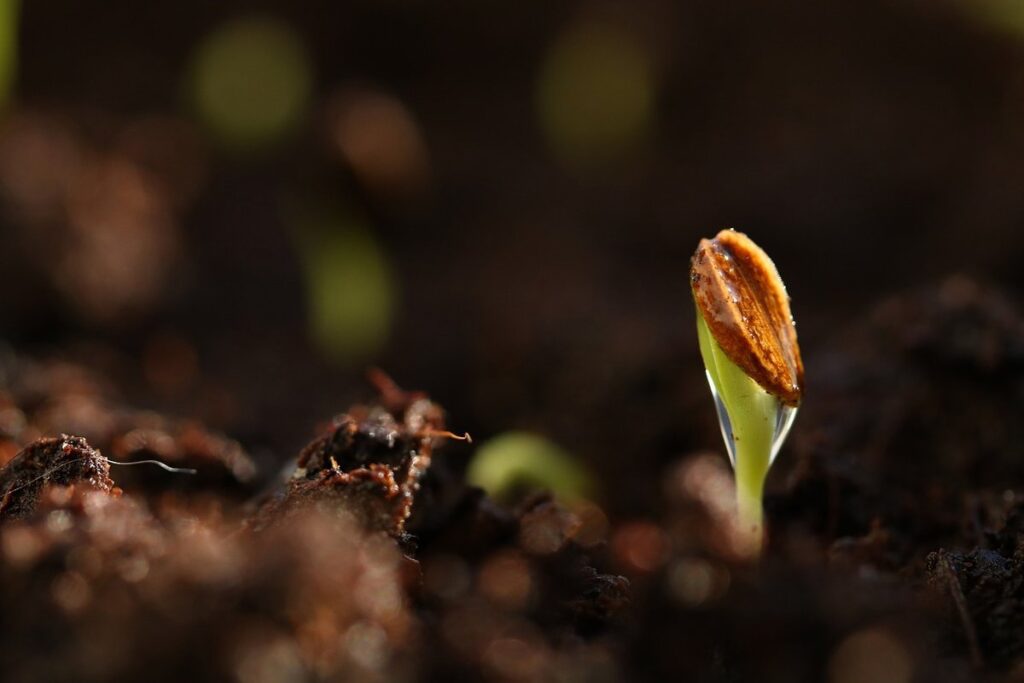
Understanding Nasturtium Seeds
Nasturtium seeds can be a bit finicky, and understanding their unique characteristics is crucial to successful germination. Let’s dive into what makes nasturtium seeds tick.
Characteristics of Nasturtium Seeds
When it comes to sowing nasturtium seeds, understanding their unique characteristics is crucial for successful germination. Nasturtium seeds are relatively small, measuring about 1-2 mm in diameter, which can make them challenging to handle and sow accurately.
Their shape is irregular, often with a curved or pointed end, which can also affect their sowing process. The seeds themselves have a vibrant, dark brown color with a subtle sheen, making them somewhat easier to spot when searching through soil or compost. In terms of texture, nasturtium seeds are smooth and slightly glossy.
These distinct characteristics can impact germination rates if not considered during the sowing process. For instance, their small size makes it easy for them to be washed away by irrigation water or disturbed by garden tools. This is why it’s essential to sow them shallowly, ideally about 1-2 inches deep, and provide a consistent moisture level to ensure optimal germination.
Keep in mind that handling nasturtium seeds gently can also help prevent damage and promote better germination rates.
Factors Affecting Seed Viability
When it comes to nasturtium seeds, their viability can be affected by several factors that can make or break germination success. The age of the seed is one crucial factor – older seeds tend to have lower viability rates due to natural degradation over time. Generally, nasturtium seeds are viable for about 2-3 years when stored properly.
Storage conditions also play a significant role in maintaining seed health. Seeds should be kept in an airtight container away from direct sunlight and moisture. Moisture can cause mold or fungal growth, while light exposure can lead to photo-oxidation, damaging the seed embryo. Store seeds at room temperature (about 70°F/21°C) for optimal storage.
Handling practices are equally important when it comes to seed viability. Seeds should be handled gently to avoid damage from crushing or bending. Excessive handling can lead to physical harm to the seed coat and internal structures, further decreasing germination rates.
Optimal Germination Temperature
When it comes to successfully germinating nasturtium seeds, getting the temperature just right can make all the difference. Let’s dive into what optimal temperatures look like for this process.
Warmth-Dependent Germination
Warm temperatures are essential for stimulating germination in nasturtiums. When the soil temperature reaches around 75-85°F (24-29°C), the seeds begin to break dormancy and sprout. This warmth-dependent germination process is a critical factor in ensuring successful germination.
The ideal temperature range varies slightly depending on the type of nasturtium variety. For example, ‘Alaska’ and ‘Empress of India’ varieties tend to thrive at the higher end of this spectrum (around 80-85°F or 27-29°C), while ‘Tom Thumb’ and ‘Baby Oleane’ prefer temperatures around 75-80°F (24-27°C). Providing a consistent temperature within these ranges will help promote even germination.
To replicate the natural conditions that nasturtiums experience in their native habitats, it’s essential to maintain warm soil temperatures. This can be achieved by sowing seeds directly into well-draining soil or starting them indoors 2-3 weeks before transplanting outside when the danger of frost has passed. By understanding and working within these temperature ranges, you’ll set your nasturtiums up for success from the very start.
Cool-Specific Varieties
Some nasturtium species are more finicky when it comes to germination temperatures. Take ‘Empress of India’, for instance. This variety thrives in cooler temperatures, typically between 65°F to 75°F (18°C to 24°C). If the temperature rises above 80°F (27°C), you may start noticing issues with uneven or delayed germination.
If your climate is particularly warm, try starting ‘Empress of India’ seeds indoors around 8-10 weeks before the last frost date. This will give them a head start on the warmer temperatures and help ensure successful germination. Keep in mind that these cooler-loving varieties can be more sensitive to over-warmth, which may cause them to grow leggy or develop weak stems.
Be mindful of your seed starting setup’s temperature, especially if you’re using a heating mat or warm location. Make sure the temperature doesn’t exceed 75°F (24°C), as this can lead to poor germination rates or stunted growth. By providing the right temperature conditions for ‘Empress of India’ and similar varieties, you’ll be well on your way to enjoying these beautiful, delicate flowers in your garden.
Germination Time Frames
Now that we’ve covered the basics of nasturtium germination, let’s dive into the specific time frames you can expect for your seeds to sprout, depending on temperature conditions.
Average Germination Periods
When sown under optimal conditions, nasturtium seeds typically take between 7 to 14 days to germinate. However, this period can vary depending on several factors such as moisture and air circulation.
To encourage healthy germination, it’s essential to maintain consistent moisture levels in the soil. Water the seeds lightly but thoroughly after sowing, and keep the soil consistently moist but not waterlogged. A temperature range of 65-75°F (18-24°C) is ideal for nasturtium germination.
Air circulation also plays a crucial role in preventing fungal diseases that can hinder germination. Make sure to provide sufficient space between seeds and maintain good air flow around the seedlings. If you’re starting your nasturtium seeds indoors, use a propagation tray or a small pot with adequate drainage holes to prevent waterlogged soil.
In general, it’s better to err on the side of caution and check on your seeds every day after 7-10 days. Remove any weak or slow-growing seedlings to give the remaining ones room to grow, promoting healthy competition for resources. By providing optimal conditions and monitoring their progress, you can expect your nasturtium seeds to germinate within this typical range.
Factors Affecting Germination Speed
While temperature plays a significant role in determining nasturtium germination time, it’s not the only factor at play. Other variables such as light exposure, humidity, and seed depth can also influence the length of time it takes for these seeds to sprout.
Light exposure is essential for seed germination, but too much direct sunlight can be detrimental. Nasturtium seeds typically require a period of cold stratification or moist darkness to break dormancy. Once this process is complete, they need indirect light to continue their development. Aim for a spot with bright, filtered light, such as an east- or west-facing window.
Humidity also plays a crucial role in seed germination. Nasturtium seeds thrive in humid environments, typically between 70% and 80%. To create this condition, cover the seeds with a clear plastic bag or wrap them in a damp paper towel. This will maintain humidity while allowing for some airflow.
Seed depth can also impact germination time. Planting nasturtium seeds too deep can lead to slow or even failed germination. Sow them about 1-2 cm (0.5 inches) beneath the soil surface, and keep the soil consistently moist during this period.
Environmental Considerations
When it comes to growing nasturtiums, understanding how environmental factors affect germination is crucial for success. Let’s take a closer look at the impact of temperature and light on these delicate seeds.
Seed Starting Indoors vs. Outdoors
When it comes to starting nasturtium seeds, one of the most crucial decisions is where to initiate their growth journey. You have two primary options: seed starting indoors versus direct sowing outdoors. Both methods have their advantages and disadvantages that you should consider before making a decision.
Starting seeds indoors allows for precise temperature control, which is particularly beneficial for sensitive varieties like nasturtiums. This controlled environment enables you to maintain an optimal temperature of around 70-80°F (21-27°C), promoting healthy germination and growth. Moreover, indoor seed starting reduces the risk of disease transmission from pests or other pathogens that may be present outdoors. However, it requires a significant investment in equipment, such as grow lights and heating mats, which can add to your overall expenses.
On the other hand, direct sowing outdoors takes advantage of natural light and temperature fluctuations, allowing seeds to adapt to their surroundings more naturally. This method eliminates the need for artificial lighting and heating systems, making it a cost-effective option. However, it exposes seeds to potential disease risks and pests that may be prevalent in your outdoor garden.
Ultimately, whether you choose indoor seed starting or direct sowing outdoors depends on your specific climate, available space, and personal preferences. If you’re new to nasturtium cultivation or want more control over the germination process, indoor seed starting might be the better choice for you.
Preparing Soil for Germination
Preparing soil for nasturtium germination is crucial to ensure optimal growth and development of these beautiful flowers. Before sowing seeds, it’s essential to test the pH levels of your soil, as nasturtiums prefer a slightly acidic to neutral soil pH, ranging from 6.0 to 7.0.
To prepare the soil, start by loosening compacted areas using a fork or spade. This will improve drainage and aeration, allowing the seeds to germinate more easily. Also, consider incorporating organic matter like compost or well-rotted manure to enrich the soil with nutrients and microorganisms.
Companion planting is another factor to keep in mind when preparing your soil. Nasturtiums can benefit from being planted alongside herbs like mint or basil, which repel pests that target nasturtiums. However, avoid planting them near members of the Brassica family, such as broccoli or cauliflower, as they may compete for nutrients.
By taking these steps, you’ll be creating an ideal environment for your nasturtium seeds to germinate and thrive.
Common Issues and Troubleshooting
If you’re experiencing difficulties with your nasturtium seeds, this section will walk you through some common issues and provide troubleshooting tips to get them growing. We’ll cover solutions for slow germination, seedling death, and more.
Poor Germination Rates
If you’re experiencing poor germination rates with your nasturtium seeds, there are several potential causes to investigate. One of the first steps is to check the seed viability by conducting a simple germination test. This involves placing a few seeds between two moist paper towels and waiting for 3-5 days. If most seeds do not sprout during this time, it’s likely that they are old or of poor quality.
Another possible cause of poor germination rates is inadequate temperature. Nasturtium seeds typically require a consistent temperature range of around 65°F to 75°F (18°C to 24°C) to germinate. Make sure your growing medium is not too cold or fluctuating in temperature, which can slow down or prevent germination.
The quality of the growing medium itself may also be an issue. Make sure your potting mix is well-draining and has a pH between 6.0 and 7.0. Avoid using compacted soil or containers with poor drainage, as these conditions can lead to poor seedling health and reduced germination rates.
Regularly inspecting the growing medium for moisture levels and adjusting as necessary will also help ensure optimal conditions for germination.
Delayed or Stunted Growth
Delayed growth in nasturtiums can be a worrisome issue for gardeners. Identifying the root cause is crucial to address it effectively. One common reason is inadequate light, which can slow down germination and stunted growth. Nasturtiums need full sun to partial shade to grow well; if your plants are not receiving sufficient sunlight, consider moving them to a brighter location or supplementing with grow lights.
Inadequate water supply is another potential cause. Check the soil moisture regularly, making sure it’s not too dry or waterlogged. Aim for consistent moisture levels, especially during germination and seedling stages. Be cautious not to overwater, as this can lead to root rot and other issues.
Pests and diseases can also impact growth. Regularly inspect your plants for signs of infestation or infection. Use organic pest control methods whenever possible, such as neem oil or insecticidal soap. For diseases, practice good sanitation, remove infected areas, and treat with fungicides if necessary.
Monitor temperature fluctuations and ensure it’s within the optimal range (65°F-75°F) for nasturtium growth. Adjust your care routine accordingly to prevent stunted growth or delayed germination. By addressing these potential causes and maintaining a suitable environment, you can help promote healthy growth in your nasturtiums.
Tips for Achieving Successful Germination
To ensure your nasturtium seeds thrive, it’s essential to create an optimal environment for germination. Here are some practical tips to increase your chances of successful growth.
Seed Starting Techniques
When starting nasturtium seeds, it’s essential to get them off to the right start. To ensure successful germination, follow these best practices for seed starting techniques.
First and foremost, pay attention to sowing depth. Nasturtium seeds are relatively small, so don’t bury them too deeply. Aim for a sowing depth of about 1-2 cm (1/2 inch) below the soil surface. If you plant them too deep, they may struggle to emerge.
Proper spacing is also crucial. Sow nasturtium seeds about 2-3 cm (1 inch) apart in rows that are 30-45 cm (12-18 inches) apart. This will give them room to grow and prevent overcrowding, which can lead to reduced air circulation and increased susceptibility to disease.
When it comes to soil moisture levels, nasturtium seeds prefer a slightly moist environment. Water the soil gently but thoroughly after sowing, and then keep the soil consistently moist during the germination period. Aim for about 1-2 cm (1/2 inch) of water per week from above, and avoid overwatering which can lead to root rot.
Remember, these are general guidelines, and specific conditions may require adjustments.
Nasturtium Care Post-Germination
Once your nasturtium seeds have germinated, it’s essential to provide them with the right care for optimal growth. Newly germinated nasturtiums require gentle watering to prevent overwatering and subsequent rotting of the delicate seedlings.
Aim to water your nasturtium seedlings when the top inch of soil feels dry to the touch. This is usually around 1-2 times a week, depending on weather conditions. However, avoid getting water directly on the leaves or crown of the plant, as this can cause fungal diseases. Instead, gently water at the base of the stem.
Pruning techniques are also crucial during this stage. Remove any weak or spindly growth to encourage bushy development and prevent the plant from becoming leggy. Pinch off the top set of leaves to promote branching and more blooms.
Nasturtiums prefer well-draining soil and full sun to partial shade. Keep the area around your seedlings weed-free, as this will prevent competition for nutrients and water.
Frequently Asked Questions
How can I ensure my nasturtium seeds are viable for germination?
Concise, valuable answer:
To check the viability of your nasturtium seeds, you can perform a simple germination test. Moisten two paper towels and place them between two plates or containers. Place 10-15 seeds on one half of each plate. Seal the containers with plastic wrap to maintain humidity. Keep them at room temperature (around 70-80°F) for 7-10 days. If more than 50% of the seeds germinate, they are likely viable.
What if I’ve already started sowing my nasturtium seeds indoors and noticed poor germination rates?
Concise, valuable answer:
Poor germination rates can be a frustrating issue! Check your seed starting mix for any contamination or overwatering. Also, ensure the temperature is suitable for the specific variety of nasturtium you’re growing (check our article on optimal germination temperatures). If it’s been more than 10-14 days and no seeds have sprouted, try repotting them into fresh soil with proper aeration.
Can I speed up the germination process by using heat mats or grow lights?
Concise, valuable answer:
Yes, using heat mats or grow lights can indeed help hasten the germination process. However, be cautious not to overdo it – excessive warmth can harm sensitive seeds. Maintain temperatures between 75-85°F for warmth-dependent varieties and around 65-75°F for cool-specific ones.
How do I know if my nasturtium seedlings are experiencing delayed or stunted growth due to temperature fluctuations?
Concise, valuable answer:
Check your seedlings regularly for signs of stress, such as yellowing leaves, twisted stems, or slowed growth. If you suspect temperature fluctuations might be the culprit, consider adjusting their environment by providing a stable microclimate using mini-greenhouses or row covers.
What if I accidentally planted my nasturtium seeds at the wrong depth – will it affect germination?
Concise, valuable answer:
Yes, planting seeds too deep can hinder or prevent germination. Nasturtium seeds need light to germinate, so ensure they’re sown shallowly (about ¼ inch) in well-draining soil with adequate aeration. If you suspect this might be the issue, gently dig up and replant them at the correct depth for optimal growth.