
Nasturtiums are one of the most versatile and beautiful flowers you can grow in your garden, but did you know that they’re even more beneficial when paired with the right companion plants? By planting nasturtiums alongside specific plants, you can create a thriving permaculture system that boosts growth, health, and pest resistance. This is especially important for gardeners who want to avoid using chemicals or pesticides in their garden.
In this article, we’ll explore the top companion plants for nasturtiums, including which plants thrive together and how to combine them effectively. We’ll cover topics such as how these pairings can improve soil health, deter pests, and attract beneficial insects to your garden. Whether you’re a seasoned gardener or just starting out, this article will provide you with the knowledge you need to create a vibrant and resilient garden that’s full of life and color.
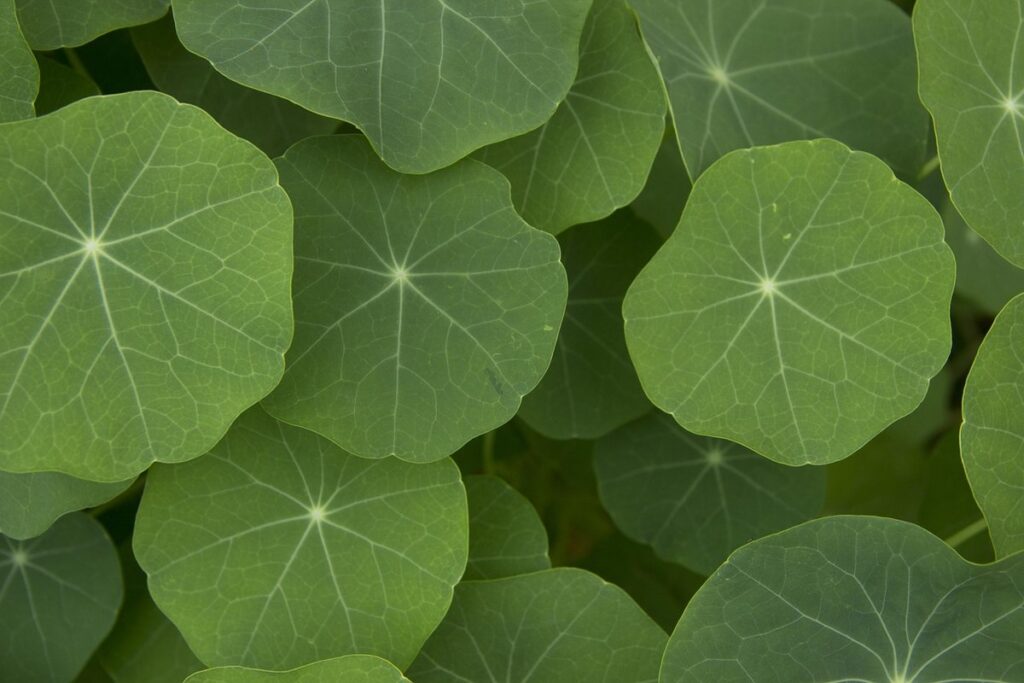
Choosing the Right Nasturtiums Companion Plants
When it comes to companion planting, nasturtiums play well with a variety of flowers and herbs that can enhance their growth and keep pests at bay. Let’s explore some top picks for nasturtium companions!
Section 1.1: Benefits of Planting Companions with Nasturtiums
When you plant nasturtiums with complementary flowers, shrubs, and herbs, you’re not just adding color to your garden – you’re also giving your plants a boost. Companion planting can improve growth rates, increase yields, and even enhance pest resistance.
One of the key benefits is improved growth rates. For example, pairing nasturtiums with marigolds can reduce nematode populations in the soil, which can be detrimental to tomato and other vegetable plants. By planting these two species together, you’ll create a healthier environment for your veggies to thrive.
Companion planting can also increase yields. Nasturtiums repel aphids and whiteflies, pests that feed on plant sap and cause damage to leaves. By planting nasturtiums near susceptible plants like cucumbers and squash, you’ll be protecting them from potential harm. And with reduced pest pressure, your plants will have more energy to focus on growing strong and healthy.
To maximize the benefits of companion planting with nasturtiums, choose varieties that complement each other in terms of growth habits and space requirements. For instance, compact varieties like ‘Alaska’ or ‘Empress of India’ work well for small gardens, while larger plants like ‘Black Velvet’ can be used to create a dramatic display in larger spaces.
By incorporating companion planting into your gardening routine, you’ll be creating a more resilient, diverse ecosystem that’s better equipped to handle pests and diseases. This not only leads to healthier plants but also reduces the need for pesticides and other chemicals.
Section 1.2: Selecting Compatible Companion Plants for Nasturtiums
When selecting companion plants for nasturtiums, it’s essential to consider their unique needs and requirements. Start by examining the soil requirements of both the nasturtiums and potential companions. Nasturtiums thrive in well-draining soil with a slightly acidic pH, so choose plants that share these conditions.
Consider the light needs of each plant as well. Nasturtiums love full sun to partial shade, but some companion plants may require more or less light. For example, marigolds and calendulas complement nasturtiums in sunny spots, while lettuce and herbs like mint can tolerate partial shade.
Also think about space considerations when choosing companion plants. Nasturtiums spread out quickly, so plant companions that don’t crowd them out. Consider intercropping with plants like beans or cucumbers, which can use the nasturtiums’ trellis for support. Ultimately, choose companions that complement nasturtiums without competing for resources.
Some examples of compatible companion plants include:
• Marigolds: repel nematodes and attract beneficial insects
• Basil: improves flavor and repels pests
• Lettuce: uses shade to grow in areas with full sun
• Beans: use trellises for support
Section 1.3: Understanding the Role of Companion Planting in Permaculture
Companion planting is a fundamental concept in permaculture, and it’s essential to understand its role in sustainable gardening practices. At its core, companion planting involves pairing plants together that complement each other’s growth habits, pest resistance, or nutritional needs. By doing so, you can create a harmonious garden ecosystem where each plant benefits from the presence of others.
In permaculture, companion planting is seen as a way to mimic nature’s patterns and promote biodiversity. By selecting companion plants wisely, you can reduce the need for external inputs like fertilizers and pesticides, making your garden more self-sufficient. For instance, nasturtiums repel aphids and whiteflies, while their marigold-like flowers attract beneficial insects that prey on pests.
When applying permaculture principles to your garden, remember that companion planting is not just about matching plants; it’s also about creating a balanced ecosystem. By considering the needs of each plant, you can design a thriving garden community that promotes soil health, conserves resources, and minimizes waste. Start by observing which plants grow well together in nature, then experiment with different combinations to find what works best for your specific climate and soil conditions.
Best Nasturtiums Companion Plants for Garden Success
When choosing companion plants for nasturtiums, it’s essential to consider varieties that complement their growth and repel pests, ensuring a thriving and balanced garden ecosystem. Let’s explore some top picks together!
Section 2.1: Marigold – An Effective Companion to Repel Aphids and Whiteflies
When it comes to choosing companion plants for nasturtiums, Marigold is an excellent option. These two flowers share a unique bond that not only adds vibrancy to your garden but also provides protection against common pests like aphids and whiteflies.
Marigolds repel nematodes, which are microscopic worms that can harm plant roots, while their strong scent deters other pests from approaching the area. When paired with nasturtiums, this mutual benefit is amplified, creating a safe haven for your plants to thrive.
In addition to pest-repellent properties, Marigold and Nasturtium blooms complement each other beautifully, attracting pollinators like bees and butterflies to your garden. Plant marigolds around the perimeter of your nasturtium bed or intersperse them among the flowers to create a visually appealing display.
By combining these two companion plants, you’ll not only enjoy a lush, thriving garden but also reduce the need for pesticides and other chemicals. Simply plant Marigold seeds around 6-8 inches away from nasturtiums, and watch as your plants reap the benefits of this harmonious partnership.
Section 2.2: Radish – A Complementary Crop for Improved Root Health
Radishes can be an excellent complementary crop when planted alongside nasturtiums. One of the key benefits is improved root health for both plants. Radishes have a unique characteristic – they are able to break up compacted soil and bring nutrients closer to the surface through their extensive root system.
This process, known as “bioremediation,” can significantly benefit nasturtiums by providing them with an optimal growing environment. Nasturtiums’ roots tend to grow deeper when radishes are present, which helps to prevent pest infestations that often target their leaves. Radish plants also exude chemicals that repel these pests.
To incorporate radishes into your nasturtium garden, plant them 2-3 weeks before the nasturtiums. Radishes prefer cooler temperatures and can tolerate partial shade, making them an ideal choice for this companion planting technique. They can be harvested when about 1 inch in diameter, at which point their roots will have broken up the soil sufficiently to benefit the nasturtiums.
Section 2.3: Chives – Adding an Additional Layer of Pest Protection
Chives are an excellent addition to your nasturtiums companion planting strategy. Not only do they add a flavorful and oniony aroma to various dishes, but they also play a crucial role in enhancing pest resistance when grown alongside nasturtiums.
Research has shown that chives possess natural insecticidal properties that repel aphids, whiteflies, and spider mites – common pests that can decimate a nasutium crop. By planting chives near your nasturtiums, you create a protective barrier that deters these pests from approaching the plants. In fact, studies have demonstrated that when grown together, chives can reduce aphid infestations by up to 70%.
To get the most out of this companion planting combination, plant chives around the perimeter of your nasturtium beds or intersperse them among the plants themselves. This will not only create a robust pest-resistant environment but also provide you with a continuous supply of fresh chives for your kitchen.
Companion Planting for Nasturtium Diseases
If you’ve noticed pests or diseases affecting your nasturtiums, don’t worry – companion planting can be a simple and effective solution to boost their health. We’ll explore the best plants to pair with yours.
Section 3.1: Understanding Common Nasturtium Pests and Diseases
As you nurture your nasturtium plants, it’s essential to be aware of common pests and diseases that can affect their growth. Let’s take a closer look at some of the most prevalent issues: aphids, whiteflies, and powdery mildew.
Aphids are one of the most destructive pests affecting nasturtiums. These tiny insects feed on sap, causing curled or distorted leaves. To manage aphid infestations, inspect your plants regularly and remove any affected areas. Introduce natural predators like ladybugs or lacewings to your garden, which will help control aphid populations.
Whiteflies are another common problem, spreading diseases through their feeding habits. Regularly inspect your plants for whitefly eggs on the underside of leaves. Use neem oil or insecticidal soap to control infestations and avoid overwatering, as this can exacerbate the issue.
Powdery mildew is a fungal disease that affects nasturtiums, particularly in humid environments. It appears as a white powdery coating on leaves, leading to stunted growth and reduced yields. Practice good garden hygiene by removing weeds and infected plants, improving air circulation around your nasturtiums, and using fungicides if necessary.
Regular monitoring and taking preventive measures can help mitigate these issues.
Section 3.2: Effective Companion Plants for Nasturtium Disease Prevention
When it comes to companion planting for nasturtium disease prevention, certain plants have proven to be effective allies. One of the most well-known is garlic, which has natural antibacterial and antifungal properties that can help combat root rot and other diseases. Planting garlic near your nasturtiums can release these beneficial compounds into the soil, creating a protective barrier against pathogens.
Another excellent choice is comfrey, which acts as a fertilizer plant and can also aid in disease prevention. Its deep taproots bring up nutrients from the subsoil, enriching the surrounding area with micronutrients that promote healthy growth. By intercropping comfrey with nasturtiums, you’re essentially creating a symbiotic relationship where one plant benefits the other.
When pairing garlic and comfrey with your nasturtiums, remember to follow these guidelines: Plant garlic around the perimeter of your bed or near areas prone to disease, while placing comfrey in a central location to maximize its benefits. By incorporating these companion plants into your garden, you can significantly reduce the risk of diseases affecting your nasturtiums and enjoy a healthier, more thriving crop.
Seasonal Companion Planting Strategies for Nasturtium Success
When it comes to companion planting with nasturtiums, selecting the right seasonal pairings can make all the difference in their growth and health. Let’s explore some effective strategies for a thriving garden.
Section 4.1: Summer Companion Planting for Maximum Growth Potential
When summer arrives, nasturtiums continue to thrive in warm weather conditions. To maximize their growth potential and create a harmonious garden ecosystem, it’s essential to choose companion plants that complement their needs.
In this hot season, nasturtiums benefit from the shade provided by taller plants such as sunflowers (Helianthus annuus) or cosmos (Cosmos bipinnatus). These companions also attract beneficial pollinators and provide structural support for nasturtium vines to climb on.
Consider pairing nasturtiums with herbs like basil (Ocimum basilicum) or mint (Mentha spp.), which repel pests that target these delicate flowers. Basil, in particular, has natural antiseptic properties that prevent fungal diseases common in warm weather.
To create a balanced summer companion planting arrangement for your nasturtiums:
* Choose 2-3 plants with varying growth habits to ensure mutual support and shade.
* Select herbs or tall flowers with pest-repelling properties to maintain a healthy environment.
* Ensure sufficient space between the plants for air circulation, preventing moisture-related diseases.
* Water them consistently, providing about an inch of water per week.
By adopting this approach, you can enhance your nasturtiums’ growth and resilience in the warmth of summer.
Section 4.2: Autumn and Winter Companion Planting Considerations
As the autumn and winter months approach, it’s essential to consider companion planting strategies that complement nasturtiums during this period. Since nasturtiums are typically grown as an annual crop, they may not thrive during the cooler seasons. To ensure their continued growth and health, pair them with plants that require minimal maintenance.
Plants like garlic, onions, and shallots are excellent companions for nasturtiums in autumn and winter. These plants have low-maintenance requirements and can tolerate frost, making them ideal for pairing with nasturtiums during this period. Garlic, in particular, repels pests that target nasturtiums, such as aphids and whiteflies.
Consider planting garlic around the base of your nasturtiums to create a barrier against these pests. Additionally, garlic’s slow release of nutrients can benefit the soil for future growth cycles. By incorporating these low-maintenance companions into your autumn and winter garden plan, you’ll be creating an environment that promotes healthy growth and reduces maintenance needs.
Tips for Successful Companion Planting
When combining nasturtiums with other plants, it’s essential to choose companions wisely to avoid competition and create a harmonious garden ecosystem that benefits from each plant’s unique characteristics. Let’s dive into some expert tips for successful companion planting.
Section 5.1: Proper Spacing and Arrangement of Companion Plants
When it comes to companion planting with nasturtiums, proper spacing and arrangement of these plants is crucial to avoid overcrowding and competition between species. Overcrowding can lead to reduced growth, increased susceptibility to pests and diseases, and decreased overall health of the plants.
Aim to plant companion plants at least 12-18 inches away from each other, depending on their mature size and spread. For example, if you’re planting marigolds alongside nasturtiums, which grow quite densely, make sure to provide enough space for both plants to spread out comfortably. A good rule of thumb is to plant companion plants in a staggered or irregular pattern, rather than in neat rows.
This approach will not only ensure optimal growth and health but also create a visually appealing and diverse garden landscape. For instance, interplanting nasturtiums with herbs like basil or mint can add fragrance and texture to your garden, while also attracting beneficial insects and pollinators.
Section 5.2: Timing and Sowing Companion Seeds with Nasturtiums
When sowing companion seeds alongside nasturtiums, timing is crucial for optimal growth and health. This requires consideration of germination periods and growth rates to ensure that both plants benefit from each other’s presence.
To begin with, it’s essential to sow companion seeds at a time when nasturtiums are at their peak growth stage, usually around 6-8 weeks after sowing. At this point, the tall stems and sprawling foliage of nasturtiums provide a natural canopy for smaller plants like lettuce, radish, or herb seedlings.
Take note that some companion seeds have longer germination periods than others. For instance, carrots take approximately 7-10 days to germinate, whereas beans can sprout within 3-5 days. Considering these differences will help you plan and sow companion seeds accordingly.
When pairing nasturtiums with faster-growing companions like cucumbers or squash, make sure to sow them closer together (about 2-4 inches apart) as they tend to grow rapidly and will quickly outcompete slower-growing plants if given space.
Nasturtium Companion Plants in Container Gardens
When growing nasturtiums in containers, pairing them with complementary plants can enhance their growth and health. Let’s explore some ideal companion plants for a thriving container garden.
Section 6.1: Choosing Companion Plants Suitable for Containers
When choosing companion plants for containers, it’s essential to consider their growth habits and space requirements. Nasturtiums are ideal for small spaces, but they can also be paired with other compact varieties that thrive in similar conditions.
Consider plants like creeping thyme, sedum, or dwarf marigolds, which have a low-spreading habit and won’t overcrowd your container. These companion plants not only add visual interest to your garden but also help to repel pests and attract beneficial insects.
Before making a final selection, assess the mature size of each plant and ensure they’ll fit within your container’s boundaries. For example, if you’re using a large container (at least 12 inches deep), consider pairing nasturtiums with compact varieties like sweet potato or cucumbers.
Remember to choose plants with similar light and water requirements to avoid creating stressful conditions for either the nasturtiums or their companions. By selecting companion plants that complement your nasturtiums, you’ll create a thriving container garden that showcases the beauty of these versatile flowers.
Section 6.2: Container Gardening Strategies for Companion Planting Success
When growing nasturtiums and their companion plants in containers, it’s essential to choose the right potting mix to ensure optimal drainage and a healthy root system. A well-draining potting mix will help prevent waterlogged soil, which can be detrimental to both nasturtiums and their companions.
Consider using a mix that contains perlite or vermiculite, as these ingredients improve drainage and prevent compaction. Avoid using regular garden soil in containers, as it can become too dense and cause root rot.
In addition to the potting mix, ensure your container has adequate drainage holes to prevent water from accumulating at the bottom. A minimum of two to three holes per 6-inch pot is recommended.
When selecting a pot for your nasturtiums and companions, choose one that’s at least 5-7 gallons in size to provide enough room for the roots to grow. This will also make it easier to care for the plants, as you’ll be able to access all areas of the container.
Remember to repot your nasturtiums and companions every spring or when they become pot-bound, using fresh potting mix each time.
Conclusion
As you’ve learned about the wonderful world of nasturtiums companion plants, it’s time to put this knowledge into action. Remember that choosing the right companions for your nasturtiums can make a significant difference in their growth and health. By incorporating these beneficial plants into your garden, you’ll be creating a thriving ecosystem where every plant has its place. For example, pairing marigolds with nasturtiums repels nematodes, while basil helps to deter aphids. Take note of the specific needs and benefits of each companion plant, so you can plan accordingly for optimal results.
By implementing these companion planting strategies, you’ll be well on your way to a healthier, more resilient garden. As you tend to your plants and observe their progress, keep an eye out for any potential issues that may arise. With a little creativity and experimentation, you’ll be able to find the perfect combinations to suit your garden’s unique needs.
Frequently Asked Questions
Can I use companion planting for nasturtiums in a small space or container garden?
Yes, you can definitely use companion planting with nasturtiums in a small space or container garden. In fact, it’s often easier to control the environment and choose companion plants that thrive together in containers. When selecting companion plants for containers, consider compact varieties and make sure to provide sufficient sunlight and water.
How do I ensure my companion plants don’t compete with nasturtiums for resources like water and nutrients?
To avoid competition between companion plants and nasturtiums, focus on choosing plants that complement each other’s growth patterns. For example, fast-growing plants like radish can be used as a “trap crop” to distract pests from nasturtiums. Also, ensure proper spacing between companion plants and nasturtiums to prevent overcrowding.
Can I use companion planting with nasturtiums in areas with poor soil quality?
Yes, you can still use companion planting with nasturtiums even if your garden has poor soil quality. In fact, companion planting can help improve soil health over time by attracting beneficial insects and microorganisms that break down nutrients. Choose companion plants that are tolerant of your specific soil conditions.
How long does it take to see the benefits of companion planting with nasturtiums?
The benefits of companion planting with nasturtiums can be seen within a few weeks to months, depending on the specific combination of plants and environmental factors. Some beneficial insects may take longer to attract, but the overall effect of improved pest resistance and soil health will become apparent over time.
Can I mix different types of companion plants together for maximum benefits?
Yes, you can combine multiple companion plants with nasturtiums to maximize their benefits. For example, pairing marigold with radish and chives can provide a robust defense against pests while also improving root health. Just ensure that the combination is compatible and doesn’t compete for resources.