
Are you looking for a sustainable way to give your garden a boost? Well, you’re in luck because I’ve got just the thing: mushroom compost! This amazing natural fertilizer is not only good for your soil’s fertility but also helps reduce waste and supports pollinator health. Imagine being able to create nutrient-rich compost using kitchen scraps and yard trimmings that would otherwise end up in landfills. By using mushroom compost, you’ll be creating a healthier garden ecosystem that attracts beneficial insects and microorganisms. In this article, we’ll delve into the incredible benefits of using mushroom compost in your garden and show you how to make it at home. We’ll explore its impact on soil quality, waste reduction, and pollinator health, so keep reading to discover the power of mushroom compost!
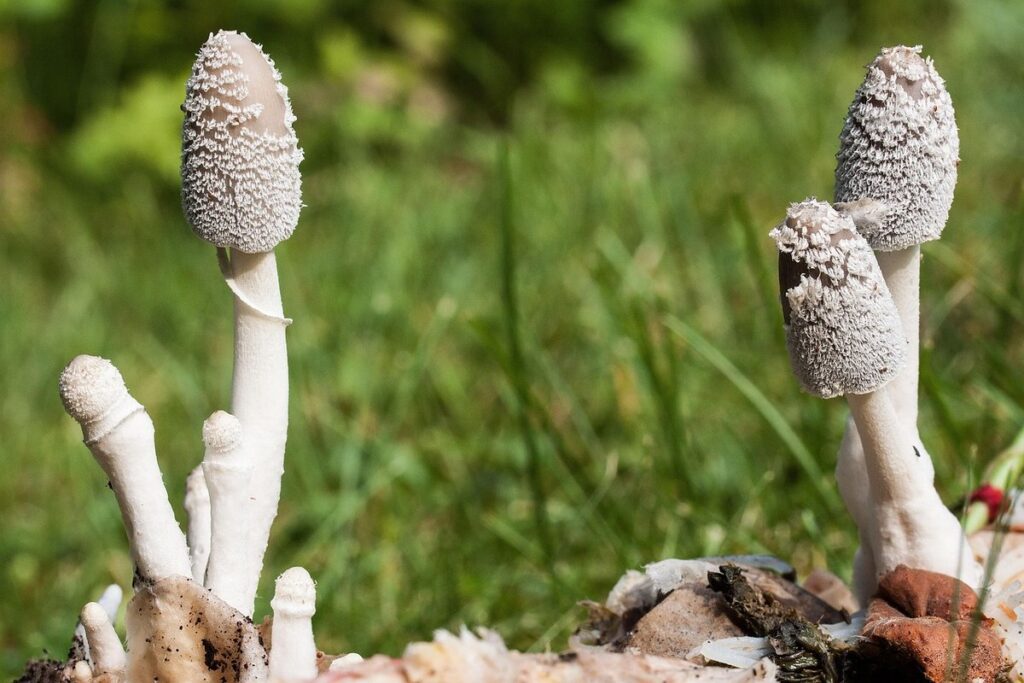
Benefits and Advantages of Using Mushroom Compost
When it comes to using mushroom compost in your garden, there are numerous benefits that can improve soil health, plant growth, and overall garden productivity. Let’s explore these advantages together!
Improving Soil Structure and Fertility
One of the most significant advantages of using mushroom compost is its ability to improve soil structure and fertility. By incorporating mushroom compost into your gardening routine, you’ll notice a dramatic increase in nutrient availability and a healthy boost in microbial activity.
Mushroom compost is rich in humus, a naturally occurring substance that enhances soil’s water-holding capacity and aeration. This leads to better root growth, increased resistance to drought, and improved overall plant health. For instance, using mushroom compost can help reduce soil compaction, making it easier for roots to absorb essential nutrients.
In addition to its physical benefits, mushroom compost also supplies a vast array of beneficial microorganisms that support the development of a thriving ecosystem in your garden. These microbes assist in decomposing organic matter and recycling nutrients, creating an environment where plants can thrive. By regularly incorporating mushroom compost into your soil, you’ll be providing a steady supply of essential micronutrients, vitamins, and minerals to your plants, resulting in healthier growth and increased yields.
Enhancing Plant Growth and Health
When you add mushroom compost to your garden, you’re not just improving soil structure – you’re also giving your plants a boost that can have long-lasting effects on their growth and health. One of the most significant advantages of using mushroom compost is its ability to promote healthy root development in plants.
By adding a 2-3 inch layer of mushroom compost to the top of the soil before planting, you can expect to see an increase in root depth and density. This not only allows your plants to absorb more nutrients but also helps them stay anchored in place, reducing the risk of wind damage or other forms of stress.
In addition to promoting healthy roots, mushroom compost has also been shown to enhance disease resistance in plants. The unique combination of beneficial microorganisms present in mushroom compost can stimulate the plant’s natural defense mechanisms, making it better equipped to fight off pathogens and pests. For example, a study found that tomato plants grown in soil amended with mushroom compost showed significantly lower levels of fungal diseases compared to those grown in unamended soil.
Reducing Waste and Environmental Impact
Using mushroom compost not only enriches your garden’s soil but also plays a significant role in reducing waste and minimizing environmental pollution. One of the primary benefits of mushroom compost is its ability to utilize spent mushroom substrate, which would otherwise be discarded.
Spent mushroom substrate is typically rich in nutrients such as nitrogen, phosphorus, and potassium, making it an ideal component for garden fertilizers. By repurposing this material, we can significantly reduce waste sent to landfills and minimize the need for synthetic fertilizers.
Synthetic fertilizers are often manufactured using non-renewable resources and contribute to soil degradation, water pollution, and environmental toxicity. In contrast, mushroom compost is a natural, carbon-negative solution that fosters healthy microbial activity in the soil, promoting nutrient cycling and sequestering carbon dioxide from the atmosphere.
To incorporate mushroom compost into your garden routine, start by purchasing high-quality mushroom compost or creating your own using spent substrate and other organic materials. Spread 2-3 inches of mushroom compost around the base of your plants, mixing it well with the existing soil to create a rich, fertile environment for healthy plant growth.
Preparing Mushroom Compost at Home
To get started, you’ll need some basic ingredients and equipment to create your own mushroom compost at home, which can be tailored to your garden’s specific needs. This section will walk you through that process.
Gathering Materials and Setting Up a Composting Area
To create effective mushroom compost at home, you’ll need to gather the right materials and set up a designated composting area. Start by selecting high-quality mushroom substrates such as straw, hay, or peat moss. These materials provide the necessary nutrients and structure for mushroom growth.
In addition to your mushroom substrate, you’ll also want to add carbon-rich materials like coconut coir, wood chips, or shredded newspaper to balance out the nitrogen levels in your compost. Aim for a mix of 2/3 “brown” materials (dry leaves, straw, etc.) and 1/3 “green” materials (manure, grass clippings, etc.).
When setting up your composting area, choose a location with good air circulation to prevent the buildup of anaerobic conditions. You can either use a dedicated compost bin or create an open-pile system using wire mesh or chicken wire. Make sure it’s accessible and easy to turn the pile regularly to maintain optimal decomposition rates.
Maintaining Optimal Moisture Levels and Aeration
Maintaining optimal moisture levels and adequate aeration is crucial for effective decomposition and nutrient cycling in your mushroom compost pile. When it comes to moisture, the goal is to keep the compost moist but not soggy. Imagine the compost like a sponge – when you squeeze it gently, it should release some water, but if you apply too much pressure, it will start to squelch.
To achieve this balance, aim to maintain a 40-60% moisture level in your compost pile. You can check the moisture level by inserting your hand into the compost or using a moisture meter. If the compost feels dry to the touch, add some water; if it’s too wet, wait for a day or two before checking again.
Aeration is equally important – mushrooms thrive in oxygen-rich environments. To ensure adequate airflow, turn your compost pile every few days to expose the materials inside to fresh air. You can also use a pitchfork to aerate the compost pile, being careful not to compact the materials too much. By striking this balance between moisture and aeration, you’ll create an ideal environment for efficient decomposition and nutrient cycling in your mushroom compost pile.
Monitoring Progress and Turning the Compost
Monitoring temperature changes is crucial to determine when the mushroom compost is ready. A thermometer will help you track the rise and fall of temperatures within the pile. As the microorganisms break down the materials, the temperature should increase, typically between 130°F to 140°F (54°C to 60°C). Once it reaches this peak, it’s essential to let it cool down before checking again.
Next, assess the odor of your mushroom compost. A healthy pile will have a rich, earthy smell as the microorganisms work their magic. However, if you notice a strong ammonia or sour smell, it might indicate that the compost is too wet or not enough oxygen is reaching it. Be sure to aerate the pile by turning it regularly.
Pay attention to texture changes as well. As the materials break down, the compost should become darker and more crumbly. If you notice any unusual lumps or a significant change in texture, it’s likely that your compost has finished breaking down.
To speed up this process, make sure to turn or mix the mushroom compost regularly. This will help oxygen reach all areas of the pile, which is crucial for microorganisms to continue their work.
Using Mushroom Compost in Your Garden
Now that you’ve learned about the benefits of mushroom compost, let’s dive into how to use it effectively in your garden. We’ll explore its optimal application rates and methods for maximum impact.
Applying Mushroom Compost Directly to Soil
When applying mushroom compost directly to soil, it’s essential to follow some key guidelines to ensure optimal results. First, determine the correct rate of application based on your garden bed’s specific needs. A general rule of thumb is to mix 2-4 inches of mushroom compost into the top 6-8 inches of soil.
To achieve this, you can either spread the mushroom compost evenly over the soil surface and then dig it in, or use a rototiller to incorporate it into the soil. If your soil is particularly heavy clay or sandy, mixing it with other amendments like well-rotted manure or peat moss can help improve its structure.
When applying mushroom compost, consider incorporating it at different depths depending on the specific needs of your garden bed. For example, if you’re looking to add a boost of nutrients and beneficial microbes to your soil, mix the mushroom compost into the top 2-3 inches. If you’re trying to improve drainage or reduce erosion, apply it deeper, about 4-6 inches below the surface.
Aim for a final depth of about 12-18 inches to allow the microorganisms in the mushroom compost to work effectively throughout the soil profile. This will also help to prevent over-enrichment and ensure your plants don’t experience burn from excessive nutrient availability.
Creating a Mushroom Compost Tea Fertilizer
Creating a mushroom compost tea fertilizer is a game-changer for gardeners looking to deliver nutrients directly to their plants. This liquid solution can be used as either a foliar spray or soil drench, making it an incredibly versatile tool.
To brew mushroom compost tea, you’ll need a large bucket or container with a lid, some cheese cloth or a nut milk bag, and your mushroom compost of course. Start by filling the bucket about 1/4 full with mushroom compost, then add water to cover the compost completely. Make sure the ratio is around 10:1, with 10 parts water to one part compost.
Allow the mixture to steep for 24 hours, agitating it every few hours if possible. This will help to break down the nutrients in the compost and release them into the liquid solution. After the steeping process is complete, strain the liquid through the cheese cloth or nut milk bag into another container. What’s left behind is a nutrient-rich tea that can be used immediately.
You can use this mushroom compost tea as either a foliar spray, spraying it directly onto the leaves of your plants to deliver essential nutrients and promote healthy growth. Alternatively, you can use it as a soil drench, watering your plants with the liquid solution to provide them with a nutrient boost from the roots up.
Common Challenges and Troubleshooting Tips
As you start using mushroom compost in your garden, you might encounter some issues that can be frustrating. Don’t worry, we’ve got tips to help you troubleshoot common problems and get back on track.
Managing Odors and Pests in the Composting Process
When working with mushroom compost, you may encounter issues with odors and pests. These problems can arise due to inadequate aeration, high temperatures, or the presence of unwanted microorganisms.
To manage odors, ensure that your compost pile is well-aerated. You can do this by turning the pile regularly or incorporating materials like straw or coconut coir, which provide oxygen while retaining moisture. Burying food scraps deep within the pile also helps reduce unpleasant smells. However, be cautious not to overdo it, as anaerobic conditions can lead to ammonia buildup.
Pests are another concern during the composting process. Flies and rodents may be attracted to your mushroom compost due to the presence of moisture and organic matter. To deter them, cover your pile with a layer of wire mesh or hardware cloth to prevent entry points for pests. You can also sprinkle diatomaceous earth on top of the pile to repel unwanted insects.
Maintaining proper temperature control and ensuring adequate carbon-to-nitrogen ratios can also help minimize odors and pest issues.
Dealing with Unfavorable Weather Conditions
Dealing with unfavorable weather conditions is a common challenge many gardeners face when maintaining their mushroom compost pile. Extreme temperatures, heavy rainfall, and intense sunlight can all take a toll on the composting process. To keep your mushroom compost functioning optimally, it’s essential to have strategies in place for dealing with these situations.
In hot weather, the microorganisms responsible for breaking down organic matter can quickly become overwhelmed, leading to unpleasant odors and reduced decomposition rates. To combat this, make sure to turn your compost pile regularly, ideally every 7-10 days, to aerate it and speed up the process. You can also cover the top of the pile with a layer of mulch or straw to help regulate temperatures.
Conversely, in wet weather, the compost pile may become waterlogged, which can lead to anaerobic conditions and unpleasant odors. To mitigate this, ensure your compost pile has adequate drainage and turn it regularly to prevent moisture from accumulating. You can also add more carbon-rich materials, such as straw or shredded newspaper, to absorb excess moisture.
By implementing these strategies, you’ll be better equipped to handle unfavorable weather conditions and maintain a balanced, functional mushroom compost pile that benefits your garden.
Mushroom Compost in Sustainable Gardening Practices
Mushroom compost is a game-changer for gardeners looking to reduce waste and create nutrient-rich soil. In this section, we’ll explore its benefits and best practices for incorporating it into your sustainable gardening routine.
Integrating with Other Organic Methods
When it comes to cultivating a thriving garden, many of us turn to organic methods that work in harmony with nature. Mushroom compost is an excellent addition to these practices, but did you know it can be used in conjunction with other holistic approaches like permaculture, biodynamics, or regenerative agriculture? This integrative approach allows you to maximize the benefits of your garden while minimizing its environmental impact.
For instance, if you’re practicing permaculture, mushroom compost can be used as a nutrient-rich amendment for your polycultures. Simply mix it into the soil to create a balanced and diverse ecosystem. You can also use it in biodynamic preparations, such as spraying it onto your plants or mixing it with other natural substances like manure or herbal teas.
Regenerative agriculture is another excellent example of how mushroom compost can be integrated into existing practices. By adding it to your soil, you’ll be improving its structure and fertility while promoting the growth of beneficial microorganisms that help break down nutrients. Remember to use it in moderation, as excessive amounts can lead to an overabundance of certain nutrients.
By combining mushroom compost with other organic methods, you’ll create a garden that’s not only productive but also regenerative and resilient.
Its Role in Supporting Pollinator Health
Mushroom compost has been gaining attention for its role in supporting pollinator health. As gardeners, we’re often aware of the importance of creating a pollinator-friendly environment, but incorporating mushroom compost into our gardening practices can be a game-changer.
Not only does it provide essential nutrients to plants, but it also creates a haven for beneficial insects like bees and butterflies. The mycelium network in mushroom compost helps to break down organic matter, releasing nutrients that are easily absorbed by plant roots. This process encourages the growth of diverse, pollinator-friendly plants, such as lavender, coneflower, and sunflower.
When incorporating mushroom compost into your garden, consider using it as a mulch around pollinator-friendly plants. As it decomposes, it will release beneficial microorganisms that help to create a balanced ecosystem. By doing so, you’ll be supporting the local pollinator population and contributing to the overall health of your garden ecosystem.
Research has shown that gardens with diverse plant species and rich soil biodiversity tend to attract more pollinators. So, not only is mushroom compost beneficial for plant growth, but it also plays a vital role in promoting local ecosystems and supporting the well-being of these essential insects.
Frequently Asked Questions
How often should I turn my mushroom compost pile?
You should turn your mushroom compost pile regularly to ensure aeration and prevent anaerobic conditions, which can lead to unpleasant odors and reduced effectiveness of the compost. Aim to turn it every 7-10 days, especially during hot summer months when microbial activity is high.
Can I use mushroom compost on plants with root problems?
Yes, mushroom compost can be beneficial for plants with root issues as it contains beneficial microorganisms that help repair damaged roots and promote healthy growth. However, if the plant’s root system is severely compromised, it may be more effective to start with a smaller dose of mushroom compost and monitor the plant’s response.
How long does it take for mushroom compost to break down?
The breakdown time of mushroom compost can vary depending on factors like moisture levels, temperature, and carbon-to-nitrogen ratio. Generally, it takes 2-6 weeks for mushroom compost to fully break down into a nutrient-rich humus. Be patient and monitor the compost’s progress regularly.
Can I use mushroom compost with integrated pest management (IPM) practices?
Absolutely! Mushroom compost is an excellent addition to IPM strategies as it promotes beneficial insects, microorganisms, and plant growth, all of which work together to reduce pests and diseases in your garden. By incorporating mushroom compost into your IPM plan, you’ll be creating a holistic approach to maintaining a healthy and balanced ecosystem.
How can I prevent attracting pests with mushroom compost?
To minimize the risk of attracting pests with mushroom compost, make sure to maintain optimal moisture levels, turn the compost regularly, and keep it at least 10 feet away from your garden beds. Also, use a mix of “green” (kitchen scraps) and “brown” (yard trimmings) materials in your mushroom compost pile to create an environment that fosters beneficial microorganisms over pests.