
As the cold winter months approach, protecting your trees from damage is more crucial than ever. Mulching trees during this time not only helps prevent root damage but also promotes healthy growth and resilience. However, choosing the right mulch type and application technique can be overwhelming, especially with various climate zones to consider.
In this article, we’ll dive into the world of winter tree mulching, covering everything you need to know to keep your trees safe and thriving. We’ll explore the best types of mulches for different climates, discuss effective application techniques, and provide maintenance tips to ensure your trees receive optimal care throughout the cold season. By following our expert guidance, you can safeguard your trees from winter’s harsh conditions and set them up for a strong start come spring.
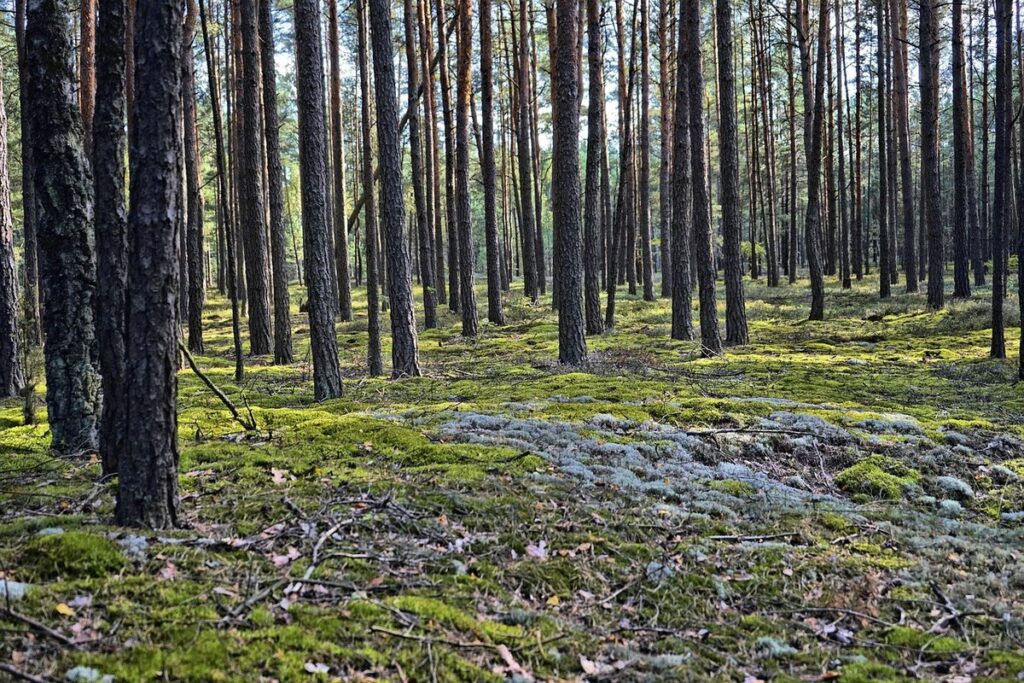
Benefits of Mulching Trees in Winter
Mulching trees during winter provides a range of benefits that can help them thrive even in harsh conditions. This section explores some of these advantages in more detail.
Preventing Root Damage and Erosion
When winter sets in, tree roots are exposed to harsh conditions that can cause damage and erosion. Mulch plays a crucial role in protecting these roots by regulating moisture levels and insulating them from freezing temperatures.
One of the primary benefits of mulching trees during winter is its ability to prevent root damage caused by waterlogged soil. When snowmelt or heavy rainfall occurs, it can lead to saturated soil conditions that put pressure on tree roots. Mulch acts as a barrier between the roots and excessive moisture, allowing for better drainage and reducing the risk of root rot.
Mulch also helps prevent soil erosion, which is common during winter months when ground is frozen and water is scarce. Without adequate cover, exposed soil can be washed away or eroded by wind, leading to damage to tree roots. By spreading a 2-3 inch layer of mulch around the base of your trees, you can maintain soil integrity and prevent erosion.
Regular replenishment of mulch throughout winter will keep these benefits intact, ensuring the health and well-being of your trees.
Maintaining Soil Moisture and Temperature
When you apply mulch around your trees during winter, it performs several functions that promote healthy root growth and help the tree survive extreme cold temperatures. Mulch retains soil moisture by slowing down evaporation caused by wind and sun exposure. This is especially beneficial during dry winters when water might be scarce.
Mulch also regulates soil temperature, keeping it cooler in summer and warmer in winter. A 2-3 inch layer of organic mulch can reduce soil temperature fluctuations by up to 5 degrees Fahrenheit, which is crucial for young or sensitive trees. By maintaining a stable temperature around the roots, you encourage healthy growth and development.
Properly applied mulch can also help prevent root damage from freezing temperatures. When water inside the soil freezes, it expands and can cause damage to the fine roots of your tree. Mulch helps insulate the soil, reducing this risk. To maximize its effectiveness, apply a 2-3 inch layer of organic mulch around the base of your trees, keeping it at least 6 inches away from the trunk.
Reducing Stress and Promoting Health
When you mulch trees during winter, one of the most significant benefits is reducing stress on the tree caused by harsh weather conditions. Harsh winds, freezing temperatures, and icy rain can be detrimental to a tree’s health if it doesn’t have adequate protection.
Mulching acts as a barrier between the soil and extreme temperatures, preventing root damage and moisture loss that can occur when soil freezes. This is especially crucial for young or newly planted trees, which are more susceptible to environmental stress. Mulch also helps retain moisture in the soil, reducing the need for frequent watering during dry spells.
To maximize the benefits of mulching on tree health, apply a 2-3 inch layer of organic mulch around the base of the tree, keeping it a few inches away from the trunk. This will not only protect the roots but also regulate soil temperature and prevent weed growth that can compete with the tree for resources.
By reducing stress and promoting healthy conditions, mulching sets your trees up for success in the winter months and beyond.
Choosing the Right Mulch for Winter Protection
When choosing the right mulch, consider factors like material durability, moisture retention, and weed suppression to ensure your trees get the protection they need. The wrong mulch can do more harm than good.
Organic vs. Inorganic Mulches: Pros and Cons
When it comes to choosing a mulch for winter protection, one of the main decisions you’ll need to make is whether to go with an organic or inorganic option. Both types have their pros and cons, which we’ll explore below.
Organic mulches, such as wood chips and bark, are a popular choice for tree mulching. They’re eco-friendly, easy to find, and can help improve soil health over time. However, they do require more maintenance than inorganic options, as they need to be replenished regularly and can attract pests if not properly maintained. Additionally, organic mulches can harbor diseases and pests, which can spread to your trees.
On the other hand, inorganic mulches like plastic sheeting and fabric are low-maintenance and can provide a barrier against extreme temperatures. However, they can retain heat and moisture, potentially leading to root rot and other issues. They also don’t improve soil health or provide any long-term benefits for your trees. If you do choose an inorganic option, be sure to use a breathable material that allows moisture to pass through.
Ultimately, the decision between organic and inorganic mulches comes down to your specific needs and preferences. If you’re looking for a more sustainable option with some long-term benefits, organic might be the way to go. But if you need something low-maintenance and easy to install, an inorganic option could work better.
Factors to Consider When Selecting a Mulch Type
When selecting a mulch type for winter protection, there are several key factors to consider. Durability is one of the most crucial aspects, as it will determine how well the mulch withstands extreme weather conditions and remains effective throughout the winter months. Look for materials that are designed to retain moisture and suppress weeds, such as hardwood or cedar mulches.
Another essential consideration is UV resistance. As sunlight breaks down mulch over time, UV-resistant options can help extend its lifespan and prevent color fading. Hardwood mulches like oak and maple are excellent choices in this regard. However, some materials, such as pine needles, may become discolored or develop mold due to their high lignin content.
It’s also vital to think about potential toxicity when choosing a mulch. Some types, such as those made from pressure-treated wood or certain types of bark, can contain chemicals that are toxic to trees and other plants. Opt for natural, organic materials whenever possible to ensure the health and safety of your trees.
Application Techniques for Effective Mulching
Now that you know why mulching is essential, let’s move on to the application techniques that will ensure your trees receive the right amount of protection. We’ll explore the best methods for applying mulch effectively.
Preparing the Soil for Mulching
Preparing the soil before mulching is crucial to ensure effective mulching. If you’re planning to apply mulch to protect your trees from winter’s harsh conditions, start by examining the soil condition around the tree. Check for signs of nutrient deficiencies or compacted soil that may hinder root growth.
If necessary, till the soil gently to a depth of about 8-10 inches using a garden fork or shovel. This will loosen and aerate the soil, allowing water and air to penetrate deeper. However, be cautious not to damage any nearby roots during this process.
You can also add organic amendments like compost or well-rotted manure to enrich the soil. These amendments help improve soil structure, fertility, and drainage, creating a conducive environment for root growth. Aim to incorporate about 2-4 inches of compost or manure into the top 6-8 inches of soil.
Remember that over-tilling can damage the tree’s roots, so be gentle when preparing the soil. The goal is to create an optimal growing condition for your trees to thrive through the winter season.
Applying the Right Amount of Mulch
When applying mulch to trees, it’s crucial to get the amount and depth just right. Too little mulch may not provide adequate protection against cold temperatures, while too much can cause more harm than good. A general rule of thumb is to apply a 2-3 inch layer of organic mulch around the base of the tree, keeping it at least 6 inches away from the trunk.
This allows for air circulation and prevents moisture buildup, which can lead to root rot. Mulching too close to the trunk can also cause damage to the bark as the mulch decomposes. To determine the correct amount, start with a small area and build up the layer gradually, checking your progress as you go.
It’s also essential to avoid piling mulch against tree trunks or branches, as this can create an ideal environment for pests like rodents and insects to nest. Keep the mulch evenly distributed around the tree, ensuring that it’s not heaped in one area.
Tips for Maintaining Mulched Trees Throughout Winter
As winter sets in, it’s essential to keep your mulched trees healthy and thriving. To do so, follow these simple tips for maintaining their health throughout the coldest months.
Monitoring for Moisture Levels and Pests
Monitoring soil moisture levels is crucial during winter to prevent mulched trees from drying out. Check the top 2-3 inches of mulch for dryness by inserting a wooden skewer or your finger into it. If the mulch feels dry, water it gently but thoroughly. Be cautious not to overwater, as this can lead to root rot.
Pests like rodents, rabbits, and insects may also be attracted to the warmth and shelter provided by mulched trees during winter. Regularly inspect the area around your tree for signs of pest activity such as gnaw marks on branches or unusual droppings. To deter pests, consider applying a barrier around the base of your tree using materials like copper tape or hardware cloth.
Additionally, keep an eye out for signs of disease, like fungal growth or discoloration, which can be exacerbated by high moisture levels. Remove any diseased or damaged mulch to prevent the spread of disease and maintain a healthy environment for your tree throughout winter. Regular monitoring will help you catch potential issues early on, ensuring the health and vitality of your mulched trees all season long.
Addressing Common Issues with Mulched Trees
One of the most significant concerns when mulching trees for winter is maintaining the health and appearance of the area around the tree. As you’ve probably noticed, a thick layer of mulch can sometimes lead to mold and mildew growth, especially if it gets too wet or waterlogged.
To prevent this from happening, ensure that your mulch is not piled too high against the trunk of the tree. Keep it at least 3-4 inches away to allow for good air circulation and moisture dissipation. Also, choose a hardwood-based mulch like cedar or cypress, which are more resistant to rotting and mildew growth compared to softwood mulches.
Additionally, uneven mulch distribution is another common issue that can detract from the overall aesthetic of your landscape. To address this problem, reapply mulch in thin layers, spreading it evenly around the base of the tree using a rake or trowel. You should also replenish the mulch every few months as needed to maintain an even layer and prevent soil erosion.
If you do encounter mold or mildew growth on your mulched trees, simply remove the affected area and replace it with fresh mulch.
Winter Mulching in Specific Climate Zones
Understanding how climate affects mulch choice and application is crucial, as different zones have unique winter conditions that require tailored approaches to tree protection. We’ll break down regional considerations next.
Regional Considerations for Mulching in Cold Climates
In cold climates, mulching trees poses unique challenges that require special consideration. Extreme temperatures can be a major issue, as mulch can act as an insulator, potentially causing roots to rot if the temperature is too low. To mitigate this risk, choose a mulch that is breathable and allows for air circulation around the tree’s trunk. Some options include pine straw or shredded leaves.
Snow cover is another concern in cold climates, as it can prevent mulch from doing its job by blocking the soil from drying out. Instead of applying thick layers of mulch, consider using a thin layer (around 2-3 inches) and allowing some space between the mulch and the tree’s trunk for snow to accumulate.
Keep in mind that certain types of trees, like those with shallow root systems or vulnerable bark, may require more protection from extreme cold. Research specific needs for your tree species before applying mulch in a cold climate. By being aware of these challenges and taking extra precautions, you can successfully mulch your trees in even the coldest regions.
Strategies for Hot and Dry Climates
In hot and dry climates, mulching trees becomes an even more crucial aspect of winter care. With scorching temperatures and limited rainfall, moisture conservation is key to protecting tree roots from drying out. To adapt your mulching techniques for these conditions, consider the following strategies.
Choose a thick layer of organic mulch that can help retain soil moisture. Pine straw or wood chips are excellent options as they allow for good airflow while minimizing evaporation. Apply a 4-6 inch layer around the tree’s dripline, keeping it at least 2-3 inches away from the trunk.
Monitor soil moisture levels by inserting a finger into the soil up to the first knuckle. If the soil feels dry, water your trees deeply but infrequently to encourage deep root growth. Watering at night can also help minimize evaporation and reduce the risk of disease.
Regular mulch replenishment is also vital in hot and dry climates. Replenish mulch layers as needed to maintain a 4-6 inch depth throughout the winter months. This will ensure consistent moisture retention and protection for your tree’s roots.
Common Mistakes to Avoid When Mulching Trees in Winter
When mulching trees for winter, it’s easy to make mistakes that can harm your trees’ health. Be sure to avoid these common oversights to keep your trees thriving through the cold months.
Over- or Under-Mulching: Consequences and Solutions
When it comes to mulching trees for winter, getting the amount just right can be a challenge. Over- or under-mulching can have serious consequences for your tree’s health, but don’t worry – we’ve got you covered.
Over-mulching occurs when too much mulch is applied around the base of the tree, causing root suffocation. This happens because excessive mulch retains too much moisture and can prevent oxygen from reaching the roots. As a result, the roots begin to rot, leading to reduced growth rates or even tree death. You may be wondering how you can tell if your mulch is causing root suffocation. Look for signs like slow growth, yellowing leaves, or discoloration around the trunk.
On the other hand, under-mulching fails to provide adequate protection against winter’s harsh conditions. Mulch acts as a shield against extreme temperatures and drying winds, but when there isn’t enough of it, your tree may suffer from frost damage or moisture stress. This can cause browning leaves, broken branches, or even root damage.
To avoid these issues, the key is to get the amount right. A general rule of thumb is to maintain a 2-3 inch layer of mulch around the base of the tree. For smaller trees, you may want to use less – just enough to cover the soil surface and keep it moist. To correct over-mulching, simply rake off the excess mulch and add more as needed. If under-mulching is the issue, try adding a layer of 1-2 inches of organic matter like compost or wood chips.
By being mindful of the amount of mulch you apply and keeping an eye out for potential problems, you can ensure your tree stays healthy and happy throughout the winter months.
Frequently Asked Questions
Can I use mulch that’s already on the ground around my trees, or do I need to purchase new material?
Yes, you can repurpose existing mulch as long as it’s not moldy or contaminated with weeds. However, keep in mind that reused mulch may not provide the same level of moisture retention and insulation as fresh mulch.
How often should I replenish the mulch around my trees during winter?
It’s a good idea to add a 2-3 inch layer of new mulch every 4-6 weeks to maintain optimal protection. This helps replace any mulch that’s been washed away by snowmelt or heavy rainfall, ensuring your tree roots remain insulated.
What if I live in an area with freezing temperatures and don’t have access to organic mulches?
Inorganic mulches like pine straw or rubber mulch can still provide effective insulation for your trees. However, be aware that these materials may not retain moisture as well as organic options, so you may need to apply them more frequently.
Can I use a single layer of mulch on my tree’s roots, or do I need to create multiple layers?
A single 3-4 inch layer of mulch is usually sufficient. Creating multiple layers can lead to moisture buildup and potentially damage your tree’s roots. Focus on maintaining a consistent depth to ensure optimal protection.
Will mulching my trees during winter cause any issues with soil pH or nutrient availability?
Generally, organic mulches help maintain a stable soil pH and provide nutrients as they break down. However, if you’re using inorganic mulch, it’s essential to monitor your soil’s pH levels and adjust accordingly to avoid any potential imbalances.