
If you’re like many gardening enthusiasts, you’re probably familiar with the buzz about pollinators and their crucial role in maintaining healthy gardens. But have you ever stopped to consider the tiny heroes that work tirelessly behind the scenes? I’m talking, of course, about mud bees! These unassuming insects are not only expert pollinators but also play a vital part in soil health and ecosystem balance. In this article, we’ll delve into the fascinating world of mud bees and explore their importance in garden ecosystems. You’ll learn how to identify these beneficial bees, create a welcoming habitat for them in your garden, and even discover ways to support their populations. By the end of this post, you’ll be equipped with the knowledge to nurture a thriving ecosystem in your own garden, complete with happy mud bees buzzing around!
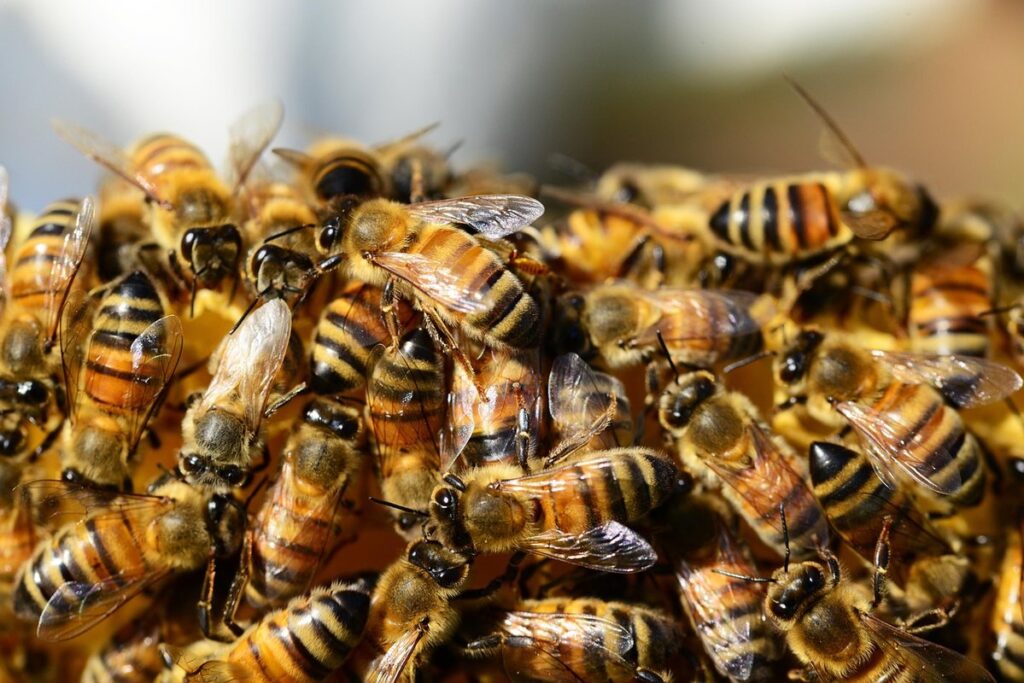
Understanding Mud Bees and Their Importance
Mud bees play a vital role in maintaining garden ecosystems, but do you know what they are and why they’re so important? Let’s dive into understanding these fascinating insects.
What are Mud Bees?
Mud bees are a type of ground-nesting bee that is often misunderstood. These small, metallic-colored insects are usually between 1/4 to 3/8 inch long and have distinctive black and yellow markings on their bodies. They belong to the family Halictidae and are commonly found in gardens and meadows.
One of the most interesting things about mud bees is their nesting behavior. Unlike honeybees, which build complex hives, mud bees dig individual nests into the ground using a combination of saliva and mud. This process can take several days to complete and requires precise temperature control to ensure the survival of the larvae.
Mud bees are also important pollinators in garden ecosystems. As they forage for nectar and pollen, they transfer pollen between plants, facilitating the reproduction of many plant species. In fact, research has shown that mud bees can be up to 5 times more effective at pollinating certain plants than honeybees.
To attract mud bees to your garden, consider providing a mix of sunny and shaded areas, as well as a source of water for drinking and mud collection. By creating a welcoming environment for these beneficial insects, you can support their populations and reap the rewards of improved pollination.
Types of Mud Bees Found in Gardens
Mud bees are a diverse group of insects, and several species can be found in gardens. One of the most common types is the Halictid bee, also known as the sweat bee. These tiny bees are usually metallic blue or green in color and are often seen visiting flowers for nectar. They play a crucial role in pollination, transferring pollen between plants as they feed.
Another type of mud bee found in gardens is the Megachilid bee, commonly referred to as mason bees. These bees are known for their distinctive habit of collecting mud to construct nests. Female megachilid bees use this mud to line their nests and protect their young from predators. They are also excellent pollinators, feeding on nectar and pollen while transferring pollen between plants.
Both halictid and megachilid bees are important contributors to garden ecosystems. By providing food for other animals, such as birds and lizards, they play a vital role in the local food chain. Their presence also indicates healthy soil and a balanced ecosystem. To attract these beneficial insects to your garden, consider planting a variety of flowers that provide nectar and pollen.
Benefits of Mud Bees for Garden Ecosystems
Mud bees play a crucial role in maintaining a balanced garden ecosystem, bringing numerous benefits that are essential for plant growth and soil health. Let’s explore these advantages up close!
Pollination Services Provided by Mud Bees
Mud bees are among the most important pollinators in garden ecosystems. These small, ground-dwelling bees play a crucial role in transferring pollen between plants, facilitating seed production and plant reproduction.
As mud bees forage for food, they inadvertently collect pollen from one plant species and deposit it on another. This process is essential for the fertilization of many plant species, including fruits, vegetables, and flowers. In fact, studies have shown that up to 75% of plants rely on pollinators like mud bees for successful reproduction.
Mud bee activity also has a profound impact on plant reproduction and seed production. By transferring pollen between plants, mud bees enable them to produce viable seeds, which is essential for the propagation of new plant species. Without these tiny pollinators, many garden crops would struggle to reproduce, resulting in lower yields and reduced plant diversity.
To encourage mud bee activity in your garden, consider creating a mud “hotspot” by providing a shallow dish or pool of water with moist soil nearby. This will attract mud bees and other beneficial insects, supporting the health and productivity of your garden ecosystem.
Soil Health and Nutrition through Mud Bee Activity
Mud bees play a vital role in maintaining soil health and nutrition through their burrowing activities. These tiny creatures create complex networks of tunnels and chambers beneath the surface, aerating the soil and improving drainage. By doing so, they help reduce soil compaction, which can lead to poor root growth, reduced water infiltration, and decreased nutrient availability.
As mud bees dig, they bring oxygen into the soil, promoting microbial activity that breaks down organic matter and releases essential nutrients. This process enhances soil fertility, making it more conducive for plant growth. For instance, research has shown that areas with high mud bee populations tend to have higher levels of nitrogen and phosphorus, key nutrients for plant development.
To harness the benefits of mud bees for your garden’s soil nutrition, focus on creating a welcoming environment for these beneficial insects. Provide a mix of sunny and shaded spots, as mud bees prefer warm surfaces but also need some protection from direct sunlight. Avoid over-tilling or compacting the soil, which can harm their burrowing activities. By doing so, you’ll be supporting the intricate ecosystem of your garden and enjoying healthier, more resilient plants in return.
Challenges Faced by Mud Bees in Gardens
While mud bees are incredibly beneficial to garden ecosystems, they do face some significant challenges that can impact their populations and your gardening endeavors. Let’s take a closer look at these hurdles.
Habitat Loss and Fragmentation
When mud bees lose their homes, they struggle to survive. Habitat loss and fragmentation are significant challenges facing these beneficial insects in gardens. As gardeners, we often think of ourselves as stewards of our landscapes, but sometimes our actions inadvertently harm the very creatures we’re trying to help.
Habitat loss occurs when natural areas are converted into urban or agricultural spaces. This can be due to development, landscaping, or even well-meaning gardening practices like over-tilling or pruning. When mud bees’ undisturbed areas with suitable nesting materials disappear, they have nowhere to lay their eggs or raise their young.
Fragmentation happens when remaining habitats are broken up by roads, gardens, or other barriers. This makes it difficult for mud bees to move between patches of suitable habitat, leading to reduced genetic diversity and increased isolation. To mitigate these effects, gardeners can create bee-friendly spaces within their gardens by leaving some areas untended and providing nesting sites like rocks or logs.
By preserving undisturbed areas and creating connectivity between habitats, we can help ensure the long-term survival of mud bees in our gardens.
Pesticide Use and Its Effect on Mud Bee Populations
When you’re busy tending to your garden, it’s easy to reach for pesticides as a quick fix to keep pests at bay. However, this approach can have devastating consequences on mud bee populations, which are crucial for pollination and ecosystem health.
The use of pesticides has been shown to significantly reduce mud bee populations in gardens. A study found that the number of bumble bees, including mud bees, declined by 41% in areas where intensive pesticide use was practiced. This is because many common garden pesticides, such as neonicotinoids, can harm or kill mud bees.
To protect your mud bee population, it’s essential to adopt integrated pest management (IPM) practices. IPM involves using a combination of techniques such as crop rotation, physical barriers, and biological controls to manage pests. For example, planting flowers that attract beneficial insects, like marigolds or sunflowers, can help support pollinator populations.
By making these simple changes, you can create a welcoming environment for mud bees in your garden while minimizing the use of pesticides. Consider implementing IPM practices this season to give these vital pollinators a chance to thrive.
Strategies for Supporting Mud Bees in Gardens
To effectively support mud bees in your garden, you’ll want to consider creating a bee-friendly environment that provides them with the perfect mix of nesting sites and food sources. This section will explore some practical strategies for achieving this balance.
Creating Mud Bee-Friendly Habitats
When creating mud bee-friendly habitats, it’s essential to think like these beneficial pollinators. Mud bees need specific features to thrive, and incorporating them into your garden design will attract more of these helpful insects.
One crucial element is undisturbed areas where mud bees can nest. Leave a small section of your garden untouched, allowing vegetation to grow freely. This area should receive partial shade and have moist soil, as mud bees prefer to burrow in damp environments. Consider setting aside an unused corner or the base of a tree with loose bark.
To further enhance your habitat, install nesting boxes specifically designed for mud bees. These structures provide a safe haven for female mud bees to lay their eggs and protect their young from predators. When selecting a nesting box, choose one with multiple compartments to accommodate multiple females. Place it in an area with similar conditions as the undisturbed section.
When creating your habitat, don’t forget about source-rich substrates like sand, silt, or clay. These materials allow mud bees to construct their nests and provide the necessary building blocks for their underground tunnels.
Managing Garden Pests without Harming Mud Bees
Managing garden pests without harming mud bees requires a thoughtful approach that balances pest control with biodiversity. One effective method is organic pest control, which relies on natural methods to eliminate unwanted insects. For example, introducing beneficial insects like ladybugs or lacewings can help control aphid populations, reducing the need for pesticides.
Companion planting is another strategy that can be used to manage pests while supporting mud bees. Certain plants, such as marigolds and nasturtiums, repel nematodes and other garden pests without harming beneficial insects like mud bees. Planting these species alongside your garden’s main crops can provide a natural barrier against pests.
When choosing pest control methods, look for products labeled as “bee-friendly” or “environmentally safe.” These products typically contain safer active ingredients that are less likely to harm mud bees and other pollinators. Always read labels carefully and follow instructions to ensure you’re using the product responsibly. By adopting these strategies, you can maintain a healthy garden ecosystem while protecting mud bees and their habitats.
Conclusion: Embracing the Value of Mud Bees in Your Garden
As we wrap up our exploration of mud bees, let’s take a moment to appreciate their value in your garden and discover how to create a bee-friendly environment that thrives.
Integrating Mud Bee Conservation into Garden Management Practices
As you’ve learned throughout this article, mud bees play a vital role in maintaining the health and biodiversity of your garden ecosystem. To make a positive impact on these valuable pollinators, consider incorporating conservation practices into your gardening routine.
Start by creating a bee-friendly habitat within your garden. Plant a variety of flowers that are rich in pollen and nectar, such as coneflower, black-eyed Susan, or lavender. These plants will provide the necessary resources for mud bees to thrive. Avoid using pesticides, which can harm or kill mud bees, and instead opt for natural methods of pest control.
Another crucial step is to provide a source of water for mud bees. A shallow dish or birdbath with fresh water and a few rocks or twigs for landing sites will make your garden an attractive spot for these beneficial insects. By implementing these simple conservation practices, you’ll be taking a significant step towards supporting the well-being of mud bees in your garden.
Final Thoughts: Appreciating the Complexity of Garden Ecosystems
As you conclude your journey into the world of mud bees and their role in garden ecosystems, it’s essential to appreciate the complexity and interconnectedness of these tiny creatures with the rest of the garden. By now, you’ve likely gained a deeper understanding of how mud bees contribute to pollination, soil health, and ecosystem balance.
As you move forward with your gardening practices, remember that mud bees are just one thread in the intricate tapestry of life within your garden. To truly appreciate their value, it’s crucial to adopt a holistic approach to gardening – considering every component as part of an interconnected web. This means embracing the concept of biodiversity and recognizing that each plant, animal, and microorganism plays a vital role.
To start making these connections in your own garden, take note of the mud bees’ habitats and activities. Observe how they interact with other insects, plants, and even microorganisms like fungi and bacteria. By paying attention to these relationships, you’ll begin to see your garden as a thriving ecosystem rather than just a collection of individual components.
Frequently Asked Questions
How do I know if mud bees are already present in my garden?
Mud bees can be tricky to spot, but look for small, metallic-colored insects with black and yellow markings on sunny days. Observe areas where the soil is moist or sandy, as these conditions favor their nesting habits. If you’re still unsure, consider consulting a local gardening expert or entomologist for guidance.
Can I attract more mud bees to my garden by planting specific flowers?
Yes! Mud bees are drawn to a variety of flowers that provide nectar and pollen, such as sunflowers, lavender, and coneflowers. Planting a mix of these species will not only support pollination but also create a welcoming habitat for mud bees.
What should I do if I notice an increase in mud bee activity near my garden pond?
While mud bees are beneficial to your ecosystem, they may become attracted to the water source in search of moisture. To encourage them to nest elsewhere, consider creating a mud bee-friendly area with sandy or gravelly soil nearby. This will provide a suitable nesting site and reduce competition for resources.
How can I balance my desire to control garden pests with supporting mud bees?
Integrate pest management strategies that minimize harm to beneficial insects like mud bees. For example, use physical barriers or hand-picking instead of pesticides whenever possible. Also, encourage natural predators of pests by incorporating diverse plant species and maintaining a balanced ecosystem.
Can I replicate the success of my local park’s mud bee-friendly habitat in my own garden?
While it’s inspiring to see thriving ecosystems, remember that each garden has its unique characteristics and challenges. Consult with local experts or conduct research specific to your region to understand the specific needs of mud bees in your area. Adapt and modify strategies from others as needed to create a habitat tailored to your garden’s conditions.