
When it comes to adding depth and excitement to your dishes, few ingredients can match the impact of chili peppers. But with so many varieties out there, which ones truly stand out from the rest? From the mild sweetness of Anaheim to the infamous scorching heat of Ghost Pepper, each type has its own unique flavor profile that’s just waiting to be discovered.
In this comprehensive guide, we’ll take you on a journey through the world’s most flavorful chili peppers. We’ll delve into their distinct growing conditions, exploring how these factors influence their taste and character. But that’s not all – we’ll also share creative ways to incorporate these pepper powerhouses into your cooking repertoire, from spicy sauces to bold salsas. Whether you’re a seasoned chef or just starting out on the culinary path, get ready to ignite your senses with the bold flavors of the world’s most delicious chili peppers!
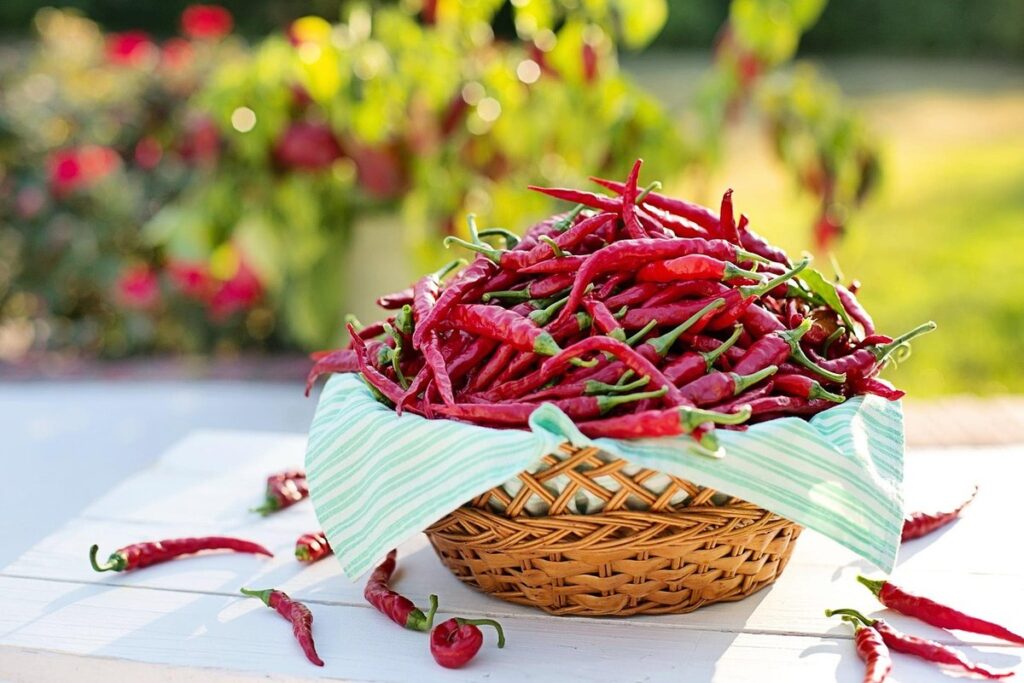
Introduction to Flavorful Chili Peppers
Welcome to our journey into the world of chili peppers! In this section, we’ll explore the characteristics and flavor profiles that make certain varieties truly stand out.
What Makes a Chili Pepper Flavorful?
A flavorful chili pepper is not just about heat; it’s a symphony of sensations that can elevate any dish. To understand what makes a chili pepper truly flavorful, let’s break down the key factors at play.
Scoville heat units (SHU) are often misunderstood as the sole determinant of a chili pepper’s flavor. However, SHU is just one aspect – it measures the amount of capsaicin present, which contributes to the heat. A higher SHU rating doesn’t necessarily mean better flavor. For instance, the infamous Carolina Reaper has an extremely high SHU rating but lacks depth and complexity in its flavor profile.
Other essential contributors to a chili pepper’s flavor include sweetness, acidity, and umami taste. Sweetness can come from natural sugars or the ripening process, while acidity adds brightness and balance. Umami taste, often referred to as the ‘savory’ component, rounds out the overall flavor experience. A good example of a chili pepper with well-balanced flavors is the Poblano – its rich, earthy undertones pair perfectly with sweetness, making it an excellent choice for stuffing or roasting.
To appreciate these nuances, experiment with different types of chili peppers and cooking methods to find what works best for you.
Brief History of Popular Chili Peppers
Chili peppers have been a staple ingredient in many cuisines for thousands of years, and their history is as rich as it is flavorful. The origins of popular chili pepper varieties date back to ancient civilizations in the Americas, where they were first domesticated by the Aztecs and Incas. These early chili peppers were prized for their intense heat and unique flavor profiles.
As trade routes expanded, chili peppers spread throughout the world, adapting to new climates and cultures along the way. The Habanero, for example, was introduced to the Caribbean by African slaves in the 17th century, where it developed its signature fruity and floral notes. Today, we see a wide range of chili pepper varieties, each with its own distinct character and flavor profile. From the smoky depth of Chipotle peppers to the bright, citrusy zing of Thai Bird’s Eye chilies, there’s no denying that chili peppers have come a long way from their humble beginnings.
Understanding the history and origins of popular chili peppers can help you unlock their full potential in your cooking. By experimenting with different types and preparations, you can elevate your dishes with bold new flavors and unexpected twists.
Top 10 Most Flavorful Chili Peppers for Beginners
If you’re new to chili peppers, it can be overwhelming with so many options available. In this beginner-friendly guide, we’ll introduce you to our top 10 picks for a flavor boost in your cooking.
1. Anaheim Pepper: Sweet and Mildly Spicy
The Anaheim pepper is an excellent choice for beginners looking to dip their toes into the world of chili peppers. Its sweet flavor profile makes it a great introduction to the spicy family, and its moderate heat level ensures that you’ll get a flavorful kick without overpowering your dishes.
One of the standout features of Anaheim peppers is their versatility in cooking. They can be used fresh or roasted, making them perfect for adding depth to salsas, sauces, and stir-fries. Their mild flavor won’t overpower other ingredients, allowing you to experiment with different combinations and find your favorite pairings.
When working with Anaheim peppers, it’s essential to note that their heat level is relatively consistent. You can expect a Scoville heat unit (SHU) rating of 500-1000, which is roughly equivalent to a jalapeño pepper. This predictability makes them ideal for recipes where you want a reliable spicy kick.
To incorporate Anaheim peppers into your cooking, try roasting them in the oven with some olive oil and salt until they’re soft and caramelized. Then, chop them up and add them to your favorite dishes for an instant flavor boost.
2. Poblano Pepper: Earthy and Smoky
When it comes to chili peppers, few are as beloved for their rich flavor and versatility as the Poblano. This pepper is a staple in many Mexican and Southwestern dishes, particularly when it comes to stuffing and roasting. The key to understanding its appeal lies in its unique combination of earthy undertones and smokiness.
One reason why Poblanos stand out from other chili peppers is their slow maturation process, which contributes to their deep flavor profile. As they ripen, the sweetness develops into a subtle tanginess that pairs perfectly with a range of ingredients. Whether you’re stuffing them with cheese, meat, or vegetables, Poblanos add an undeniable depth to any dish.
To get the most out of your Poblanos, try roasting them over an open flame or in a dry skillet until charred and tender. This process intensifies their smoky flavor, making it even more addictive. Experiment with different fillings – from classic cheese mixtures to innovative combinations featuring nuts or grains – and you’ll soon discover why the Poblano is a favorite among home cooks and professional chefs alike.
3. Jalapeño Pepper: Spicy and Fruity
Jalapeño peppers have become an integral part of many cuisines worldwide due to their unique balance of heat and sweetness. With a moderate level of Scoville heat units (SHU), ranging from 2,500 to 8,000, the Jalapeño offers just enough kick without overpowering other flavors.
One reason for its widespread use is its sweet, fruity notes that complement a variety of dishes. When added to salsas or sauces, the natural sweetness enhances the flavor profile, while its moderate heat level adds depth without overwhelming. In Mexican cuisine, the Jalapeño is often pickled and served as a condiment or used in fresh salsa.
If you’re looking to incorporate more flavor into your cooking, try pairing the Jalapeño with ingredients like cilantro, lime juice, or garlic for added depth. The key is balance – use it sparingly in dishes where you want a hint of heat and sweetness, and adjust to taste. By doing so, you’ll unlock the full potential of this versatile chili pepper, elevating your cooking experience with its distinct flavor.
Advanced Chili Peppers for Experienced Chefs
For experienced chefs looking to elevate their dishes, we’ll explore some of the hottest and most complex peppers that offer a depth of flavor like no other. From fruity to smoky, these peppers will challenge your creativity.
The Heat of Habaneros: What to Expect
When handling Habanero peppers, you should be prepared for an intense experience. These chili peppers have a unique heat profile that’s not for the faint of heart. With a Scoville heat unit (SHU) rating of 100,000-350,000, they pack a punch that will leave even seasoned chefs breathless.
Their flavor is equally complex and fascinating. Habaneros possess a fruity, slightly sweet taste with hints of tropical fruit, making them an excellent addition to salsas and marinades. However, be cautious when working with these peppers as the oils released during preparation can cause skin irritation and burning sensations in your eyes and mouth.
To incorporate Habaneros into your dishes safely, wear gloves while handling them, and avoid touching your face or eyes after coming into contact with the peppers. When preparing salsas, sauces, or other recipes featuring Habaneros, use a mortar and pestle to crush the seeds and membranes carefully, releasing their oils gradually.
Ghost Pepper: The World’s Hottest Pepper
If you’re an experienced chef looking to take your dishes to the next level, then you need to get familiar with the infamous Ghost Pepper. This chili pepper is renowned for its intense heat, which can reach a staggering 855,000-1,041,427 Scoville Heat Units (SHU) – that’s significantly hotter than even the habanero and scorpion peppers.
The flavor profile of the Ghost Pepper is just as complex as its heat level. It has a unique, smoky undertone that adds depth to dishes without overpowering them. To get the most out of this chili pepper, it’s best to use it in small amounts, as its intense heat can quickly overwhelm even the most adventurous palates.
In traditional Indian cuisine, Ghost Peppers are often used in combination with other ingredients like garlic and ginger to create aromatic marinades for meat dishes. If you’re feeling adventurous, try incorporating a pinch of Ghost Pepper into your next stir-fry or curry recipe – just be sure to have a glass of milk on hand to help cool down the heat.
Unique Flavor Combinations Using Chili Peppers
Get creative with your chili pepper dishes by combining these fiery gems with unexpected ingredients, elevating flavors to new heights and exciting your taste buds.
Spicy-Sweet Fusion: Combining Chili Peppers with Fruits
When it comes to innovative flavor combinations using chili peppers, few pairings are as tantalizing as combining them with fruits. The sweetness of pineapple, mango, or peaches perfectly balances the heat of chili peppers, creating a sweet and spicy fusion that will leave you wanting more.
One way to experience this unique combination is by trying Korean-style BBQ, where grilled meats are slathered in a sauce made from gochujang (Korean chili paste) and pineapple juice. This sweet and spicy sauce brings together the bold flavors of the chili peppers with the sweetness of the fruit, creating an unforgettable taste experience.
To recreate this flavor combination at home, try pairing diced pineapple with sliced jalapeños or habaneros in a salsa. You can also add a splash of mango puree to your favorite hot sauce for an instant sweet and spicy kick. The key is to balance the heat of the chili peppers with the natural sweetness of the fruit, so don’t be afraid to experiment and adjust the proportions to suit your taste buds.
Smoky-Chili Pepper Synergy: Enhancing Flavors with Smoked Paprika
Smoked paprika and chili peppers are a match made in heaven. When combined, they create a complex flavor profile that’s both smoky and spicy. Smoked paprika adds a deep, velvety texture to dishes while enhancing the natural sweetness of chili peppers.
One of the most iconic combinations is the pairing of chipotle peppers with smoked paprika. Chipotles are essentially jalapeños that have been smoked over oak woods, giving them an already rich flavor. When you add smoked paprika to the mix, it’s like unlocking a new level of depth and complexity. Try using this combination in your favorite BBQ sauce recipe for a game-changing flavor boost.
To get the most out of this synergy, remember that less is often more. Start with small amounts of smoked paprika and adjust to taste, as its smokiness can quickly overpower other flavors. By balancing the heat from chili peppers with the smoothness of smoked paprika, you’ll create dishes that are both bold and nuanced – a true reflection of the beauty of unique flavor combinations.
Cultivating Your Own Flavorful Chili Peppers at Home
Growing your own chili peppers from seed can be a fun and rewarding experience, allowing you to experiment with different varieties and unique flavor profiles. With these steps, you’ll be on your way to cultivating delicious homegrown chili peppers.
Choosing the Right Soil and Climate Conditions
When cultivating your own flavorful chili peppers at home, selecting the right soil and climate conditions is crucial for optimal growth. Chili pepper plants prefer well-draining soil that’s rich in organic matter, with a pH between 6.0 and 7.0. If you’re unsure about your soil type, consider getting it tested to determine its pH level.
In terms of climate, chili peppers thrive in warm temperatures, typically above 65°F (18°C). They require full sun, so choose a location that receives at least six hours of direct sunlight daily. However, if you live in an area with intense heat, provide some shade to prevent scorching.
For regions with limited sunlight or cooler temperatures, consider growing chili peppers indoors using containers or hydroponic systems. This allows for more control over the environment and can extend the growing season. When selecting a location, ensure good air circulation to prevent fungal diseases that often thrive in humid environments.
Pruning and Harvesting Techniques for Maximum Flavor
When it comes to cultivating flavorful chili peppers at home, pruning and harvesting techniques play a crucial role in maximizing their flavor potential. By prudently shaping and selecting the right pepper varieties for your needs, you can significantly enhance the taste of your harvest.
Start by understanding that chili peppers are heavy feeders and require regular pruning to promote healthy growth and encourage fruiting. Remove any weak or spindly stems, and trim back overgrown areas to direct energy towards developing a robust plant structure. This technique also helps prevent pests and diseases from taking hold.
To optimize flavor, harvest your chili peppers at the peak of ripeness, when their colors have fully developed and the texture is tender but still firm. Avoid harvesting too early or late, as this can compromise flavor. For example, if you’re after sweet and slightly smoky flavors, wait until the peppers turn from green to their mature color.
When pruning, make clean cuts just above a node (the point where a leaf meets the stem) using sharp, sterile tools. This minimizes the risk of fungal infections and helps promote new growth.
Conclusion: Unlocking the Full Potential of Chili Peppers
Now that we’ve explored the world of flavorful chili peppers, let’s summarize our findings and unlock their full potential in your cooking adventures.
Recap of Key Takeaways
As you conclude your journey through the world of flavorful chili peppers, let’s recap the essential knowledge gained from this exploration. You now understand that flavor is not just about heat but also about a complex interplay of sweetness, acidity, and aroma.
You’ve learned to identify the most flavorful varieties, including the infamous Ghost Pepper, the elegant Korean Gochugaru, and the versatile Ancho pepper. You know how to select peppers at their peak ripeness, handle them with care, and store them properly to preserve their flavor and heat.
Moreover, you understand the importance of pairing chili peppers with complementary ingredients to enhance their natural flavors. From adding a splash of citrus juice to bring out the sweetness in a pepper, to combining it with aromatics like garlic and ginger for added depth, you’re equipped with practical advice to elevate your cooking.
Remember, the world of flavorful chili peppers is vast and exciting, and this comprehensive guide has merely scratched the surface. Experiment with new varieties, explore different flavor profiles, and unlock the full potential of these incredible ingredients in your kitchen.
Future Experimentations and Inspiration
As you’ve made it through this comprehensive guide to the most flavorful chili peppers, we hope you’re inspired to take your chili pepper game to the next level. We’ve covered the basics of what makes a pepper flavorful and explored some of the most delicious varieties out there. But the world of chili peppers is vast and exciting, and we want to encourage you to keep exploring.
Experimenting with new chili pepper varieties can be a fun and rewarding experience. Not only will you discover new flavors, but you’ll also learn about the unique characteristics of each type of pepper. Try growing your own pepper plants or visiting local farmers’ markets to sample fresh peppers in season. Take note of the flavor profiles that resonate with you the most, and use those as a starting point for future experimentation.
For example, if you’re a fan of smoky heat, look into trying some specialty peppers from Central America or the Caribbean. On the other hand, if you prefer a more subtle sweetness, consider exploring the delicate flavors of Asian-style chili peppers. The possibilities are endless, and we invite you to continue pushing the boundaries of what you thought was possible with chili peppers.
Frequently Asked Questions
Can I grow my own flavorful chili peppers at home?
Growing your own flavorful chili peppers can be a rewarding experience, but it requires careful consideration of climate conditions. For optimal flavor, choose varieties that thrive in your local climate and provide them with well-draining soil rich in organic matter. Regular pruning and harvesting techniques will also help maximize the pepper’s natural sweetness.
How do I preserve the unique flavors of chili peppers for long-term use?
To preserve the flavors of chili peppers, consider using methods like roasting, drying, or freezing. Roasting enhances their natural sweetness, while drying helps retain the heat. Freezing is an excellent way to maintain the flavor and heat levels of fresh chili peppers.
What are some common mistakes beginners make when working with extremely hot peppers like Habaneros or Ghost Peppers?
When handling extremely hot peppers, it’s essential to exercise caution. Common mistakes include touching your eyes after handling the peppers or eating them without properly preparing for the intense heat. To avoid discomfort, wear gloves and have a dairy product on hand (like milk or yogurt) to help neutralize the capsaicin.
Can I use chili peppers in sweet dishes like baked goods or desserts?
Chili peppers can add an unexpected depth of flavor to sweet dishes. Use them in moderation, as their heat level can quickly overpower other flavors. For example, try adding a pinch of crushed red pepper flakes to your favorite chocolate chip cookie recipe for a unique twist.
How do I balance the intense heat of chili peppers with other flavors in a dish?
To balance the heat of chili peppers, focus on complementary flavors like acidity (from citrus or vinegar) and sweetness. Balance is key – you can add more sweet elements to counteract the heat or incorporate cooling ingredients like yogurt or coconut milk.