
As a gardener, you might be aware that our beloved monarch butterflies are facing declining populations. This is largely due to the loss of their natural habitat and food sources. By planting monarch butterfly-friendly plants in your garden, you can help create a thriving ecosystem that supports these incredible creatures. But where do you start? From milkweed to sunflowers, there are many plants that provide essential nectar and shelter for monarchs. In this article, we’ll explore the best plants to attract monarch butterflies, even if you have limited space. We’ll cover everything from easy-to-grow options to more unusual species, so whether you’re a seasoned gardener or just starting out, you’ll be well-equipped to create a pollinator-friendly haven that brings these beautiful butterflies right to your doorstep.
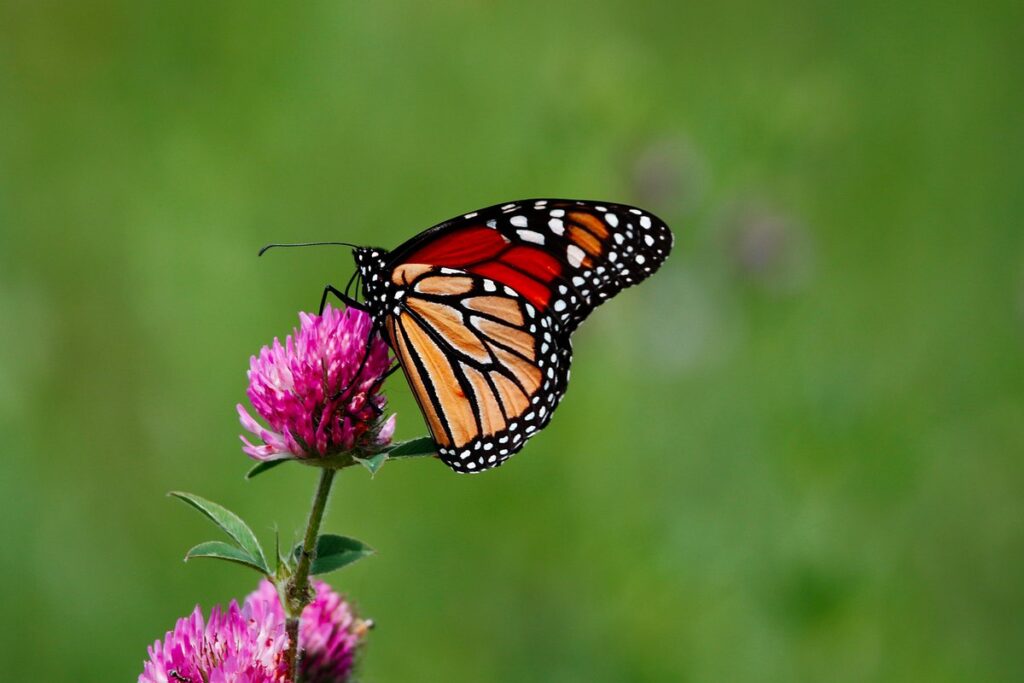
Understanding the Importance of Monarch Butterflies and Their Host Plants
Monarch butterflies rely on specific host plants for their survival, and understanding these relationships is crucial to creating a pollinator-friendly garden that truly thrives. Let’s dive into the importance of monarch butterflies and their host plants.
The Decline of Monarch Butterflies and Its Causes
The decline of monarch butterflies is a pressing concern that affects not only their populations but also the ecosystems they inhabit. Habitat loss and fragmentation have been significant contributors to this decline, with the destruction of milkweed plants – the sole food source for monarch caterpillars – being a major issue. Urbanization, agriculture, and other human activities have led to widespread deforestation and degradation of natural habitats.
Pesticide use is another factor contributing to the decline of monarch populations. Chemicals such as neonicotinoids, commonly used in agricultural settings, can contaminate soil and water sources, affecting not only butterflies but also other pollinators like bees and hummingbirds. Climate change has also had a profound impact on monarch populations, with changing temperature and precipitation patterns disrupting their migratory patterns and altering the timing of plant growth.
To create a pollinator-friendly garden, consider using native plants that are adapted to your local climate and can provide milkweed for monarch caterpillars. By planting these species, you can help mitigate the effects of habitat loss and support the survival of this iconic insect.
Role of Host Plants in Monarch Conservation
Host plants play a vital role in monarch conservation by providing essential food sources for monarch caterpillars. These plants are the only source of nutrition for monarch larvae, and their leaves contain the necessary chemicals for the caterpillars to grow and develop. The most common host plant for monarchs is milkweed (Asclepias spp.), which contains toxic compounds called cardenolides that make monarchs unpalatable to predators.
Maintaining a diverse array of host plants in your garden is crucial, as monarch caterpillars will only feed on specific species of plants. For example, the Viceroy butterfly, although similar in appearance to the Monarch, has different host plant preferences and feeds exclusively on willow (Salix spp.) and poplar (Populus spp.). This highlights the importance of identifying the native host plants specific to your region and incorporating them into your pollinator-friendly garden.
Incorporating a mix of annual and perennial host plants can provide a steady supply of food for monarch caterpillars throughout the growing season. Consider planting a few milkweed species, such as Butterfly Weed (Asclepias tuberosa) or Swamp Milkweed (Asclepias incarnata), alongside other nectar-rich flowers to create a welcoming habitat for these iconic pollinators.
Choosing the Right Monarch Butterfly Friendly Plants
When selecting plants for your monarch-friendly garden, it’s essential to choose varieties that provide the necessary nectar and host plants for these incredible creatures. Let’s explore some of our top picks for milkweed and nectar-rich flowers.
Native Plants that Attract Monarchs
When it comes to creating a monarch butterfly-friendly garden, selecting native plants that attract these beautiful creatures is crucial. Among the many species that welcome monarchs with open arms, milkweed stands out as a top choice. This perennial plant is not only a vital food source for monarch caterpillars but also provides nectar for adult butterflies. By incorporating milkweed into your garden design, you’ll be supporting the life cycle of these magnificent creatures.
Other native plants that monarchs adore include sunflowers (Helianthus annuus) and zinnias (Zinnia elegans). These bright, cheery blooms provide a rich source of nectar, making them a perfect addition to your garden. Planting milkweed, sunflowers, and zinnias together will create a vibrant haven for monarchs, attracting them in droves. To maximize the benefits, consider planting these species alongside other native flowers that offer a constant supply of nectar and pollen throughout the growing season.
To get started, choose varieties that are well-suited to your local climate and soil conditions. For example, if you live in an area with poor soil quality, opt for milkweed species like Butterfly Milkweed (Asclepias tuberosa) or Swamp Milkweed (Asclepias incarnata).
Non-Native Plants that Support Monarch Habitat
When choosing monarch butterfly friendly plants for your garden, you may think that only native species are suitable. However, there are many non-native plants that can still provide valuable resources for these magnificent creatures. These plants have been introduced to North America and have adapted well to the local climate, making them a great option for gardens.
Consider incorporating non-native plants like butterfly bush (Buddleja davidii) into your garden. This plant is a magnet for monarchs, as its long, conical flowers are rich in nectar, which these butterflies need to survive. Lantana (Lantana camara) is another excellent choice, with clusters of small, fragrant flowers that attract not only monarchs but also other pollinators.
When using non-native plants, be sure to choose varieties that have naturalized and are less likely to become invasive. Some cultivars, like Buddleja ‘Nanho Blue’, are bred specifically for their smaller growth habits and reduced seed production, making them a better choice for gardens.
Planting and Caring for Monarch Friendly Plants
When planting monarch-friendly plants, it’s essential to know how to create a welcoming environment that will attract these beautiful butterflies. Let’s dive into the specifics of planting and caring for these special plants.
Tips for Plant Selection and Placement
When selecting plants for your monarch-friendly garden, it’s essential to consider the specific needs of these beautiful butterflies. Monarchs require a variety of plants that provide nectar-rich flowers, host plants for their caterpillars, and shelter from harsh weather conditions.
Start by assessing your garden’s climate and conditions. Consider the amount of sunlight your garden receives each day – monarchs are attracted to warm, sunny areas with full sun (at least 6 hours of direct sunlight) – but also need some shade to escape extreme temperatures. Choose plants that thrive in your specific sunlight regime.
Next, think about the soil type in your garden. Monarchs prefer well-draining soil, which helps prevent root rot and other issues. Consider using native plants or ones adapted to your local climate, as these are more likely to succeed in challenging conditions. Some excellent choices for monarch-friendly plants include milkweed (Asclepias), butterfly weed (Asclepias tuberosa), and lantana (Lantana camara).
Watering and Maintenance Strategies for Healthy Plants
When it comes to creating a pollinator-friendly garden that attracts monarch butterflies, proper watering and maintenance techniques are crucial for ensuring the health and longevity of these beneficial plants. Watering is perhaps one of the most critical aspects of plant care, as both overwatering and underwatering can be detrimental to your monarch-friendly plants.
To avoid overwatering, start by checking the soil moisture daily, especially during hot weather. Stick your finger into the soil up to the first knuckle, and if it feels dry, it’s time to water. For plants like milkweed and butterfly weed that thrive in well-draining soil, consider using a soaker hose or drip irrigation system to deliver water directly to the roots.
As for maintenance strategies, be mindful of pruning and deadheading. Prune your plants regularly to maintain their shape, promote healthy growth, and encourage blooming. Deadhead spent flowers to direct energy towards new blooms and prevent seed production. By implementing these watering and maintenance strategies, you’ll create a thriving environment that will attract monarch butterflies and other pollinators for years to come.
Creating a Monarch-Friendly Garden Ecosystem
To create a thriving monarch-friendly garden ecosystem, it’s essential to choose plants that provide the perfect combination of food, shelter, and host plants for these magnificent creatures. This section will guide you through selecting the right plants for your garden.
Incorporating Other Pollinators and Beneficial Insects
Incorporating other pollinators and beneficial insects into your monarch-friendly garden can create a thriving ecosystem that supports biodiversity. Bees, for example, are essential pollinators and often overlap with the same plants as monarchs. Consider adding bee-friendly plants like lavender, coneflower, or black-eyed Susan to attract these busy visitors.
Hummingbirds are another key player in the pollination process, and incorporating nectar-rich flowers like trumpet vines, honeysuckle, or salvias will provide them with a vital source of energy. By attracting multiple pollinators, you’ll create a diverse and resilient ecosystem that’s better equipped to withstand pests, diseases, and environmental stressors.
To incorporate these beneficial insects into your garden, start by selecting a variety of plants that cater to their needs. Incorporate native flowers, shrubs, and trees that provide nectar, pollen, or shelter for these visitors. Also, avoid using pesticides, which can harm or kill these essential pollinators. Instead, opt for natural methods to control pests, like introducing beneficial nematodes or attracting natural predators.
By embracing a diverse and inclusive approach to gardening, you’ll not only support the monarch butterfly population but also contribute to the health of your local ecosystem as a whole.
Considering Windbreaks, Shelter, and Sun Protection for Plants
When creating a monarch-friendly garden ecosystem, it’s essential to consider the needs of the plants themselves. Just like monarch butterflies require shelter and protection from harsh weather conditions, your plants also need some TLC to thrive. Windbreaks, shelter, and sun protection can make all the difference in creating a healthy environment for your plants.
Windbreaks are structures or materials that block or reduce strong winds, which can damage plants or disrupt their growth. You can create windbreaks using natural elements like shrubs, trees, or boulders, or install artificial ones like trellises or screens. By providing a buffer zone from harsh winds, you’ll help your plants conserve water, prevent soil erosion, and reduce stress.
Shelter is another crucial aspect to consider. Provide your plants with some protection from extreme temperatures, rain, and hail by using row covers, cold frames, or greenhouses. These structures will create a microclimate that regulates temperature fluctuations, reduces frost damage, and promotes healthy growth.
When it comes to sun protection, be mindful of the amount of direct sunlight each plant receives. Some plants require full sun, while others prefer partial shade. Use mulch, shading umbrellas, or plant placement to regulate sunlight exposure and prevent scorching. By providing your plants with the right amount of windbreaks, shelter, and sun protection, you’ll create a haven for monarch butterflies and a thriving ecosystem in your garden.
Integrating Monarch Butterfly Friendly Plants into Your Existing Garden
Now that you’ve chosen your monarch-friendly plants, let’s talk about how to seamlessly incorporate them into your existing garden landscape. This is where planning comes in!
Assessing and Modifying Your Current Garden Design
When it comes to creating a pollinator-friendly garden, it’s not always necessary to start from scratch. If you already have an existing garden design, don’t worry – with some assessment and modification, you can easily incorporate monarch butterfly friendly plants into your space.
Start by taking stock of your current garden layout. Walk through your garden and observe which areas receive full sun, partial shade, or are shadier spots. Note the soil type and moisture levels in different sections, as this will help determine which plants will thrive where. Consider the mature size of each plant, ensuring there’s enough space for them to grow without overcrowding.
Identify areas that could benefit from a makeover – perhaps a patchy lawn or a section with poor drainage. These are prime opportunities to introduce new plants that will attract monarch butterflies. Make a list of existing plants and their growing conditions to reference when selecting additions. By understanding your garden’s strengths and weaknesses, you’ll be better equipped to create a welcoming habitat for these majestic creatures.
Strategies for Incorporating Monarchs into Urban Gardens
Incorporating monarch butterfly-friendly plants into urban gardens can be a challenge, but with some creativity and planning, you can create a pollinator haven even in the midst of concrete. One strategy is to utilize container gardens, which can be placed on balconies, rooftops, or patios. Choose large containers that hold at least 5 gallons of soil to provide enough room for the roots of native plants like milkweed, coneflower, and black-eyed Susan. Make sure the containers have good drainage holes to prevent waterlogged soil.
Another approach is to partner with your community by participating in urban garden projects or planting a pollinator-friendly space in a public area. This can be as simple as creating a butterfly garden on an empty lot or turning a neglected alleyway into a vibrant oasis. Consider reaching out to local organizations, schools, or community groups to collaborate and share resources.
When designing your container garden or community space, remember to include a variety of plants that provide nectar, host plants for monarch caterpillars, and shelter from the elements. By incorporating these key elements, you’ll be well on your way to creating a haven for monarch butterflies in even the most urban of environments.
Monitoring and Maintaining Your Monarch-Friendly Garden
Now that you’ve selected the perfect plants for your monarch-friendly garden, let’s dive into how to keep it thriving throughout the seasons. Regular maintenance will ensure a healthy habitat for these beautiful butterflies.
Tracking Monarch Activity and Habitat Use
To fully appreciate the monarchs visiting your garden, you’ll want to track their activity and habitat use. Monitoring monarch egg and caterpillar populations is a great way to start. Observe the plants they’re most frequently visiting – are they focusing on milkweed or other nectar-rich flowers? Keep a journal or log to record these observations over time.
You can also set up a monitoring station in your garden by creating a small observation area with a bench or chair, where you can sit and watch for monarch activity. Note the dates when you see eggs, caterpillars, and chrysalises, as well as any adult monarchs. You might even consider installing a camera to capture images of these milestones.
Another effective way to monitor monarch habitat use is by tracking their migration patterns through your garden. Create a map or diagram of your yard, noting the locations of milkweed and other nectar-rich flowers. Observe how the monarchs move through this space, using the plants for sustenance and shelter. By doing so, you’ll gain valuable insights into the monarchs’ needs and behaviors, helping you make informed decisions about garden design and management.
Ongoing Maintenance for a Healthy Monarch Ecosystem
To maintain a healthy and thriving monarch-friendly garden ecosystem, regular ongoing maintenance is crucial. This involves monitoring the health of plants, controlling pests and diseases, and ensuring a balanced nutrient supply. Prune milkweed and other nectar-rich flowers regularly to promote bushy growth and encourage new blooms. Deadheading spent flowers also helps direct energy towards producing more seeds for monarchs.
A well-balanced fertilizer application is essential to maintain soil fertility and support the growth of diverse plant species. However, be cautious not to over-fertilize, as this can harm beneficial microorganisms in the soil. Rotate annuals and perennials annually to prevent pests and diseases from building up. This also allows for a varied bloom period, providing monarchs with a constant food source.
In addition to these tasks, monitor your garden’s water levels, ensuring that plants receive adequate moisture during dry spells. Regularly inspect plants for signs of stress or disease, such as yellowing leaves or black spots. By staying vigilant and making adjustments as needed, you’ll be able to create a resilient and sustainable monarch-friendly ecosystem.
Frequently Asked Questions
Can I still attract monarch butterflies if my garden has limited sunlight?
Yes, while full sun is ideal for many milkweed species, some varieties can thrive in partial shade, making them suitable for gardens with dappled or filtered light. Consider planting ‘Swamp Milkweed’ or ‘Butterfly Weed’, which are known to tolerate low-light conditions.
How often should I water my monarch-friendly plants during hot summer months?
Monarch butterfly friendly plants typically require more frequent watering during dry spells, especially when they’re in bloom. Check the soil moisture daily and water your plants when the top inch of soil feels dry to the touch. Avoid overwatering, as this can lead to root rot and other issues.
Can I grow monarch-friendly plants in containers or do they need to be directly planted into the ground?
You can definitely grow monarch-friendly plants in containers, making them perfect for small gardens, balconies, or patios. Just ensure that your container is at least 6-8 inches deep to accommodate the plant’s root system and provide sufficient drainage holes.
What if I already have a garden full of non-native plants – can I still create a monarch-friendly habitat?
Yes! While native plants are often the best choice for monarchs, incorporating some non-native plants that provide nectar or host plants can still benefit these beautiful butterflies. Consider adding plants like zinnias, marigolds, or cosmos to supplement your garden’s offerings.
How long do I need to wait before seeing monarch butterflies in my new garden?
It may take a season or two for monarchs to discover and regularly visit your garden. This is normal, as they tend to migrate between specific habitats. Be patient and maintain your garden’s health through proper care and maintenance – with time, you’ll likely see an increase in monarch activity.