
When growing spinach, one crucial factor that can make or break your crop is the soil temperature. You see, spinach seeds are extremely sensitive to temperature fluctuations, and if the soil is too cold, germination simply won’t happen. But what’s the magic number – the minimum soil temperature required for optimal spinach germination? The answer varies depending on the climate and region you’re in, which can be a challenge when planning your sowing schedule. In this article, we’ll delve into the world of optimal soil temperatures for spinach germination, exploring how to adapt your planting times for maximum yields in different climates and regions. By understanding these requirements, you’ll be well on your way to enjoying a bountiful harvest of fresh spinach all year round.
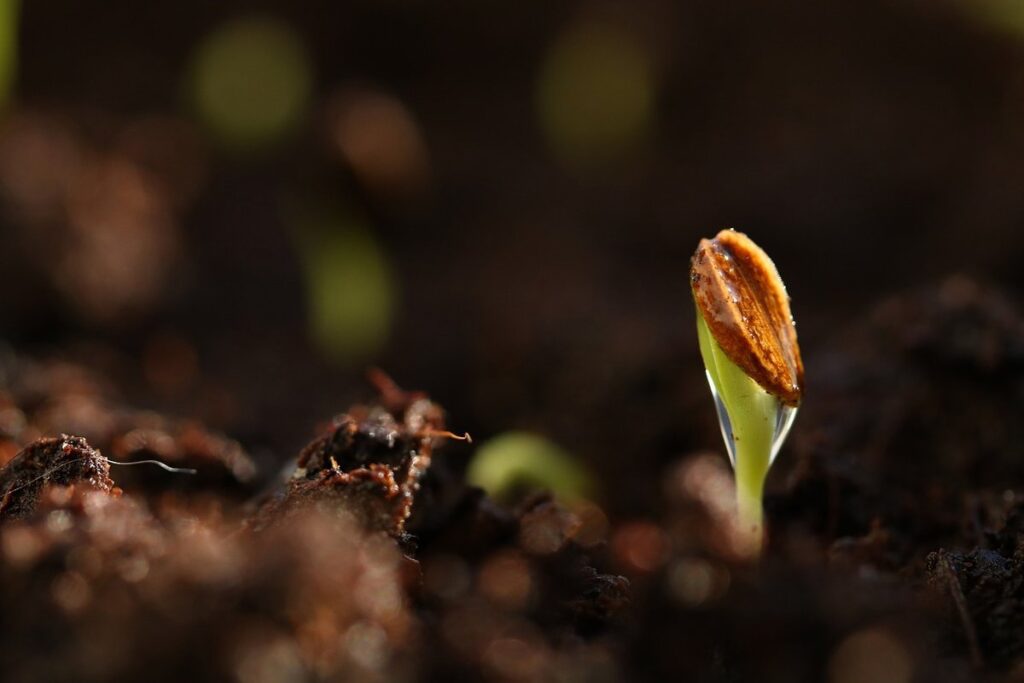
Understanding Spinach Germination Requirements
To ensure a healthy spinach crop, it’s crucial that you understand how soil temperature affects germination. Let’s dive into the specific requirements for optimal growth.
Factors Affecting Spinach Germination
When planting spinach, you’re not just considering the minimum soil temperature for germination. Several other factors play a crucial role in determining whether your spinach seeds will sprout successfully.
Soil moisture is one of these critical elements. Spinach seeds require consistent moisture to germinate, with ideal conditions typically ranging from 60-80% relative humidity. However, it’s essential to avoid overwatering, which can lead to seed rot and poor germination rates.
Light also affects spinach germination. Most commercial spinach varieties prefer a light exposure of around 12 hours per day. Direct sunlight during this period helps promote healthy growth and prevents the development of leggy stems.
Sowing depth is another factor worth considering. Planting spinach seeds too deeply (over 1/4 inch) can lead to reduced germination rates or delayed emergence due to inadequate moisture penetration to deeper soil layers.
Importance of Soil Temperature for Spinach Growth
Soil temperature plays a crucial role in spinach growth, influencing seedling emergence, plant development, photosynthesis, and overall yield. As spinach is a cool-season crop, it thrives in temperatures between 40°F (4°C) and 70°F (21°C). However, the optimal soil temperature for spinach germination is around 55°F to 65°F (13°C to 18°C), allowing for efficient seedling emergence and establishment.
At temperatures above 75°F (24°C), spinach growth accelerates, leading to faster leaf production and maturity. However, this rapid growth can also lead to reduced yields, increased disease susceptibility, and compromised flavor quality. On the other hand, temperatures below 45°F (7°C) slow down spinach growth, causing seedlings to emerge more slowly and become vulnerable to pests and diseases.
Maintaining optimal soil temperature is essential for maximizing spinach yields. If you’re growing spinach in a region with fluctuating temperatures, ensure your soil has good insulation properties to retain warmth during cooler periods.
Minimum Soil Temperature for Spinach Germination
So, you want to know when it’s safe to sow spinach seeds in your garden? This section will help you determine the ideal minimum soil temperature for successful spinach germination.
Optimal Soil Temperature Range for Spinach Seeds
When it comes to spinach germination, soil temperature plays a crucial role. While most gardeners are aware of the ideal air temperatures for spinach growth, fewer know about the optimal minimum soil temperature required for successful germination.
In general, spinach seeds germinate best between 40°F (4°C) and 75°F (24°C). However, this temperature range can vary depending on your region and climate. For example, in areas with mild winters, such as USDA Hardiness Zones 9-11, the minimum soil temperature for spinach germination is around 35°F (2°C), while in colder regions like zones 3-5, it’s closer to 45°F (7°C).
To accurately measure soil temperature, you can use a digital thermometer or a soil thermometer. Insert the probe into the soil about an inch deep and wait a few minutes for the reading to stabilize. Keep in mind that soil temperature can fluctuate throughout the day, so it’s best to take multiple readings at different times.
If your soil is too cold, spinach seeds may not germinate or grow slowly. To achieve optimal growth, aim for a consistent soil temperature within the ideal range.
Effects of Low or High Temperatures on Spinach Seed Germination
When spinach seeds are planted in soils with low or high temperatures, it can have severe consequences on germination rates and seedling development. In ideal conditions, the soil temperature for spinach germination ranges between 40°F (4°C) and 75°F (24°C). However, planting at temperatures below this range can lead to reduced germination rates.
For example, if the soil temperature is too low, it can cause the seeds to take longer to germinate or even delay emergence entirely. In extreme cases, seedlings may not develop properly, leading to a weak and spindly growth habit. On the other hand, temperatures that are too high can also be detrimental, causing the seeds to overheat and ultimately die.
Some studies have shown that spinach seeds can experience reduced germination rates when planted in soils with temperatures as low as 32°F (0°C). Conversely, temperatures above 85°F (29°C) can lead to a significant decline in germination. To mitigate these risks, it’s essential to monitor soil temperature and adjust planting times accordingly.
Soil Preparation for Spinach Cultivation
Before planting spinach, it’s essential to prepare your soil properly, and that starts with ensuring the right conditions are met for optimal growth. In this next step, we’ll discuss how to prepare your soil for a healthy spinach crop.
Soil pH Requirements for Optimal Spinach Growth
Soil pH plays a crucial role in spinach growth, and its relationship with minimum soil temperature is essential to understand. The ideal pH range for spinach growth is between 6.0 and 7.0. If the soil pH falls below 6.0, it can lead to nutrient deficiencies, particularly nitrogen and iron. On the other hand, if the pH exceeds 7.0, nutrient availability decreases, and manganese toxicity becomes a concern.
A pH of 6.5 is considered optimal for spinach growth, allowing for balanced nutrient uptake. When soil pH deviates from this range, it can impact plant health. For instance, at lower pH levels (below 6.0), nitrogen fixation by microorganisms is impaired, leading to reduced nitrogen availability. Conversely, higher pH levels (above 7.0) can cause manganese and aluminum toxicity, further impairing nutrient uptake.
To ensure optimal spinach growth, it’s crucial to maintain the recommended soil pH range of 6.0-7.0. If your soil pH falls outside this range, consider adjusting it through lime or sulfur application. This step will help create a favorable environment for spinach germination and subsequent growth, directly influencing the crop’s ability to tolerate minimum soil temperature requirements.
Nutrient Requirements for Healthy Spinach Plants
To grow healthy spinach plants, it’s essential to provide them with the right nutrient balance. Spinach is a nutrient-hungry crop that requires adequate supplies of nitrogen (N), phosphorus (P), potassium (K), and micronutrients like iron, magnesium, and zinc.
Nitrogen is critical for leaf growth, so ensure your soil has a balanced N-P-K ratio. For spinach, a 10-20-10 N-P-K ratio is ideal. Phosphorus promotes root development, while potassium aids in overall plant health. To maintain optimal levels, apply a balanced fertilizer at planting time and side-dress with a nitrogen-rich fertilizer once the plants reach about 6 inches tall.
Don’t neglect micronutrients like iron and magnesium. Iron helps transport oxygen to spinach leaves, while magnesium is crucial for photosynthesis. Add small amounts of these micronutrients according to soil test recommendations or apply them as foliar sprays. For example, a 0.5-1% iron solution can be applied weekly during the first month after planting.
To avoid nutrient deficiencies and promote healthy growth, it’s essential to maintain optimal pH levels between 6.0 and 7.0. Spinach prefers slightly acidic to neutral soils. Test your soil regularly and adjust the pH accordingly.
Regional Variations in Minimum Soil Temperature
Minimum soil temperature for spinach germination can vary significantly depending on your location, so it’s essential to consider regional variations when planning your garden. Let’s explore how these differences impact your growing conditions.
Climate Zones and Their Impact on Minimum Soil Temperature
Spinach is a cool-season crop that thrives in temperate climates with moderate temperatures. However, its germination requirements vary significantly across different climate zones. For instance, in tropical regions, the minimum soil temperature for spinach germination can be as high as 15°C (59°F), while in cold regions, it may need to be as low as 5-7°C (41-45°F).
In temperate climates, where spinach is commonly grown, the ideal minimum soil temperature ranges between 10-12°C (50-54°F). This allows for optimal seed germination and establishment. Regional adaptations are crucial in determining the best sowing times. For example, in California’s mild climate, spinach can be direct-seeded as early as January, whereas in New York’s cooler spring, it’s typically planted after the last frost.
When planning your spinach crop, consider consulting local temperature records or seed catalogs for specific guidelines on minimum soil temperature requirements tailored to your region. Understanding these regional variations is essential for successful spinach cultivation and ensuring that your seeds germinate and grow optimally.
Planting Spinach in Areas with Extreme Temperatures
When it comes to planting spinach in areas with extreme temperatures, special consideration must be given to adapting minimum soil temperature requirements. In regions prone to frost, the ground may still be frozen even when air temperatures are above 40°F (4°C). To overcome this challenge, gardeners can use cold frames or row covers to warm the soil before planting.
In hot deserts, where temperatures often soar above 100°F (38°C), spinach requires more intense shading and cooling measures. For instance, using a drip irrigation system can help maintain optimal soil moisture while reducing evaporation losses. This technique also allows for targeted application of water, minimizing runoff that can damage the crop.
To adapt to these conditions, consider planting cool-season varieties like ‘Space’ or ‘Tyee’, which mature in as little as 20 days and are more tolerant of heat stress. Also, make sure to check soil temperatures regularly using a thermometer to determine when it has reached the ideal minimum temperature for germination.
Sowing and Caring for Spinach Seedlings
Now that you’ve learned when it’s safe to sow your spinach seeds, let’s move on to sowing and caring for those delicate seedlings, ensuring they thrive in their early stages.
Proper Sowing Techniques for Spinach Seeds
When sowing spinach seeds, it’s essential to consider the minimum soil temperature for germination. However, proper sowing techniques are just as crucial for successful growth. To ensure optimal conditions for spinach seedlings, follow these best practices.
Sow spinach seeds 1/8 inch deep and 2-4 inches apart in well-draining soil with a pH between 6.0 and 7.0. This spacing allows for proper air circulation, reducing the risk of disease and promoting healthy growth. To achieve optimal timing for seedling emergence, sow spinach seeds when the soil temperature reaches at least 40°F (4°C).
Timing is also critical for sowing spinach seeds in relation to minimum soil temperature. In most regions, it’s best to start sowing in late winter or early spring, about 6-8 weeks before the last frost date. This allows for adequate time for seedlings to mature before warmer weather sets in. Keep the soil consistently moist during this period to promote germination and establishment.
Sow seeds at the correct depth and spacing to ensure even growth and prevent overcrowding.
Irrigation and Mulching Strategies for Healthy Spinach Growth
When it comes to spinach seedlings, proper irrigation and mulching techniques are crucial for maintaining healthy growth. Spinach plants require consistent moisture, especially when the soil temperature is optimal for germination. However, overwatering can lead to waterlogged soil, causing roots to rot and increasing the risk of fungal diseases.
To avoid this issue, ensure that your spinach seedlings receive about 1-2 inches of water per week, either through rainfall or irrigation. It’s also essential to maintain a consistent moisture level, especially when the soil temperature is around the minimum threshold for germination (typically between 40°F and 50°F). You can achieve this by using drip irrigation systems or soaker hoses, which deliver water directly to the roots while minimizing evaporation.
Mulching around your spinach seedlings helps regulate soil temperature, retain moisture, and suppress weeds. Organic mulch options like straw, bark chips, or compost can be used. Apply a 2-3 inch layer of mulch around the plants, keeping it a few inches away from the stems to prevent moisture buildup. Regularly check the mulch’s depth and replace it as needed to maintain its effectiveness.
Regularly inspect your spinach seedlings for signs of water stress, such as yellowing leaves or wilted stems. Adjust your irrigation schedule accordingly to ensure they receive sufficient water.
Troubleshooting Common Issues with Spinach Germination
If you’re experiencing trouble getting your spinach seeds to germinate, this is where things can get frustrating. Let’s tackle some common issues and solutions together in this section.
Identifying Causes of Poor Germination Rates
When spinach seeds fail to germinate as expected, it can be frustrating and puzzling. As we discussed earlier, maintaining the ideal minimum soil temperature for spinach germination is crucial. However, there are other factors that can influence the success of seed germination. To address common issues affecting spinach germination rates, let’s examine some possible causes.
Incorrect soil temperatures can lead to poor germination. If the soil is too cold or too hot, it may not provide an optimal environment for seeds to sprout. For example, if the minimum soil temperature requirement is around 40°F (4°C), but your soil is consistently at 50°F (10°C) due to external factors like greenhouse heating, this can still hinder seed germination.
Another factor that affects spinach germination rates is inadequate moisture. Spinach seeds require consistent moisture levels, especially during the germination phase. Dry or waterlogged conditions can prevent seeds from sprouting, leading to poor germination rates.
Poor seed quality is another common issue affecting spinach germination. Old or low-quality seeds may have reduced viability and vigor, making them less likely to germinate successfully. Inspect your seeds regularly for signs of deterioration, such as cracks, mold, or discoloration.
To diagnose these issues, monitor the soil temperature closely and ensure it stays within the optimal range. Check the moisture levels regularly by inserting a finger into the soil up to the knuckle. If the soil feels dry, water lightly but thoroughly. When selecting seeds, choose high-quality varieties with good germination rates from reputable suppliers.
Preventing Soil-Borne Diseases in Spinach Crops
Soil-borne diseases can be a significant threat to spinach crops, causing reduced yields and lower quality produce. To mitigate this risk, it’s essential to implement preventative measures from the outset. One effective strategy is crop rotation, which involves alternating between different crops on the same soil to break disease cycles. For example, if you’re planting spinach in a field that previously grew cucumbers, consider rotating to a non-host crop like winter rye or oats.
Regular sanitation practices are also crucial. Remove any debris or weeds from the soil, as these can harbor disease pathogens. Till the soil thoroughly before planting to a depth of at least 8 inches to ensure all plant material is eliminated. Additionally, use integrated pest management (IPM) strategies that combine physical, cultural, biological, and chemical controls to minimize the risk of soil-borne diseases.
To further reduce the risk, monitor your soil for signs of disease and adjust your strategy as needed. Be sure to maintain a record of your crop rotation and sanitation practices to inform future planting decisions. By taking these proactive steps, you can minimize the impact of soil-borne diseases on your spinach crops.
Conclusion: Optimizing Minimum Soil Temperature for Spinach Germination
Now that we’ve explored the optimal temperature ranges, let’s tie everything together by examining the best minimum soil temperatures for spinach germination to ensure a successful harvest.
Recap of Key Takeaways
As we conclude our comprehensive guide to minimum soil temperature for spinach germination, let’s recap the key takeaways that will help you successfully grow healthy and thriving spinach seedlings.
Firstly, it’s essential to understand the optimal minimum soil temperature range for spinach germination. We’ve established that this temperature varies between 35°F (2°C) and 50°F (10°C), depending on the specific variety of spinach being cultivated. However, most commercial spinach varieties require a minimum soil temperature of around 40°F (4°C) to initiate germination.
Regional adaptations also play a crucial role in determining the optimal minimum soil temperature for spinach germination. In temperate climates like the Northern Hemisphere, spinach can be directly sown into cold soils as soon as the danger of frost has passed. However, in regions with warmer winters, such as parts of California and Florida, spinach may need to be started indoors 4-6 weeks before transplanting outside.
To ensure optimal germination rates, we recommend following these best practices: sow seeds thinly and evenly, maintain a consistent moisture level, and provide sufficient light for the seedlings. Additionally, hardening off seedlings before transplanting them into outdoor conditions can significantly reduce shock and improve overall plant health.
In terms of specific temperature ranges, here are some guidelines to keep in mind:
* For direct sowing, aim for a minimum soil temperature of 40°F (4°C).
* For indoor starting, maintain a consistent soil temperature between 60°F (15°C) and 70°F (21°C).
* When transplanting seedlings outdoors, ensure the air temperature is at least 10-15°F (5-8°C) above the minimum soil temperature.
By following these essential guidelines and adapting to your regional climate conditions, you’ll be well on your way to successfully growing healthy and productive spinach crops.
Frequently Asked Questions
Can I use a soil thermometer to measure the minimum soil temperature for spinach germination?
Yes, using a soil thermometer is an accurate way to determine the soil temperature before planting spinach seeds. Make sure to insert the probe about 1-2 inches into the soil, as this will give you a more precise reading of the actual soil temperature. This tool can be especially helpful when planting in areas with unpredictable weather patterns.
How does temperature affect spinach seed germination in different climates and regions?
Temperature plays a crucial role in determining optimal spinach growth, and its impact varies across different climates and regions. In warmer climates, spinach seeds may require cooler soil temperatures to prevent over-germination, while in colder climates, you’ll need to ensure the soil has reached at least 40°F (4°C) for successful germination.
What are some signs of low or high temperatures affecting spinach seed germination?
If your spinach seeds are not germinating as expected, it could be due to temperature fluctuations. Watch out for signs such as slow growth, weak stems, or a lack of germination altogether. High temperatures can also lead to bolting (premature flowering), which can negatively impact the yield and taste of your crop.
How do I adjust my sowing schedule for spinach in areas with extreme temperatures?
Adjusting your planting schedule according to temperature is crucial when growing spinach in regions with extreme climates. Consider planting cool-season crops like spinach during the spring or fall, when temperatures are more moderate, to ensure optimal growth conditions. In areas with extremely high temperatures, consider providing shade for your spinach plants to prevent bolting and promote healthy growth.
Can I use a cold frame or greenhouse to control soil temperature for optimal spinach germination?
Yes, using a cold frame or greenhouse can be an effective way to control soil temperature and create optimal conditions for spinach germination. These structures allow you to regulate the temperature and humidity levels, providing a consistent environment that promotes healthy growth and high yields. By carefully monitoring the temperature within these structures, you can fine-tune your planting schedule and ensure successful spinach cultivation.