
When working with sensitive ecosystems, it’s crucial to handle soils with care. Many areas have underground seed banks that play a vital role in preserving biodiversity and ensuring ecosystem health. However, these delicate seed banks can be easily damaged during soil separation processes. This issue is often overlooked, but it has severe consequences for the environment.
In this article, we’ll explore effective techniques and best practices for separating soils without harming seed bank reserves. We’ll discuss the importance of maintaining ecosystem balance and provide you with practical tips to achieve this delicate task. By learning how to separate soil safely, you can contribute to preserving natural habitats and supporting biodiversity. Let’s dive into the world of sustainable soil management and discover how to protect these precious underground ecosystems.
Understanding the Importance of Seed Banks in Soils
Seed banks play a vital role in soil health, storing nutrients and supporting ecosystem resilience. Let’s explore why preserving these delicate resources is crucial for sustainable gardening practices.
What is a Seed Bank and Why is it Crucial for Ecosystem Health?
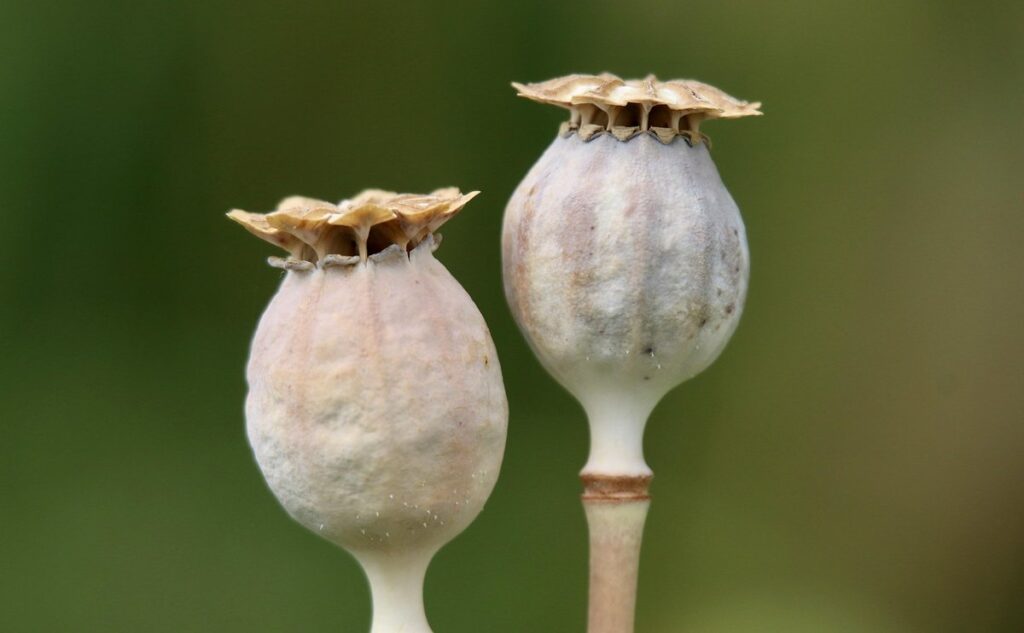
A seed bank is essentially a reservoir of seeds that are stored beneath the soil surface, either in a dormant state or as part of the active plant population. These seeds play a vital role in maintaining ecosystem balance and ensuring the long-term health of soils. Seed banks serve as a safeguard against environmental disturbances, such as natural disasters or human activities like deforestation or over-tillage.
The significance of seed banks lies in their ability to facilitate ecological recovery after disturbance events. When soil is exposed through erosion, landslides, or construction activities, seed banks can replenish the soil with new plant species. This helps maintain biodiversity and prevents ecosystem degradation. In fact, research has shown that seed banks can support up to 50% of a site’s plant diversity.
It’s essential to recognize that seed banks are not static entities; they constantly evolve as environmental conditions change. For example, after a fire, some seeds may become more viable due to increased light availability. By understanding and preserving seed banks, we can ensure the resilience of ecosystems and promote ecological sustainability. When separating soil, it’s crucial to minimize disturbance to these vital seed banks, allowing them to remain intact for future generations.
Factors that Contribute to Soil Disturbance and Damage to Seed Banks
Soil disturbance and damage to seed banks are often unintended consequences of various human activities. Tillage, for instance, can disrupt soil structure, breaking up seed bank dormancy and causing seeds to germinate prematurely. This not only affects the soil’s overall health but also compromises its ability to support future plant growth.
Compaction is another significant factor contributing to soil disturbance. When soil is compacted, it becomes denser and less hospitable to root development, effectively isolating seed banks from their potential for regeneration. Compaction can be caused by heavy machinery or even repeated foot traffic.
Human activities such as construction, mining, and intensive agriculture further exacerbate the issue. These practices often involve removal of topsoil, exposing underlying layers that may harbor seed banks. The resulting disturbance can lead to soil degradation, reduced fertility, and decreased biodiversity.
Assessing the Risk of Seed Bank Damage during Soil Separation
When separating soil, it’s essential to carefully assess potential risks to seed banks, as even minor disturbances can have significant long-term consequences on ecosystem health. This section will walk you through those crucial considerations.
Identifying Areas with High Seed Bank Potential
When assessing the risk of seed bank damage during soil separation, it’s essential to identify areas with high seed bank potential. These areas are typically characterized by a mix of factors such as previous land use, topography, and climate. For instance, fields that have been converted from grasslands or meadows are more likely to harbor a rich seed bank due to the continued presence of native vegetation.
Targeting these areas carefully during soil separation is crucial to minimize disturbance. To do this, consider mapping your field based on factors such as slope gradient, aspect, and previous land use. You can also use historical records of crop yields, weather patterns, or soil erosion rates to identify areas that may harbor a higher seed bank.
When selecting which areas to prioritize, remember that it’s not just about avoiding disturbance but also maintaining ecosystem services. By carefully targeting these areas, you can ensure that your soil separation efforts do more good than harm and preserve the natural resilience of your soil.
Evaluating Soil Type and Structure for Seed Bank Presence
When evaluating the potential for seed bank presence, it’s essential to consider the soil type and structure. Different soils have varying capacities to store seeds due to their texture and composition.
Clay-rich soils, for instance, tend to retain moisture and nutrients better than sandy or silt-based soils. This makes clay soils more likely to harbor a robust seed bank. On the other hand, sandy soils drain quickly, reducing the likelihood of long-term seed storage. Silt soils often exhibit intermediate characteristics between sand and clay.
To assess soil structure for potential seed banks, examine the soil’s texture by performing a simple test: knead a small amount of moistened soil until it becomes pliable. If it sticks together and forms a cohesive ball, it indicates high clay content. A crumbly or easily breakable consistency suggests a sandy composition.
Understanding your soil type is crucial in determining the best practices for separation to minimize seed bank disturbance.
Separation Techniques to Minimize Damage to Seed Banks
To effectively separate soil from seed banks, you’ll need to employ specialized techniques that minimize disturbance and preserve delicate seeds. We’ll explore the most effective methods in this section.
Hand-Digging and Manual Separation Methods
When working with seed banks, it’s essential to use separation techniques that are gentle and non-invasive. Hand-digging and manual separation methods can be effective alternatives to mechanical digging and sieving. These methods involve manually excavating soil layers and separating them based on density or texture.
To hand-dig effectively, start by gently loosening the top layer of soil using a small spade or trowel. Then, use your hands or a garden fork to carefully break up any large clods and separate the soil into distinct layers. It’s crucial to work slowly and deliberately to avoid compacting the soil or damaging any embedded seeds.
Manual separation techniques can also be employed by sorting through the excavated soil using a series of sieves or mesh screens with varying hole sizes. This method allows you to carefully select specific grain sizes while leaving intact any larger particles that may contain seeds. By taking your time and working methodically, hand-digging and manual separation can be valuable tools in minimizing damage to seed banks during the excavation process.
Mechanical Separation Methods with Minimal Disturbance
When working with sensitive seed banks, it’s essential to employ mechanical separation methods that minimize soil disturbance while effectively separating the soil. Two effective techniques are air separators and water jets.
Air separators use a stream of air to lift and separate particles based on their density and size. This method is particularly useful for finer-grained soils where other separation techniques may cause excessive disturbance. By adjusting the air flow rate, you can control the level of separation, reducing the risk of damaging seed bank materials.
Water jets, also known as hydro-separation, use a high-pressure water stream to separate particles based on their size and shape. This method is more aggressive than air separators but can be effective for coarser soils where seed banks are buried at greater depths. The key is to adjust the water pressure and flow rate to minimize soil displacement while achieving adequate separation.
When using either of these methods, it’s crucial to monitor the soil’s behavior and adjust the settings accordingly. This may require trial-and-error testing or consultation with a specialized expert. By choosing the right mechanical separation method and adjusting its parameters carefully, you can significantly reduce soil disturbance and protect your seed bank during the separation process.
Best Practices for Soil Separation in Areas with High Seed Bank Potential
When working in areas with high seed bank potential, it’s crucial to employ specialized techniques to minimize soil disturbance and preserve these valuable seeds. This section will walk you through our recommended best practices for successful separation.
Pre-Soil-Separation Site Preparation
Before commencing soil separation work, it’s crucial to prepare the site properly. This involves identifying areas with high seed bank potential and taking measures to protect them. To begin, survey the site thoroughly to identify seed bank-rich zones, such as old growth forests, riparian areas, or undisturbed grasslands. Mark these areas clearly on your maps and plans.
Once you’ve identified the sensitive zones, take steps to minimize disturbance. This might involve relocating equipment or machinery to avoid compacting soil in these areas or using specialized tools that won’t damage seed bank populations. It’s also essential to communicate with your team about the importance of protecting these areas.
In some cases, it may be necessary to implement additional site-specific measures, such as seeding or planting native vegetation in disturbed areas to help restore soil health and seed bank biodiversity.
Strategies for Separating Soils While Preserving Seed Banks
When separating soils in areas with high seed bank potential, it’s essential to employ strategies that minimize damage to these valuable resources. One approach is to use specialized equipment designed specifically for gentle soil separation. For instance, a mini-excavator or a backhoe with a hydraulic thumb can be used to carefully excavate and separate the soil without disrupting the underlying seed bank.
Another technique is to adjust your separation methods to reduce disturbance. This might involve using hand tools such as trowels or shovels to gently loosen the soil, allowing for easier separation while minimizing the risk of compacting the soil or damaging seeds. It’s also crucial to work slowly and methodically, taking regular breaks to inspect the area for signs of damage.
By implementing these strategies, you can reduce the impact on seed banks during soil separation.
Monitoring and Mitigating Damage to Seed Banks After Soil Separation
Once you’ve separated the soil, it’s essential to monitor for any damage to the seed bank and implement strategies to mitigate any harm caused during the process. This is crucial for maintaining ecosystem health.
Post-Separation Monitoring Protocols
After separating soil, it’s essential to monitor its health and seed bank presence to ensure that no damage has been done. This involves detecting signs of disturbance and developing strategies for rehabilitation.
Regular monitoring is crucial to identify potential issues early on. One method is to use visual inspections, where you observe the soil’s physical appearance, looking for signs of compaction, erosion, or other changes that may indicate seed bank disturbance. You can also collect soil samples for laboratory analysis to assess nutrient levels, pH, and microbial activity.
Another important aspect is detecting signs of seed germination or emergence. This could indicate that seeds have been disturbed, even if not visible. Monitor areas with high seed bank density closely, using techniques like seed traps or germination tests.
If you do detect signs of disturbance, don’t panic! The good news is that many soil ecosystems are resilient and can recover with proper care. Focus on rehabilitation strategies like re-vegetation, mulching, or incorporating organic amendments to restore the soil’s natural balance.
Techniques for Rehabilitating Damaged Seed Banks
When seed banks are damaged during soil separation, rehabilitation techniques can help restore their health and functionality. One effective method is introducing beneficial microorganisms into the affected area. These microorganisms, such as mycorrhizal fungi or nitrogen-fixing bacteria, promote a balanced ecosystem by improving soil fertility and structure.
To introduce these microorganisms, you can use various methods like inoculating the seed bank with a beneficial microbial mixture or applying a soil amendment that contains beneficial microbes. For example, using a compost tea bag or a liquid bacterial fertilizer can provide an instant boost to the microbial community.
Restoring native vegetation is another crucial aspect of rehabilitating damaged seed banks. Native plants have co-evolved with local microorganisms and are more likely to thrive in the affected area. By replanting native species, you create a habitat that fosters beneficial relationships between the microorganisms, plants, and soil.
Keep in mind that rehabilitation efforts should be tailored to the specific conditions of your seed bank. Factors like climate, soil type, and existing microbial community will influence the most effective approach. Consult with experts or conduct research to determine the best course of action for your damaged seed bank.
Conclusion: Effective Soil Separation Without Harm to Seed Banks
Now that you’ve learned how to minimize disturbance, let’s summarize the key takeaways on effective soil separation methods that protect seed banks for long-term sustainability.
Recap of Key Strategies and Best Practices
When separating soils without causing harm to seed banks, it’s essential to recall the critical strategies outlined throughout this guide. To recap, a combination of careful planning, precise execution, and mindful monitoring is key.
One crucial aspect to keep in mind is the importance of site characterization. This step involves assessing the soil composition, terrain features, and potential disturbance zones. By doing so, you’ll be able to identify areas that require extra caution or specialized treatment. For instance, if your project involves excavating a sloping area, you may need to implement additional stabilization measures to prevent soil erosion.
Another vital strategy is minimizing soil manipulation. This can be achieved through techniques like shallow excavation, partial removal of affected soil layers, and using specialized equipment designed for seed bank preservation. It’s also essential to employ temporary storage solutions for displaced soils, which helps prevent unnecessary mixing or contamination.
Effective communication with stakeholders and project team members is equally vital. This includes collaborating with ecologists, engineers, and contractors to ensure everyone understands the sensitivity of the site and the importance of preserving seed banks. Regular monitoring and assessments throughout the separation process will help identify potential issues before they become significant problems.
Lastly, consider implementing best practices for post-separation restoration. This may involve reintroducing native plant species, reestablishing vegetation cover, or conducting follow-up monitoring to ensure soil health is restored. By following these key strategies, you can minimize disturbance and preserve seed banks while still achieving your project objectives.
Frequently Asked Questions
Can I use a mechanical separator with a rotating drum for soils with high seed bank potential?
Yes, but it’s essential to choose a drum that is designed with minimal disturbance and has adjustable speed control to minimize the risk of damaging sensitive seeds. Regular maintenance and calibration are also crucial to ensure optimal performance.
How can I determine if I’m causing damage to the seed bank during separation?
Pay attention to changes in soil color, texture, or structure after separation. If you notice any significant differences, it may indicate that some seed banks have been disturbed. Monitor the area closely for signs of regeneration and adjust your techniques accordingly.
What’s the best way to handle soils with dense root systems when trying to separate without damaging the seed bank?
Use a combination of hand-digging and manual separation methods, working gently around the roots to avoid causing further damage. You can also use specialized tools like soil sifters or rakes designed for gentle separation.
Can I reuse soil that has been previously disturbed during other projects?
While it’s possible to reuse disturbed soil, it may not be ideal for preserving seed banks. Disturbed soils often have lower nutrient levels and reduced fertility, which can hinder the growth of new plants. Consider mixing in organic amendments or compost to improve soil health before reusing.
How do I know if a mechanical separator is suitable for my specific soil type and structure?
Research the manufacturer’s recommendations for your specific soil type and consider consulting with an expert if you’re unsure. Some separators are designed specifically for certain types of soils, so it’s essential to choose one that matches your needs.