
When cooking or baking with apples, measuring them accurately can be a challenge. You might have heard the term “bushel” thrown around, but do you know exactly how many apples that really is? A bushel of apples may seem like a mysterious quantity, but understanding its size and weight can make all the difference in your recipes. In this article, we’ll delve into the history behind measuring apples by the bushel, explore the standard measurement units used, and discuss real-world applications in cooking and baking. By the end of it, you’ll know exactly how to measure a bushel of apples with confidence, making your next apple-filled recipe a success. Whether you’re a seasoned chef or an enthusiastic home cook, learning about measuring by the bushel will elevate your skills and help you achieve perfect results every time.
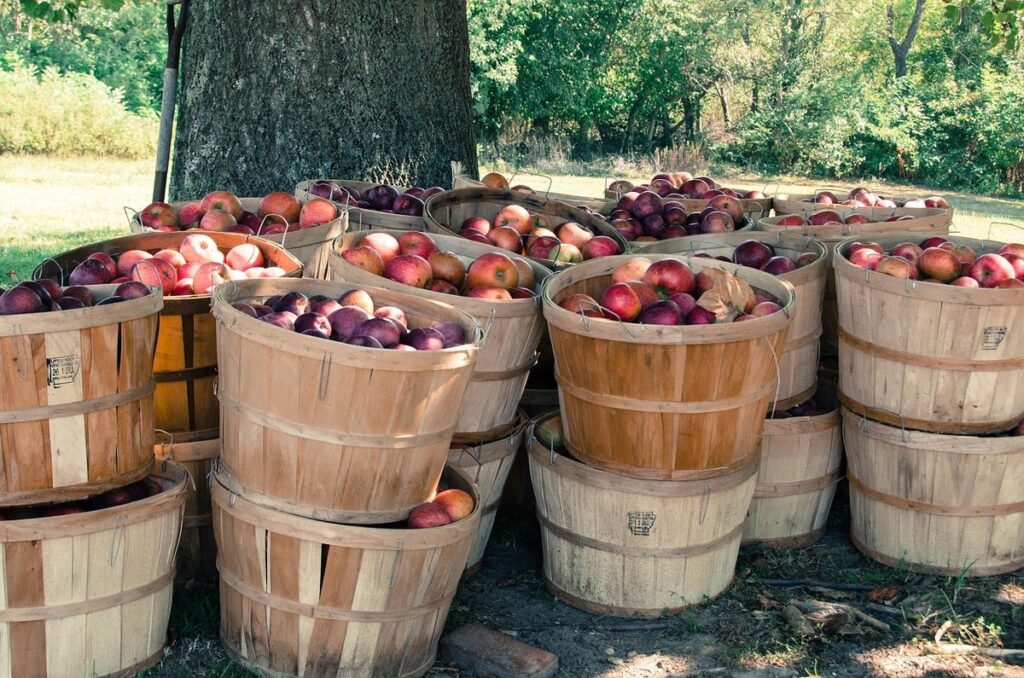
The Definition of a Bushel
So, you’re curious about what exactly constitutes a bushel of apples? Let’s explore the official definition and how it’s measured to give you a better understanding.
What is a Standard Unit of Measurement?
A bushel is an imperial unit of measurement that has been used for centuries to measure dry goods, including apples. This age-old standard has its roots in medieval England, where it was originally defined as the volume of grain or other dry commodities contained in a container with specific dimensions.
In 1824, the British Parliament standardized the bushel’s definition, making it the official unit of measurement for dry goods. This decision had far-reaching implications, as it ensured consistency and accuracy across trade and commerce. The standardization process was not limited to England; other countries soon adopted similar definitions, and today, the bushel remains a widely recognized unit of measurement.
To put the bushel’s size into perspective, consider this: in the United States, a bushel of apples is equivalent to 4 pecks or 8 gallons. To measure a bushel of apples accurately, you can use a container with dimensions of 18.5 inches wide x 14 inches long x 16 inches deep, with its capacity being roughly 35 pounds when filled with whole apples.
The simplicity and practicality of the bushel as a unit of measurement have contributed to its enduring popularity among farmers, merchants, and consumers alike.
Historical Context of the Bushel Measure
The concept of the bushel measure has its roots in medieval England, where it was used to quantify dry commodities such as grain, coal, and even beer. At that time, trade and commerce relied heavily on standardized units of measurement to ensure fairness and accuracy in transactions.
In those days, a bushel was typically defined as a volume of 2,150.42 cubic feet or about 35 imperial gallons. This measure allowed merchants and traders to efficiently store and transport large quantities of dry goods, facilitating the exchange of commodities across regions.
The use of the bushel for measuring grain, in particular, became widespread due to its practicality and precision. Grain was a staple crop, essential for food and sustenance, so accurate measurement was crucial for trade. Beer, also considered a vital commodity, used the bushel as a unit of measurement due to its bulk storage requirements.
The historical context of the bushel measure provides valuable insight into how this system has been adapted over time to accommodate various commodities, including fruit like apples. Understanding its origins and evolution is essential in appreciating the significance of the bushel’s role in modern-day trade and commerce.
The Measurement Standards
To understand just how large a bushel of apples is, let’s take a closer look at the measurement standards that determine its size. A standard bushel is actually quite substantial.
The US Dry Volume System
In the United States, the measurement standard for a bushel is defined by the US Dry Volume System. This system is used to measure dry goods, and it’s essential to understand its specifics when dealing with quantities like apples. A bushel is officially defined as 35 pounds or 2150 cubic inches of volume under this system.
To put these numbers into perspective, consider that a standard apple weighs about 3 ounces. So, a 35-pound bushel would contain approximately 1058 apples, assuming an average weight per apple. This may seem like a lot, but it’s actually a manageable quantity for many farmers and orchards.
It’s worth noting that this measurement standard is specific to dry goods, including fruits like apples. When dealing with fresh produce, other factors like moisture content and density come into play, which can affect the actual weight of the fruit. However, when using the US Dry Volume System as a reference, it provides a reliable basis for estimating quantities of dried or processed apple products.
Comparing Measurements: Cups to Bushels
Measuring ingredients in cups is a common practice for home cooks and bakers, but it’s crucial to understand how these measurements translate to larger quantities like a bushel of apples. To put this into perspective, a standard cup can hold about 3.5 ounces of dry ingredients or 8 fluid ounces of liquid. However, when it comes to measuring produce like apples, the weight and volume are not directly equivalent.
A bushel of apples typically weighs around 42 pounds and contains approximately 112-120 individual apples, depending on their size and variety. To give you a better idea, let’s consider the following example: if your recipe calls for 2 cups of chopped apples, that would be roughly equal to 1 pound or 4-6 medium-sized apples. When scaling up recipes, keep in mind that you’ll need about 21-24 pounds of apples to make one bushel worth of chopped apples, which is a significant increase from the 1-pound measurement.
When purchasing supplies, it’s essential to understand these conversions to avoid over or underbuying ingredients.
Calculating the Volume of Apples
So, you want to calculate the volume of apples for your own bushel estimate? We’ll break down how to measure and calculate the volume of an average apple.
What Does 1 Cup of Apple Measure?
Understanding what 1 cup of apple measures is essential for calculating the volume of apples needed for a recipe or project. To put this measurement into perspective, let’s break it down. One cup of sliced apples typically weighs around 8 ounces (225g), while chopped apples are usually more dense and weigh about 5-6 ounces (140-170g) per cup.
When working with whole apples, the weight can vary significantly depending on their size and variety. For instance, a medium-sized apple might weigh around 3-4 ounces (85-115g), while a larger one could be closer to 5-6 ounces (140-170g). To give you a better idea, here’s how these weights translate to bushels: a standard bushel of apples is equivalent to about 112 pounds. So, if your recipe calls for 2 cups of chopped apples, that’s roughly equal to 10-12 ounces or about 0.25 pounds.
To accurately calculate the volume of apples needed, consider using digital kitchen scales to measure their weight in grams or ounces. This ensures you’re getting the right amount without having to worry about variations in apple size or density.
The Weight of an Average Apple
When it comes to estimating the total weight of a bushel of apples, understanding the average weight of an individual apple is crucial. However, as you might expect, the weight of apples can vary significantly depending on several factors.
The primary factors affecting an apple’s weight are its variety, size, and ripeness level. For instance, a large Granny Smith apple can weigh up to 3 ounces more than a small Red Delicious one. Moreover, apples that have reached optimal ripeness will be heavier than those picked before they’re fully ripe.
To put this into perspective, a typical apple weighs around 2-3 ounces (50-80 grams). However, these weights are averages, and actual values can range from as little as 1 ounce to as much as 4 ounces or more. To get an accurate estimate of the total weight of your bushel, it’s essential to know not just the average but also the distribution of apple sizes in your batch.
How Many Apples Are in a Bushel?
So you’re wondering how many apples are actually packed into that big basket we call a bushel. Let’s dive into the exact number.
Estimating Apple Numbers Based on Weight
Let’s estimate the number of apples typically found in a standard 42-pound bushel. Recall that we previously established an average apple weight of around 0.25 pounds per apple. With this information, we can calculate the total number of apples by dividing the bushel weight (42 pounds) by the average apple weight.
Using our estimated value, we divide 42 pounds by 0.25 pounds per apple to get approximately 168 apples in a standard bushel. This calculation gives us a rough estimate but keep in mind that actual numbers may vary depending on factors such as apple variety and size.
For comparison, a more commonly accepted estimation of the number of apples in a bushel is around 120-140 apples. However, this range can be quite broad due to varying weights and sizes among different types of apples.
When purchasing or working with large quantities of apples, it’s essential to consider these estimates to plan accordingly for storage and distribution needs.
Variations in Apple Size and Shape
Apples come in a wide range of shapes and sizes, which can make it difficult to estimate the exact number of apples in a bushel. For example, the popular Granny Smith variety tends to be smaller and more compact than the larger, sweeter Gala apples. Similarly, some heirloom varieties like the Golden Delicious are known for their distinctive shape, often being longer and thinner than other types.
When calculating the number of apples in a bushel, it’s essential to consider these variations. A standard bushel of apples typically contains between 100 and 125 pounds of fruit. However, if you’re working with smaller or larger apple varieties, this weight can fluctuate significantly. For instance, using more compact varieties like the Granny Smith might result in 120-150 pounds of fruit per bushel, while larger varieties could weigh as little as 80-90 pounds.
To ensure accuracy when shopping for apples, it’s a good idea to specify your preferred variety or size range when purchasing from a wholesale supplier. This will help you get closer to the weight and number of apples you need for your specific recipe or project.
Real-World Applications: Cooking, Baking, and More
You might be wondering how a bushel of apples applies to everyday life, so let’s explore some real-world scenarios where this measurement comes in handy. From baking pies to canning sauces, a bushel of apples is more useful than you think!
Using Bushels in Recipes and Projects
When working with bushels of apples, it’s essential to understand how to properly utilize them in recipes and projects. For instance, if a recipe calls for 3-4 pounds of sliced apples, you can use the following conversion: one bushel is equivalent to about 40 pounds. This means that a single bushel will yield multiple batches of your desired dish.
To make the most out of your bushel, consider breaking it down into smaller portions using various techniques such as coring and slicing or dicing. For example, you can use a mandoline to slice apples thinly for a crisp salad or a food processor to dice them quickly for a pie filling. When planning your recipe, keep in mind that a single bushel of apples can be used in multiple dishes, like making apple sauce, baking apple cinnamon muffins, or even creating a homemade cider.
For home cooks and bakers, having this understanding will allow you to confidently tackle large-scale recipes and projects without feeling overwhelmed.
Buying and Storing Apples by the Bushel
When buying apples by the bushel, it’s essential to understand that not all suppliers or orchards will have the same size and weight of a standard bushel. To ensure you’re getting the right quantity, communicate with your supplier beforehand to confirm their definition of a bushel.
When storing fresh apples in a bushel, keep them away from direct sunlight and heat sources. Store them in a cool, dry place with good ventilation to maintain optimal freshness. Keep the apples separated from other fruits and vegetables to prevent ethylene gas buildup, which can cause spoilage.
If you’re purchasing directly from an orchard or supplier, consider asking about their storage conditions for bushels. Some may have dedicated facilities for storing fresh produce, while others might not. Knowing this information can help you plan your storage space accordingly.
Before accepting a shipment of apples by the bushel, inspect the fruit carefully for any visible signs of spoilage or damage. This will ensure that you’re getting the highest quality apples and minimize waste in the long run.
Frequently Asked Questions
We’ve had some great questions come in about bushels of apples, and we’re happy to provide some answers. Below, you’ll find our responses to some of the most common inquiries.
Common Misconceptions About Bushels
One common misconception about bushels is that they are equivalent to a specific volume of fruit, such as 42 pounds. However, this assumption is not entirely accurate. A standard bushel of apples is actually defined by weight, with one bushel being equal to 40 pounds, but it can also be measured by volume, depending on the type and size of the apples.
Another misconception is that a bushel is always rectangular in shape. While some bushels may have a more traditional wooden or plastic crate design, others can come in compact boxes or bags that are specifically designed for transportation or storage.
To clarify any confusion, it’s essential to understand that a bushel is simply a unit of measurement used to quantify the weight or volume of produce. It doesn’t necessarily indicate the size, shape, or quantity of apples within it. When purchasing or selling apples by the bushel, it’s crucial to know exactly what you’re getting – whether it’s based on weight or volume – to avoid any misunderstandings.
Conclusion: Mastering the Art of Measuring Apples by the Bushel
Now that you’ve grasped the concept of a bushel of apples and its measurement standards, it’s time to summarize the key takeaways. By mastering this art, you’ll be well-equipped to tackle various cooking and baking tasks with confidence.
One of the most significant benefits of understanding how large a bushel of apples is, lies in its real-world applications. Whether you’re a home cook, a professional baker, or simply someone who loves experimenting with new recipes, this knowledge will serve as a valuable resource. You’ll be able to accurately measure ingredients for your favorite apple-based dishes, avoid common mistakes, and even start exploring more complex recipes.
To put this newfound understanding into practice, try using the bushel measurement when planning your next cooking or baking project. Measure out the required amount of apples based on the recipe’s specifications and compare it to a standard bushel unit. This will give you a tangible sense of just how large 42 pounds of apples is. With time and practice, you’ll become proficient in measuring by the bushel, making your culinary endeavors even more enjoyable and stress-free.
Frequently Asked Questions
Can I use a bushel of apples for canning or preserving, or is it better suited for cooking and baking?
Yes, you can use a bushel of apples for various purposes, including canning and preserving. The volume of a bushel allows for flexible usage in different recipes and projects, making it a great choice for those who want to explore multiple ways of using their apples.
How do I accurately measure the weight of my apple harvest if I don’t have a scale that measures in pounds or kilograms?
To weigh your apple harvest without a digital scale, you can use a spring scale or a traditional mechanical balance. These tools are often found in hardware stores and can provide accurate measurements. It’s also worth noting that some markets may have scales available for public use.
What happens if the apples in my bushel vary significantly in size? Does this affect the overall volume of the measurement?
Variations in apple size within a bushel do not significantly impact the overall volume of the measurement. However, if you’re planning to use your apples for cooking or baking, it’s essential to adjust your recipes accordingly based on the average and range of sizes.
Can I convert a standard unit of measurement (like pounds) directly into a bushel, or are there other considerations?
While direct conversions from pounds to bushels can be made using the density of apples, this method is not always straightforward due to variations in apple size and type. For most practical purposes, it’s easier to focus on volume measurements or use online tools that provide accurate conversions.
What if I’m buying apples by the bushel for a large event or commercial application? Are there any special considerations or certifications to look out for?
When purchasing apples by the bushel for commercial use, ensure you’re working with certified and reputable suppliers. Look for compliance with relevant health and safety standards, as well as documentation of quality control measures in place.