
Measuring and seeing germination rates can be a crucial step in gardening, as it gives you an idea of how successful your seeds are at sprouting. But did you know that accurately measuring germination rates involves more than just planting seeds and waiting for them to grow? In this article, we’ll walk you through the process of preparing your seeds, choosing the right measurement methods, and interpreting the results to get a clear picture of your seed’s germination rate.
We’ll cover everything from how to prepare your seeds for accurate measurements to understanding different types of germination tests and calculating your results. By following our comprehensive guide, you’ll be able to see exactly how many of your seeds are sprouting and what adjustments need to be made to improve the process.
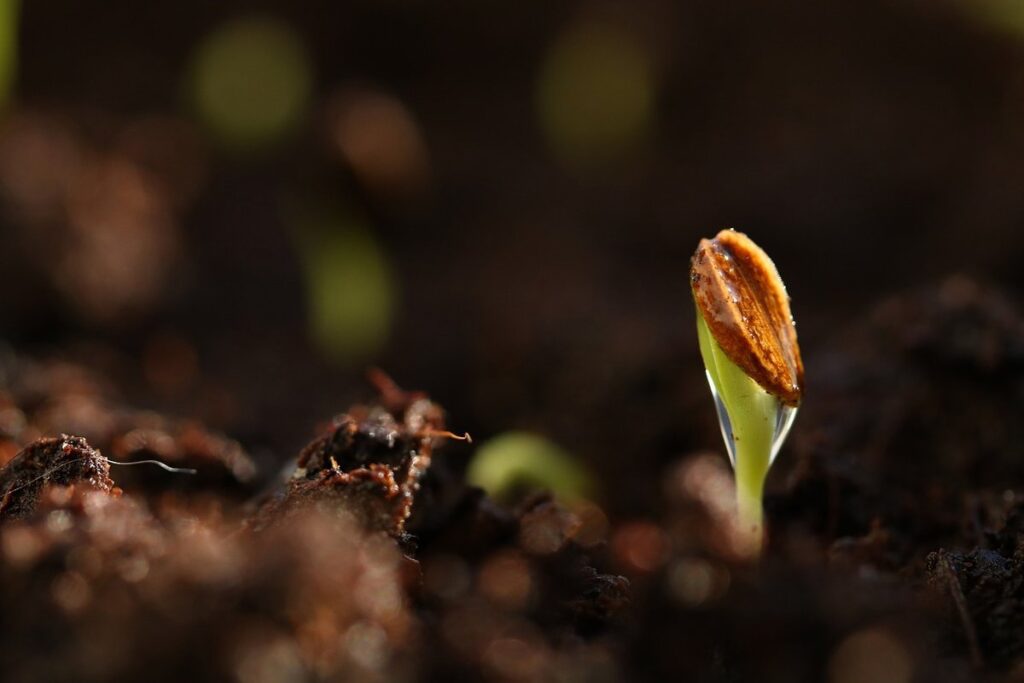
Understanding Germination Rates
So, what exactly is a germination rate, and how can you measure it? We’ll break down the factors that affect germination rates and show you how to accurately track them in your own garden.
What is Germination Rate?
Germination rate is a critical metric that measures the percentage of seeds that successfully sprout and grow within a given timeframe. It’s an essential indicator of seed quality and plays a significant role in determining crop yield. When evaluating germination rates, you’re essentially assessing how well-suited the seeds are to their environment.
A high germination rate indicates that seeds are viable and capable of producing healthy plants. Conversely, low germination rates can lead to reduced crop yields, lower plant density, and increased costs associated with replanting or reseeding. This is particularly relevant for agricultural industries where seed quality directly impacts bottom-line profits.
To put this into perspective, a 5% reduction in germination rate can translate to significant losses for farmers. For instance, if a farm typically harvests 10 tons of wheat per acre and their seeds have a 90% germination rate, a 5% decrease could result in an additional $25,000 in lost revenue.
When interpreting germination rates, it’s essential to consider factors like seed type, storage conditions, and environmental influences. Understanding the intricacies of germination rates empowers you to make informed decisions about seed selection, handling, and storage, ultimately contributing to more resilient crops and enhanced crop yields.
Factors Affecting Germination Rate
When it comes to achieving optimal germination rates, several key factors come into play. Temperature is one of the most significant influencers, with most seeds requiring a specific temperature range to germinate. For instance, lettuce and spinach seeds thrive in cooler temperatures between 40°F to 70°F (4°C to 21°C), while warm-season crops like tomatoes and peppers need temperatures above 55°F (13°C) to initiate germination.
Moisture is another crucial factor, as excessive or insufficient water can impede or prevent germination altogether. Typically, seeds require consistent moisture during the first few weeks after sowing, with some requiring a period of drying before rehydration. Light exposure also affects germination rates, with seeds requiring either light or darkness to initiate growth.
Seed viability is another critical factor that should not be overlooked. This refers to the seed’s inherent ability to germinate and grow. To assess viability, conduct a simple test by placing 10-20 seeds between two damp paper towels. If at least 80% of the seeds sprout within three days, it indicates high viability.
It’s also worth noting that some factors can be controlled or manipulated to optimize germination rates, such as using seed starting mixes specifically designed for optimal moisture and nutrient levels.
Preparing Seeds for Measurement
Before measuring germination rates, it’s essential to prepare your seeds properly. This includes cleaning and drying them to ensure accurate results.
Cleaning and Sanitizing Seeds
Cleaning seeds properly is crucial to ensure accurate measurement results. Before measuring, separate seeds from debris and contaminants, which can affect germination rates. Use a soft-bristled brush to gently sweep away loose dirt and particles.
For thorough cleaning, submerge the seeds in distilled water for 24-48 hours. Change the water every 12 hours to prevent bacterial growth. You can also soak the seeds in a 3% bleach solution (1 part bleach to 9 parts water) for 10-15 minutes to sanitize them. However, be cautious not to over-saturate the seeds.
To maintain a clean workspace, dedicate a specific area for seed preparation and measurement. Use a microscope slide or a tray with a grid pattern to organize seeds and prevent mixing up samples. Regularly wash your hands and equipment with soap and water to prevent cross-contamination. Labeling each sample with its unique identifier will also help you track results accurately.
Drying Seeds for Optimal Germination
Drying seeds to optimal moisture levels is crucial for accurate germination testing. When seeds are too wet, they can’t be stored properly, leading to inconsistent results and reduced shelf life. On the other hand, dry seeds may not absorb water evenly during testing, causing inaccurate readings.
There are two common methods of drying seeds: air drying and using desiccants. Air drying involves spreading seeds out in a single layer on paper towels or a clean cloth, allowing them to air dry slowly over several days. This method is gentle but can take time, especially for large quantities.
Desiccants, like silica gel or calcium chloride, are more efficient and can dry seeds quickly. Simply place the desiccant in an airtight container with the seeds, seal it tightly, and let it sit for 24-48 hours. This method is ideal for small batches or when time is of the essence.
To achieve optimal moisture levels for germination testing, aim for a moisture content between 5% to 15%. Seeds should be dry enough to crumble easily but still retain some flexibility. You can check this by breaking open a seed; if it’s too hard, it may not be properly hydrated. If you’re unsure, consult the seed packaging or manufacturer guidelines for specific recommendations on drying and moisture levels.
Measuring Germination Rates
To accurately measure germination rates, you’ll need to track and record the number of seeds that sprout over a set period of time. Let’s dive into some practical methods for doing just that!
The Water Test: A Simple Method
The water test is a simple yet effective method for measuring germination rates. To perform this test, you will need a container filled with water, a thermometer, and the seeds you want to test.
First, fill the container with room temperature water (around 20-25°C). Next, carefully place the seeds in the water, making sure not to overcrowd the container. Then, observe the seeds over time – usually between 2-5 days for most species.
Record the number of seeds that have germinated by this point and calculate the percentage using a standard formula: (number of germinated seeds / total number of seeds) x 100%. Keep in mind that some seeds may be sensitive to water, so make sure to handle them gently.
While the water test is straightforward, it does come with some limitations. This method can’t account for factors like seed viability or dormancy, and its results might not directly translate to optimal growing conditions. However, when used in conjunction with other methods, the water test provides a quick and reliable way to assess germination rates at the initial stages.
Paper Towel or Blotter Method
The paper towel or blotter method is another popular approach for measuring germination rates. This method involves placing seeds between two layers of paper towels or a blotter to maintain high humidity and monitor seedling emergence.
To implement this method, you’ll need the following materials: paper towels or a blotter, a clear plastic bag or a sealable container, water, and a ruler or measuring tape. Place one layer of paper towel or blotter in the bottom of the container, followed by a single row of seeds. Cover the seeds with another layer of paper towel or blotter, then add water until the towels are saturated but not waterlogged.
The paper towel method is relatively easy to set up and maintain, making it accessible for gardeners and researchers alike. However, it may be less accurate than other methods, such as the petri dish method, due to factors like seed settling or uneven moisture distribution. Nevertheless, this method can still provide reliable results with proper care and attention.
Interpreting Germination Rate Results
Now that you’ve collected your germination rate data, it’s time to make sense of what it means. Let’s dive into interpreting these results and understand what they indicate for your seeds’ viability.
Understanding Germination Percentage
Calculating germination percentage is essential to accurately assess seed viability and quality. To do this, simply divide the number of seeds that have germinated by the total number of seeds tested, then multiply by 100 to convert it into a percentage. For instance, if you planted 50 seeds and 20 sprouted within the first week, your germination percentage would be (20/50) x 100 = 40%.
Understanding what constitutes an acceptable germination rate for different crops is crucial. Legumes, such as beans and peas, typically require a higher germination rate of around 70-80%. For larger seeds like corn or squash, the expected range is slightly lower at 60-75%. If you’re working with smaller seed types, like petunias or marigolds, a minimum of 50% germination rate is usually acceptable.
Keep in mind that these are general guidelines and can vary depending on factors such as climate, soil quality, and storage conditions. It’s also worth noting that germination rates may fluctuate between batches of the same seed type due to differences in seed quality or processing.
Factors Affecting Variability in Results
When working with germination rate measurements, it’s essential to consider the factors that can contribute to variability. These factors can be broadly categorized into two main areas: equipment errors and environmental influences.
Equipment errors may seem minor, but they can significantly impact results. For instance, differences in temperature or humidity settings between devices can affect seed behavior. To minimize these effects, ensure all equipment is calibrated regularly and follow a standardized protocol for measurements. Additionally, consider investing in high-quality equipment designed specifically for germination rate testing.
Environmental influences are also crucial to consider. Factors such as light exposure, air circulation, and seed storage conditions can all impact germination rates. For example, seeds stored at extreme temperatures or exposed to intense light may have reduced viability. To mitigate these effects, maintain consistent environmental conditions throughout the measurement process and ensure proper storage of seeds before testing.
To minimize variability in results, consider using multiple devices or replicating measurements for each batch of seeds. This helps account for any equipment or environmental differences that may occur. By being aware of these potential factors and taking steps to control them, you can increase the accuracy and reliability of your germination rate measurements.
Advanced Techniques for Measuring Germination Rates
Now that you have a solid understanding of the basics, let’s dive into some more advanced techniques for measuring germination rates, including using specialized tools and software. These methods will take your seed counting to the next level!
Using Controlled Environment Chambers
Controlled environment chambers (CECs) are specialized facilities that allow for precise control over temperature and humidity levels. This technology has revolutionized the way researchers measure germination rates by providing a controlled environment that mimics real-world conditions with pinpoint accuracy.
One of the significant benefits of using CECs is their ability to simulate various environmental scenarios, including temperature fluctuations, drought stress, and flooding. By doing so, scientists can study how seeds respond to different conditions, which is particularly useful for developing crops that are more resilient to extreme weather events.
For example, a study on soybean seed germination found that CECs allowed researchers to test the effects of temperature variability on seedling growth, leading to improved understanding and breeding strategies. However, using CECs can be costly and may require significant expertise in maintaining optimal conditions.
In practical terms, when setting up a CEC for measuring germination rates, it’s essential to calibrate the equipment meticulously and monitor parameters such as temperature, humidity, and light exposure. This ensures that the controlled environment accurately replicates real-world conditions, providing valuable insights into seed performance under different scenarios.
Non-Invasive Sensors and Monitoring Systems
Non-invasive sensors and monitoring systems have revolutionized the way we measure germination rates. One such technique is acoustic emissions (AE) sensing, which measures the sound waves emitted by seeds during germination. This method allows for real-time monitoring of seed vitality and can detect even slight changes in moisture levels or temperature fluctuations.
Another approach is electrical impedance spectroscopy (EIS), which uses electrical signals to monitor seed hydration and growth. This technique provides a non-invasive, continuous measurement of germination progress without causing any harm to the seeds.
The advantages of these techniques are numerous. For instance, AE sensing can detect early signs of water stress or nutrient deficiencies, enabling farmers to take corrective action before it’s too late. EIS, on the other hand, offers high precision and accuracy, making it an ideal choice for research applications. As these technologies continue to evolve, we can expect even more sophisticated monitoring systems that integrate multiple sensing modalities and provide real-time data analytics to inform decision-making.
Best Practices for Measuring Germination Rates
To accurately measure germination rates, it’s essential to follow some key best practices that ensure consistency and reliability in your results. This includes careful record-keeping and precise measurement techniques.
Maintaining Quality Control
Maintaining quality control throughout the measurement process is crucial to ensure accurate and reliable germination rates. This involves regular equipment calibration to prevent mechanical errors that can skew results. Calibration should be performed according to the manufacturer’s guidelines, and a log should be kept of maintenance and adjustments made.
Accurate data recording is also essential. Ensure that all measurements are recorded consistently, using standardized methods and units. This includes documenting variables such as seed type, sowing date, temperature, and humidity. A well-organized record keeping system can help identify patterns and trends in germination rates, allowing for adjustments to be made to improve results.
Regular quality control checks should also include monitoring of equipment performance, ensuring that instruments are functioning within acceptable tolerances. This may involve routine cleaning, replacement of worn parts, or recalibration as needed. By maintaining accurate records and regularly checking equipment, you can have confidence in the validity of your germination rate measurements.
Reporting Results and Improving Methodology
When it comes to reporting germination rate results, accuracy and transparency are crucial. This involves not only presenting the actual rates but also providing a clear explanation of the methodology used to obtain them. A good starting point is to perform statistical analysis on the data collected, which can help identify trends and patterns that may have been missed otherwise.
To add context to your findings, it’s essential to compare your results with industry standards for similar species or cultivars. This can be done by referencing reputable sources such as seed certification agencies or academic journals. By doing so, you’ll gain a better understanding of how your germination rates stack up against the norm.
When reporting your results, consider including metrics such as percentage of seeds germinated, mean germination time (MGT), and the standard deviation of MGT. This level of detail will enable others to evaluate the reliability and consistency of your data.
Continuous improvement is also key when measuring and reporting germination rates. Consider implementing changes in your methodology, such as adjusting temperature or light conditions, to see if this affects the outcome.
Frequently Asked Questions
What if I notice variability in my germination rate results? Is this normal?
Variability is a common issue when measuring germination rates, especially if you’re testing different seed batches or environments. It’s essential to identify and address potential causes of variation, such as temperature fluctuations or inconsistent moisture levels. Consider factors like soil type, light exposure, and humidity when interpreting your results.
How often should I take measurements during the germination process?
Regular monitoring is crucial for accurate measurement and understanding of seed germination rates. Typically, it’s best to record observations every 24-48 hours after planting, especially in the first week. This allows you to track progress, identify any issues, and make necessary adjustments.
Can I use a timer or automated system to simplify the measurement process?
Yes, using timers or automated systems can streamline your germination rate measurements. These tools can help ensure consistent data collection, reduce human error, and save time. Consider integrating technology into your measurement process for more accurate and efficient results.
What are some common mistakes I should avoid when preparing seeds for germination testing?
Mistakes like improper drying or over-handling seeds can significantly impact germination rates. Avoid these errors by following best practices: thoroughly dry seeds, handle them gently to prevent damage, and store them in a clean, airtight container.
How can I ensure the accuracy of my results when using non-invasive sensors and monitoring systems?
To guarantee reliable data from non-invasive sensors, it’s crucial to calibrate your equipment according to the manufacturer’s guidelines. Additionally, validate your setup by comparing sensor readings with traditional measurement methods for consistency. Regularly clean and maintain your sensors to prevent errors due to wear or contamination.