
Are you familiar with the lovely Maypop flower? Its delicate appearance belies its rich history, symbolism, and practical uses. From ancient civilizations to modern times, this enigmatic bloom has been cherished for its unique beauty and medicinal properties. As we delve into the enchanting world of Maypops, you’ll discover not only its captivating appearance but also its significance in various cultures and traditions. This article will take you on a journey through the history, symbolism, and uses of Maypop flowers, exploring their cosmetic applications, medicinal benefits, and more. Whether you’re a nature enthusiast, a history buff, or simply someone drawn to the mysterious charm of this flower, you’ll find something to appreciate in its story. Let’s start our exploration together!
History and Origins of the Maypop Flower
The maypop flower has a rich history that dates back centuries, with its origins deeply rooted in North American folklore and traditional healing practices. Let’s delve into its fascinating past.
Botanical Classification and Family
The maypop flower’s botanical classification is a fascinating topic that provides insight into its unique characteristics and relationships with other plants. Specifically, the maypop flower belongs to the Passifloraceae family and the genus Passiflora. This family of plants, commonly known as passionflower or granadilla, comprises over 550 species of vines, shrubs, and herbs native to tropical and subtropical regions around the world.
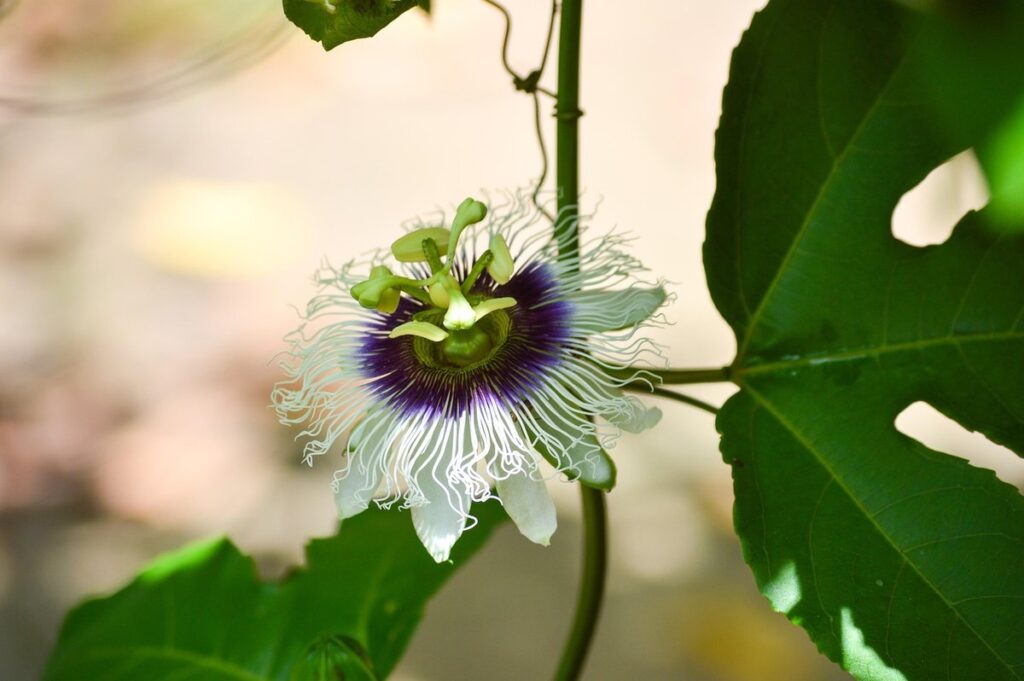
One of the distinguishing features of the Passifloraceae family is its diverse range of plant structures and growth habits. For instance, some members of this family are epiphytes, while others grow as terrestrial plants or even as lianas. The maypop flower’s own characteristics, such as its unique corona of filaments surrounding the reproductive organs and its distinctive fruit, reflect these adaptations.
Understanding the botanical classification of the maypop flower can also inform horticultural practices. For example, growers can leverage knowledge of the plant’s family relationships to identify suitable companion plants that complement the maypop’s growth habits or provide beneficial pollinator support.
Native Habitat and Distribution
The maypop flower is commonly found in the wild throughout the southeastern United States, specifically in the regions of Alabama, Arkansas, Florida, Georgia, Kentucky, Louisiana, Mississippi, North Carolina, Oklahoma, South Carolina, Tennessee, and Texas. It thrives in areas with full sun to partial shade and moist, well-drained soils.
In its native habitat, the maypop flower grows along woodland edges, streams, and roadsides, often forming dense patches of blooms. This adaptability is due to its ability to tolerate a wide range of soil types, from acidic to alkaline. However, it’s essential to note that the maypop flower prefers areas with moderate temperatures, typically between 65°F and 85°F (18°C and 30°C), making it ideal for USDA Hardiness Zones 6-9.
If you’re looking to cultivate the maypop flower in your garden, ensure that your area receives at least six hours of direct sunlight daily. Plant the flowers in a location with rich soil and provide regular watering to maintain moisture levels. Keep in mind that the maypop flower is relatively low-maintenance and can thrive in areas with minimal care.
Symbolism and Meaning of the Maypop Flower
The maypop flower is steeped in rich symbolism, holding a special place in many cultures as a representation of love, passion, and fertility. Let’s delve into its fascinating meaning.
Cultural Significance and Folklore
The maypop flower has been deeply ingrained in various cultures throughout history, reflecting its mystique and allure. In some African American traditions, the Maypop (Passiflora incarnata) is associated with fertility and abundance, as well as a connection to the spirit world. According to folklore, the plant was said to have healing properties, used by herbalists for treating various ailments.
In Native American cultures, particularly among the Cherokee and Iroquois tribes, the Maypop has been revered for its medicinal uses, including its ability to treat insomnia, anxiety, and even snake bites! The plant’s unique combination of passionflower alkaloids was believed to possess a calming effect on the nervous system. Similarly, in some Latin American countries, the maypop is considered a symbol of protection against evil spirits.
When exploring the cultural significance of this enchanting flower, it’s essential to remember that its perceived healing properties and spiritual connections are rooted in deep understanding and respect for nature. You can tap into these traditions by learning about the plant’s medicinal uses and incorporating them into your daily routine, such as using maypop tea or extracts for relaxation purposes.
Emotional and Spiritual Significance
The maypop flower has been imbued with emotional and spiritual significance across various cultures, reflecting its profound impact on individuals who encounter it. In many Native American traditions, the maypop represents transformation, renewal, and spiritual growth, often associated with the moon’s cycles. People have used this symbolism to tap into their own inner worlds, allowing for introspection and self-discovery.
Some practitioners of herbalism also view the maypop as a powerful tool for emotional healing. They use its essence in rituals to calm anxiety and soothe emotional wounds, helping individuals connect with their hearts and rediscover balance within themselves. By embracing the maypop’s energy, you can cultivate inner peace and tap into your own emotional resilience.
In personal growth practices, the maypop flower is sometimes used as a catalyst for introspection and self-reflection. People are encouraged to quiet their minds, allowing the gentle power of the maypop to awaken their intuition and guide them toward hidden aspects of themselves. By tuning in to this symbolism, you can access deeper levels of consciousness and kindle your inner spark.
Physical Characteristics and Appearance
The maypop flower boasts a unique appearance, featuring delicate white petals and prominent yellow stamens, set against a backdrop of heart-shaped leaves. Its physical characteristics make it a beautiful addition to any garden or bouquet.
Description and Color Variations
The maypop flower is a breathtaking sight to behold, with its delicate appearance belied by its resilient nature. This beautiful bloom typically boasts a vibrant yellow color, although it can also be found in shades of orange and white. The petals are usually cup-shaped, with a slightly curved edge, and are often adorned with fine hairs that give them a soft, velvety texture.
In terms of size, the maypop flower can grow up to 2 inches in diameter, making it a notable addition to any garden or wildflower arrangement. Its shape is quite distinctive, with five rounded petals that curve slightly outward from the center of the bloom. When viewed en masse, the flowers create a stunning display of color and texture that’s sure to captivate the senses.
One of the most striking aspects of the maypop flower is its ability to change color as it matures. While young blooms tend to be a bright yellow or orange hue, they often deepen in color as they age, taking on a more muted, golden tone. This subtle transformation adds an extra layer of interest and beauty to the already stunning maypop flower.
Fragrance and Texture
One of the most captivating aspects of the maypop flower is its unique fragrance and texture. As you gently touch the delicate petals, you’ll notice that they have a soft, almost velvety texture, inviting you to explore further. The scent, on the other hand, is a heady mix of sweet and subtle notes, often compared to a combination of honeysuckle and jasmine.
The fragrance of the maypop flower is particularly noteworthy during its blooming period in late spring and early summer, when it fills the air with its intoxicating aroma. This potent scent not only attracts pollinators like bees and butterflies but also captures the attention of anyone lucky enough to catch a whiff.
In terms of texture, the maypop’s delicate petals are extremely sensitive and can easily bruise or tear if handled roughly. To appreciate their unique texture, it’s essential to handle them with care and respect their fragile nature.
Uses and Benefits of the Maypop Flower
The maypop flower is a treasure trove of uses and benefits, from its calming effects to its potential medicinal properties that can improve your overall well-being. Let’s explore these practical applications!
Medicinal Properties and Applications
The maypop flower has been prized for centuries not only for its beauty but also for its potential medicinal properties. Research has shown that the plant contains a range of bioactive compounds, including flavonoids, alkaloids, and saponins, which are believed to be responsible for its therapeutic benefits.
Studies have demonstrated the anti-inflammatory and antimicrobial effects of maypop extracts, suggesting potential applications in wound healing and infection prevention. For example, one study found that a topical cream containing maypop extract was effective in reducing inflammation and promoting wound closure in diabetic rats.
Additionally, the plant has been traditionally used to treat various ailments, including fever, rheumatism, and digestive issues. While more research is needed to fully confirm its efficacy, the existing evidence suggests that maypop flower may be a valuable addition to traditional herbal medicine. If you’re interested in exploring the medicinal properties of maypop, consult with a qualified healthcare professional or experienced herbalist before using it for therapeutic purposes.
Cosmetic and Skincare Uses
The maypop flower’s versatility extends beyond its ornamental value, with its extracts and oils finding their way into various cosmetic and skincare products. This is due to the presence of compounds like flavonoids, terpenes, and saponins, which have been linked to anti-inflammatory and antioxidant properties.
Some notable uses include soothing skin irritations, reducing fine lines and wrinkles, and hydrating dry skin. Maypop oil can be used as a natural alternative to harsh chemical-based products, making it an attractive option for those with sensitive skin or seeking a more eco-friendly approach.
When using maypop-infused products, look for concentrations of around 10-20% to reap the benefits without overwhelming your skin. Be cautious, however, and patch test any new product before incorporating it into your skincare routine. Additionally, consider combining maypop oil with other natural ingredients like coconut or jojoba oil for enhanced moisturizing effects.
In some niche brands, you might find products that explicitly highlight their use of maypop extract as a key ingredient, often touting its ability to calm and rejuvenate the skin.
Growing and Caring for Maypop Flowers
To coax these beautiful flowers into bloom, you’ll need to provide them with well-draining soil and full sun to partial shade conditions. Regular watering is also essential for healthy growth.
Propagation and Planting Methods
To propagate maypop flowers, you have two primary methods at your disposal: division and seed propagation. Division involves splitting the roots of a mature plant to encourage new growth, which is an excellent approach for those already cultivating these flowers. This process typically takes place during the dormant season when the plants are not actively growing.
Seed propagation, on the other hand, requires patience as it may take several months or even years for the seeds to germinate and produce flowering plants. It’s also worth noting that seed-propagated maypop flowers might not retain their parent plant’s desirable traits. When planting maypops, ensure they receive full sun to partial shade and well-draining soil rich in organic matter.
In terms of care requirements, regular watering is crucial but be cautious not to overwater, as this can lead to root rot. Fertilize the plants sparingly during their growing season with a balanced fertilizer. Prune spent blooms regularly to promote healthy growth and encourage the production of new flowers. By following these guidelines, you’ll be well on your way to successfully cultivating maypop flowers in your garden or indoor space.
Maintenance and Pests/Diseases
Maintaining healthy maypop flowers is crucial for their beauty to last throughout the growing season. To keep them thriving, ensure they receive full sun to partial shade and well-drained soil rich in organic matter. Water regularly but avoid overwatering, which can lead to root rot.
Pests like aphids, whiteflies, and spider mites often target maypop flowers. These tiny insects can be controlled using neem oil or insecticidal soap applied according to the product’s instructions. For more severe infestations, introduce beneficial insects such as ladybugs or lacewings that prey on these pests.
Diseases like powdery mildew and leaf spot are also common issues for maypop flowers. Fungal diseases thrive in humid environments, so maintain good air circulation around your plants to prevent moisture buildup. Remove any infected leaves or stems, and treat the plant with a fungicide specifically designed for gardening. Regularly inspect your maypop flowers for signs of pests or diseases and take prompt action if you notice anything unusual. By staying vigilant and taking preventative measures, you can enjoy your enchanting maypop flowers all season long.
Conclusion: Appreciating the Maypop Flower’s Beauty and Significance
As we conclude our journey into the world of the maypop flower, it’s essential to appreciate its multifaceted beauty and significance. This enchanting bloom not only brings joy with its vibrant colors but also holds a rich history and symbolism that transcends cultures. By understanding the maypop flower’s significance, you can deepen your connection with nature and tap into its therapeutic properties. To make the most of this experience, take time to observe the maypop in its natural habitat, appreciate its intricate details, and learn about its medicinal uses.
Incorporating the maypop flower into your life can be as simple as growing it in your garden or using its extracts for a calming tea. By embracing the beauty and significance of this remarkable bloom, you’ll cultivate a greater appreciation for the natural world and unlock new ways to nurture your body and mind.
Frequently Asked Questions
What are some common household uses for the Maypop flower’s medicinal properties?
The maypop flower has been used to treat a variety of ailments, including insomnia, anxiety, and menstrual cramps. You can make a tea by steeping the dried flowers in hot water or use them as a topical ointment for skin irritations. Keep in mind that it’s essential to consult with a healthcare professional before using any new herbal remedy.
Can I grow Maypop flowers indoors if I don’t have outdoor space?
Yes, you can grow Maypop flowers indoors by providing them with the right conditions: bright indirect light and a well-draining potting mix. Make sure your container is at least 6-8 inches deep to accommodate the vine’s extensive root system.
How do I identify the different species of Passionflower in my region?
To identify the different species, focus on distinct characteristics such as flower size, color, and arrangement. Consult with a local nursery or gardening expert for guidance on identifying native species in your area.
Are there any potential allergens associated with Maypop flowers?
While rare, some people may experience skin irritation or allergic reactions to the sap of the Passionflower plant. Wear protective gloves when handling the vines, and be cautious if you have sensitive skin.
Can I use Maypop flowers for crafts and DIY projects in addition to their practical uses?
Absolutely! The delicate petals and intricate details make them an ideal choice for floral arrangements, wreaths, and other craft projects. Simply dry the flowers thoroughly before using them for your creative endeavors.