
Are you guilty of buying too many seeds, only to forget about them in your storage bin? Don’t worry, this is a common mistake even among experienced gardeners! The shelf life of seeds can be quite unpredictable, and it’s essential to understand how long they last to make the most out of your seed collection. Unfortunately, expired seeds won’t give you the desired results, and that’s where the problem begins.
In this article, we’ll take a closer look at the factors affecting seed lifespan and provide practical tips on extending their shelf life. We’ll also explore innovative storage methods and share some simple ways to test seed viability right in your own home. By understanding how long seeds last, you can save money by repurposing old seeds and make sure you have what you need for a successful harvest season ahead.
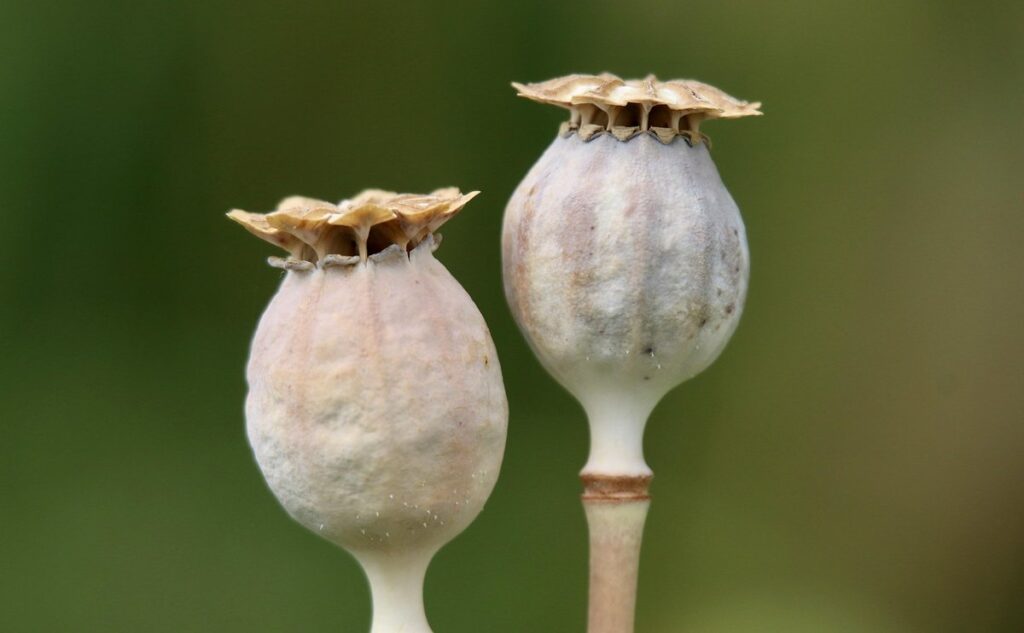
Understanding Seed Lifespan
When storing seeds, it’s essential to consider their lifespan and how long they remain viable. Let’s dive into understanding seed lifespan and how factors affect its shelf life.
Factors Affecting Seed Viability
Seed viability is heavily influenced by several key factors. One of the most significant factors is moisture content. Seeds with high moisture levels are more susceptible to mold and fungal growth, which can reduce their viability over time. Conversely, seeds that are too dry may become desiccated and fail to germinate. The ideal moisture level for seed storage varies depending on the type of seed, but a general rule of thumb is to store seeds at 5-7% moisture content.
Temperature also plays a crucial role in seed viability. Seeds stored in areas with consistent temperatures between 32°F (0°C) and 50°F (10°C) tend to have better germination rates. Exposure to extreme temperatures, on the other hand, can significantly reduce seed viability. It’s essential to store seeds in a cool, dark place away from direct sunlight.
Light exposure is another critical factor that affects seed viability. Seeds exposed to light may undergo photomorphogenesis, which can lead to reduced viability over time. Storage conditions such as air quality and humidity levels also impact seed viability. To ensure optimal storage, it’s recommended to use airtight containers or sealed packets to maintain a stable environment.
Proper storage techniques can significantly extend the lifespan of seeds. For instance, storing seeds in sealed envelopes or containers with silica gel can help regulate moisture levels. Additionally, using desiccants or drying agents can absorb excess moisture and prevent mold growth. By controlling these factors, you can maintain seed viability for longer periods.
The Role of Seed Moisture in Shelf Life
Seed moisture plays a crucial role in determining seed viability. When seeds absorb too much water, their stored food and energy are depleted, leading to reduced germination rates. Conversely, excessive dryness can cause seeds to become desiccated, making it difficult for them to sprout.
The ideal moisture levels vary depending on the type of seed. For example, most vegetable seeds thrive in a 30-40% relative humidity (RH) environment, while flower and herb seeds typically require 20-30% RH. Legume seeds, such as beans and peas, are more sensitive and should be stored at around 10-20% RH.
It’s essential to store seeds in airtight containers or bags with silica gel packets to maintain the optimal moisture level. You can also use desiccants like calcium chloride or activated charcoal to absorb excess moisture. By controlling seed moisture levels, you’ll extend their shelf life and ensure better germination rates when planting.
Types of Seeds with Variable Lifespan
Some seeds, like those from orchids and bromeliads, can remain viable for decades, while others, such as corn and wheat, have a much shorter shelf life.
Understanding Legume Seeds’ Shelf Life
Legume seeds, such as beans and peas, have a unique set of characteristics that impact their shelf life. Unlike other types of seeds, legumes are particularly sensitive to moisture and humidity, making them prone to spoilage if not stored properly. This is due to the high protein content in these seeds, which can cause them to become rancid or develop off-flavors when exposed to excessive moisture.
To extend the shelf life of legume seeds, it’s essential to store them in a dry environment with low humidity levels. A cool, dark place such as a cupboard or pantry is ideal for long-term storage. It’s also crucial to keep legumes away from direct sunlight and heat sources, which can accelerate moisture absorption.
When storing legume seeds, consider the following best practices: Store them in airtight containers, such as glass jars or mylar bags, to maintain a dry environment. Keep the containers sealed tightly to prevent moisture from entering. Regularly check the stored seeds for signs of spoilage, and transfer them to fresh storage if necessary. By following these guidelines, you can enjoy longer viability and germination rates from your legume seeds.
Long-Term Storage of Grass and Vegetable Seeds
When it comes to storing grass and vegetable seeds for extended periods, proper technique is crucial to maintaining their viability. To prevent loss of germination, it’s essential to store these types of seeds in a cool, dry place with minimal exposure to light.
For long-term storage, consider using airtight containers or sealed packets made from materials like glass or Mylar. These materials are resistant to moisture and oxygen, which can cause seed degradation. Store the containers in a location with consistent temperatures between 32°F (0°C) and 50°F (10°C), ideally in a basement or root cellar.
Humidity is also crucial – keep the storage area as dry as possible, aiming for below 30% relative humidity. You can use silica gel packets to absorb excess moisture and maintain a stable environment. Regularly check on your stored seeds to ensure they remain viable and replace any containers that show signs of damage or degradation. By following these steps, you can confidently store grass and vegetable seeds for extended periods without sacrificing their potential for growth.
Factors Influencing Seed Viability Over Time
As you store seeds for extended periods, several factors will impact their viability, making it crucial to understand how moisture, temperature, and light exposure affect seed longevity. Let’s dive into these key influences together.
Impact of Temperature on Seed Lifespan
Temperature fluctuations have a significant impact on seed viability, making it crucial to store seeds at the right temperature. The ideal storage temperature for different types of seeds varies, but most seeds can be safely stored between 32°F (0°C) and 40°F (4°C). This range slows down metabolic processes, effectively putting the seed into a state of dormancy.
For example, seeds of tropical species like orchids and bananas prefer temperatures around 60°F to 70°F (15°C to 21°C), while seeds of temperate species like lettuce and spinach tolerate temperatures between 32°F and 50°F (0°C and 10°C). On the other hand, dry seeds like those of beans and peas can be stored at room temperature, typically around 65°F to 75°F (18°C to 24°C).
To ensure optimal seed storage, it’s essential to maintain a consistent temperature. Avoid storing seeds in areas with extreme temperature fluctuations, such as near heating vents or radiators. Ideally, store seeds in a cool, dry place like a refrigerator or freezer, and keep them away from direct sunlight. By controlling the temperature, you can significantly extend the lifespan of your seeds.
Effects of Light Exposure on Seed Storage
Light exposure can have a significant impact on seed viability during storage. Seeds contain photoreceptors that respond to light by initiating a series of biochemical reactions. When exposed to light, seeds may germinate prematurely or undergo physiological changes that reduce their ability to store for extended periods.
To minimize the effects of light on seed viability, it’s essential to store them in a dark environment. This can be achieved using specialized storage containers with built-in lighting protection or by storing seeds in sealed envelopes or paper bags. Some gardeners also wrap their seeds in aluminum foil or place them in cloth pouches to block out any residual light.
It’s worth noting that some seeds, such as those from tropical plants, are more sensitive to light than others. If you’re unsure about the specific storage requirements for your seeds, research the needs of the particular plant species and follow recommended protocols.
Strategies for Extending Seed Shelf Life
Now that you know how to store seeds, let’s dive into some effective strategies for extending their shelf life and keeping them fresh for months to come.
Proper Packaging and Storage Techniques
When it comes to storing seeds for extended periods, proper packaging is essential. It’s crucial to separate and package seeds by type, as some may be more sensitive to moisture or light than others. Use airtight containers such as glass jars, plastic bins, or envelopes specifically designed for seed storage. These should be filled only 2/3 full to prevent damage from pressure buildup.
When choosing packaging materials, opt for those that are acid-free and lignin-free to avoid any potential chemical interactions with the seeds. Paper bags, cardboard boxes, or cotton cloth can also work well. Make sure to remove as much air as possible before sealing the container using a desiccant packet or silica gel to maintain low humidity levels.
Store containers in a cool, dark place like a basement or cupboard. Avoid storing near heat sources, direct sunlight, or areas with high moisture levels such as kitchens or bathrooms.
Alternatives to Traditional Seed Storage Methods
When it comes to extending seed shelf life, traditional methods like storing seeds in glass jars or containers may not be the most effective option. For small-scale farmers, gardeners, and even professional growers, innovative storage solutions can make a significant difference in maintaining seed viability.
One such alternative is using silica gel or desiccants. These materials absorb moisture from the air, creating an environment that’s inhospitable to mold, fungus, and bacterial growth – common culprits of seed degradation. Place a small packet of silica gel or a few desiccant packs within your seed storage container, ensuring they’re in direct contact with the seeds.
You can also repurpose silica gel packets from consumer products like clothing or shoe boxes. Once used, these packets can be cleaned and reused multiple times. Another option is to use homemade desiccants made from activated charcoal or unglazed ceramic pellets. When using either method, make sure the container is airtight to prevent moisture from entering. By incorporating silica gel or desiccants into your seed storage routine, you’ll significantly reduce the risk of premature seed spoilage and extend their shelf life.
Signs of Seed Degradation and Rot
Over time, seeds can deteriorate and lose their viability, so it’s essential to recognize the signs of degradation and rot before it’s too late for your precious seeds. Let’s examine these warning signs together!
Identifying Visual Indicators of Spoilage
Recognizing visual signs of seed degradation is crucial to determining their viability. One of the most noticeable indicators of spoilage is mold growth. Inspect seeds regularly for a white, greenish, or black fuzz on the surface, especially around the embryo area. Be aware that some seeds may exhibit a natural “mold” or “hairy” appearance due to their innate characteristics, so it’s essential to research the specific seed type before making a judgment.
Discoloration is another common visual indicator of seed degradation. Seeds can turn yellow, brown, gray, or even black as they age. However, some seeds may naturally have darker or lighter tones based on their species and origin. Check for uneven color distribution or blotchy patches that don’t match the original color. In extreme cases, seeds may develop a sour smell or become brittle to the touch.
Keep in mind that some spoiled seeds can look perfectly normal, so it’s always better to err on the side of caution when assessing seed viability.
How to Test Seed Viability at Home
Testing seed viability at home is a straightforward process that can help you determine whether your seeds are still viable for planting. One of the simplest methods is the float test. Fill a glass with water and gently place 10-15 seeds into it. Observe which ones sink to the bottom – these are likely to be non-viable. The seeds that float, on the other hand, may still have some viability left.
Another method is to conduct germination experiments. You’ll need some soil, a container, and a warm location with adequate lighting. Plant 10-15 seeds about 1/4 inch deep in the soil and keep the conditions consistent. Check on them after 7-10 days – if at least 50% of the seeds have sprouted, they’re likely viable.
Be sure to use fresh water for both tests, as stale water can affect the results. Also, keep in mind that these methods aren’t foolproof, and some non-viable seeds may still float or germinate. But with practice, you’ll develop a good sense of what to expect and be able to determine seed viability with reasonable accuracy.
Conclusion: Best Practices for Seed Storage and Management
In conclusion, seed storage and management are crucial steps in ensuring seeds remain viable for as long as possible. To maximize seed longevity, it’s essential to store them in a cool, dry place with minimal light exposure. Avoid storing seeds near heat sources or in humid areas, as this can lead to moisture accumulation and reduced viability.
When managing your seed collection, consider dividing seeds into separate containers by type and expiration date. This makes it easier to track which seeds are approaching their expiration dates and allows for more efficient rotation of stock. Additionally, store seeds in airtight containers or glass jars with tight-fitting lids to prevent moisture and light from penetrating the container. By following these best practices, you can enjoy healthy seed germination rates for years to come.
Frequently Asked Questions
What if I don’t have a dedicated storage space for my seeds?
You can still store seeds effectively by using compact containers, such as small plastic bins or cloth pouches, to keep them organized and protected from moisture and light. Label each container with the seed type and date stored to ensure you can easily identify what’s inside.
How often should I check on my stored seeds for signs of spoilage?
It’s recommended to inspect your seeds every 3-6 months to monitor their condition and detect any potential issues early. Look for visible mold, mildew, or discoloration, as well as unusual odors, which can indicate seed degradation.
Can I store seeds in a refrigerator to extend their shelf life?
Yes, storing seeds in the fridge is an excellent way to prolong their viability by slowing down metabolic processes and reducing moisture levels. Place seeds in a sealed container or bag, and keep them away from strong-smelling foods, as some seeds can absorb odors.
What are some common mistakes to avoid when storing seeds for long-term?
One common mistake is exposing seeds to direct sunlight, which can cause degradation and reduce their viability over time. Another error is failing to store seeds in a dry environment, leading to mold growth or desiccation.
How do I identify the ideal storage temperature range for my specific seed types?
Check the seed packet or consult with the supplier to determine the recommended storage temperature for your particular seed type. Some seeds, such as those from tropical regions, may require warmer temperatures (around 50-60°F), while others can thrive in cooler conditions (40-50°F).