
If you’re an enthusiastic fruit grower or just starting out, caring for an 18-year-old apple tree is likely to be one of your biggest joys. But as trees mature, their needs change, and it’s crucial to adapt your care routine accordingly. Pruning, pest management, and optimal growth conditions all come into play when aiming for a bountiful harvest. In this article, we’ll take you through the ins and outs of caring for a mature apple tree from germination to harvesting. You’ll learn how to create an ideal environment for your tree’s continued health and productivity. We’ll cover expert advice on pruning techniques, common pests to watch out for, and how to provide the right conditions for maximum growth. By the end of this post, you’ll be well-equipped to coax the best possible fruit from your mature apple tree.
Understanding the Life Cycle of an Apple Tree
As we dive deeper into the world of your 18-year-old apple tree, let’s take a closer look at its life cycle, from growth to maturity. This stage is crucial for understanding its needs and potential harvest.
Germination and Seedling Stage (0-5 years)
The germination and seedling stage of an apple tree’s life cycle is a critical period that sets the foundation for its future growth and productivity. It begins with seed germination, where the embryo inside the seed absorbs water and starts to grow. This process can take anywhere from 1-3 weeks, depending on factors like temperature, humidity, and seed quality.
During this stage, proper care is essential to ensure the seedling develops strong roots and a sturdy stem. Make sure to plant the seed about ¼ inch deep in a well-draining mix, and keep it consistently moist but not waterlogged. Provide adequate light, usually around 12-14 hours of direct sunlight per day, to stimulate photosynthesis.
It’s also crucial to maintain a humid microclimate around the seedling, as this helps prevent moisture loss and promotes healthy growth. Transplant the seedling into a larger container or directly into the ground when it reaches about 6-8 inches tall, taking care not to disturb its roots. Proper pruning and training during this stage will help establish a strong tree structure that supports fruiting in later years.
Sapling to Young Tree Stage (5-10 years)
As your apple tree enters its 5-10 year stage, it’s undergoing significant changes. It’s transitioning from a small sapling to a young, productive tree that will eventually yield a bounty of delicious apples. This period is crucial for establishing a strong foundation, and with the right care, you’ll set your tree up for success.
Pruning techniques become more important during this stage. Aim to prune about 20-30% of the tree’s canopy each year to promote air circulation, encourage new growth, and maintain a balanced structure. Remove any weak or diseased branches, as well as any that cross over others. This will help prevent disease and pest issues.
Fertilization strategies also take center stage during this period. Feed your tree with a balanced fertilizer in early spring, following the manufacturer’s instructions. Mulch around the base to retain moisture and suppress weeds. Regularly inspect for signs of pests like aphids, codling moths, or spider mites, and use organic control methods whenever possible.
This balance of pruning, fertilization, and pest management will help your young apple tree thrive. Remember to monitor its progress regularly, making adjustments as needed. With proper care, you’ll enjoy a healthy, productive tree that rewards you with an abundance of fresh, delicious apples for years to come.
Maturation Stage (10-18 years)
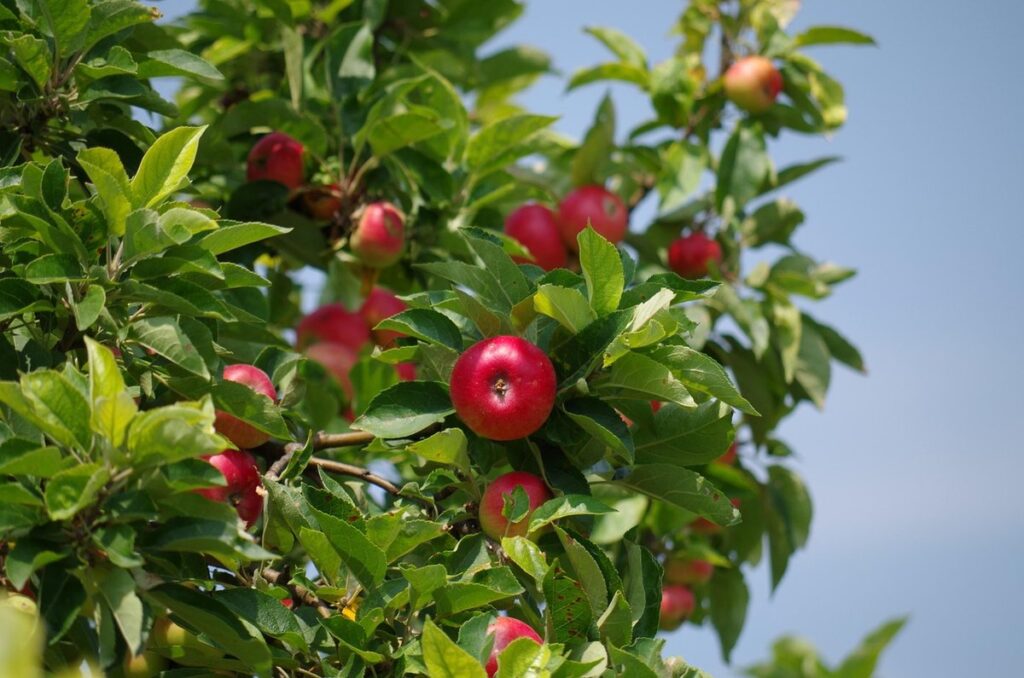
At 10-18 years old, your apple tree has reached its mature stage and is now producing fruit regularly. During this period, you can expect a significant increase in growth rate compared to the previous stages. With proper care and maintenance, an 18-year-old apple tree can grow up to 15-20 feet tall and wide.
In terms of fruit production, an 18-year-old apple tree can produce around 100-200 pounds of apples per season, depending on factors such as climate, soil quality, and pruning practices. To ensure maximum fruit yield, it’s essential to prune your tree annually to promote healthy growth, encourage fruiting branches, and remove any diseased or damaged wood.
Some potential issues that may arise during this stage include disease susceptibility, pests, and nutrient deficiencies. Regular monitoring of your tree’s health is crucial, and timely interventions can help prevent damage and maintain a thriving orchard. With proper care and attention to detail, an 18-year-old apple tree can continue to thrive for many years, providing you with bountiful harvests for generations to come.
To address potential issues, it’s recommended to inspect your tree regularly for signs of disease or pests, such as aphids, codling moths, or powdery mildew. Implementing integrated pest management (IPM) strategies and using organic gardening practices can help minimize chemical use and maintain a balanced ecosystem in your orchard.
Choosing the Right Apple Tree Variety for Your Region
With so many apple tree varieties to choose from, it’s essential that you select one that thrives in your specific climate and soil conditions. Let’s explore how to pick the perfect variety for your region.
Climate Considerations
When selecting an apple tree variety for your region, it’s essential to consider the climate conditions that will support its growth and productivity. Temperature tolerance is a critical factor, as extreme temperatures can affect fruit set, quality, and yield. Apple trees generally thrive in temperate climates with moderate winters and cool summers.
In regions with hot summers or cold winters, you’ll want to choose varieties that are more tolerant of these conditions. For example, the ‘Red Delicious’ variety is known for its heat tolerance, making it a good choice for warmer climates. On the other hand, varieties like ‘Gala’ and ‘Fuji’ prefer cooler temperatures.
Humidity levels also play a significant role in apple tree growth. Apple trees thrive in humid environments with an average relative humidity of 50-60%. In areas with low humidity, you may need to provide supplemental irrigation or shelter your trees from drying winds.
Sunlight requirements vary by variety, but most apple trees prefer full sun to partial shade. Consider the amount of sunlight your region receives and choose a variety that will thrive in those conditions.
Disease Resistance and Pest Tolerance
When selecting an apple tree variety for your region, it’s essential to consider disease resistance and pest tolerance. This is particularly crucial for 18-year-old trees that require minimal maintenance and care. Disease-resistant varieties can withstand common issues like powdery mildew, scab, and fire blight, which often plague young apple trees.
Some key varieties known for their disease resistance include ‘Red Delicious’, ‘Gala’, and ‘Fuji’. These cultivars have been bred to be more resilient against fungal diseases. For example, ‘Red Delicious’ has natural resistance to powdery mildew, a common issue that can significantly impact yields. Similarly, ‘Gala’ exhibits strong tolerance to fire blight.
Pest tolerance is also vital for mature apple trees like the 18-year-old variety. Look for varieties that are less susceptible to pests like codling moths and aphids. For instance, ‘Honeycrisp’ is known for its natural resistance to these pests. By choosing disease-resistant and pest-tolerant varieties, you can minimize the need for pesticides and fungicides, promoting a healthier environment for your apple trees.
Productivity and Yield Expectations
When choosing an apple tree variety for your region, evaluating its productivity and yield expectations is crucial. This involves considering factors such as fruit size, flavor profile, and annual production levels. A productive apple tree typically produces between 10 to 20 bushels per year, depending on the variety and growing conditions.
To assess a tree’s potential yield, look at the average fruit size, which can range from small to large. Larger fruits often come with lower yields, while smaller fruits may be more abundant but less desirable in terms of quality. Flavor profile is another essential factor, as some varieties are bred for their sweet taste, while others prioritize acidity or texture.
When evaluating annual production levels, consider the tree’s growth rate and maturity period. Some trees mature quickly and produce fruit within 5-7 years, while others may take longer to reach optimal production levels. By understanding these factors, you can make informed decisions about which variety will perform best in your specific climate and soil conditions.
Ultimately, a productive apple tree should balance yield with quality, providing an optimal combination of size, taste, and quantity.
Apple Tree Care and Maintenance for Optimal Growth
To ensure your apple tree continues to thrive, proper care and maintenance are crucial, which we’ll explore next to help you achieve optimal growth. Let’s dive into the specifics of regular pruning and training.
Watering and Soil Management Techniques
Watering an 18-year-old apple tree is crucial for its optimal growth. Aim to provide about 1-2 inches of water per week through a combination of rainfall and irrigation. Drip irrigation systems are particularly effective as they deliver water directly to the roots, reducing evaporation and runoff.
When selecting organic fertilizers, choose products with a balanced N-P-K ratio (nitrogen-phosphorus-potassium) to promote healthy growth and fruit production. Consider using compost tea or well-rotted manure as these add beneficial microbes to the soil without burning your tree’s roots. Avoid over-fertilizing, as this can lead to weak fruit and poor taste.
Regularly monitor your apple tree’s soil pH levels and adjust accordingly. Most apple trees prefer a slightly acidic to neutral soil pH between 6.0-7.0. Test your soil every spring to ensure optimal nutrient availability for the upcoming growing season. By maintaining proper watering and fertilization practices, you’ll be well on your way to supporting your mature apple tree’s continued health and productivity.
Pruning Strategies for Different Stages
Pruning is an essential part of maintaining an 18-year-old apple tree’s health and productivity. Different growth stages require distinct pruning strategies to ensure optimal growth and fruit production. When your apple tree reaches its mid-teen years, around 12-15 years old, focus on thinning branches to promote air circulation and allow sunlight to reach inner branches.
This process is called selective thinning, where you remove weaker or crossing branches to improve the tree’s structure and encourage a balanced growth pattern. Prune branches that are rubbing against each other, as this can cause damage and disease susceptibility. Remove any water sprouts or suckers growing from the base of the tree, as these divert energy away from fruiting branches.
As your apple tree enters its mature stage (around 15-18 years), renewal pruning becomes necessary. This involves removing one-third to one-half of the older wood to rejuvenate the tree’s vigor and promote new growth. Prune larger limbs carefully, using a step-back approach to minimize the risk of over-thinning and exposing the tree to disease.
Integrated Pest Management (IPM) Approaches
As an apple tree ages and grows, it becomes increasingly important to implement Integrated Pest Management (IPM) approaches to maintain its health and prevent damage from pests. IPM is a holistic approach that considers the complex interactions between the tree, its environment, and the pests that affect it.
Biological control methods are a key component of IPM in apple trees. This can involve introducing natural predators or parasites of pests into the tree’s ecosystem, such as ladybugs to control aphid populations. You can also encourage beneficial insects by creating a diverse and healthy environment around your tree, including planting a variety of flowers that attract pollinators.
Cultural controls are another essential aspect of IPM. This includes maintaining good sanitation practices, pruning infected branches, and ensuring proper watering habits. For example, removing weeds and debris around the tree can help prevent pests from taking up residence.
Chemical interventions should only be used as a last resort, after other methods have been tried and failed. When using chemicals, make sure to follow the recommended application rates and take necessary precautions to avoid harming beneficial insects or the environment. Regular monitoring of your tree’s health will also help you identify potential issues before they become severe.
Common Issues Affecting 18-Year-Old Apple Trees
As your tree reaches its prime, it’s essential to be aware of common issues that can arise, such as nutrient deficiencies and pest infestations. This section will guide you through these potential problems.
Nutrient Deficiencies and Soil Depletion
As an apple tree approaches its 18th year, it’s not uncommon to encounter nutrient deficiencies that can impact fruit quality and overall health. Nitrogen, potassium, and calcium are three essential macronutrients that play a crucial role in the tree’s growth and development.
Nitrogen deficiency, often caused by inadequate fertilization or poor soil structure, can lead to slow growth, pale leaves, and reduced yields. Symptoms include yellowing or browning of leaves, especially on younger trees. To address this issue, apply a balanced fertilizer (10-10-10 N-P-K) in early spring, followed by regular maintenance throughout the growing season.
Potassium deficiency, often linked to soil pH imbalances, can cause leaf scorch, weakened branches, and reduced fruit production. Watch for yellow or brown spots on leaves and discolored bark. To correct this issue, apply potassium sulfate (0-0-60 K) in late winter or early spring, followed by regular applications as needed.
Calcium deficiency, typically caused by poor soil drainage or inadequate fertilization, can lead to weakened wood, increased susceptibility to disease, and reduced fruit quality. Symptoms include yellowing leaves, blackened bark, and premature leaf drop. To address this issue, apply lime (calcium carbonate) in early spring to adjust pH levels and promote healthy growth.
Regular soil testing and targeted fertilization can help prevent these deficiencies and ensure your 18-year-old apple tree remains healthy and productive. By monitoring for signs of nutrient deficiencies and taking corrective action promptly, you’ll be well on your way to enjoying a bountiful harvest in the years to come.
Diseases and Pests to Watch Out For
As your 18-year-old apple tree continues to mature, it’s essential to be aware of the potential diseases and pests that can affect its health. Two common diseases to watch out for are powdery mildew and fire blight.
Powdery mildew is a fungal disease that causes a white, powdery coating on leaves, stems, and fruit. It thrives in humid environments and can be spread by wind or water splash. To prevent powdery mildew, ensure good air circulation around your tree and avoid overhead watering. If you notice symptoms, treat with a fungicide specifically labeled for apple trees.
Fire blight is a bacterial disease that enters the tree through open wounds, causing leaves to turn black and die. It’s often spread by insects like bees and wasps. Prevention is key – prune your tree regularly to maintain its structure and remove any infected branches. If you suspect fire blight, consult with a certified arborist for proper diagnosis and treatment.
Pests like aphids, codling moths, and spider mites can also damage your apple tree. Monitor for these pests regularly and use organic or integrated pest management methods to control infestations. For example, introducing beneficial insects like ladybugs or lacewings can help keep aphid populations under control.
Harvesting and Post-Harvest Care for Optimal Quality
Now that your apple tree has matured, it’s time to focus on harvesting its fruit and ensuring optimal quality throughout the year. This involves regular pruning, careful picking, and storage techniques.
Timing and Methods of Harvest
When it comes time to harvest your 18-year-old apple tree, timing is everything. You’ll want to pick the apples at optimal ripeness to ensure maximum flavor and quality. Generally, this occurs between late September and early November, depending on the specific variety of apple your tree produces.
For manual picking, use a gentle twisting motion to release the fruit from the stem. This method is best for smaller trees or for harvesting individual branches. For larger trees or for high-volume harvests, consider investing in a mechanical picker. These devices can efficiently collect apples without damaging the fruit or the tree itself.
It’s essential to inspect your apples regularly as they ripen, checking for a slight give when pressed and a sweet, fruity aroma. Avoid picking apples that are too green or too ripe, as this can affect their storage quality and shelf life. By harvesting at the right time and using the proper techniques, you’ll be rewarded with a bountiful harvest of delicious, homegrown apples.
Storage and Handling Strategies
After harvesting your 18-year-old apple tree, it’s essential to store and handle the apples properly to maintain their quality and extend shelf life. The way you store and handle apples can make a significant difference in their taste, texture, and nutritional value.
To begin with, sort through your harvest and remove any bruised or damaged apples. These will spoil quickly and affect the rest of the batch. Next, store them in a cool, dry place with good air circulation. A temperature range of 32°F to 40°F (0°C to 4°C) is ideal for long-term storage.
When storing apples, make sure they’re not touching each other or any surfaces. This can cause moisture buildup and lead to spoilage. You can store them in bins or containers with ventilation holes to maintain airflow. It’s also crucial to keep the area free from strong odors, as these can transfer to the apples.
To prolong shelf life, consider using ethylene gas absorbers or bags that absorb moisture. These tools can significantly reduce the risk of spoilage and help maintain apple quality for several months. By following these storage and handling strategies, you’ll be able to enjoy your 18-year-old apple tree’s harvest for a longer period.
Frequently Asked Questions
Can I still graft a new variety onto my 18-year-old apple tree, or should I start from scratch?
You can graft a new variety onto your mature apple tree, but it’s crucial to consider the tree’s age and potential stress. Grafting at this stage may cause additional stress, which could impact the tree’s overall health. If you decide to graft, choose a disease-resistant rootstock suitable for your climate.
What are some common nutrient deficiencies in mature apple trees, and how do I address them?
Mature apple trees often experience potassium (K), magnesium (Mg), or calcium (Ca) deficiencies due to aging tree roots or soil depletion. Regular soil testing will help identify these issues. Apply balanced fertilizers according to your tree’s specific needs, and consider using organic amendments like compost or manure.
How do I integrate pest management strategies with my existing pruning routine?
Effective pest control often involves combining IPM approaches with regular pruning. Monitor your tree for signs of pests, and use natural deterrents like neem oil or insecticidal soap alongside physical barriers (e.g., row covers). Regularly inspect your tree and adjust your approach as needed to maintain optimal growth.
What are some critical factors I should consider when selecting a disease-resistant apple tree variety?
When choosing an 18-year-old apple tree variety, prioritize those with built-in resistance to common diseases in your region. Consider factors like climate adaptability, soil tolerance, and the tree’s natural defense mechanisms against diseases and pests. This will minimize the need for additional chemical treatments.
Can I harvest apples from my mature tree before its optimal maturity time?
While it might be tempting to pick apples earlier, premature harvesting can compromise their quality and flavor. Wait until your apple tree reaches its optimal maturity time (usually 2-3 weeks after full color change), as this ensures the best taste and texture for eating fresh or storing.