
Starting your own vegetable garden can be a thrilling experience, but it requires more than just a green thumb. Providing your plants with the right nutrients is crucial to achieving optimal growth and yield. However, many gardeners struggle to find the perfect balance between fertilizing their vegetables and harming the environment.
In this article, we’ll take you through a comprehensive guide on vegetable garden fertilizer, covering the basics of soil testing, DIY recipes for natural fertilizers, and specialized techniques to optimize plant growth without compromising your eco-friendly gardening goals. By the end of it, you’ll be equipped with the knowledge to create a thriving vegetable garden that’s not only bountiful but also sustainable. We’ll explore various types of fertilizers, including organic options and how to use them effectively in your garden.
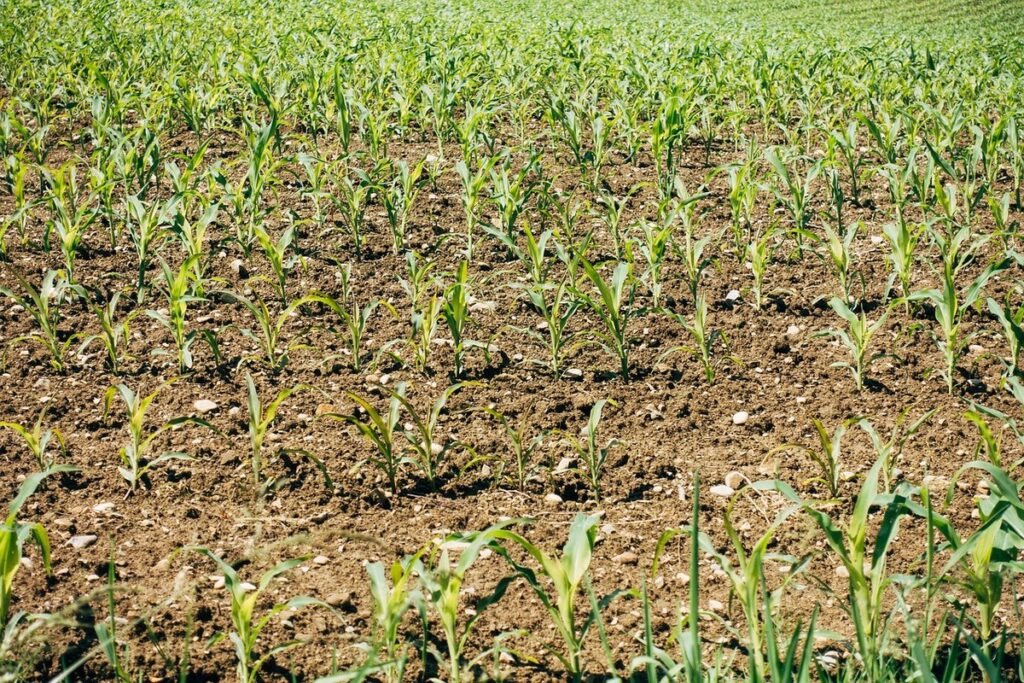
Understanding Your Soil Needs
To create a thriving vegetable garden, it’s essential to understand what your soil needs to provide the right nutrients for your plants. This section will walk you through assessing and meeting those specific requirements.
Assessing Your Soil Type
Identifying and understanding your soil type is crucial to creating an effective fertilizer plan for your vegetable garden. To start, you’ll need to assess the texture of your soil by performing a simple squeeze test. Squeeze a small handful of moist soil: if it crumbles easily, it’s likely sandy; if it forms a tight ball that doesn’t fall apart when dropped, it’s clay-heavy; and if it holds its shape but still feels slightly crumbly, it’s loamy.
Clay soils tend to be dense and hold water well, which can lead to overwatering. Sandy soils drain quickly, requiring more frequent watering. Loamy soils strike a balance between the two, making them ideal for most gardens. To further classify your soil type, consider its pH level: most vegetables prefer a slightly acidic to neutral soil (pH 6-7). You can purchase a soil testing kit or send a sample to a lab for analysis.
Keep in mind that even if you have a specific soil type, it’s likely to contain some combination of sand, silt, and clay. Knowing your soil’s proportions will help you choose the right fertilizer for optimal nutrient delivery.
Common Nutrient Deficiencies in Vegetables
When it comes to growing vegetables, ensuring they receive essential nutrients is crucial for optimal health and production. But what happens when soil quality is poor or fertilization is lacking? One of the most common issues gardeners face is nutrient deficiencies in their vegetables.
Nitrogen (N), Phosphorus (P), and Potassium (K) are the “big three” macronutrients that vegetables need to thrive. Nitrogen promotes leaf growth, phosphorus supports root development, and potassium enhances overall plant health. However, if these nutrients are absent or insufficient, deficiencies can arise.
For instance, a lack of nitrogen can lead to pale leaves and stunted growth in leafy greens like lettuce and spinach. On the other hand, inadequate phosphorus can stunt fruiting and flowering in vegetables like tomatoes and peppers.
To avoid these common deficiencies, it’s essential to test your soil regularly and adjust your fertilization strategy accordingly. A balanced fertilizer that contains NPK at a ratio of 10-10-10 (nitrogen-phosphorus-potassium) is a good starting point. However, be aware that different vegetables have specific nutrient requirements, so research the needs of each plant to ensure you’re providing what it needs to flourish.
Organic vs. Synthetic Fertilizers
When choosing a fertilizer for your vegetable garden, you’ll likely come across two main options: organic and synthetic fertilizers. Let’s take a closer look at each type.
Benefits and Drawbacks of Organic Fertilizers
When it comes to choosing between organic and synthetic fertilizers for your vegetable garden, there are several benefits and drawbacks of each option that you should consider. On the one hand, organic fertilizers like compost and manure have a number of advantages. They are typically more environmentally friendly than synthetic options, as they are made from natural materials and do not contain harsh chemicals or heavy metals.
For example, using compost as a fertilizer can help improve soil structure and increase its water-holding capacity, making it easier to grow vegetables that prefer well-drained soil like tomatoes and cucumbers. Additionally, organic fertilizers tend to be more cost-effective in the long run, as they are often made from readily available materials on your property.
However, there are some potential drawbacks to using organic fertilizers. For instance, they can take longer to produce results than synthetic options, which can provide a quick boost of nutrients to plants. This can be especially important for vegetables like lettuce and spinach that have a fast growth cycle.
Popular Synthetic Fertilizer Options
Synthetic fertilizers have become a staple for many vegetable gardeners due to their high nitrogen content and rapid availability. However, it’s essential to understand the commonly used synthetic fertilizer options, including their active ingredients, application rates, and potential drawbacks.
Some popular synthetic fertilizers include ammonium nitrate (34-0-0 NPK), urea (46-0-0 NPK), and diammonium phosphate (DAP 18-46-0 NPK). Ammonium nitrate is often used as a quick fix to boost nitrogen levels, but its high concentration can be detrimental if over-applied. Urea, on the other hand, has a slower release rate but still poses environmental risks due to excess nitrogen runoff.
Another widely available synthetic fertilizer is DAP (diammonium phosphate), which provides phosphorus and nitrogen for plant growth. While these fertilizers offer rapid results, they often lack essential micronutrients and can lead to soil degradation over time.
To use synthetic fertilizers effectively, follow the recommended application rates on the label to avoid over-fertilization. Consider testing your soil regularly to determine its nutrient needs before applying synthetic fertilizers. Always choose products with built-in micronutrients or supplement them separately to maintain a balanced soil ecosystem.
DIY vs. Commercial Fertilizers
When it comes to choosing a fertilizer for your vegetable garden, one of the biggest decisions is whether to go with a store-bought option or make your own at home.
Homemade Compost Fertilizer Recipe
Creating your own compost fertilizer is an excellent way to nourish your vegetable garden without relying on commercial products. Not only will you reduce waste and save money, but you’ll also produce a nutrient-rich soil amendment that’s tailored to the specific needs of your plants.
To get started, gather a mix of “green” materials like kitchen scraps (fruits and vegetables), tea bags, coffee grounds, and fresh grass clippings. These add nitrogen, carbon, and other essential micronutrients to your compost pile. Balance these with “brown” materials such as leaves, shredded newspaper, and cardboard, which provide carbon and help speed up the decomposition process.
Aim for a mix of 2/3 brown materials and 1/3 green materials in your compost pile. For example, add 5-6 inches of shredded newspaper to your pile, followed by a layer of kitchen scraps or grass clippings. Repeat this pattern until you’ve filled your bin, then top it off with another layer of brown materials.
As the compost breaks down, it will transform into a dark, crumbly soil-like material that’s teeming with beneficial microorganisms and nutrients. Mix 2-3 inches of this finished compost into your vegetable beds each spring to give your plants a boost.
Reviewing Commercial Fertilizer Products
When it comes to commercial fertilizer products for vegetable gardens, there are numerous options available. To make an informed decision, let’s break down some of the most popular brands and their key features.
Miracle-Gro Shake ‘n Feed All Purpose Plant Food is a well-known option, offering a 24-8-16 N-P-K ratio. This fertilizer also contains additional micronutrients like iron and manganese, which are beneficial for promoting healthy plant growth. However, some gardeners may find the slow-release formula too gradual.
Another popular choice is Scotts Osmocote 14-14-14 Professional Plant Food. With a balanced N-P-K ratio, this fertilizer provides a steady supply of nutrients throughout the growing season. It also contains micronutrients like magnesium and sulfur to promote strong plant development. While some gardeners may find the high phosphorus content beneficial for root development, others might prefer a more moderate approach.
Before selecting a commercial fertilizer product, consider your specific vegetable garden needs. For example, if you’re growing tomatoes, look for a fertilizer with higher phosphorus levels to promote fruiting and flowering. On the other hand, if you’re cultivating leafy greens like lettuce or kale, a balanced N-P-K ratio might be more suitable.
Ultimately, it’s essential to read reviews and compare different products based on your garden’s unique requirements. Always follow the recommended application rates to avoid over-fertilizing and potential harm to your plants.
Specialized Fertilization Techniques
Beyond basic fertilizers, there are specialized techniques that can give your vegetable garden an extra boost. Let’s explore some advanced methods to optimize plant growth and yield.
Companion Planting for Nutrient Uptake
Companion planting is a technique that can enhance nutrient availability for vegetables by strategically pairing them with plants that improve soil fertility and structure. By selecting the right companion plants, you can create a symbiotic relationship between your vegetables and the surrounding vegetation.
For instance, legumes like beans and peas are nitrogen-fixing plants that convert atmospheric nitrogen into a form usable by other plants. When planted alongside vegetables, they can increase soil nitrogen levels, reducing the need for synthetic fertilizers. Radishes, on the other hand, have a large root system that breaks up compacted soil, allowing water and nutrients to penetrate deeper.
Marigolds repel nematodes, microscopic worms that damage plant roots, making them an excellent companion for vegetables like tomatoes and cucumbers. Borage attracts beneficial pollinators and improves the growth of nearby vegetable plants, while dill repels aphids and other pests that target vegetables. By incorporating these plants into your garden design, you can create a nutrient-rich environment that promotes healthy plant growth and reduces the reliance on external fertilizers.
Cover Cropping for Soil Enrichment
Cover crops are an excellent way to improve soil fertility, structure, and overall health, providing a nutrient-rich mulch or green manure. By incorporating cover crops into your vegetable garden fertilization routine, you can reap numerous benefits for your plants’ growth.
When selecting cover crops, consider their ability to add organic matter, suppress weeds, and attract beneficial insects. Legumes like clover, beans, and peas are rich in nitrogen-fixing bacteria, which convert atmospheric nitrogen into a form that’s readily available for plant uptake. These crops can be incorporated directly into the soil or used as mulch.
To make the most of cover cropping, rotate them with your vegetable crops to avoid depleting the soil of specific nutrients. For example, planting a legume cover crop after tomatoes will help replenish nitrogen levels, reducing the need for synthetic fertilizers. By combining cover cropping with other specialized fertilization techniques, you can create a thriving and sustainable vegetable garden ecosystem.
Some popular cover crop options include:
• Oats: Provide a slow release of nutrients and suppress weeds
• Rye: Offers excellent weed suppression and adds organic matter
• Hairy vetch: Fixes nitrogen and provides a winter habitat for beneficial insects
Timing and Application Techniques
When it comes to getting the most out of your vegetable garden fertilizer, timing and application techniques play a crucial role in their effectiveness. Let’s dive into some key strategies for using these tools wisely.
When to Fertilize for Maximum Benefits
Fertilizing at different stages of growth is crucial to optimize the yield and flavor of your vegetables. When your seedlings are about 2-3 weeks old, they require a balanced fertilizer that provides essential nutrients for healthy growth. A starter fertilizer with a formula of 10-20-10 (nitrogen-phosphorus-potassium) is ideal for this stage.
As your plants mature and start producing fruit, you’ll need to switch to a fertilizer that promotes fruiting and flowering. Look for a fertilizer with a higher phosphorus content, typically between 15-30%. This will help enhance the plant’s ability to produce fruit.
For example, if you’re growing tomatoes, fertilize them with a balanced fertilizer when they’re about 6 inches tall. Later, switch to a fertilizer rich in phosphorus (such as 10-20-20) once the flowers have set and fruits are starting to form. This will promote healthy growth and fruiting.
Keep in mind that over-fertilization can be detrimental to your plants, so it’s essential to follow the recommended application rates on the fertilizer label.
Avoiding Over-Fertilization Risks
Over-fertilization is a common mistake gardeners make when using vegetable garden fertilizer. While fertilizers are essential for providing plants with necessary nutrients, excessive application can have severe consequences on plant health and the environment.
Warning signs of over-fertilization may first appear as yellowing or browning leaves, stunted growth, and reduced fruit production in your vegetables. This is often due to an overload of nitrogen, which can cause an imbalance in the soil’s pH levels and disrupt nutrient absorption by plants.
Prolonged exposure to excessive fertilizers can lead to soil degradation, making it less fertile over time. This can result in a vicious cycle where you need to apply even more fertilizer to compensate for the loss of nutrients, further exacerbating the problem.
Additionally, over-fertilization can contaminate nearby water sources and harm beneficial microorganisms in the soil. To avoid these risks, make sure to follow the recommended application rates on your fertilizer packaging, and consider getting a soil test done before fertilizing to determine if any additional nutrients are truly needed. Regularly monitoring your plants’ response to fertilizers is also crucial to prevent over-fertilization.
Monitoring and Adjusting Your Fertilizer Regimen
As you tend to your vegetable garden, it’s essential to regularly monitor its response to fertilizers and make adjustments as needed to ensure optimal growth. This involves tracking soil health, plant vitality, and adjusting fertilizer applications accordingly.
Regular Soil Testing for Nutrient Levels
Regular soil testing is an essential step in maintaining a healthy and productive vegetable garden. Without it, you may be over-fertilizing or under-fertilizing, which can lead to nutrient deficiencies or even plant toxicity. To determine the optimal fertilizer regimen for your garden, you need to know what’s already present in the soil.
Begin by collecting a soil sample from different areas of your garden, ideally 6-8 inches deep. Send it to a laboratory for analysis, or use a DIY kit if you prefer. The test will reveal the levels of macronutrients like nitrogen (N), phosphorus (P), and potassium (K) as well as micronutrients such as iron, zinc, and manganese.
Compare your results with recommended values for your specific region and crop types. If you’re using a commercial fertilizer, adjust the application rate according to the test results. For example, if the soil lacks nitrogen, you can increase the N content in the fertilizer or apply a high-nitrogen supplement. Regular testing will help fine-tune your fertilizer regimen over time, ensuring that your plants receive exactly what they need to thrive.
Adjusting Your Fertilizer Recipe Based on Test Results
When you receive your soil test results, it’s time to adjust your fertilizer recipe accordingly. The numbers on the report will reveal the nutrient levels in your soil, including nitrogen (N), phosphorus (P), and potassium (K). To interpret these results, consider the following:
* If your soil is low in N, P, or K, you’ll need to add more of that specific nutrient through fertilizer. For example, if your test shows a nitrogen deficiency, adding an organic nitrogen-rich fertilizer like compost tea or well-rotted manure will help.
* On the other hand, if your soil has high levels of any nutrient, it’s best to avoid over-fertilizing, as this can lead to imbalances and even damage plant growth.
To fine-tune your fertilization strategy, consider these steps: Calculate how much fertilizer you’ll need based on the test results; choose the right type of fertilizer for your needs (e.g., organic or synthetic); apply it at the recommended rate. For instance, if your soil lacks phosphorus, add a balanced fertilizer with high P content during the planting season.
Remember to retest your soil every 6-12 months and adjust your fertilization plan as needed to ensure optimal nutrient levels for your vegetable garden. This will lead to healthier plants, better yields, and reduced waste.
Frequently Asked Questions
Can I use leftover kitchen scraps as fertilizer for my vegetable garden?
Yes, you can repurpose your kitchen scraps to create a nutrient-rich compost that will benefit your plants. Simply add vegetable peels, fruit rinds, and coffee grounds to your compost bin, and let it decompose. This DIY approach not only reduces waste but also provides essential nutrients for optimal growth.
How often should I retest my soil after making adjustments to my fertilizer regimen?
Regular soil testing is crucial to ensure you’re on the right track with your fertilizer plan. We recommend retesting every 2-3 months, especially after introducing new fertilizers or cover cropping methods. This will help you monitor nutrient levels and adjust your recipe as needed.
Can I mix different types of organic fertilizers together for a custom blend?
Yes, blending different organic fertilizers can create a tailored formula that addresses specific nutrient deficiencies in your soil. However, be mindful of potential interactions between ingredients, such as pH imbalances or over-supplementation of certain nutrients. Start with small batches and monitor their effects on your plants.
How do I know if I’m over-fertilizing my vegetable garden?
Watch for signs like excessive foliage growth, decreased fruit production, or visible nutrient deficiencies in your plants. These indicators suggest you may be overloading your soil with fertilizers. Adjust your application rates, and consider consulting a local gardening expert for personalized guidance.
Can I use companion planting as a substitute for synthetic fertilizers entirely?
While companion planting is an excellent method for enhancing nutrient uptake and improving plant health, it’s not a direct replacement for synthetic fertilizers in all cases. For maximum yields, you may still need to supplement with targeted fertilizers. Use companion planting as a complementary strategy to create a balanced ecosystem that minimizes reliance on external inputs.