
Growing delicious tomatoes in your backyard can be a rewarding experience, but only if you have the right soil to support them. A good tomato soil mix is crucial for healthy plant growth and high yields. However, with so many options available, choosing the perfect blend can be overwhelming. You may wonder how to balance nutrients, avoid common mistakes, and create a mix that meets your tomatoes’ specific needs. In this ultimate guide, we’ll walk you through everything you need to know about creating and selecting the perfect tomato soil mix. From selecting the right ingredients to avoiding common pitfalls, we’ll cover it all. Whether you’re a seasoned gardener or just starting out, our expert tips will help you grow the best tomatoes possible with the right soil for them.
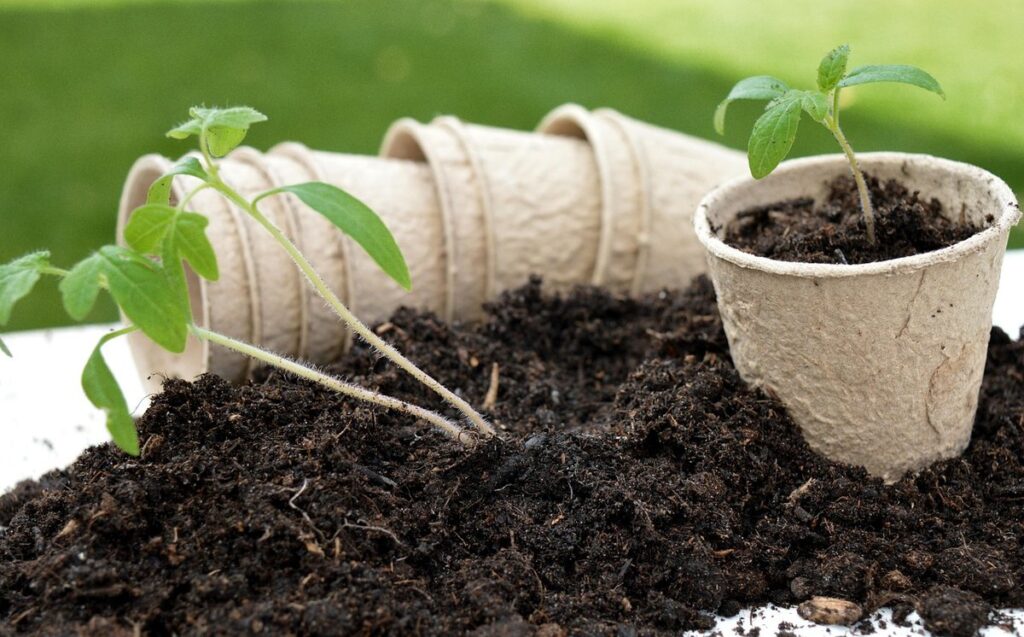
Choosing the Right Soil Mix for Your Tomatoes
When it comes to selecting a soil mix for your tomatoes, there are numerous options available, but not all of them are created equal. We’ll walk you through the key factors to consider when making your decision.
Understanding the Importance of Soil pH
When it comes to growing healthy and thriving tomatoes, understanding soil pH is crucial. Soil pH affects nutrient availability, microbial activity, and root growth – all of which impact tomato development.
A pH that’s too high (alkaline) or too low (acidic) can hinder your plant’s ability to absorb essential nutrients. On the other hand, an optimal pH range allows for balanced nutrition and robust growth.
For tomatoes, a slightly acidic to neutral soil pH is ideal – between 6.0 and 7.0. If your soil is too alkaline (pH above 7), it may limit nutrient uptake, while extremely acidic conditions (pH below 5) can lead to nutrient deficiencies.
To determine your soil’s pH level, you can purchase a soil testing kit or send a sample to a lab for analysis. Based on the results, you can amend the soil with lime to raise the pH or sulfur to lower it.
Types of Soil Mixes Suitable for Tomatoes
When it comes to choosing the right soil mix for your tomatoes, there are several types of mixes to consider. Organic soil mixes are a popular choice among gardeners, as they are made from natural ingredients and promote healthy soil biota. These mixes typically contain compost, peat moss, or other organic matter that helps retain moisture and suppress diseases.
Inorganic soil mixes, on the other hand, are made from synthetic materials like perlite, vermiculite, or hydroponic nutrients. While these mixes can provide a boost of nutrients for your tomatoes, they may not be as beneficial in the long run as organic mixes. Custom soil mixes, created by gardeners themselves using a combination of ingredients, can also be an effective option.
To give you a better idea of what’s out there, here are some common types of soil mixes for tomatoes: coconut coir-based mixes, worm castings-based mixes, and mixtures that combine organic and inorganic materials. Each type has its own benefits and drawbacks, so it’s essential to research and choose the best fit for your specific growing conditions and needs. By selecting a suitable soil mix, you’ll be well on your way to growing healthy, productive tomatoes.
Ingredients to Look for in a Tomato Soil Mix
When selecting a tomato soil mix, it’s essential to look for specific ingredients that will give your plants the best chance at thriving and producing abundant fruit. We’ll break down what to watch out for in this section.
Organic Matter Content
Compost and peat moss are two essential natural additives that play a crucial role in maintaining a healthy tomato plant’s growth. Compost is a rich source of organic matter that helps to improve soil structure, increase nutrient availability, and support beneficial microbial activity. When added to the tomato soil mix, compost helps to retain moisture, suppress weeds, and regulate pH levels.
Peat moss, on the other hand, acts as an excellent acidity regulator and retains water effectively in dry conditions. It also prevents soil compaction by improving drainage and aeration. However, it’s essential to note that peat moss can take several years to decompose naturally, so consider using coconut coir or other sustainable alternatives.
To incorporate these natural additives into your tomato soil mix, aim for a 10-20% compost ratio and blend with other ingredients like perlite, vermiculite, or worm castings. When selecting a compost, look for products labeled as “hot” or “cold,” which indicate the presence of beneficial microorganisms that can help to control pests and diseases.
When working with peat moss, keep in mind its acidity levels, and balance it with lime if necessary to maintain an optimal pH range between 6.0-7.0.
Nutrient Balance and Fertilizers
When it comes to creating an optimal tomato soil mix, understanding the importance of nutrient balance and fertilizers is crucial. You see, tomatoes are heavy feeders, which means they require a balanced diet of essential nutrients to grow and thrive.
The NPK ratio (Nitrogen-Phosphorus-Potassium) plays a significant role in this process. A well-balanced mix typically contains the following ratios: 5-10-10 or 10-10-10. Nitrogen promotes leaf growth, phosphorus aids in root development and fruit production, while potassium enhances overall plant health.
However, it’s not just about the ratio; the type of nutrients is equally important. You’ll want to include a mix of slow-release and water-soluble fertilizers to provide a steady supply of nutrients throughout the growing season. Organic options like fish emulsion or bone meal are excellent choices as they release nutrients slowly, reducing the risk of over-fertilization.
When selecting a fertilizer, look for products with essential micronutrients such as calcium and magnesium, which help prevent blossom-end rot and promote fruit development. By incorporating these nutrient-dense fertilizers into your tomato soil mix, you’ll be providing your plants with the best possible chance to produce an abundance of delicious, disease-free fruits.
DIY vs. Store-Bought Tomato Soil Mix: Which is Best?
When it comes to creating your own tomato soil mix, one of the biggest decisions you’ll face is whether to go the DIY route or buy a pre-mixed blend from the store. Let’s weigh the pros and cons of each approach.
Pros and Cons of Homemade Mixes
When it comes to creating your own tomato soil mix at home, there are both advantages and disadvantages to consider. On the plus side, making your own mix can be a cost-effective solution compared to buying pre-made mixes from stores. You also have the flexibility to customize the blend according to your specific needs and preferences.
For instance, you can choose to include certain ingredients that aren’t typically found in store-bought mixes but are beneficial for tomato plants. On the other hand, creating homemade mix requires time and effort. You’ll need to source individual components, measure them accurately, and combine them correctly. This process can be labor-intensive, especially if you’re new to gardening.
Moreover, there’s also a risk of inconsistent quality when making your own mix. If you don’t know what you’re doing or use subpar ingredients, the resulting soil may not provide the necessary nutrients for your plants to thrive. In contrast, store-bought mixes have undergone rigorous testing and are formulated by experts.
Evaluating Pre-Mixed Options from Garden Centers
When browsing garden centers, you’ll often come across pre-mixed tomato soil mixes that claim to provide optimal growing conditions for your plants. While these options can be convenient and seem like a straightforward solution, it’s essential to evaluate them carefully before making a purchase.
Firstly, compare the ingredients list with what you’d typically find in a well-balanced DIY mix. Look out for any fillers or low-quality components that might compromise soil fertility. Check the NPK ratio (nitrogen-phosphorus-potassium) and ensure it aligns with your tomato variety’s needs.
Next, consider the price point. Pre-mixed options can be pricier than individual ingredients, especially if you’re buying in small quantities. However, some mixes might offer better value if they include additional nutrients or beneficial microbes that would require separate purchases otherwise.
Reviews and ratings from other customers can also provide valuable insights into a product’s performance. Look for red flags such as low yields, poor disease resistance, or excessive watering requirements. If multiple reviewers mention similar issues, it may indicate a fundamental problem with the mix itself. By weighing these factors, you’ll be better equipped to decide whether a pre-mixed option is right for your tomato plants.
Common Mistakes When Creating or Selecting Tomato Soil Mix
When crafting your tomato soil mix, it’s surprisingly easy to make mistakes that can harm your plants. Let’s explore some common errors to avoid in creating or selecting the right blend for your garden.
Over- or Under-Fertilization
Over- or under-fertilization can have severe consequences on the health and productivity of your tomato plants. When you over-fertilize, excessive nutrients can burn your plant’s roots and leaves, causing irreparable damage. On the other hand, under-fertilizing can limit nutrient availability, stunting growth and reducing fruit production.
To avoid these issues, it’s essential to understand the specific nutrient requirements for tomatoes. A general rule of thumb is to provide a balanced fertilizer (10-10-10 NPK) once or twice a month during the growing season. However, this may vary depending on your soil type, climate, and plant variety.
A common mistake gardeners make is over-fertilizing with high-nitrogen fertilizers, which can promote lush foliage but stunted fruiting. For example, if you apply too much nitrogen-rich fertilizer, you might end up with a leggy tomato plant that produces fewer fruits than expected.
To get it right, consider getting your soil tested to determine its pH level and nutrient content. This will help you create a tailored fertilization plan for your specific tomato plants.
Incorrect pH Levels
Tomato plants require a balanced soil mix with optimal pH levels for healthy growth. However, incorrect pH levels can significantly impact their development.
Acidic conditions, typically below 6.0 on the pH scale, can lead to nutrient deficiencies. Tomatoes need nitrogen, phosphorus, and potassium to grow, but acidic soils often have limited availability of these essential nutrients. For instance, if your soil has a pH level of 5.5 or lower, it may not provide enough phosphorus for proper fruit development.
On the other hand, alkaline conditions, typically above 7.0 on the pH scale, can cause an overabundance of certain minerals like calcium and magnesium. This can lead to nutrient imbalances, causing issues such as blossom end rot in tomatoes. For example, if your soil has a pH level of 8.0 or higher, it may be too alkaline for tomato growth.
To avoid these problems, it’s essential to test the pH levels of your soil and adjust them accordingly. Most gardeners prefer a slightly acidic to neutral soil mix with a pH between 6.0 and 7.0 for optimal tomato growth. Regular testing and adjustments can ensure that your tomato plants receive the right balance of nutrients for healthy development.
Additional Tips for Achieving Optimal Soil Conditions
To further refine your tomato soil mix, consider adding these expert-recommended tips to enhance nutrient retention and overall plant health. These final adjustments will make all the difference in a thriving harvest.
Soil Aeration and Structure
When it comes to creating an optimal tomato soil mix, one crucial aspect is often overlooked: soil aeration and structure. This refers to the soil’s ability to breathe, drain excess water, and maintain its texture. Proper drainage ensures that roots don’t rot due to waterlogging, which can be fatal for tomatoes.
Think of your tomato plant’s roots as tiny lungs; they need oxygen to thrive, just like you do. A well-draining mix will prevent water from accumulating around the roots, allowing air to penetrate and promoting healthy root growth. To achieve this, focus on incorporating materials with high porosity, such as perlite or vermiculite.
In terms of structure, a mix that’s too dense can cause tomato plants to become waterlogged, leading to root decay. A good rule of thumb is to aim for a mix with 20-30% organic matter, which will help maintain aeration while also retaining moisture. By balancing your mix’s composition and ensuring adequate drainage, you’ll be well on your way to creating an optimal environment for your tomato plants to flourish.
Monitoring and Adjusting Your Mix as Needed
Monitoring and adjusting your soil mix is crucial for optimal tomato plant growth. As you observe your plants’ performance, take note of their responses to the initial mix and make adjustments as needed. Keep an eye out for signs such as nutrient deficiencies, pH imbalances, or moisture issues. These symptoms can be a clear indication that it’s time to reassess and fine-tune your soil mix.
Start by tracking specific data points like plant height, fruit yield, and color quality. Regularly inspect the plants’ roots for any signs of stress or disease. Monitor the soil’s moisture levels and adjust your watering schedule accordingly. Be prepared to make adjustments as your tomato plants mature and their needs change.
Consider adding amendments such as compost tea, worm castings, or dolomitic limestone to address specific issues like nutrient deficiencies or pH imbalances. Keep in mind that every plant is unique, so what works for one variety might not work for another. Stay flexible and be willing to adapt your soil mix strategy based on the individual needs of your tomato plants.
Case Studies: Real-Life Examples of Successful Tomato Soil Mixes
Let’s take a closer look at how successful gardeners have created winning tomato soil mixes, and what we can learn from their approaches to create our own optimal blends.
Success Stories from Experienced Gardeners
Let’s hear from the experts who’ve perfected their tomato soil mix game. Experienced gardeners have shared their successes with me, and I’m excited to pass on their wisdom.
Meet Sarah, a seasoned gardener from California, who swears by her homemade compost-based blend. “I add equal parts of peat moss, coconut coir, and worm castings to create a nutrient-rich mix,” she shares. This approach has yielded some incredible harvests for her, with tomatoes that are both juicy and flavorful.
Another example comes from Mark, an avid gardener from New York, who’s optimized his soil mix using a combination of perlite, vermiculite, and aged manure. His secret to success? Regular pH checks and adjustments to ensure the perfect balance. “This has been a game-changer for my tomato plants,” he notes.
These testimonials offer valuable insights into effective approaches to creating a winning tomato soil mix. By incorporating their expert advice, you can improve your chances of growing luscious tomatoes in no time!
Analyzing Factors Contributing to these Outcomes
Analyzing Factors Contributing to these Outcomes
To truly understand what makes a successful tomato soil mix, we need to dissect the factors that contribute to these outcomes. By examining the specific characteristics of each case study, we can identify common patterns and best practices.
For instance, a closer look at the high-yielding garden in California reveals that it was fertilized with an optimal blend of organic matter, which provided essential nutrients for healthy plant growth. Additionally, the gardener had meticulously maintained soil pH levels between 6.0-7.0, ensuring optimal nutrient availability. These factors combined resulted in a bountiful harvest of plump, juicy tomatoes.
On the other hand, the low-yielding garden in New York City had a different set of challenges. The soil mix was too dense and lacked sufficient drainage, leading to root rot and reduced water absorption. By analyzing these contrasting scenarios, we can distill key takeaways for creating an ideal tomato soil mix: prioritize optimal nutrient levels, maintain balanced pH levels, ensure adequate drainage, and monitor soil structure for optimal plant growth.
Frequently Asked Questions
Can I use a generic potting soil mix for tomatoes, or do I need to create a custom blend?
You don’t necessarily need to create a custom blend from scratch, but a generic potting soil mix might not provide the optimal balance of nutrients and pH levels. Consider using a high-quality potting mix as a base and supplementing it with specific ingredients tailored to your tomatoes’ needs.
How often should I check and adjust the pH level in my tomato soil mix?
Regularly monitoring the pH level is crucial, especially during the first few weeks after transplanting. Check the pH every 1-2 weeks and adjust as needed. Keep in mind that small changes can have significant effects on nutrient availability and plant growth.
What’s the best way to incorporate organic matter into my tomato soil mix?
Compost, worm castings, or well-rotted manure are excellent sources of organic matter. Aim to add 10-20% organic material to your mix to improve structure, fertility, and microbial activity. Mix it thoroughly with the other ingredients to ensure even distribution.
How can I prevent over-fertilization when using a pre-mixed tomato soil blend?
Follow the instructions for application rates carefully, and consider starting with a smaller amount of fertilizer to avoid over-loading your plants. Also, keep an eye on your plant’s response, adjusting the fertilization schedule as needed to avoid burning your tomatoes’ roots.
Can I reuse or repurpose my old tomato soil mix for future crops?
While some components like compost can be reused, it’s generally recommended not to reuse the entire soil mix from a previous crop. This is because pathogens and pests can persist in the soil, potentially affecting new plants. Consider making fresh batches of soil mix tailored to each specific crop’s needs.