
Tomato enthusiasts, are you ready to kick-start your growing season? Starting tomato seeds indoors is a crucial step in ensuring a bountiful harvest. But with so many factors to consider, it can be overwhelming for beginners. That’s why we’ve put together this comprehensive guide on how to successfully start tomatoes from seed inside your home.
We’ll walk you through the essential equipment and environment needed to give your tomato seeds the best chance at thriving. You’ll learn about optimal sowing times, lighting requirements, and how to create a suitable space for germination. Our goal is to empower you with the knowledge to grow healthy, robust tomato plants that will produce an abundance of juicy fruit come summer. With this guide, you’ll be well on your way to enjoying a successful harvest from seed to table.
Understanding the Basics
To grow healthy tomato plants, you need a solid foundation of knowledge on seed starting basics, including choosing the right soil and providing adequate light. Let’s dive into these fundamental principles together!
What is Tomato Seed Starting?
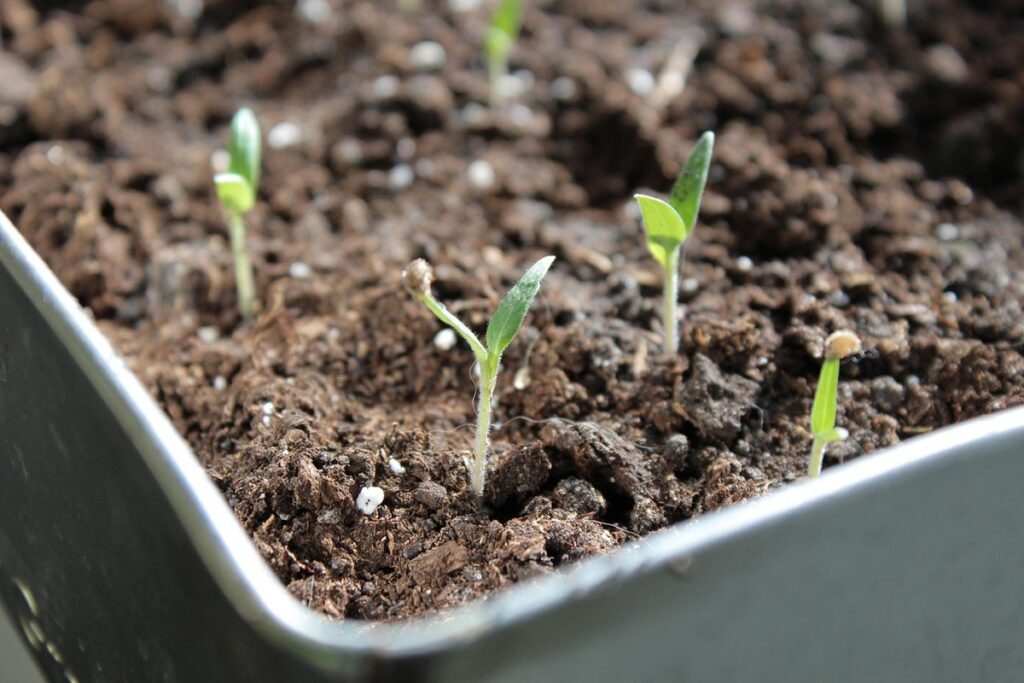
Tomato seed starting is an essential step for gardeners looking to cultivate healthy and robust tomato plants. By starting seeds indoors, you gain a head start on the growing season, allowing your plants to mature faster and produce more fruit. This method also enables you to control environmental factors such as temperature and light exposure, which can significantly impact seed germination.
When seeds are sown directly in the ground, they must contend with various challenges like weather conditions, pests, and diseases. By starting them indoors, you create a protective environment that fosters optimal growth and development. This is particularly crucial for tomato seeds, as they require specific temperature and light requirements to germinate successfully.
In addition to these benefits, indoor seed starting also allows you to choose from a wide range of varieties that may not be readily available in your local nurseries or garden centers. You can select disease-resistant, compact, or heirloom varieties to suit your gardening needs and preferences.
Choosing the Right Variety
When it comes to choosing the right tomato variety for indoor seed starting, there are several factors to consider. Disease resistance is a crucial aspect to think about, especially when growing tomatoes indoors where air circulation can be limited. Look for varieties that have built-in resistance to common diseases such as Early Blight and Septoria Leaf Spot.
Another important factor is growth habit. Compact or dwarf varieties like ‘Patio’ and ‘Tiny Tim’ are ideal for indoor containers, as they produce smaller plants with a bushy growth habit. These varieties will not outgrow their containers quickly and can be easily supported on trellises or stakes.
Consider the days to maturity when selecting a variety. Tomatoes with shorter days to maturity like ‘Early Girl’ (50-60 days) are perfect for indoor growing, as they produce fruit before the weather outside becomes too cold. It’s also essential to choose varieties that suit your climate and region. Consult with local nurseries or gardening experts to get recommendations on the best tomato varieties for your area.
Preparing for Indoor Seed Starting
To get a head start on your tomato seed starting journey, you’ll need to prepare your indoor space and gather essential supplies. Let’s dive into what you need to do next.
Equipment Needed for Tomato Seed Starting
To successfully start tomato seeds indoors, you’ll need to gather some essential equipment. This list may seem daunting at first, but don’t worry, we’ve got you covered.
First and foremost, you’ll need seed trays or cell packs that are specifically designed for starting small seeds like tomatoes. These trays usually have individual cells or compartments where you can plant a single seed in each one. Make sure to choose a tray with good drainage holes to prevent waterlogged soil.
Next up is the grow light system. Since tomato seeds require adequate light to germinate and grow, a reliable grow light source is crucial. You can opt for LED grow lights, fluorescent lights, or even a south-facing window. Aim for 12-14 hours of direct light per day to ensure healthy seedling growth.
When it comes to the growing medium, choose a high-quality potting mix that’s specifically designed for seed starting. Avoid using garden soil from your yard, as it can be too dense and may contain weed seeds or other contaminants. A good rule of thumb is to use a seed starting mix with a pH between 6.0-7.0.
Finally, don’t forget to grab some fertilizer for your tomato seedlings. You’ll want to start with a balanced fertilizer (e.g., 10-10-10 N-P-K) and follow the instructions on the label. A general rule of thumb is to fertilize your seedlings once they have two sets of leaves.
When selecting grow lights, consider the following factors: wattage, color temperature, and distance from the plants. For example, a 20W LED grow light can be sufficient for a small tray of tomato seeds, while a larger operation may require more powerful lighting. Always follow the manufacturer’s instructions for optimal performance.
Creating a Suitable Environment
When creating a suitable environment for indoor seed starting, it’s essential to focus on three critical factors: temperature, humidity, and light. Tomato seeds are sensitive to extreme temperatures, so maintaining a consistent temperature between 65°F to 75°F (18°C to 24°C) is crucial. This range allows the seeds to germinate optimally and prevents potential fungal diseases.
Humidity also plays a significant role in successful seed starting. A humid microclimate helps keep the soil consistently moist, reducing stress on young seedlings. Aim for a relative humidity of 50-60% by using a humidifier or covering the seed tray with a clear plastic lid. Be cautious not to overwater, as this can lead to root rot.
For light conditions, tomato seeds require indirect light during germination and subsequent stages. Placing the seed tray near an east- or west-facing window is ideal. Avoid direct sunlight, which can cause overheating and scorching of young leaves. If you don’t have a suitable window spot, consider investing in grow lights to provide the necessary spectrum for healthy growth.
Maintaining optimal temperature, humidity, and light conditions will give your tomato seedlings the best chance to thrive indoors.
Sowing Seeds and Establishing Seedlings
Now that you’ve prepared your seeds and equipment, it’s time to carefully sow them into your seed starting mix, creating a solid foundation for healthy growth. Let’s dive into the process of sowing seeds and establishing seedlings indoors.
Preparing Seeds for Sowing
When it’s time to prepare your tomato seeds for sowing, you’ll want to make sure they have the best possible chance of success. This involves more than just tossing them into a pot of soil – there are specific steps to take that can significantly boost their germination rates and overall health.
One common technique is to soak your tomato seeds in water before planting. This helps to rehydrate them, which can be especially helpful if they’ve been stored for an extended period. To do this, simply place the seeds in a cup of room-temperature water for 24 hours. Check on them periodically and discard any that float to the surface – these are likely to be dead or non-viable.
Another option is to scarify your tomato seeds. This involves gently scratching the outer seed coat to help stimulate germination. To do this, you can use a nail file or sandpaper to carefully remove a small portion of the seed’s outer layer. Be careful not to damage the inner embryo – you want to encourage growth, not hinder it.
It’s worth noting that some tomato varieties are naturally more prone to germination issues than others. Look for seeds with high germination rates (usually around 80% or higher) to ensure the best results. By taking these simple steps and choosing high-quality seeds, you’ll be well on your way to successfully starting your tomatoes indoors.
Sowing Seeds in Seed Trays or Cell Packs
When sowing tomato seeds in seed trays or cell packs, it’s essential to follow some basic guidelines to ensure successful germination and healthy seedlings. Start by preparing the seed tray or cell pack with a good quality seed starting mix, which should be moist but not waterlogged.
Next, gently press 2-3 tomato seeds into each cell, about ¼ inch deep. Make sure the seeds are spaced evenly apart within the cell to prevent overcrowding and promote healthy growth. You can sow two seeds in each cell if you prefer, but this will require thinning later on.
Keep in mind that seeds sown too deeply may not germinate properly or at all, so it’s crucial to maintain the correct depth. Use a small spoon or your fingers to create a gentle indentation for the seed and gently press it into place.
Once the seeds are sown, cover them with a thin layer of the seed starting mix, making sure not to compact it too much. Water the tray gently but thoroughly to settle the soil and provide enough moisture for germination.
Providing Optimal Conditions for Growth
To give your tomato seedlings the best chance at thriving, we’ll explore the ideal conditions for growth, including temperature, light, and humidity requirements. Proper setup is crucial during this delicate stage.
Lighting Requirements for Tomato Seedlings
When it comes to lighting requirements for tomato seedlings during indoor growth stages, it’s essential to provide them with the right balance of light. Tomato seeds need a lot of light to undergo photosynthesis and grow their first set of leaves.
You can use LED or fluorescent grow lights, which are energy-efficient and produce minimal heat. LED grow lights, in particular, offer several benefits for tomato seedlings. They emit a broad spectrum of light that promotes healthy growth, and they’re also adjustable, allowing you to customize the light output to suit your seedlings’ needs.
For optimal growth, keep the lights 6-8 inches above the seedlings. Aim for 14-16 hours of light per day, with some darkness in between to simulate a natural day-night cycle. This will encourage root development and prevent legginess in the seedlings.
To give your tomato seedlings an extra boost, consider using grow lights that are specifically designed for seed starting. These often come with built-in timers and adjustable arms to help you tailor the light output to your plants’ needs.
Maintaining Optimal Temperature and Humidity Levels
Maintaining optimal temperature and humidity levels is crucial for promoting healthy seedling growth indoors. Tomatoes require a consistent temperature range between 65-70°F (18-21°C) during the day, with a slight drop to around 60-65°F (15-18°C) at night. If your space doesn’t have built-in temperature control, consider investing in a thermostatically controlled heating mat or a space heater to maintain the ideal temperature.
Humidity levels should also be kept between 40-60%. You can achieve this by placing the seedlings on top of a tray filled with water and pebbles. As the water evaporates, it will create a humid microclimate around the plants. Alternatively, you can cover the seedlings with a clear plastic bag to maintain humidity.
It’s essential to monitor temperature and humidity levels regularly using a thermometer and hygrometer. Make sure your heating or cooling source is not too close to the seedlings, as this can cause uneven temperature distribution. By maintaining optimal conditions, you’ll be giving your tomato seedlings the best chance of developing strong roots and healthy growth.
Transplanting Tomato Seedlings Outdoors
Now that your seedlings are strong and healthy, it’s time to transplant them outdoors into their final growing space. This is a crucial step in giving them room to thrive.
Timing and Preparations for Outdoor Transfer
When it’s time to move your tomato seedlings outdoors, timing and preparation are crucial for their survival. The ideal transplanting period depends on your location and climate. In general, wait until the last frost date has passed and the soil has warmed up to at least 55°F (13°C). This ensures that the risk of damage from frost is minimized.
Before transplanting, prepare the outdoor space by loosening the soil to a depth of about 12 inches. Add organic matter like compost or well-rotted manure to enrich the soil and improve its structure. If your soil is heavy clay or sandy, mix in some peat moss or perlite to balance it out.
Choose a spot that receives at least six hours of direct sunlight per day. Avoid planting in areas where water may collect, as this can lead to root rot. Water the seedlings thoroughly before transplanting and keep the soil consistently moist during the first few weeks after transplant.
Handling Transplant Shock
When moving your tomato seedlings from indoor containers to outdoor gardens, they can experience transplant shock. This occurs when the seedling’s roots are disturbed during handling, leading to stress that may cause wilting, yellowing leaves, or even death.
To minimize transplant shock, it’s essential to harden off your seedlings before transferring them outdoors. Start by gradually exposing them to outdoor conditions over a 7-10 day period, beginning with short periods of direct sunlight and wind. Begin with morning sun exposure for 30 minutes, then gradually increase the duration over the next few days.
Use this time to also acclimate your seedlings to outdoor temperatures. If possible, place seedlings in shaded areas during the hottest part of the day or use shade cloth to provide some protection. As you harden off your seedlings, also keep an eye out for signs of transplant shock. Water them thoroughly and avoid overwatering, which can exacerbate stress.
Remember that every seedling is different, so monitor their response to outdoor conditions closely. If you notice any significant decline in health, consider repotting the seedling into a larger container with fresh potting mix to give it a better chance of recovery.
Common Challenges and Solutions
As you start growing tomato seeds indoors, you’ll likely encounter some challenges along the way. This section addresses common obstacles and offers practical solutions to help your seedlings thrive.
Identifying and Addressing Pests and Diseases
As you nurture your tomato seedlings indoors, be on the lookout for common pests and diseases that can harm their growth. Two of the most prevalent issues are fungal diseases like powdery mildew and root rot, which thrive in humid environments.
To prevent these issues, maintain good air circulation around your seedlings by keeping them at least 6-8 inches apart and ensuring proper ventilation. You can also use a fan to gently circulate the air and reduce moisture levels. Watering wisely is crucial; avoid overwatering, which creates an ideal environment for fungal growth.
Some common pests that target tomato seedlings indoors include aphids, whiteflies, and spider mites. Regularly inspect your plants for signs of infestation, such as sticky substance on leaves or webs around stems. If you notice any issues, treat the affected areas with insecticidal soap or neem oil according to the product’s instructions.
For more severe cases, consider introducing beneficial insects like ladybugs or lacewings that prey on pests naturally. By staying vigilant and taking proactive measures, you can minimize the risk of pest and disease problems and enjoy a healthy crop of tomato seedlings indoors.
Troubleshooting Seedling Issues
As you start your tomato seeds indoors, you may encounter some common issues that can affect their growth. Poor germination rates, weak or spindly growth, and seedlings that don’t transplant well are just a few of the challenges you might face.
Poor germination rates can be caused by inadequate light, incorrect temperature, or insufficient moisture. To overcome this issue, ensure that your seeds are sown at the correct depth (about ¼ inch) and in a well-draining mix. Provide adequate light, either through direct sunlight or LED grow lights, and maintain temperatures between 70-80°F.
Weak or spindly growth can be caused by overwatering, which leads to weak seedlings that are more susceptible to disease. To prevent this, water your seeds gently but thoroughly, allowing the soil to dry slightly between waterings. Make sure your grow light is at a safe distance from your seedlings to prevent scorching.
If you’re experiencing issues with seedlings not transplanting well, it might be due to over-handling or inadequate root development. Handle your seedlings carefully and avoid exposing them to drafts. Transplant them when they have developed their second set of leaves and provide adequate space for growth.
Conclusion and Future Growth Opportunities
Now that you’ve successfully started your tomato seeds indoors, it’s time to think about what comes next: harvesting a bountiful crop and planning for future seasons.
Recap of Key Takeaways
As you’ve made it through this comprehensive guide on tomato seed starting indoors, let’s recap the essential knowledge gained. You now know the importance of starting seeds 6-8 weeks before the last frost date and how to choose the right variety for indoor growing.
You’re familiar with the optimal temperature range (65-75°F) and humidity level (50-60%) required for germination and seedling growth. You’ve also learned how to prepare a proper growing medium, whether it’s a potting mix or a homemade blend of peat moss and perlite.
The guide has walked you through the process of sowing seeds at the correct depth, maintaining adequate light and air circulation, and preventing overwatering – all crucial factors in promoting healthy seedling development. By implementing these key strategies, you’ll be well on your way to successfully growing robust tomato plants from indoor seeds.
Remember, consistency is key when it comes to caring for your seedlings. Be sure to keep a close eye on temperature fluctuations, water your seedlings carefully, and provide supplemental lighting as needed. With patience and attention to detail, you’ll reap the rewards of homegrown tomatoes in no time.
Expanding Your Indoor Growing Experience
As you’ve successfully started tomato seeds indoors and are enjoying the fruits of your labor, it’s time to consider expanding your indoor growing experience. One way to do this is by exploring new varieties of tomatoes that thrive in indoor conditions. Look for compact or dwarf varieties like ‘Patio’ or ‘Tiny Tim’, which can produce plenty of fruit even in small spaces.
You can also experiment with different growing systems, such as hydroponics or aeroponics, which offer increased yields and better water management. Consider investing in a grow light specifically designed for indoor use, like LED or CFL lights, to provide your plants with the necessary spectrum and intensity.
Another exciting area to explore is new equipment and tools that can enhance your indoor growing experience. For example, you could invest in an automated watering system or a thermometer probe to ensure optimal temperature control. By staying up-to-date with the latest innovations and techniques, you’ll be able to take your indoor growing skills to the next level.
Frequently Asked Questions
How do I know when my tomato seedlings are ready for outdoor transfer?
When your seedlings have two sets of leaves, they’re usually around 2-3 inches tall, and the danger of frost has passed, it’s time to harden them off for outdoor transfer. Start by placing them in a shaded area outdoors for a few hours a day, gradually increasing exposure over the course of 7-10 days.
Can I use regular potting soil or do I need specialized seed starting mix?
While regular potting soil can work, it’s not ideal for seed starting. Seed starting mixes are specifically designed to provide optimal moisture and nutrient levels for young seeds. They usually have a higher concentration of peat moss or coconut coir, which helps retain water and suppress disease.
How often should I check the temperature and humidity levels in my indoor growing environment?
For tomato seedlings, maintain temperatures between 65-75°F (18-24°C) during the day and around 55-60°F (13-15°C) at night. Monitor humidity levels to keep them consistently above 50%. Check your thermometer and hygrometer regularly to ensure these conditions are met.
What’s the best way to handle transplant shock when moving seedlings outdoors?
To minimize transplant shock, avoid exposing seedlings to direct sunlight or wind immediately after outdoor transfer. Instead, provide shade and gradually increase exposure over a few days. Water them well before and after transferring, and consider using a starter fertilizer to give them an extra boost.
Can I start tomato seeds in the fall for a spring harvest?
Yes, you can start tomato seeds indoors 6-8 weeks before the last frost date in your area. This method is known as “pre-sowing” or “cool-season sowing.” Be sure to adjust your lighting and temperature conditions accordingly to accommodate the longer duration between sowing and harvesting.