
Are you growing delicious tomatoes but struggling to get them to thrive? You’re not alone. Providing the right lighting conditions is crucial for your tomato plants, especially when it comes to choosing the perfect light spectrum and making the most of natural light in indoor environments. Tomatoes require a specific balance of light to grow well, and getting this just right can be tricky. Whether you’re a seasoned gardener or a beginner looking to get started, understanding the lighting needs of your tomato plants is essential for producing healthy, flavorful fruit. In this article, we’ll explore the importance of light requirements for tomatoes, including tips on choosing the right light spectrum and maximizing natural light in indoor spaces, to help you grow the best tomatoes possible.
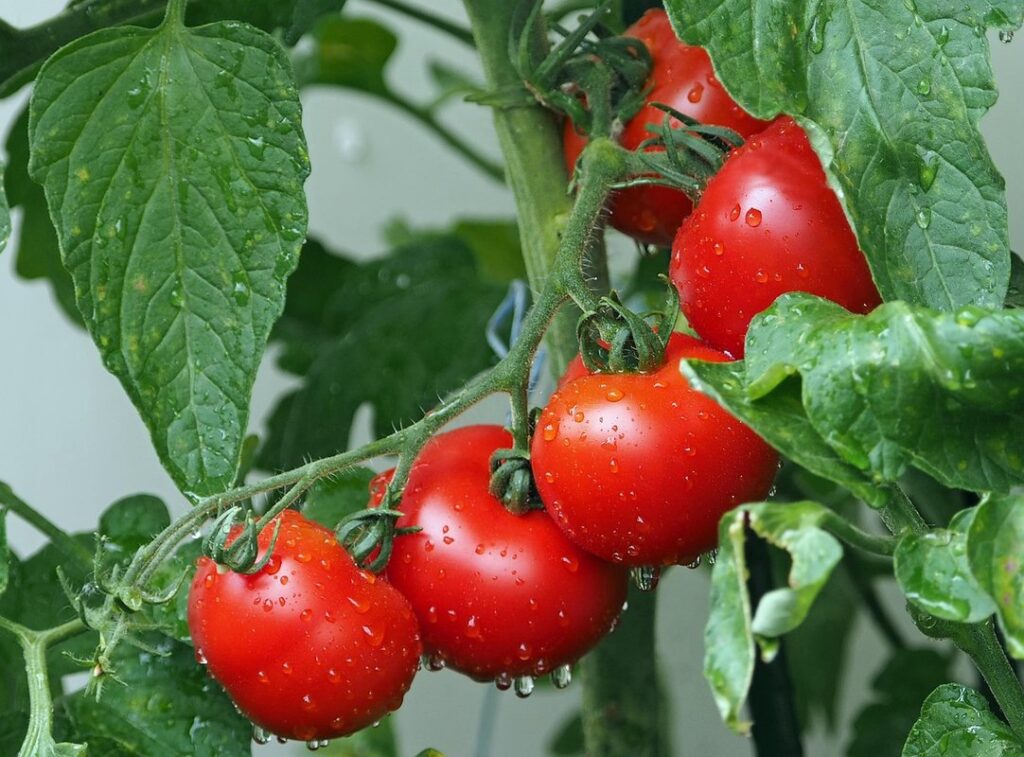
Understanding Tomato Plant Growth Habits
To grow and thrive, tomato plants have unique growth habits that are influenced by the amount of light they receive. Let’s explore how these habits affect your plant’s overall health.
Photosynthesis and Its Importance for Tomatoes
Photosynthesis is a vital process for tomato plants to grow and thrive. It’s the backbone of their energy production, allowing them to convert light into chemical energy. This process is essential for plant growth, as it enables tomatoes to synthesize organic compounds from carbon dioxide and water, releasing oxygen as a byproduct.
In simple terms, photosynthesis is like a solar-powered factory within the tomato leaves. Chlorophyll, the green pigment responsible for photosynthesis, absorbs light energy and uses it to drive chemical reactions that produce glucose and oxygen. Tomatoes use this glucose as fuel to grow new cells, develop fruits, and carry out their daily metabolic activities.
The efficiency of photosynthesis directly impacts a tomato plant’s growth rate, fruit production, and overall health. Plants grown in areas with optimal light conditions tend to have higher yields and better quality fruits compared to those that receive insufficient light. By understanding the importance of photosynthesis for tomatoes, gardeners can create ideal growing conditions that boost their crop’s productivity.
Factors That Influence Tomato Plant Lighting Needs
When it comes to growing tomatoes, understanding their specific lighting needs is crucial for optimal production. However, several factors can influence the amount of light your tomato plants require. Temperature, soil quality, and humidity are among these key factors.
Temperature plays a significant role in determining how much light your tomato plants need. Warmer temperatures typically increase photosynthesis rates, making plants more efficient at using available light. Conversely, cooler temperatures may necessitate additional lighting to compensate for the reduced photosynthetic activity. For instance, tomatoes grown in warm climates might require 30-40% less supplemental lighting than those grown in colder areas.
Soil quality also affects a tomato plant’s ability to absorb and utilize light energy. Soil with optimal nutrient levels allows plants to maintain healthy growth rates even under lower light conditions. Poor soil quality can lead to stunted growth, making the need for additional lighting more pressing. Furthermore, humidity impacts photosynthesis as well. Dry air reduces transpiration, limiting water uptake which in turn affects a plant’s ability to use available light efficiently. Therefore, maintaining optimal temperatures, good soil quality, and suitable humidity levels will help you provide the right amount of light for your tomato plants to thrive.
Choosing the Right Light Spectrum
Now that you’ve considered the intensity of light for your tomatoes, it’s time to think about the right spectrum – a crucial factor in their growth and flavor. Different vegetables respond best to different wavelengths of light.
Understanding Different Types of Light Spectrums
When it comes to lighting for tomatoes, understanding different light spectrums is crucial. This is because various spectrums promote growth and development in distinct ways. Let’s break down the three most common types used: blue, red, and full-spectrum lighting.
Blue light promotes vegetative growth by increasing cell elongation, which can lead to a more compact plant with a stronger stem. However, excessive exposure to blue light may hinder fruit production. For example, in an experiment conducted at the University of California, Davis, plants grown under intense blue LED lighting produced significantly less fruit compared to those exposed to balanced light.
Red light, on the other hand, stimulates flower and fruit development by enhancing cell division and differentiation. This spectrum is particularly beneficial during the flowering stage when tomatoes are producing fruits. In a study published in the Journal of Plant Physiology, researchers found that red LED lighting increased tomato yield by 23% compared to control plants grown under natural light.
Full-spectrum lighting combines blue, red, and other spectrums to replicate natural daylight. This type is often used in commercial greenhouses as it promotes balanced growth and minimizes the risk of spectral deficiencies. When choosing a full-spectrum lighting option, look for products that mimic the solar spectrum (400-700nm) to ensure optimal tomato growth.
It’s essential to note that some plants respond better to specific spectrums, so experiment with different types to determine what works best for your tomatoes. For example, if you’re growing determinate varieties, which produce fruit on a single stem, blue light might be beneficial during the initial stages of growth. On the other hand, indeterminate varieties may require more red light exposure to promote extensive branching and higher yields.
The Role of Blue Light in Tomato Growth
Blue light plays a crucial role in promoting leaf growth and chlorophyll production in tomatoes. Chlorophyll is responsible for photosynthesis, and blue light is instrumental in triggering the process that leads to an increase in chlorophyll production. This results in healthier leaves and stems.
Research has shown that blue light exposure stimulates cell division, which enhances leaf development. A study published by the Journal of Experimental Botany demonstrated that blue light supplementation increased tomato plant biomass by 30%. Another study conducted by a team of horticultural scientists found that plants grown under blue-enriched LED lighting had 20% more chlorophyll content compared to those exposed to standard grow lights.
When choosing a grow light, consider the blue spectrum’s impact on your tomatoes. Opt for an LED or fluorescent light with a higher blue (around 450-495nm) and lower red (600-700nm) proportion. For indoor growers, this could translate to around 20-30% blue light in their setup. By incorporating the right balance of blue light into your grow light selection, you’ll see improvements in your tomato plants’ overall health and productivity.
Measuring and Providing Adequate Lighting
Now that we’ve discussed how tomatoes respond to different light conditions, let’s dive into the specifics of measuring and providing adequate lighting for your plants. This will ensure optimal growth and fruit production.
Calculating the Optimal Amount of Light Tomatoes Need
Calculating the optimal amount of light tomatoes need can be a bit tricky, but it’s essential to get it right. The amount of light required by your tomato plants depends on several factors, including plant density and growing season.
To start, consider the space available for your tomato plants. A general rule of thumb is to provide at least 6-8 hours of direct sunlight per day for indeterminate varieties and 4-6 hours for determinate varieties. However, this can be affected by the plant density. If you’re growing multiple plants in a small area, they’ll require less light than if they were spaced further apart.
For example, if you’re growing a densely planted row of tomatoes, you may only need to provide 4-5 hours of direct sunlight per day. Conversely, if your plants are widely spaced, they might benefit from up to 10 hours of direct sunlight.
Keep in mind that the growing season also plays a significant role. During the summer months when daylight hours are longer, your tomatoes will require more light than during the winter months when days are shorter.
Designing a Customized Lighting System for Your Tomato Plants
Designing a customized lighting system for your tomato plants is an excellent way to optimize their growth and maximize yields. To get started, consider the specific needs of your plants at different stages of development. For example, seedlings require gentle, low-intensity light, while fruiting plants benefit from more intense, high-intensity light.
When designing your lighting system, choose a spectrum that mimics natural daylight. LED grow lights with a balanced spectrum (around 400-700nm) are ideal for tomatoes, as they promote healthy growth and fruit development. Consider using multiple light sources to create a layered lighting effect, where plants receive a mix of direct and indirect light.
Don’t forget to account for the distance between your plants and the light source. Aim for a distance of around 12-18 inches to prevent burning or over-powering your plants. Finally, remember to leave some headroom for future growth by installing adjustable arms or hangers that allow you to raise or lower the lights as needed.
When selecting grow lights, look for those with adjustable brightness and spectrum settings, allowing you to tailor your lighting to meet the specific needs of each stage of plant development.
Maximizing Natural Light in Indoor Environments
When growing tomatoes indoors, making the most of natural light is crucial for their health and productivity. Let’s explore ways to maximize available natural light in your indoor space.
Tips for Placing Indoor Tomatoes Near Windows
When placing indoor tomatoes near windows, it’s essential to consider both sunlight intensity and duration. A south-facing window is ideal for tomato plants, as it receives direct sunlight for most of the day. However, be cautious not to place them too close to the glass, as this can cause overheating.
If you don’t have a large window or live in an area with limited natural light, consider using sheer curtains or blinds to diffuse the sun’s rays and prevent burning. Aim for a spot where your tomatoes receive 4-6 hours of direct sunlight daily.
When choosing a window location, also think about air circulation. Ensure there is enough space between the plant and the glass to allow for proper airflow. This will help prevent fungal diseases that thrive in stagnant environments. By carefully selecting the right placement for your indoor tomatoes near windows, you can create an optimal environment for healthy growth and fruit production.
Remember, it’s not just about placing your tomatoes near a window; it’s also about providing them with the right conditions to thrive. Monitor their response to the new location and adjust as needed to achieve the best results.
Improving Natural Lighting with Mirrors and Reflectors
When working with tomato plants indoors, it’s not uncommon to encounter areas that receive insufficient natural light. In such cases, utilizing mirrors and reflectors can be an effective solution to enhance the available lighting conditions for optimal growth.
Mirrors, in particular, are great at redirecting and amplifying natural light without the need for additional artificial sources. Strategically placing a mirror opposite a window or skylight can help bounce light into areas that would otherwise receive insufficient illumination. For instance, if you have a south-facing window with a large tomato plant placed beside it, consider hanging a mirror on the adjacent wall to reflect light onto the plant.
When using mirrors, be mindful of their placement and orientation. A 45-degree angle is usually most effective in redirecting light. Reflectors can also be used for similar purposes but may require more frequent repositioning as they can accumulate dust over time. Regular cleaning will ensure their effectiveness in enhancing natural lighting conditions for your tomato plants.
Regularly check on the plants’ response to these adjustments and make further tweaks accordingly. This might involve experimenting with different angles, reflector placement, or even adjusting the plants’ positions within the room. By doing so, you’ll be able to strike an optimal balance between using mirrors and reflectors while providing your tomato plants with the best possible environment for growth and development.
Considerations for Specific Tomato Varieties
If you’re growing a specific tomato variety, it’s essential to consider its unique light requirements to ensure optimal flavor and production. This affects varieties like cherry tomatoes, beefsteaks, and Roma tomatoes differently.
Differences in Lighting Requirements Among Popular Tomato Varieties
When growing tomatoes, it’s essential to consider the specific lighting requirements of different varieties. While some tomato types thrive in bright sunlight, others may struggle with intense light conditions. For instance, larger heirloom varieties tend to produce more fruit and grow to be quite large, requiring at least 6 hours of direct sunlight per day.
In contrast, compact determinate varieties like ‘Patio’ or ‘Tiny Tim’ are more suited for containers and can tolerate partial shade. These smaller plants typically require around 4-5 hours of direct sunlight daily. Cherry tomato varieties, such as ‘Sungold’ or ‘Red Cherry’, also prefer well-draining soil and a spot with filtered sunlight.
To ensure optimal growth and fruit production, research the specific lighting needs for your chosen tomato variety. Consider factors like plant size, fruit size, and desired yield when selecting a location for your tomato plants.
Special Care for Dwarf or Patio Tomatoes
When it comes to compact or patio tomatoes, their unique characteristics demand special attention when it comes to lighting. These varieties are bred specifically for smaller spaces and typically mature within 60 days of sowing. As a result, they require more intense light to produce an abundance of fruit.
In indoor growing situations, compact tomatoes can thrive under LED grow lights, providing up to 20 hours of supplemental lighting per day. However, their sensitivity to temperature fluctuations means that growers must ensure the ambient temperature remains between 65-75°F (18-24°C) for optimal growth.
To meet the specific light requirements of dwarf or patio tomatoes, consider using HPS (High Pressure Sodium) grow lights with a PAR output of at least 200 μmol/s. This will provide them with the concentrated light they need to produce healthy fruit. When growing indoors, make sure to leave about 2-3 inches of space between each plant to prevent overcrowding and promote air circulation.
Remember that over-exposure to direct sunlight can also harm compact tomatoes, so be mindful of their placement in sunny windows or under grow lights.
Conclusion: Meeting Your Tomatoes’ Lighting Needs
In conclusion, meeting your tomatoes’ lighting needs is crucial for optimal growth and fruit production. By understanding the different light requirements of various tomato varieties, you can ensure that your plants receive the right amount of light to thrive. As we’ve discussed throughout this guide, tomatoes require at least six hours of direct sunlight per day or high-intensity grow lights to produce well. To summarize, make sure to provide your tomatoes with a south-facing window or install LED grow lights specifically designed for plant growth. This will not only promote healthy growth but also increase the likelihood of a bountiful harvest. With these simple steps and some basic knowledge, you can give your tomatoes the lighting they need to flourish.
Frequently Asked Questions
What’s the best way to monitor my tomato plants’ response to different light spectrums?
Monitor your tomato plants’ growth, leaf color, and fruit production closely. Take note of which spectrum seems to promote the healthiest growth and most abundant fruiting. You can also use a photometer to measure the actual light levels received by your plants.
Can I combine artificial lighting with natural light for my indoor tomatoes?
Yes, combining artificial lighting with natural light can be beneficial for indoor tomato plants. However, ensure that you’re not over-supplementing with artificial light, as this can lead to weak stems and reduced fruit production. Balance both sources to provide your tomatoes with a consistent and optimal light environment.
How do I care for my tomato plants if they are exposed to direct sunlight through windows?
If exposing your tomato plants to direct sunlight through windows, be cautious of overheating. Use sheer curtains or shades to filter the intense sunlight during peak hours (usually between 11 am and 3 pm). This will help prevent damage from excessive heat.
Are there any specific considerations for growing cherry tomatoes under different lighting conditions?
Cherry tomatoes are relatively compact and can thrive under a range of light conditions. However, they still require adequate light to produce well. If you’re using artificial lighting, consider investing in a grow light with a balanced spectrum (ideally between 400-700 nm) tailored for tomato growth.
What’s the best approach for adjusting my indoor tomato plants’ lighting as the seasons change?
Adjust your indoor tomato plant lighting by tracking seasonal changes in daylight hours and intensity. Typically, during winter months, you’ll need to provide supplemental lighting to compensate for reduced natural light. Conversely, during summer months when sunlight is more intense, consider using shades or other filtering methods to prevent damage from excessive heat and UV radiation.