
Are you ready to spice up your cooking with one of the most versatile and flavorful peppers out there? Round yellow chili peppers are not just a tasty addition to your favorite dishes, but also packed with nutrients and easy to grow. Whether you’re a seasoned chef or a gardening newbie, these vibrant peppers are sure to impress. In this article, we’ll delve into the history, benefits, and uses of round yellow chilli peppers in cooking, growing, and preserving. You’ll get expert tips on cultivating them in your backyard, delicious recipes to try, and storage methods to keep their flavor and heat intact all year round. Get ready to unlock the full potential of this incredible pepper and take your culinary skills to the next level!
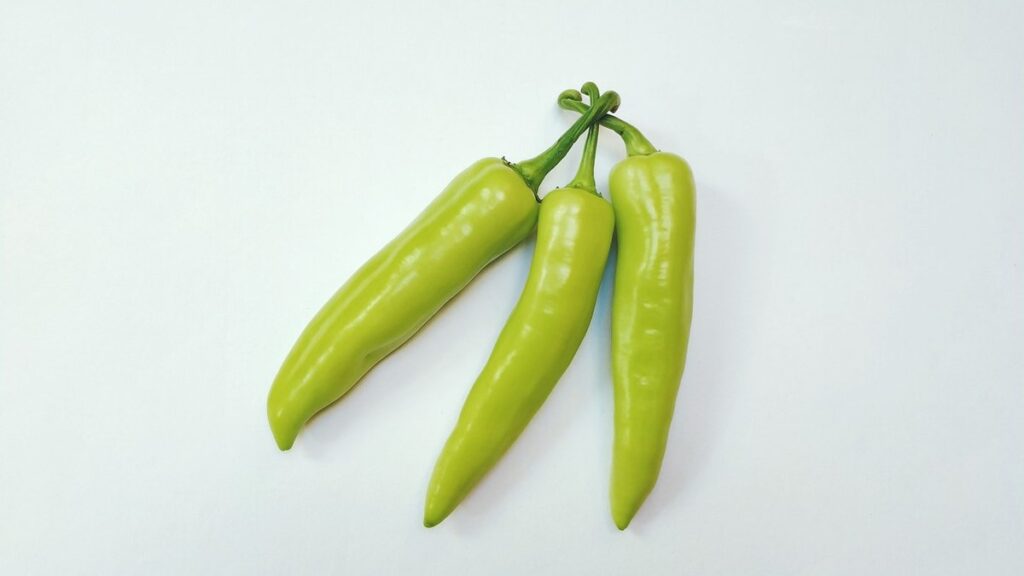
History and Origins
Let’s delve into the fascinating history of the round yellow chilli pepper, a staple in many cuisines around the world. We’ll explore its origins and evolution over time.
Early Cultivation
The earliest recorded cultivation of round yellow chilli peppers dates back to ancient Asia, specifically in present-day India and China. Archaeological evidence suggests that these peppers were widely cultivated in the Indus Valley Civilization around 2000 BCE. It’s believed that they were initially used for their medicinal properties, including pain relief and anti-inflammatory qualities.
From Asia, the round yellow chilli pepper spread to other parts of the world through trade and colonization. European explorers brought back exotic spices, including chillies, from their travels to the Americas in the 16th century. This marked the beginning of a new era for the round yellow chilli pepper, as it adapted to different climates and cuisines.
Interestingly, the Spanish conquistador Hernán Cortés is credited with introducing chillies, including the round yellow variety, to Mexico from South America. The pepper quickly became an integral part of Mexican cuisine, particularly in dishes like chiles rellenos and salsas. Today, you can find round yellow chilli peppers in many parts of the world, often used as a key ingredient in local recipes.
Evolution Over Time
As you delve into the world of round yellow chilli peppers, it’s fascinating to note that their shape, size, and heat level have undergone significant changes over time. This is largely due to selective breeding and regional adaptation, which has led to a diverse range of varieties. In their native India, these peppers were initially small, about 1-2 inches in diameter, and had a relatively low Scoville heat unit (SHU) rating of around 10,000.
However, as farmers and breeders experimented with different strains, they discovered that by selecting for specific traits, they could create larger, more vibrant peppers. Today, you can find round yellow chilli peppers ranging from 2-4 inches in diameter, with SHU ratings of up to 30,000. This increased heat level is a result of selective breeding aimed at enhancing the pepper’s natural defense mechanisms against pests and diseases.
Interestingly, some regions have developed unique varieties that are better suited to their local climate and soil conditions. For instance, in some parts of Europe, you’ll find round yellow chilli peppers with a sweeter flavor profile, thanks to the region’s milder climate. As you explore different types of round yellow chilli peppers, keep in mind these variations and how they might affect your cooking and recipe choices.
Modern-Day Production
Today, round yellow chilli peppers are grown on a massive scale using modern farming practices that emphasize efficiency and sustainability. The ideal climate for growing these peppers is warm with average temperatures ranging from 18-25°C (64-77°F), making regions like the Indian subcontinent, Southeast Asia, and parts of Central and South America ideal locations.
In these countries, farmers use advanced irrigation systems and precision agriculture techniques to optimize yields while minimizing water usage. For instance, in India, many farmers have adopted drip irrigation systems that deliver exactly the right amount of water directly to the roots of the plants, reducing waste and increasing crop productivity by up to 30%.
The majority of round yellow chilli peppers are grown in countries with mild winters and warm summers. In these regions, farmers typically plant the seeds in well-draining soil during the spring or early summer months when temperatures start to rise. With proper care and attention, a single plant can produce over 50 pods, each weighing around 10-15 grams.
Farmers also use crop rotation techniques to maintain soil fertility and reduce pests and diseases. By rotating crops like tomatoes, cucumbers, and okra with chilli peppers, they create a balanced ecosystem that promotes healthy growth and reduces the need for chemical pesticides and fertilizers.
As a result of these modern farming practices, round yellow chilli pepper production has increased significantly over the years. With its sweet and slightly tangy flavor profile, this versatile pepper is now grown commercially in many parts of the world, making it accessible to consumers worldwide.
Characteristics and Benefits
Let’s dive into what makes the round yellow chilli pepper so special, including its characteristics and benefits that make it a great addition to any recipe.
Unique Physical Attributes
One of the most distinctive and recognizable features of the round yellow chilli pepper is its unique physical attributes. When it comes to size, the round yellow chilli pepper typically ranges from 1-2 inches (2.5-5 cm) in diameter, making it a compact and easily manageable pepper for home cooks.
In terms of shape, as its name suggests, the round yellow chilli pepper is, well, round! Its symmetrical and evenly rounded shape makes it visually appealing and easy to identify on the plant or at the market. The color of this variety of chilli pepper is a bright, sunny yellow that’s hard to miss.
The texture of the round yellow chilli pepper is also noteworthy – its thin skin is relatively soft to the touch, but still firm enough to hold its shape when sliced or diced. This makes it an excellent choice for adding a pop of color and flavor to salads, sandwiches, and other dishes without overpowering the other ingredients.
Overall, the unique physical attributes of the round yellow chilli pepper make it a standout variety that’s sure to add some excitement to your cooking repertoire!
Nutritional Value and Health Benefits
When it comes to nutritional value, round yellow chilli peppers are a powerhouse. They’re made up of about 92% water, making them one of the most hydrating vegetables you can eat. With only 49 calories per 100g serving, they’re an excellent choice for those watching their calorie intake.
But what really sets round yellow chillies apart is their rich content of vitamins and minerals. They’re an excellent source of vitamin C, containing about 170mg per 100g serving – that’s more than double the daily recommended amount! Vitamin C is essential for a healthy immune system, and it also plays a key role in collagen production and iron absorption.
In addition to its high vitamin C content, round yellow chillies are also rich in beta-carotene, a powerful antioxidant that helps protect cells from damage. This can help reduce the risk of chronic diseases like heart disease, cancer, and Alzheimer’s. Eating round yellow chillies regularly may also help alleviate symptoms of arthritis due to their anti-inflammatory properties.
So, how can you incorporate more round yellow chillies into your diet? Add them to salads, stir-fries, or use them as a topping for sandwiches – the possibilities are endless!
Flavor Profile and Uses
When it comes to the flavor profile of round yellow chilli peppers, one word that perfectly captures their essence is sweet. Yes, you read that right – sweet! The mild heat and hint of smokiness are balanced by a subtle sweetness that adds depth without overpowering other ingredients. This unique flavor characteristic makes them an excellent addition to a wide range of dishes.
From the spicy stir-fries of Asian cuisine to the aromatic curries of Indian cooking, round yellow chilli peppers bring their signature sweet heat to the table. In fact, they’re often used in salads and sandwiches for a burst of flavor without the intense burning sensation associated with hotter peppers. Try adding them to your favorite pasta salad or using them as a topping for a grilled cheese sandwich – you’ll be surprised at how well they complement other flavors.
One of the best ways to experience the full range of their flavor is to grill or roast them before chopping and adding to your dish. The smokiness that develops during this process heightens their natural sweetness, elevating the overall taste experience. Experiment with different recipes and preparations to unlock the full potential of these versatile peppers.
Growing and Caring for Round Yellow Chilli Peppers
To successfully grow and care for your round yellow chilli peppers, you’ll want to know the ideal climate conditions and provide the right support as they mature. This section will guide you through those essential steps.
Climate and Soil Requirements
When growing round yellow chilli peppers, it’s essential to provide them with optimal climate conditions and suitable soil to ensure a bountiful harvest. These plants thrive in warm temperatures between 65°F (18°C) and 85°F (29°C), making them perfect for regions with mild winters and hot summers.
In terms of humidity, round yellow chilli peppers prefer a relatively high level of moisture, but overwatering can be detrimental. Aim for a humidity range of 50-70% to promote healthy growth and prevent fungal diseases. When it comes to soil type, these plants prefer well-draining, fertile soils with a pH between 6.0 and 7.0.
To achieve the right growing conditions, consider planting round yellow chilli peppers in containers or raised beds filled with a mix of compost, perlite, and vermiculite. This will ensure excellent drainage and prevent root rot. Keep your plants consistently watered, but avoid overwatering, which can lead to root damage and reduced yields. Regularly monitoring temperature, humidity, and soil pH will help you create an ideal environment for these chilli peppers to grow and thrive.
Propagation and Plant Care
Propagation and plant care are crucial steps in growing healthy and productive round yellow chilli pepper plants. To propagate seeds, start by sowing them ¼ inch deep and 1-2 inches apart in a well-draining seed starting mix. Water gently but thoroughly, and maintain a temperature of around 75-85°F (24-29°C) until germination.
For seedlings, transplant them into larger containers or directly into the garden when they have 2-3 sets of leaves. Water regularly, providing about 1-2 inches of water per week. Fertilize with a balanced fertilizer once a month, following the manufacturer’s instructions. Pruning is also essential to promote bushy growth and prevent disease.
Regularly inspect your plants for signs of pests or diseases. Watch out for aphids, whiteflies, and spider mites, which can be controlled using neem oil or insecticidal soap. To manage fungal diseases, remove infected leaves and treat the plant with a fungicide. By following these care techniques, you’ll be able to successfully propagate and maintain healthy round yellow chilli pepper plants.
Common Issues and Troubleshooting
Growing round yellow chilli peppers can be a rewarding experience, but like with any crop, challenges may arise. One of the most common issues you might encounter is fungal infections. These can manifest as powdery mildew, leaf spot, or root rot. To prevent this, ensure good air circulation around your plants and avoid overwatering.
Pests are another problem that might pop up. Aphids, whiteflies, and spider mites are notorious chilli pepper pests. Regularly inspect your plants for any signs of infestation and use neem oil or insecticidal soap to control outbreaks.
Nutrient deficiencies can also affect your round yellow chilli peppers. A lack of calcium, nitrogen, or phosphorus can lead to yellowing leaves, stunted growth, or fruit set issues. Monitor your plant’s nutrient intake by using a balanced fertilizer and consider soil testing for more specific guidance.
Keep in mind that these problems are often interconnected – poor air circulation might contribute to fungal infections, while pests can weaken plants, making them more susceptible to disease.
Recipes and Culinary Uses
Get creative in the kitchen with our favorite recipes that showcase the round yellow chilli pepper’s unique flavor, from spicy stir-fries to tangy sauces. Try these dishes tonight!
Traditional Dishes from Around the World
One of the joys of cooking with round yellow chilli peppers is exploring their rich cultural significance across various international cuisines. Let’s embark on a culinary journey to Asia, Latin America, and the Mediterranean, where this versatile pepper is a staple ingredient.
In Asian cuisine, round yellow chilli peppers are used extensively in Chinese Szechuan cooking, particularly in dishes like Kung Pao chicken, which relies on their spicy kick for flavor. In Japan, they’re pickled or added to soups for a burst of citrusy heat. Indian and Korean cuisines also incorporate them into curries and stir-fries.
In Latin America, round yellow chilli peppers are a fundamental component in many traditional dishes. Mexican cooks use them to add depth to salsas and sauces, while Brazilian chefs employ them in grilled meats and stews. Meanwhile, Mediterranean countries like Greece and Turkey rely on their sweet and smoky flavor in various kebab recipes.
When incorporating round yellow chilli peppers into your cooking, remember that their heat level can be adjusted by removing seeds or membranes. Simply chop or slice them according to the recipe’s requirements, and enjoy the aromatic flavors they bring to a wide range of international dishes.
Modern Twists and Creative Ideas
Round yellow chilli peppers are incredibly versatile and can be used in a variety of dishes to add a pop of color and a kick of heat. One of the most innovative ways to use them is in sauces, such as salsas or hot sauces. For example, you could puree roasted round yellow chillies with garlic, lemon juice, and olive oil for a simple yet flavorful sauce that’s perfect for topping tacos or grilled meats.
You can also use round yellow chilli peppers in marinades to add depth and heat to your favorite proteins. Simply puree the chillies with olive oil, acid (such as vinegar or citrus), and spices, then rub it all over chicken, beef, or pork before grilling or roasting. Another creative idea is to use round yellow chilli peppers as a spicy substitute for hot sauce in recipes that call for a kick of heat but not the thick consistency of traditional hot sauce.
To take your round yellow chilli pepper game to the next level, try making a chilli-infused oil by blending roasted chillies with olive oil and letting it sit at room temperature for a few days. This flavorful oil can be used as a finishing touch in soups, stews, or salads, adding a subtle yet spicy kick that elevates the entire dish.
Preservation and Storage
To keep your round yellow chilli peppers fresh for as long as possible, it’s essential to store them properly and preserve any leftovers. We’ll cover some simple tips on how to do just that.
Drying and Roasting Methods
To preserve the flavor and heat level of round yellow chilli peppers, drying and roasting are two effective methods. Drying is a more labor-intensive process that requires patience, but it allows for longer storage and retains the pepper’s natural oils.
For air-drying, tie the chillies in small bunches and hang them upside down in a warm, dry, dark place with good ventilation. This method can take several weeks to months depending on the humidity level and temperature. Regularly check on the peppers to ensure they are completely dry, as any moisture can lead to mold.
Roasting is a quicker method that caramelizes the natural sugars in the pepper, enhancing its flavor. Preheat your oven to 350°F (175°C) and place the chillies directly on the middle rack. Roast for 10-15 minutes or until the skin starts to blister and char. Let them cool before peeling off the skin and storing.
Both methods help preserve the pepper’s intense heat level, but roasting is generally more effective due to its caramelization process. Regardless of the method chosen, store the dried or roasted peppers in airtight containers to maintain their flavor and potency for extended periods.
Freezing and Canning Techniques
When it comes to preserving the freshness and heat of round yellow chilli peppers, freezing and canning are two popular methods that can help you enjoy them throughout the year. Before we dive into the techniques, it’s essential to prepare your chillies properly. Start by washing, drying, and chopping or slicing the peppers as desired.
For freezing, place the prepared chillies in a single layer on a baking sheet lined with parchment paper and put them in the freezer until frozen solid. Transfer the frozen chillies to an airtight container or freezer bag for long-term storage. Frozen round yellow chilli peppers can be stored for up to 8 months.
Canning is another excellent option, but it requires some extra caution due to the risk of botulism. Make sure to follow tested recipes and guidelines from reputable sources, such as the USDA’s Complete Guide to Home Canning. Process the jars in a boiling water bath for 10-15 minutes to ensure proper sterilization.
When it comes to storage conditions, keep both frozen and canned round yellow chilli peppers away from direct sunlight, moisture, and heat sources. For optimal flavor and texture, consume within 6 months of canning or freezing.
Frequently Asked Questions
Can I grow round yellow chilli peppers indoors, even without a garden?
Yes, with proper care and conditions, you can successfully grow round yellow chilli peppers indoors on a sunny windowsill or under grow lights. Provide well-draining soil, maintain temperatures between 65-75°F (18-24°C), and ensure sufficient light for optimal growth.
How do I preserve the nutritional value of my homegrown round yellow chilli peppers?
To retain the nutrients in your homegrown peppers, focus on gentle drying methods like air-drying or using a dehydrator. Avoid high heat, which can destroy vitamin C and B vitamins. You can also freeze or can your peppers to preserve their flavor and nutrients for later use.
What are some common issues I might encounter when growing round yellow chilli peppers?
Some common issues include fungal diseases like powdery mildew or root rot, caused by overwatering. Regularly inspect your plants, maintain good air circulation, and avoid waterlogged soil to prevent these problems. Also, watch out for pests like aphids or whiteflies.
How do I know when my round yellow chilli peppers are ripe?
Check the color – they should turn from green to bright yellow. Gently touch the skin; a ripe pepper will be slightly soft but still firm. The stem should come off easily when twisted, indicating it’s ready for harvest.
Can I use round yellow chilli peppers in sweet dishes, or are they only suitable for savory recipes?
While typically associated with savory dishes, round yellow chilli peppers can add a unique flavor and sweetness to baked goods like cakes, muffins, or breads. Use them sparingly and adjust the amount according to your personal taste preferences.