
When it comes to cooking, there’s one ingredient that can make all the difference: garlic. But with so many types out there, it’s easy to get confused about which one to choose. From elevating your favorite sauces and marinades to adding depth to your roasted vegetables, using the right type of garlic can be a game-changer in the kitchen.
In this article, we’ll explore the world of best garlic, highlighting the key differences between elephant, softneck, and hardneck varieties. Whether you’re a seasoned chef or a culinary newbie, understanding how to grow and use these different types will take your cooking to the next level. We’ll also dive into the nutritional benefits of garlic and share tips on how to incorporate it into your favorite dishes for maximum flavor.
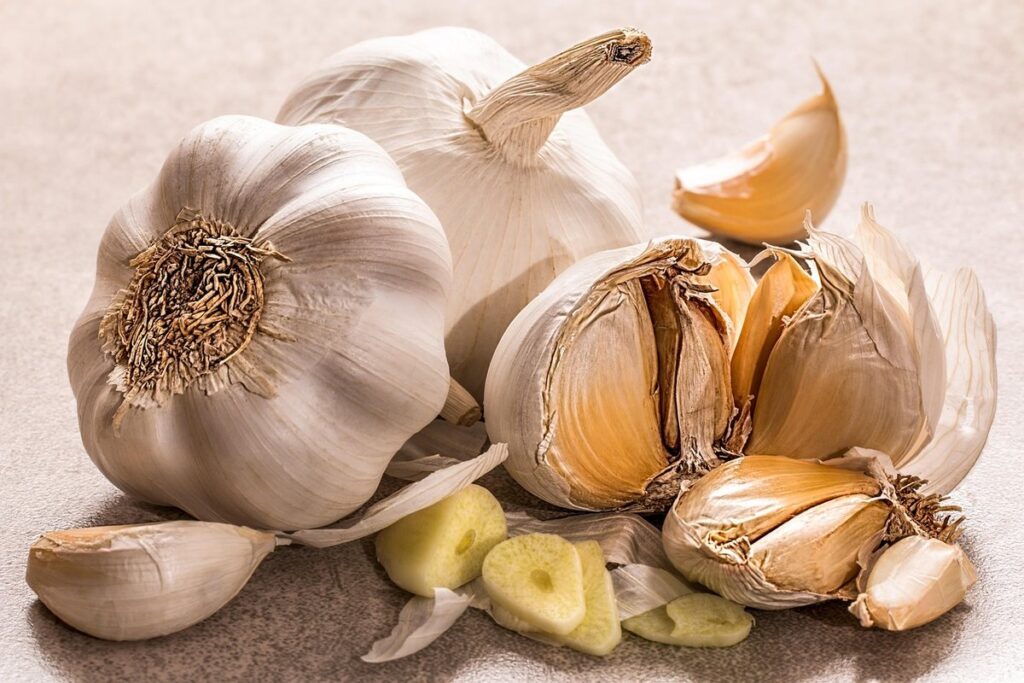
Choosing the Right Type of Garlic
When it comes to selecting the perfect garlic for your kitchen, you’ll want to consider the type that best suits your needs: are you looking for a strong flavor or a milder taste?
Characteristics of Elephant Garlic
Elephant garlic is one of the most distinct types of garlic, easily recognizable by its enormous size and mild flavor profile. Unlike regular garlic bulbs that typically range from 1-2 inches in diameter, elephant garlic bulbs can grow up to 4 inches or more in circumference. This makes them a popular choice for those who prefer milder garlic flavors without sacrificing the depth and richness associated with regular garlic.
One of the primary characteristics of elephant garlic is its sweet, nutty flavor that is often described as buttery and rich. The flavor profile is so mild that it’s commonly used in dishes where a strong garlic taste might overpower other ingredients. Elephant garlic also has a higher water content compared to other types of garlic, which makes it easier to cook with.
When choosing elephant garlic, look for firm, dry bulbs with no signs of sprouting or mold. Store them in a cool, dark place to preserve their flavor and shelf life. In cooking, use elephant garlic sparingly as its mild flavor can quickly become overpowering if not balanced with other ingredients.
Characteristics of Softneck Garlic
Softneck garlic is one of the most widely cultivated and consumed types of garlic globally. Its ease of growth is a significant advantage for gardeners and commercial farmers alike. Softneck garlic varieties tend to have longer necks than hardneck garlic, which makes them easier to harvest and store. This characteristic also contributes to their ability to be braided or tied in bunches, allowing for more efficient storage.
Softneck garlic requires less maintenance during growth and is generally more resistant to pests and diseases. Its relatively thin skin also makes it easier to peel. When stored properly, softneck garlic can last up to six months, making it a popular choice among chefs and home cooks who rely on a consistent supply of fresh garlic.
In terms of flavor, softneck garlic is often milder than hardneck varieties, which may be preferred by those who find strong garlic flavors overpowering.
Comparison with Hardneck Garlic
When it comes to choosing the right type of garlic, one of the most significant decisions you’ll make is between hardneck and softneck varieties. While both types have their own unique characteristics, they differ significantly in terms of flavor, texture, and growing requirements.
Flavor-wise, hardneck garlic is often described as having a more robust, spicy flavor profile compared to softneck. This is because the cloves are formed in a single layer around the central stem, which concentrates the flavors and aromas. Softneck garlic, on the other hand, has a milder taste and a softer, more pliable texture.
In terms of growing requirements, hardneck garlic prefers cooler climates with well-drained soil and full sun. It’s also more prone to disease and requires more maintenance than softneck varieties. Softneck garlic, by contrast, is more adaptable to various environments and has fewer disease problems. If you’re a beginner or have limited space, softneck might be the better option for you.
When deciding between these two types, consider your personal preferences and growing conditions.
Growing Your Own Garlic
Growing garlic at home is a rewarding experience that not only saves you money but also allows for total control over quality and freshness. You can start by selecting the right variety for your climate and soil type.
Preparing the Soil for Planting
When it comes to growing your own garlic, preparing the soil is an essential step that can make all the difference in the quality and flavor of your harvest. Garlic is a hardy crop that can thrive in a variety of conditions, but it still requires a well-prepared soil bed to produce its best.
To start, test your soil’s pH levels to ensure they’re within the optimal range for garlic cultivation, which is between 6.0 and 7.5. If your soil is too acidic or alkaline, add lime to raise the pH or sulfur to lower it. This may seem like a small step, but it can greatly impact the growth and flavor of your garlic.
Next, incorporate organic matter such as compost, well-rotted manure, or green sand into your soil to improve its structure and fertility. This will provide your garlic with the necessary nutrients for healthy growth, including sulfur, potassium, and phosphorus. Aim to add at least 2-3 inches of organic matter to the top 6-8 inches of soil.
Tips for Planting Garlic
When it’s time to plant garlic, getting the timing right is crucial. In most regions, the ideal time for planting garlic is during the fall season, about 6-8 weeks before the first frost. This allows the bulbs to establish themselves over the winter months and then emerge in the spring when the weather warms up.
When it comes to spacing, plant individual cloves about 4-6 inches apart and 2-3 inches deep. Make sure each clove is pointed end up, as this will help them grow correctly. Planting too close together can lead to overcrowding, which can result in a lower yield and increased susceptibility to disease.
As for depth, it’s essential to plant the cloves at the right level. If they’re planted too shallowly, they may not develop properly, while planting too deeply can cause rot. To avoid these issues, plant them at a depth where only the top set of scales is visible above the soil surface.
Remember, consistency is key when growing garlic. Use high-quality bulbs and follow proper planting techniques to ensure you get the best results.
Common Pests and Diseases Affecting Garlic
As a garlic grower, it’s essential to be aware of the common pests and diseases that can impact your crop. These unwanted visitors can reduce yields, affect flavor and quality, and even destroy entire plantings.
Some common pests affecting garlic include aphids, spider mites, and thrips. Aphids are small, soft-bodied insects that feed on plant sap, causing curled or distorted leaves. Spider mites are tiny, eight-legged arachnids that suck plant juices, leading to yellowing or bronzing of the foliage. Thrips, on the other hand, are tiny insects that pierce plant tissues, causing stunted growth and distorted flowers.
To control these pests, maintain a clean growing area by removing weeds and debris that can harbor them. Use neem oil or insecticidal soap to repel aphids and spider mites, while introducing beneficial nematodes can help control thrips populations. Regularly inspect your plants for signs of infestation and act promptly to prevent these pests from spreading.
Common diseases affecting garlic include powdery mildew, downy mildew, and botrytis. To prevent these diseases, ensure good air circulation around the plants and avoid overhead watering, which can encourage fungal growth.
Selecting High-Quality Store-Bought Garlic
When shopping for store-bought garlic, it can be overwhelming to navigate through various options, but choosing the right one is crucial for optimal flavor and nutrition. We’ll walk you through what to look for in a high-quality garlic.
Factors to Consider When Buying Garlic
When buying store-bought garlic, there are several key factors to consider to ensure you’re getting high-quality cloves. First and foremost, check the freshness of the garlic by looking for signs of sprouting or mold. Fresh garlic should be firm and have a pungent aroma, while older garlic may be soft or discolored.
Another crucial factor is the origin of the garlic. Garlic from countries like China and India may be grown using intensive farming methods that prioritize yield over quality. In contrast, garlic from regions like California and Italy are often grown using more sustainable practices that preserve the natural flavor and aroma of the cloves.
Be sure to check the label for information on the growing region, harvesting method, and storage conditions. Opt for garlic that has been stored in a cool, dry place to prevent sprouting or moisture damage. By paying attention to these details, you can choose store-bought garlic that is not only fresh but also sustainably sourced.
How to Tell If Garlic Is Fresh
When selecting store-bought garlic, it’s essential to ensure you’re getting fresh cloves. To determine if garlic is fresh, look for the following visual cues: firm bulbs with tightly closed papery wrappers and compact, uniform cloves. Avoid garlic with soft or moldy spots, as this can be a sign of spoilage.
Another way to assess freshness is through olfactory cues – fresh garlic should have a pungent aroma that’s released when you crush the bulb. If it doesn’t give off any scent at all, or if the smell is weak, it may not be fresh. Proper storage can also impact the longevity and quality of your garlic. Store whole bulbs in a cool, dry place with good airflow to keep them fresh for up to 6 months. Don’t store garlic near heat sources or direct sunlight, as this can cause moisture buildup and spoilage.
When storing individual cloves, wrap them tightly in plastic wrap or aluminum foil to maintain humidity and prevent drying out. By paying attention to these visual and olfactory cues, you’ll be able to select high-quality garlic that will add depth and flavor to your dishes.
Using Garlic in Cooking: Tips and Techniques
When it comes to cooking with garlic, knowing how to use it effectively is key to bringing out its full flavor potential. Let’s dive into some essential tips for incorporating garlic into your dishes.
Roasting Garlic for Enhanced Flavor
Roasting garlic brings out its inherent sweetness, making it an ideal addition to various dishes. To roast garlic, preheat your oven to 400°F (200°C). Cut the top off a whole head of garlic, drizzle with olive oil, and wrap in foil. Roast for 30-40 minutes or until the cloves are tender when pierced with a fork.
The roasted garlic can be used as is or mashed into a paste. It’s a game-changer for sauces, marinades, and dips. For example, mix roasted garlic with lemon juice, olive oil, and herbs to create a flavorful sauce for grilled meats or vegetables. You can also add it to your favorite hummus recipe for an extra layer of depth.
Roasting garlic is especially useful when working with strong flavors. It pairs well with rich ingredients like cheese, mushrooms, and beans. To incorporate roasted garlic into your cooking, start by making a batch and storing it in the fridge for up to a week. Then, experiment with different combinations to find your new favorite recipes.
Caramelizing Garlic for Sweetness
When it comes to cooking with garlic, many of us reach for the same old methods: crushing, chopping, or mincing. But if you want to unlock the natural sweetness that lies within this pungent ingredient, it’s time to try caramelizing garlic. This technique involves cooking garlic slowly over low heat to bring out its inherent sugars and create a rich, deep flavor.
To caramelize garlic, simply chop or slice the cloves thinly and cook them in a pan with a small amount of oil over low heat. Stir occasionally until they start to soften and turn golden brown – this should take about 10-15 minutes. You’ll know it’s done when the garlic is dark brown and has a deep, caramel-like aroma.
One of the benefits of caramelizing garlic is that it mellows out its pungency, making it perfect for recipes where you want a subtle garlic flavor without the overpowering taste. Try using caramelized garlic in sauces, soups, or as a topping for bread – it’s a game-changer.
Nutritional Benefits and Health Effects of Garlic
Garlic is more than just a flavorful addition to your meals, it also packs a punch when it comes to its nutritional benefits and health effects. Let’s dive into what makes garlic so good for you!
Antimicrobial Properties and Digestive Health
Garlic has long been recognized for its exceptional antimicrobial properties, which play a significant role in maintaining digestive health. Its active compounds, particularly allicin and sulfur-containing amino acids, demonstrate potent bactericidal activity against a wide range of pathogens, including E. coli, Salmonella, and H. pylori.
When consumed regularly, garlic’s antimicrobial effects can help prevent gut infections by creating an unfavorable environment for harmful bacteria to thrive. This is especially beneficial for individuals with compromised immune systems or those taking antibiotics, as their microbiome may become imbalanced. Regular consumption of garlic has also been shown to reduce symptoms of irritable bowel syndrome (IBS), including bloating and abdominal pain.
Incorporating garlic into your diet can be as simple as adding it to meals or using it as a natural remedy for digestive issues. To maximize its antimicrobial benefits, choose fresh, organic garlic over processed or powdered forms, which may lose their potency during processing. Cook garlic lightly to preserve its delicate compounds and consider combining it with other gut-friendly ingredients like lemon juice and olive oil for an added health boost.
Cardiovascular Health and Blood Pressure Management
Garlic has been extensively studied for its potential cardiovascular benefits, with significant evidence pointing to its ability to reduce blood pressure and improve lipid profiles. In fact, a study published in the Journal of Nutrition found that consuming 1.4 grams of garlic per day for three months resulted in a significant reduction in systolic blood pressure among participants. This is likely due to the high levels of sulfur compounds present in garlic, which have been shown to relax and dilate blood vessels, improving circulation and reducing blood pressure.
To incorporate garlic into your diet for cardiovascular health, consider adding it to meals one to two times per day. You can mince or chop fresh garlic and mix it with olive oil as a salad dressing, or sauté it with vegetables as a side dish. For an added boost, try taking 1-2 cloves of raw garlic per day, either on its own or mixed with other ingredients like honey or lemon juice.
Additionally, look for high-quality garlic that is rich in allicin and other sulfur compounds. These nutrients are responsible for the medicinal properties of garlic and will provide the most benefit when consumed.
Frequently Asked Questions
Can I use elephant garlic as a substitute for regular garlic in all recipes?
Yes, but keep in mind that its milder flavor profile may require adjusting the amount used to achieve the desired taste. Start with smaller quantities and taste as you go to ensure the best results.
How do I store my fresh garlic to maintain its quality and flavor?
Proper storage is essential for maintaining the quality and flavor of your fresh garlic. Store it in a cool, dry place or in an airtight container in the refrigerator to prevent moisture from causing spoilage.
What are some common pests that can affect my homegrown garlic crop?
Some common pests that may affect your homegrown garlic include aphids, spider mites, and nematodes. To minimize damage, use row covers or fine-mesh screens to keep these pests away, and maintain a balanced ecosystem in your garden.
Can I roast or caramelize any type of garlic, including elephant garlic?
While you can roast or caramelize various types of garlic, some work better than others due to their natural sweetness and flavor profiles. Elephant garlic, with its milder taste, may not develop the same level of caramelization as regular garlic, but it still yields a delicious result.
How do I incorporate more garlic into my diet for maximum health benefits?
To reap the nutritional rewards of garlic, aim to consume 1-2 cloves per day, either raw or cooked. Mix minced garlic into your meals, use garlic-infused olive oil, or try garlic supplements as recommended by healthcare professionals.