
Are you ready to add some vibrant color and excitement to your garden this summer? Summer flowering bulbs are the perfect way to do just that, providing months of blooms in shades of bright pink, sunny yellow, and bold red. But with so many types to choose from, it can be overwhelming to decide which ones to plant. That’s where we come in – our comprehensive guide will walk you through everything you need to know about choosing, planting, and caring for summer flowering bulbs. We’ll cover the top types of summer flowering bulbs, including dahlias, gladiolus, and canna, as well as provide expert tips on how to plant them and troubleshoot common problems that may arise. By the end of this article, you’ll be a pro at coaxing these gorgeous blooms out of your garden.
Choosing the Right Bulbs
When it comes to summer flowering bulbs, choosing the right ones for your garden can be a bit overwhelming. Let’s break down what to consider when making your selection.
Types of Summer Flowering Bulbs
When it comes to summer flowering bulbs, you’ve got an array of options to choose from. One popular type is lilies (Lilium spp.), which produce stunning trumpet-shaped blooms that come in a range of colors like white, pink, and yellow. These elegant flowers thrive in well-drained soil and full sun, making them perfect for gardens with plenty of sunlight.
Another showstopper is the gladiolus (Gladiolus spp.), also known as glad or sword lily, which boasts vibrant spikes of color in shades from soft pastels to bold brights. These bulbs prefer well-draining soil and partial shade to full sun, depending on the climate you’re in.
For a tropical flair, consider adding cannas (Canna spp.) to your garden bed. These striking flowers come in various hues like pink, red, and yellow, with leaves that resemble banana plants. Cannas love moist soil and full sun, but be aware they can grow quite tall – up to 6 feet or more!
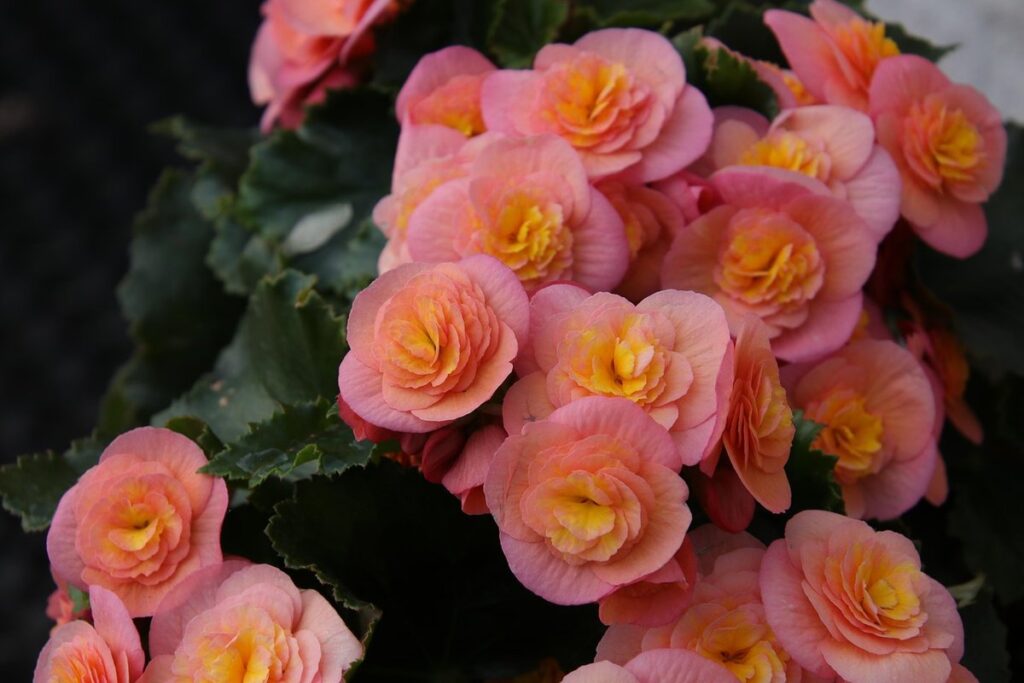
Lastly, don’t overlook the likes of dahlias (Dahlia spp.), begonias (Begonia spp.), and gerbera daisies (Gerbera jamesonii), which all offer unique charm and vibrancy.
Considerations for Selecting Bulb Varieties
When selecting summer flowering bulbs, there are several factors to consider to ensure you choose varieties that thrive in your garden. First and foremost, think about the color palette you want to achieve in your garden. Summer flowering bulbs come in a wide range of colors, from vibrant pinks and oranges to soft purples and whites. Consider how these colors will blend with existing plants and hardscaping elements to create a cohesive look.
Another key consideration is bloom time. Some summer flowering bulbs, like gladiolus and canna, produce large blooms in mid-summer, while others, such as daylily and black-eyed Susan, bloom in late summer or early fall. Choose varieties that will provide a consistent display of color throughout the growing season.
Finally, consider the growing conditions required by each variety. Some bulbs prefer well-drained soil and full sun, while others thrive in partial shade and moist environments. Make sure to choose varieties that are suitable for your garden’s specific climate and soil type.
Tips for Planting Bulbs at the Right Time
When it comes to planting summer flowering bulbs, timing is everything. The ideal time to plant will depend on your region and climate, as well as the specific type of bulb you’re working with.
In general, most summer flowering bulbs should be planted about 6-8 weeks before the last frost date in your area. This allows the bulbs to establish themselves in the soil before the heat of summer sets in. For example, if you live in a region with a last frost date of May 1st, you would want to plant your summer flowering bulbs around mid-March.
In warmer climates, such as USDA zones 9-11, you can often get away with planting summer flowering bulbs in late winter or early spring, as the soil has warmed up and the risk of frost is minimal. However, even in these regions, it’s still important to choose a variety that is heat-tolerant and suitable for your specific climate.
To ensure successful planting, make sure to choose a location with good drainage and full sun to partial shade. Plant the bulbs at the correct depth, usually 2-3 times their height, and space them about 3-6 inches apart. Water well after planting and keep the soil consistently moist during the first growing season.
Planting and Caring for Summer Flowering Bulbs
Now that you have your summer flowering bulbs, let’s dive into the process of planting them correctly to ensure they thrive throughout the growing season. This includes choosing the right location and soil conditions.
Preparing the Soil for Success
When it comes to planting summer flowering bulbs, preparing the soil is an essential step that often gets overlooked. However, taking the time to prepare the soil will ensure that your bulbs get off to a strong start and bloom beautifully throughout the season.
First, test the pH level of your soil to determine if any adjustments need to be made. Most summer flowering bulbs prefer well-draining soil with a slightly acidic to neutral pH (around 6.0-7.0). If your soil is too alkaline or acidic, amend it with lime or sulfur to bring it back into balance.
Adding organic matter like compost or well-rotted manure will also help improve soil structure and fertility. This will provide essential nutrients for the bulbs as they grow and bloom. Aim to mix in about 2-3 inches of compost or manure into the top 6-8 inches of soil before planting your bulbs.
By taking these simple steps, you’ll be giving your summer flowering bulbs the best possible chance at success.
Proper Planting Technique
When planting summer flowering bulbs, it’s essential to get it right from the start. This will ensure that your bulbs receive the nutrients they need to produce beautiful blooms throughout the growing season.
Start by digging a hole that is two to three times as deep as the bulb itself. For example, if you’re planting a dahlia or a gladiolus, which can grow up to 4-6 feet tall, dig a hole that’s around 12-18 inches deep. Make sure the hole is also wide enough to accommodate the roots of the bulb.
Next, place the bulb in the hole with its pointed end facing upwards and its basal plate (the flat base of the bulb) facing downwards. Fill the hole with soil, making sure to gently firm it down around the bulb as you go. Leave about an inch or two of space between each bulb, depending on their size.
Water the bulbs well after planting and keep the soil consistently moist throughout the growing season. This will help them establish a strong root system and produce plenty of flowers. By following these simple steps, you’ll be well on your way to enjoying a stunning display of summer flowering bulbs in your garden.
Watering and Fertilizing Strategies
When it comes to watering and fertilizing summer flowering bulbs, understanding their specific needs during different growth stages is crucial for optimal performance. Most summer flowering bulbs go dormant after blooming, so they require careful attention until new growth appears.
During the first growing season, water bulbs regularly but make sure not to overwater. Aim for about 1-2 inches of water per week, either through rainfall or irrigation. You can check soil moisture by sticking your finger into the soil up to the knuckle; if it feels dry, it’s time to water.
As the bulb grows and begins producing leaves, you’ll need to adjust your fertilization strategy. Feed them with a balanced fertilizer (10-10-10 NPK) during the growing season, following the manufacturer’s instructions for application rates. For example, daffodils, which typically bloom in late spring, benefit from a low-nitrogen feed during their active growth period.
In general, it’s best to avoid fertilizing bulbs after they’ve finished blooming, as this can encourage weak foliage growth at the expense of bulb formation. By following these watering and fertilization guidelines, you’ll be well on your way to growing healthy, thriving summer flowering bulbs.
Common Challenges and Solutions
As you plant and care for your summer flowering bulbs, you may encounter some common issues that can be frustrating to resolve. Let’s tackle these challenges together!
Dealing with Pests and Diseases
When it comes to enjoying your summer flowering bulbs, dealing with pests and diseases can be a significant challenge. Some common pests that affect these plants include aphids, whiteflies, and spider mites, while diseases like tulip fire, botrytis, and powdery mildew are also prevalent.
To manage aphid infestations, try using neem oil or insecticidal soap according to the product’s instructions. For more severe outbreaks, you can introduce beneficial insects such as ladybugs or lacewings that prey on these pests. Whiteflies, on the other hand, can be controlled by removing weeds and debris around your plants, reducing watering frequency, and introducing natural predators like parasitic wasps.
To prevent disease outbreaks, ensure good air circulation around your plants, remove any infected leaves or stems, and apply fungicides as needed. Regularly inspect your plants for signs of infection, such as yellowing leaves, black spots, or powdery patches, and take action promptly to prevent the spread of disease.
Overcoming Bulb Failure and Low Bloom Rates
When bulbs fail to bloom or produce low-quality flowers, it can be frustrating and disappointing. Before assuming that the bulb is a dud, let’s consider some common reasons for failure. Inadequate winter chill time, which can be as simple as not allowing the bulbs to dry out properly after blooming, can prevent them from flowering. Poor soil quality or inadequate sunlight can also impact bloom rates.
If you’re experiencing low bloom rates, try these troubleshooting tips: check the bulb’s label for specific care requirements, ensure the soil drains well and isn’t waterlogged, and consider repotting the bulbs in a location with more direct sunlight. Keep in mind that some summer flowering bulbs, like canna lilies, require warmer temperatures to produce flowers.
Another possible reason for poor blooms is incorrect planting depth. Planting too deeply or not deep enough can affect bulb performance. When replanting, make sure the base of the bulb (where the stem meets the roots) is level with the soil surface.
In extreme cases where bulbs fail to bloom despite proper care, consider repotting in a different location or replacing them altogether.
Propagation and Storage
To ensure a continuous bloom, you’ll want to learn how to properly propagate and store your summer flowering bulbs to extend their lifespan. Proper care will make all the difference in getting them to thrive year after year.
Techniques for Dividing and Multiplying Bulbs
Dividing and multiplying summer flowering bulbs is an excellent way to share your favorite varieties with friends and family, reduce overcrowding, and even earn some extra cash. To get started, you’ll need a few simple tools: a fork or spade for digging, a garden hose or watering can for keeping the soil moist, and a clean, dry pot or bag for storing your divided bulbs.
Begin by carefully digging up the entire clump of bulbs, taking care not to damage the roots. Gently separate the individual bulbs, using a fork to loosen any stubborn ones. You can also use this opportunity to inspect each bulb for signs of disease or rot – discard any that are damaged.
To multiply your bulbs, select healthy ones with at least two growth points (the small white shoots from which new leaves and flowers will grow). Plant these in a well-draining pot or bag filled with fresh compost, water thoroughly, and keep the soil consistently moist but not waterlogged. With proper care, you should see new growth within 6-8 weeks.
Long-Term Storage Strategies
When the summer flowering season comes to an end, it’s essential to store your bulbs properly to ensure they thrive for years to come. Proper storage techniques will help you conserve energy and resources while maintaining the health of your bulbs.
Drying is a simple yet effective method for storing summer flowering bulbs. After the foliage has died back, remove any remaining soil and dry the bulbs in a warm, dry place away from direct sunlight. This helps prevent moisture buildup, which can lead to rot and other diseases. Once the bulbs are completely dry, store them in paper bags or breathable containers.
For more sensitive varieties, refrigeration is the preferred storage method. Store the bulbs in a sealed plastic bag or container, and place it in the refrigerator at around 40°F (4°C). This slows down growth and allows the bulb to conserve energy for next year’s bloom.
It’s also essential to label your stored bulbs so you can easily identify them when spring arrives. Keep your storage area cool, dark, and dry to prevent moisture buildup and maintain the longevity of your summer flowering bulbs.
Designing with Summer Flowering Bulbs
When it comes to designing with summer flowering bulbs, choosing the right combination of colors and textures is key to creating a visually stunning display. Consider pairing vibrant lilies with delicate freesias for added depth and interest.
How to Create a Harmonious Color Scheme
When selecting summer flowering bulbs to create a harmonious color scheme, it’s essential to consider not only their individual beauty but also how they will work together. A well-planned color palette can elevate the overall appearance of your garden, creating a visually stunning display that draws the eye.
To begin, choose a dominant color or theme and build upon it with complementary colors. For example, if you’re drawn to the warm tones of Crocus ‘Flower Record’ (a vibrant yellow), balance its brightness with cooler-toned bulbs like Scilla ‘Spring Beauty’ (a soft blue) or Grape Hyacinth ‘Blue Jacket’ (a delicate purple). Alternatively, combine contrasting colors like red and green for a bold, eye-catching effect.
Remember to consider texture and height as well. Mixing different shapes and sizes adds depth and visual interest to your display. For instance, pair tall, upright bulbs like Allium ‘Globemaster’ with shorter, more compact varieties like Fritillaria ‘Rubra Maxima’. By balancing color, texture, and height, you’ll create a harmonious and inviting summer garden that’s sure to impress visitors.
Tips for Mass Planting and Creating Focal Points
When it comes to creating visually appealing displays with summer flowering bulbs, mass planting and focal points are key techniques to master. Mass planting involves grouping bulbs together to create a striking visual impact, often using a single variety or color scheme to achieve a cohesive look.
For example, you can plant 10-15 red tulips in a circular pattern around a large pot or planter, creating a bold and eye-catching display. To add some texture and interest, consider mixing different shapes and sizes of bulbs within the same group. This will not only create visual appeal but also help to draw attention to specific areas of your garden.
Focal points can be created by placing bulbs in strategic locations around your garden, such as near a seating area or against a backdrop of greenery. Consider using larger bulbs like dahlias or gladiolus to create a statement piece, and then balance with smaller bulbs like miniature roses or violas. By combining mass planting techniques with thoughtful placement of focal points, you’ll be able to create stunning displays that showcase the beauty of summer flowering bulbs in your garden.
Conclusion
As we’ve explored the wonderful world of summer flowering bulbs, it’s time to summarize our key takeaways. With this comprehensive guide, you’re now equipped with the knowledge to create stunning displays in your garden and indoor spaces. Don’t forget that proper planting and maintenance are crucial for these beautiful flowers to thrive. Be sure to choose the right bulbs for your climate zone, plant them at the correct depth, and water them regularly. If you’ve been feeling overwhelmed by the variety of summer flowering bulbs available, don’t worry – start small and experiment with a few different types to find what works best for you.
By following these simple tips, you’ll be well on your way to enjoying vibrant summer blooms in your garden or home.
Frequently Asked Questions
What if I’m short on time this summer? Can I still enjoy summer flowering bulbs?
Don’t worry, you can still enjoy the beauty of summer flowering bulbs even with a busy schedule! Simply choose low-maintenance options like gladiolus or dahlias that thrive in well-drained soil and full sun. These bulbs are relatively easy to care for and can tolerate some neglect. You can also consider planting them in containers or hanging baskets, which make great additions to small spaces.
How do I know if my summer flowering bulbs need more water?
Summer flowering bulbs typically require regular watering, especially during hot weather. Check the soil moisture by sticking your finger into the soil up to the knuckle. If it feels dry, it’s time to water! Aim for about 1-2 inches of water per week, either from rain or irrigation.
Can I grow summer flowering bulbs in containers?
Yes, you can definitely grow summer flowering bulbs in containers. Make sure the container has good drainage holes and is at least 6-8 inches deep to accommodate the bulb’s roots. Use a well-draining potting mix and follow the same planting and care instructions as for in-ground plantings.
What if I notice pests or diseases on my summer flowering bulbs?
Don’t panic! Common pests like aphids, whiteflies, and spider mites can be controlled with insecticidal soap or neem oil. For fungal diseases like powdery mildew or botrytis, remove any infected leaves or flowers and treat the area with a fungicide.
How do I know when it’s time to divide my summer flowering bulbs?
Summer flowering bulbs typically need to be divided every 3-4 years to maintain their health and vigor. Look for signs like overcrowding, reduced blooming, or smaller bulbs. Divide them in the fall, after they’ve finished blooming, to give them a head start on next year’s growth.