
Spiral plant design is an art form that has captivated gardeners and artists for centuries, with its unique blend of natural beauty and mathematical precision. From ancient civilizations to modern-day masterpieces, spiral designs have been used to create stunning gardens and outdoor spaces that inspire and delight. Whether you’re a seasoned gardener or just starting out, incorporating spiral plant design into your landscape can add visual interest, depth, and texture. But where do you start? This article will take you on a journey from the history of spiral design to expert tips on selecting plants, avoiding common mistakes, and creating your own stunning spiral gardens.
In this article, we’ll cover everything you need to know to get started with spiral plant design, from understanding the principles behind it to implementing it in your own garden. We’ll explore the benefits of spiral designs, including how they can add visual interest and create a sense of harmony and balance in your outdoor space.
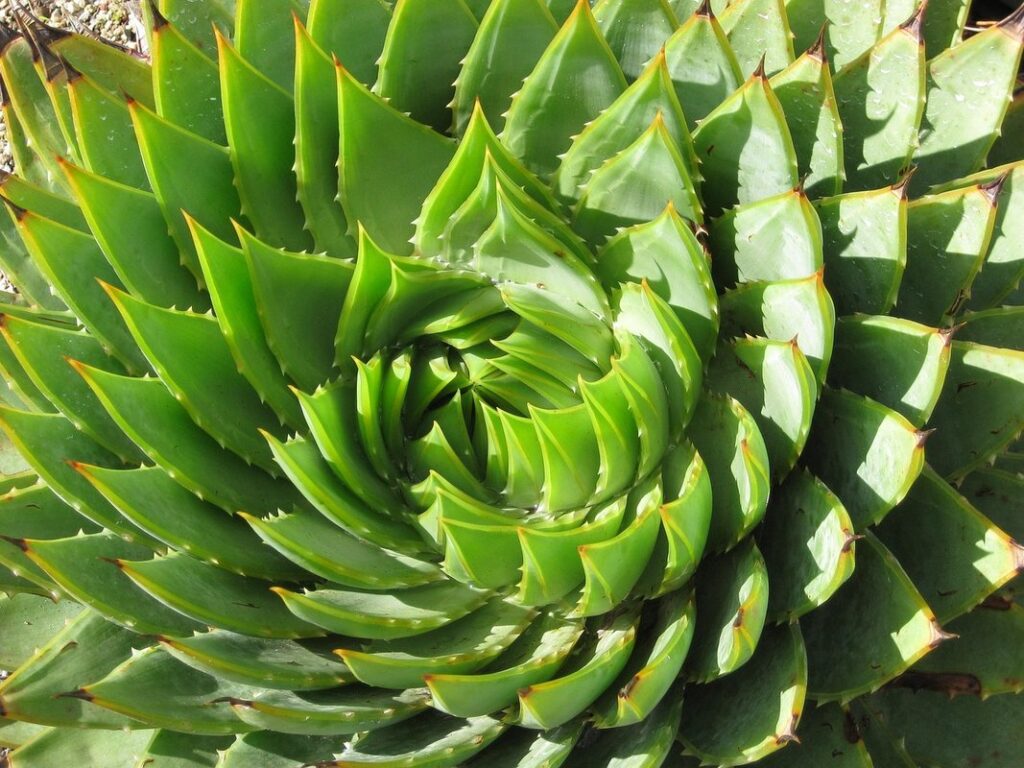
Introduction to Spiral Plant Design
Welcome to the world of spiral plant design, where art and science blend together to create visually stunning gardens. In this section, we’ll explore the basics of spiral design principles.
Brief History and Evolution of Spiral Plant Design
Spiral plant design has a rich history that spans thousands of years, with its evolution influenced by various cultures and technological advancements. The earliest recorded use of spiral patterns dates back to ancient civilizations in Egypt, Greece, and Rome, where they were used in architectural designs, pottery, and other decorative arts.
In the early 20th century, the Arts and Crafts movement saw a resurgence of interest in organic and natural forms, including spirals. Architects like Frank Lloyd Wright and Eero Saarinen incorporated spiral motifs into their designs, blurring the lines between art and architecture.
The mid-20th century witnessed the rise of modernist design, which further popularized the use of spirals in plant design. Notable innovators like Buckminster Fuller and Synergetics founder, R. Buckminster Fuller, experimented with geodesic domes and other spiral-based structures that redefined the concept of spatial efficiency.
Today, spiral plant design continues to inspire architects, designers, and artists worldwide, as it offers a unique fusion of form and function.
Key Principles and Elements of Effective Spiral Plant Design
A well-designed spiral plant arrangement is not just aesthetically pleasing but also functional. To achieve this balance, it’s essential to understand and apply key principles of design. Balance, for instance, can be achieved by distributing elements in a way that creates visual equilibrium. This can be done by placing larger plants at the center or by creating symmetry with identical arrangements on either side of the spiral.
Harmony in a spiral plant design is often achieved through repetition of colors and textures. Consider selecting plants with varying shades of green or adding pops of color through vases, pots, or decorative accents to create visual interest. Texture adds depth to your design – combine smooth-leaved plants like succulents with those having textured leaves like eucalyptus.
Negative space also plays a vital role in spiral plant designs. Don’t overcrowd the arrangement; instead, allow for empty spaces between each element. This will not only give the design visual breathing room but also create an illusion of more negative space than there actually is.
When working with color theory, it’s essential to consider the 60-30-10 rule – allocate 60% of your space to a dominant color (in this case, foliage), 30% to a secondary color, and 10% to an accent. By applying these design principles, you can create visually appealing spiral plant arrangements that are both functional and pleasing to the eye.
Understanding the Benefits of Spiral Plant Design
Spiral plant design offers numerous benefits that can elevate your space and enhance its visual appeal, making it perfect for indoor and outdoor areas. Let’s explore these advantages in more detail.
Improved Aesthetic Appeal
Spiral plant design has a profound impact on the aesthetic appeal of spaces. The intricate patterns and flowing curves of spirals have a way of captivating our attention and inspiring wonder. When designed correctly, spiral patterns can create a sense of visual interest that draws the eye through the space, making it feel more dynamic and engaging.
One key aspect of spiral plant design is its ability to interact with the human brain in a unique way. Studies have shown that our brains are wired to respond positively to curved lines and organic shapes, which is why spirals can be so effective at creating a sense of calm and serenity. By incorporating spiral patterns into your plant design, you can create a space that feels more peaceful and relaxing.
To maximize the aesthetic appeal of spiral plant designs, consider layering different elements, such as plants with varying textures and colors, to create a visually striking display. You can also experiment with different shapes and sizes of containers or planters to add visual interest. By incorporating these design principles into your spiral plant design, you’ll be able to create a space that’s both beautiful and inviting.
Increased Functionality and Space Efficiency
Spiral plant design offers numerous benefits when it comes to increased functionality and space efficiency. One of the most significant advantages is its ability to maximize storage capacity without sacrificing valuable floor space. By incorporating spiral designs, you can create vertical storage units that optimize every inch of available space, making them ideal for small kitchens, apartments, or homes with limited square footage.
In addition to increased storage, spiral plant design also improves airflow within the garden or indoor space. The curved shape allows for better air circulation, reducing the risk of fungal diseases and pests that thrive in stagnant environments. This is particularly beneficial for plants that require high levels of ventilation, such as orchids or succulents.
By implementing spiral designs, you can create a more efficient use of space while maintaining an aesthetically pleasing appearance. This not only saves valuable real estate but also reduces the need for additional storage containers or shelves, making it a practical solution for gardeners and homeowners looking to maximize their space.
Selecting the Right Plants for Spiral Design
When it comes to creating a stunning spiral garden, selecting the right plants is crucial. This involves choosing species that thrive in specific conditions and complement each other visually.
Choosing Plants Based on Growth Habits and Texture
When it comes to selecting plants for a spiral design, one of the most crucial considerations is their growth habits and texture. You’ll want to choose plants that complement each other in terms of rate, size, and shape.
For example, fast-growing plants like grasses or shrubs can be used as the base of the spiral, while slower-growing perennials or flowering plants are layered on top. This creates a visually appealing contrast between different textures and growth rates. Consider the mature size of each plant and how it will impact the overall design.
Pay attention to leaf size and shape as well. Large leaves can create a lush, tropical look, while smaller leaves provide a more delicate, airy feel. Color is also an important factor; contrasting colors like bright flowers against dark green foliage or vice versa can add visual interest. Experiment with different combinations to find the perfect balance of texture, growth habits, and color for your spiral design.
Incorporating Vines, Climbers, and Other Twining Plants
Incorporating vines, climbers, and other twining plants into spiral designs can add an extra layer of complexity, but also a great deal of visual interest. When working with these types of plants, it’s essential to consider their growth habits and training requirements.
One key challenge is providing support for the plant as it grows, especially if you’re working with larger or more vigorous species like clematis or wisteria. A trellis or arbor can be an excellent solution, but make sure to install it at the right time to give the plant ample space to grow.
To train these plants, start by gently twining their stems around the support as they emerge. You can also use plant ties or clips to secure them in place. Be careful not to over-tighten, as this can damage the plant’s delicate tissues.
Consider the mature size of your vines and climbers when selecting the design and layout of your spiral garden. Some species, like English ivy, can become quite dense and may require regular pruning to keep them under control.
Implementing Spiral Plant Design in Your Space
Now that you’ve fallen in love with spiral plant design, let’s dive into implementing it in your own space, and learn some practical tips to get started.
Tips for Creating a Spiral Garden or Vertical Planter
When it comes to implementing spiral plant design in your space, creating a spiral garden or vertical planter can be a fantastic way to add visual interest and make the most of your available area. To get started, begin by planning out your project. Consider the size and shape of your available space, as well as the types of plants you want to feature.
In terms of materials, you’ll need a sturdy base or frame for your spiral garden or vertical planter. This can be made from wood, metal, or even recycled plastic. Choose a material that’s durable enough to support the weight of the soil and plants, but also one that complements your existing décor. For the actual planting area, consider using a combination of pots and planters, or opt for a self-watering system to make maintenance easier.
When it comes to installation, start by building your base or frame, then add layers of soil and plants, working your way up in a spiral pattern. This will not only create visual interest but also allow you to make the most of your available space. Be sure to leave enough room for proper drainage and air circulation to keep your plants happy and healthy.
Some popular materials for creating a spiral garden or vertical planter include:
* Reclaimed wood
* Metal planters with built-in irrigation systems
* Self-watering planters made from recycled plastic
By following these simple steps, you can create a stunning spiral garden or vertical planter that adds beauty and functionality to your space.
Adapting Spiral Plant Design to Different Spaces and Scales
Adapting spiral plant design principles to fit different spaces and scales is crucial for creating visually appealing and functional gardens. For small balconies, consider a compact spiral planter made from recycled materials, which can be mounted on the wall or placed on a corner shelf. This will help make the most of limited space while adding a touch of greenery to the area.
When working with larger landscapes, think in terms of layers and curves. Use a combination of spiral planters and curved pathways to create a sense of movement and flow. For example, you can place large stone or wood planters at regular intervals along a winding path, each one featuring a unique spiral design.
To scale up your spiral plant design, focus on bold, dramatic shapes that create visual interest from a distance. Consider using larger plants with striking foliage, like banana palms or bird-of-paradise flowers, to add height and texture to the space. When designing for smaller spaces, however, opt for more compact or trailing plants like succulents or creeping thyme to prevent overcrowding.
Common Mistakes to Avoid in Spiral Plant Design
When working on a spiral plant design, there are several common pitfalls that can make your project look less than its full potential. Let’s examine some of these mistakes together.
Overcrowding and Inadequate Support
When creating spiral plant designs, it’s easy to get carried away with the creative possibilities and overlook some crucial aspects. Overcrowding and inadequate support are two common mistakes that can quickly turn a beautiful design into a disaster.
Overcrowding occurs when you pack too many plants together, leading to competition for water, nutrients, and light. This can result in weakened plants that become susceptible to disease and pests. For example, imagine designing a spiral planter with 10 succulents side by side – it’s unlikely they’ll thrive without enough space to spread their roots. To avoid overcrowding, ensure each plant has at least 6-8 inches of space around it.
Inadequate support is another critical issue that can cause your design to fall apart. Plants like climbing vines or tall flowers need sturdy structures to lean against or climb up. Failing to provide adequate support can lead to plants toppling over, damaging the surrounding plants and potentially harming people nearby. Make sure to include trellises, stakes, or other supports in your design to keep your plants upright and secure.
When selecting plants for your spiral design, choose species that are compact or have a slow growth rate to avoid overcrowding issues. Also, be mindful of plant heights and ensure there’s enough clearance between the plants’ mature sizes.
Neglecting Maintenance and Upkeep
Regular maintenance and upkeep are crucial components of spiral plant design. Many gardeners overlook these tasks, leading to subpar results. Pruning is essential for maintaining the structure and visual appeal of a spiral plant design. Deadheading spent blooms encourages new growth and promotes a continuous display of flowers.
Watering and fertilization also require careful consideration. Overwatering can cause roots to rot, while underwatering may lead to nutrient deficiencies. A well-balanced fertilizer will provide essential nutrients for healthy growth. Soil type and drainage should be taken into account when selecting fertilizers.
In addition to these tasks, mulching around the plants helps retain moisture and suppress weeds. Seasonal adjustments in pruning and watering schedules can also optimize plant performance. For instance, reducing water intake during winter months allows plants to conserve energy. Regular upkeep may seem time-consuming but yields long-term benefits for a visually appealing and thriving spiral plant design.
Conclusion and Future Directions
Now that you’ve learned the principles of spiral plant design, let’s explore where this art form is headed and how you can continue to grow your skills.
Recap of Key Takeaways
As you’ve navigated through this comprehensive guide on spiral plant design, we hope you’ve gained valuable insights into the art and science of creating stunning, functional spaces that seamlessly integrate plants. Before we conclude, let’s recap the key takeaways to help solidify your understanding.
At its core, spiral plant design is a harmonious blend of aesthetics and functionality. By carefully selecting the right plants, considering their growth patterns, light requirements, and maintenance needs, you can create visually appealing spaces that promote well-being and productivity. Throughout this guide, we’ve emphasized the importance of thoughtful planning, creative problem-solving, and attention to detail.
One key takeaway is that spiral plant design is not just about aesthetics; it’s also a means of improving indoor air quality, reducing stress levels, and boosting mood. By incorporating plants with diverse foliage shapes, sizes, and colors, you can create visually interesting spaces that engage multiple senses. Moreover, by selecting plants that thrive in specific light conditions, you can minimize maintenance costs and ensure the long-term health of your plants.
To put these principles into practice, consider the following actionable tips:
* Start small: Begin with a few statement pieces or focal points to anchor your design before expanding to more extensive plant installations.
* Mix and match: Combine different plant species, textures, and colors to create visually appealing contrasts and harmonies.
* Consider vertical space: Make the most of your walls by incorporating trellises, shelves, or living walls that showcase plants in a unique way.
As you embark on your spiral plant design journey, remember that it’s an iterative process. Don’t be afraid to experiment, adjust, and refine your design based on feedback from others and observations over time. With patience, creativity, and attention to detail, you’ll unlock the full potential of this innovative approach to interior design.
Frequently Asked Questions
What are the ideal plant combinations for a spiral garden, considering growth habits and texture?
When selecting plants for your spiral design, consider combining plants with different growth habits (trailing, climbing, or upright) and textures (leaves, flowers, or foliage) to create visual interest. Group plants with similar watering needs together and ensure adequate support for tall or heavy plants. A mix of flowering and foliage plants can add color and depth to your design.
How do I adapt spiral plant design to a small or compact space?
To adapt spiral design to smaller spaces, focus on vertical growth using trellises, arbors, or wall-mounted planters. Choose compact or dwarf varieties that don’t require extensive horizontal spread. Consider using hanging baskets or tiered planters to maximize space and create visual interest.
Can I incorporate edible plants into my spiral garden?
Yes! Incorporating edible plants like herbs, strawberries, or vining vegetables (like peas or cucumbers) can add functionality to your design while providing fresh produce. Ensure the chosen edibles are compatible with the climate and growing conditions in your area. Be mindful of mature plant sizes and leave sufficient space for growth.
How do I prevent overcrowding and ensure proper support for plants in a spiral garden?
To avoid overcrowding, leave enough space between plants to accommodate their mature size and allow for air circulation. Provide adequate support using trellises, stakes, or other structures as needed, depending on the plant’s growth habit and weight.
What are some common mistakes to watch out for when creating a spiral garden, and how can I avoid them?
Common mistakes include inadequate support for heavy plants, neglecting regular maintenance (watering, pruning, fertilizing), and choosing plants that don’t thrive in the local climate. Regularly inspect your design, prune or train plants as needed, and stay informed about local growing conditions to ensure a thriving spiral garden.