
Are you tired of guessing whether your garden soil is acidic or alkaline? Accurately testing your soil pH can be a daunting task, but it’s essential for growing healthy and thriving plants. Soil pH affects nutrient availability, microbial activity, and even plant growth rates. If your soil is too acidic or alkaline, it can lead to stunted growth, nutrient deficiencies, or even death of your beloved plants.
Don’t worry; testing garden soil pH is easier than you think! In this comprehensive guide, we’ll walk you through the different methods for testing soil pH, including DIY and lab-based approaches. We’ll also cover the importance of sample collection, how to interpret results, and long-term maintenance strategies to keep your soil in balance. By following our simple steps, you’ll be able to accurately test and adjust your garden’s soil pH levels, setting yourself up for a bountiful harvest season.
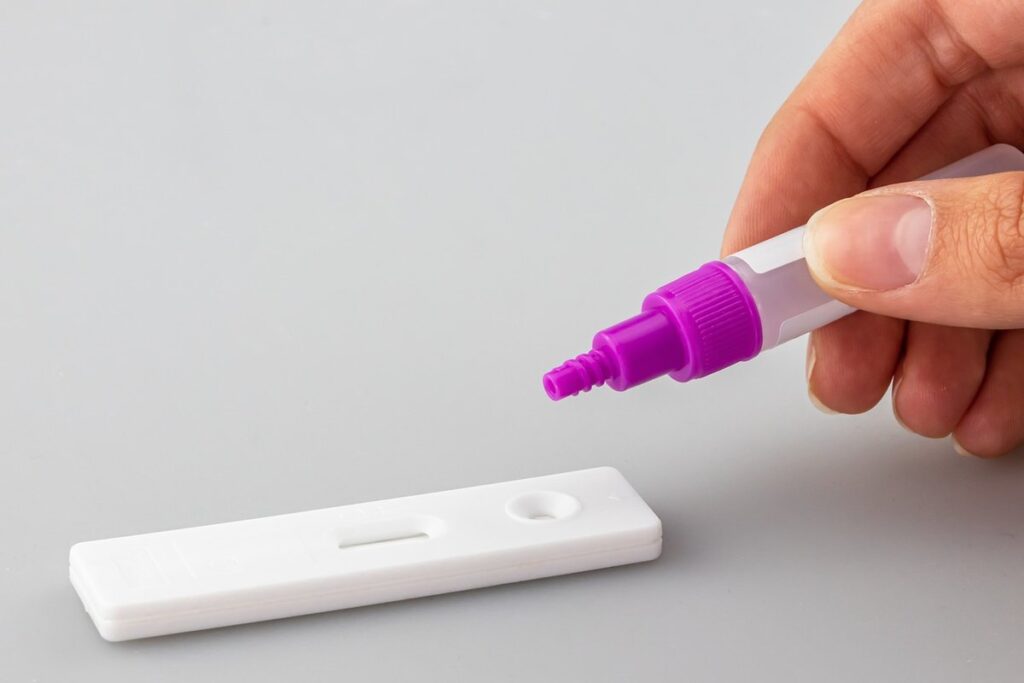
Understanding the Importance of Soil pH
Soil pH plays a crucial role in plant growth, and understanding its importance will help you make informed decisions when testing your garden soil. Let’s dive into why it matters for your garden’s health.
What is Soil pH and Why Does It Matter?
Soil pH is often misunderstood as just a number, but it’s actually a critical factor that affects plant growth and overall garden health. In simple terms, soil pH is a measure of the acidity or alkalinity of your soil on a scale of 0 to 14. A pH level below 7 is considered acidic, while a level above 7 is basic (alkaline). The ideal pH range for most plants is between 6 and 7, although some species prefer slightly acidic or alkaline conditions.
Understanding your soil’s pH is essential because it influences nutrient availability, water absorption, and microbial activity. For example, if your soil is too acidic, nutrients like phosphorus and manganese may become unavailable to your plants. On the other hand, a highly alkaline soil can lead to iron deficiencies. By testing your garden soil pH, you’ll be able to determine whether it’s too high or low and take corrective measures.
To put this into perspective, consider a plant that loves acidic conditions – blueberries, for instance. If your soil is too basic, the plants will struggle to absorb essential nutrients, leading to poor growth or even death. Conversely, if you have alkaline-loving plants like roses in acidic soil, they’ll suffer from nutrient deficiencies and stunted growth.
The Effects of pH on Plant Growth
When it comes to growing healthy and thriving plants, understanding the effects of pH on plant growth is crucial. Different levels of soil pH can significantly impact a plant’s ability to absorb essential nutrients, develop its root system, and overall health.
A slightly acidic to neutral soil pH (around 6.0-7.0) is ideal for most vegetables and fruits. However, some plants like azaleas and blueberries require more acidic conditions (pH 4.5-5.5), while others like asparagus and roses prefer a slightly alkaline environment (pH 7.5-8.0). If the soil pH is too high or too low, it can lead to nutrient deficiencies, stunted growth, and increased susceptibility to diseases.
For instance, if your soil pH is too acidic, nutrients like phosphorus become less available for plants to absorb, which can result in poor root development and reduced yields. Conversely, a highly alkaline soil pH can cause micronutrients like iron and zinc to become toxic to plants. To mitigate these effects, it’s essential to test your garden soil pH regularly and adjust it if necessary by adding lime or sulfur.
To give you a better idea, here are some common plant types and their preferred pH ranges:
* Acid-loving plants (azaleas, blueberries, strawberries): 4.5-5.5
* Neutral plants (tomatoes, cucumbers, peppers): 6.0-7.0
* Alkaline plants (asparagus, roses, succulents): 7.5-8.0
By understanding the pH requirements of your specific plant species and adjusting your garden soil accordingly, you can create a more conducive environment for optimal growth and yields.
Preparing for Soil Testing
Before you head out to collect a soil sample, let’s take a closer look at what you need to do beforehand to ensure accurate and reliable results. This includes choosing the right sampling method and equipment.
Choosing the Right Testing Method
When it comes to testing garden soil pH, you have several options to choose from. The right method for you will depend on your specific needs and resources.
If you’re a beginner or just want a quick and easy solution, DIY kits are a great option. These kits usually involve dipping a probe into the soil and reading the results with an attached meter. They’re often inexpensive and can give you a general idea of your soil’s pH level. However, keep in mind that their accuracy may vary depending on the quality of the kit.
For more precise and reliable results, lab tests are the way to go. These involve sending a soil sample to a laboratory for analysis. Lab tests can provide detailed information about your soil’s pH, as well as its nutrient content and structure. They’re a bit more expensive than DIY kits but offer more comprehensive results.
In-field measurements, such as using a handheld pH meter or testing strips, can also be effective. These methods are often portable and can give you instant results. However, their accuracy may vary depending on the quality of the equipment and your own technique.
It’s worth noting that some gardeners find it useful to use multiple methods in combination, especially if they’re unsure about their soil’s pH level or want to confirm the results from one method with another.
Factors to Consider When Selecting a Testing Kit
When selecting a testing kit for measuring garden soil pH, there are several factors to consider. First and foremost, accuracy is crucial. You want a kit that provides reliable results to ensure you’re making informed decisions about your garden’s needs.
Consider the ease of use as well. Some kits can be complex and time-consuming, which may deter some gardeners from testing their soil regularly. Opt for a kit with clear instructions and minimal steps to save you time and hassle.
Cost is another important factor. Testing kits can range from under $10 to over $100, depending on the method and brand. While it’s tempting to go for the cheapest option, remember that accurate results are worth investing in.
Another consideration is sample size requirements. Some kits require a small amount of soil, while others may need a larger sample. Make sure you choose a kit that suits your needs and won’t require too much soil to be taken from your garden.
Collecting and Preparing Soil Samples
To accurately test your garden soil pH, you’ll first need to collect and prepare a representative sample of your soil, following some simple steps. This ensures reliable results from your testing process.
How to Collect Representative Soil Samples
When collecting soil samples for pH testing, it’s essential to follow best practices to ensure accurate results. First, select a representative location that reflects the overall garden conditions. This might be the area where you plan to plant vegetables or fruits, as their growth can be impacted by soil pH.
Avoid sampling areas with recent fertilization or compost application, as this can skew the test results. Instead, look for undisturbed areas with minimal human impact. To prevent contamination, wear gloves and a face mask when collecting samples, and use clean containers to store them.
Collect multiple samples from different depths (about 4-6 inches) in each area to account for potential pH variations. The general rule of thumb is to collect three to five samples per garden bed or area. This will give you a comprehensive understanding of your soil’s pH levels and help identify any areas that may require adjustment.
Preparing Soil Samples for Testing
Before sending your soil samples to the lab for testing, it’s essential to prepare them properly. This step may seem trivial, but it can significantly impact the accuracy of the results.
Firstly, remove any debris or contaminants from the sample by gently sieving it through a 1/4-inch (6 mm) mesh sieve. This will prevent large particles from affecting the test and ensure that only a representative portion of the soil is analyzed.
If your samples are excessively moist, air-drying them may be necessary. However, make sure not to over-dry the sample, as this can cause it to become too powdery and affect the test results. A simple way to check for dryness is to squeeze a small amount of the sample between your fingers – if it holds its shape but crumbles easily, it’s ready.
Some labs may also require you to grind or crush the soil samples into a fine powder before testing. Be sure to follow their specific instructions and guidelines to avoid any issues with the analysis.
Interpreting Soil pH Test Results
Now that you’ve got your soil pH test results, let’s break down what they mean and how to use them to make informed decisions for your garden. This section will guide you through interpreting those numbers.
Understanding pH Scale and Units
When working with soil pH test results, it’s essential to understand the pH scale and units involved. The pH scale is a measure of the concentration of hydrogen ions (H+) in the soil solution, ranging from 0 to 14. A pH value below 7 indicates an acidic environment, while values above 7 are alkaline or basic. Neutral soils have a pH between 6 and 7.
It’s also crucial to understand the concept of pOH, which stands for potential of hydroxide ions. While related to pH, pOH measures the concentration of hydroxide ions (OH-) in the soil solution. A strong acid will lower both pH and pOH values, while a strong base will raise them.
To interpret test results accurately, consider these key points: Most plants thrive in slightly acidic to neutral soils with pH ranging from 6.0 to 7.0. If your test result shows an extremely high or low pH value, it may be necessary to adjust the soil’s pH through amendments before planting. Consult a reliable gardening resource for specific guidance on how to interpret and adjust pH values in your garden.
Adjusting Soil pH: Liming vs. Sulfur Application
When adjusting soil pH to ensure optimal plant growth, you have two primary options: liming and sulfur application. The choice between these methods depends on whether you’re aiming to raise or lower the soil’s acidity level.
To increase soil pH, apply lime to neutralize acidic properties. Limestone, dolomitic limestone, and hydrated lime are common types of lime suitable for garden use. For example, if your soil test results indicate a pH of 5.5, applying 2-4 pounds of dolomitic limestone per 100 square feet can effectively raise the pH to a more neutral range.
Conversely, sulfur application is used to lower soil pH. Aluminum sulfate and elemental sulfur are popular choices for acidic soils. For instance, adding 1-2 pounds of aluminum sulfate per 100 square feet can decrease the pH by one unit. It’s essential to note that excessive sulfur application can lead to over-acidification, so monitor your soil pH closely after treatment.
It’s also worth mentioning other methods for adjusting soil pH, such as using peat moss or compost to reduce acidity and dolomitic limestone with magnesium content to neutralize acidity while providing additional nutrients. Be cautious when experimenting with these alternatives, as their effects can be unpredictable without proper research and testing.
Maintaining Optimal Soil pH Over Time
Now that you’ve mastered testing your garden soil pH, let’s talk about how to keep it at its optimal level over time, which is crucial for healthy plant growth.
Factors Affecting Soil pH Stability
Soil pH stability is influenced by several factors that can either contribute to a stable reading or cause fluctuations. Climate plays a significant role as high temperatures and heavy rainfall can alter soil chemistry, making it more acidic or basic. For instance, regions with hot summers and high precipitation levels tend to have more unstable soils.
The type of soil also affects pH stability. Sandy soils, being porous and well-draining, tend to be more stable than clay soils that retain water and nutrients, leading to potential acidity issues. Loamy soils, however, are often considered the most stable due to their balanced composition.
Management practices can either help or hinder soil pH stability. Over-fertilization with nitrogen-based products can lead to acidification, while using organic amendments like compost can neutralize the soil. Tillage and mulching also impact soil chemistry; excessive tillage can disrupt the soil’s natural ecosystem, whereas mulching helps maintain a stable microclimate.
Monitoring these factors can help gardeners anticipate pH fluctuations and make informed decisions about their management practices to ensure optimal soil conditions for plant growth.
Strategies for Long-Term pH Maintenance
Maintaining optimal soil pH over time requires a combination of regular testing, monitoring, and adjustments. To achieve this, it’s essential to establish a routine that includes frequent pH checks, ideally every 6-12 months. This will enable you to detect even slight changes in the pH level, allowing for prompt corrective action.
When monitoring your soil pH, keep an eye out for signs of pH fluctuations, such as changes in plant growth or nutrient deficiencies. For instance, if your plants are showing symptoms of iron deficiency, it may be a sign that the soil pH has become too high. Similarly, if you notice an increase in acidity, it could indicate a build-up of organic matter.
To make adjustments to your soil pH, start by testing the surrounding topsoil to determine its pH level. Based on the results, apply lime or sulfur as needed to bring the pH into balance. Be cautious not to over-correct, as this can have unintended consequences on the soil’s ecosystem. Regular monitoring and adjustments will ensure that your garden’s optimal pH is maintained over time.
Frequently Asked Questions
Can I test my soil pH without any prior knowledge or experience?
Yes, with the right guidance, anyone can test their soil pH. This guide is designed to walk you through each step, from preparing samples to interpreting results, making it accessible to gardeners of all levels.
What if I’m not sure which testing method to choose for my specific needs?
If you’re unsure about selecting a testing method, consider the size and type of your garden, as well as any specific concerns or goals. If you have a large garden or want more detailed information, lab-based tests might be more suitable. For smaller gardens or quick checks, DIY kits can be an effective option.
How often should I test my soil pH to ensure optimal levels?
Testing your soil pH regularly is crucial for maintaining balance. Aim to test at least once a year and after making significant changes to your garden, such as adding new plants or fertilizers. This will help you catch any potential issues before they impact plant growth.
What if my soil pH results show an extreme level of acidity or alkalinity?
If your soil pH is significantly off the charts (very acidic or alkaline), it’s essential to take corrective action promptly. Consult with local gardening experts, and consider adjusting your fertilization schedule or using lime/sulfur to adjust the pH levels. It may also be necessary to repot plants if they’re severely impacted.
How can I prevent future soil pH fluctuations?
To maintain optimal soil pH stability over time, focus on incorporating a mix of organic matter (like compost) and avoiding excessive fertilizer use. Regularly monitor your soil’s nutrient levels and adjust your fertilization schedule accordingly. These proactive steps will help minimize the risk of sudden changes in your garden’s pH.